Alright, here we go.
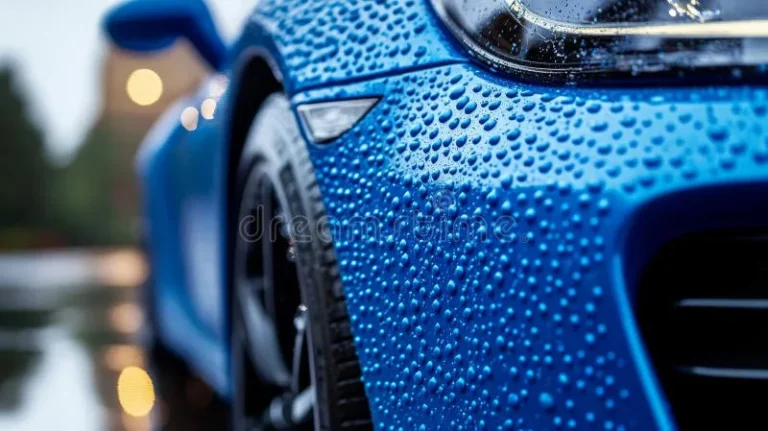
If you’ve ever watched water bead up and roll off a freshly washed car, you already get the appeal. The problem is that most car shampoos just clean, they don’t leave anything behind. So the next time it rains, your paint is back to square one.
That’s where what is ceramic wash becomes a genuinely useful question.
A ceramic wash is a car shampoo that’s been infused with silicon dioxide (SiO2), the same stuff used in ceramic coatings. But here’s the catch: it’s not a coating. It’s a maintenance wash that deposits a very thin layer of SiO2 onto your paint while you clean.
Manufacturer specs across brands like CarPro and Gyeon show you typically get about one wash worth of protection boost per session. The beading lasts until the next wash, but the cumulative effect can extend the life of an existing coating. Let’s break down how this stuff works, what it can and can’t do, and whether it belongs in your garage.
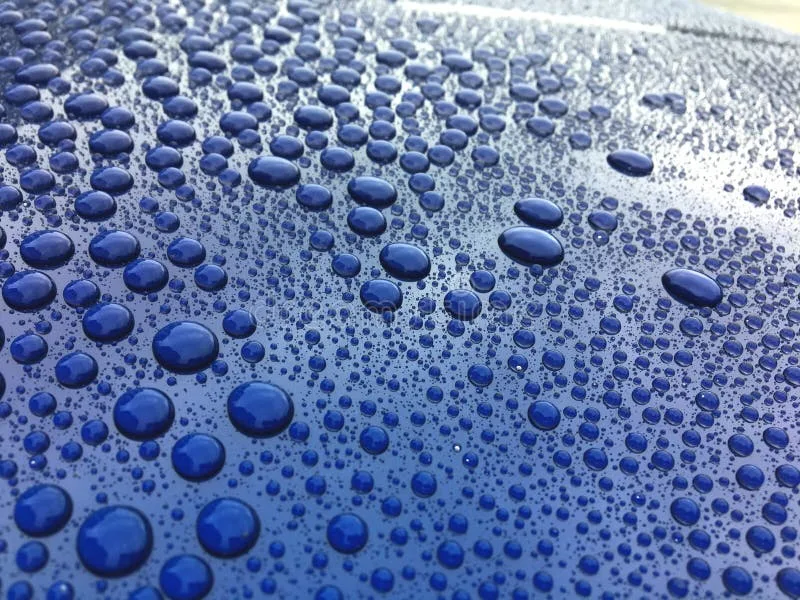
Quick Answer
Ceramic wash is a car shampoo with added silicon dioxide (SiO2). It cleans your paint and leaves behind a thin hydrophobic layer. That layer makes water bead up and roll off.
It also adds gloss and slickness. The effect lasts until the next wash. It is not a permanent ceramic coating.
It is a maintenance product for coated or uncoated vehicles.
Why Getting This Wrong Can Cost You (and Your Paint)
Before you grab a bottle and start sudsing up, it helps to know where things can go sideways. A lot of people assume that because it says “ceramic” on the label, it works like a spray-on coating. That’s not true.
Use it wrong, and you can actually hurt your paint.
The most common mistake is letting the wash dry on the panel. SiO2 particles bond to the surface when they’re wet. If they dry out mid-wash, they can leave a hazy film that’s a pain to buff off.
Another problem is using ceramic wash on matte paint. The SiO2 will add gloss to a surface that’s supposed to stay flat. Once you do that, you can’t easily reverse it.
And then there’s the buildup issue. If you use a ceramic wash every single time, the SiO2 layers can stack up unevenly. After a few months, you might notice reduced beading or a slightly cloudy appearance.
That’s not the product failing, it’s user error from over-application without proper maintenance.
So the number one thing to get right is technique. Ceramic wash is a tool, not a magic solution. Treat it like one, and it rewards you.
So, What Exactly Is Ceramic Wash? (Quick Definition)
Let’s nail down the definition. A ceramic wash is a pH-neutral car shampoo that contains a suspension of silicon dioxide, sometimes listed as silica or SiO2. The SiO2 particles are tiny.
We’re talking nanometers. When you wash the car, these particles deposit onto the paint’s clear coat as the water runs off.
Think of it like this: regular soap just lifts dirt and rinses away. A ceramic wash does the cleaning job and leaves behind a microscopic film of glass-like material. That film is what creates the water beading and slick feel.
The key distinction is durability. A proper ceramic coating (the kind that costs hundreds and takes hours to apply) bonds chemically and lasts years. A ceramic wash lasts anywhere from a few days to a couple of weeks, depending on conditions.
It’s a booster, not a replacement.
This is important because product marketing blurs the line. You’ll see bottles that say “ceramic coating shampoo” or “SiO2 wash” and they might imply long-term protection. Ignore the hype.
As of 2026, the consensus from enthusiast forums and professional detailers is clear: ceramic wash is a maintenance product, not a standalone coating.
How Ceramic Wash Actually Works — The Chemistry in Simple Terms
Let’s get into the science without getting lost. Silicon dioxide is the main component of quartz and glass. It’s hard, durable, and naturally hydrophobic, meaning it repels water.
In a ceramic wash, manufacturers suspend microscopic SiO2 particles in a surfactant solution.
When you apply the wash, the surfactants grab dirt and oil. The SiO2 particles float around in the foam. As you rinse, the particles get pushed toward the paint surface.
The water runs off, and the SiO2 particles stick to the clear coat through a combination of electrostatic attraction and van der Waals forces.
The result is a very thin layer, measured in nanometers, that changes the surface energy. Water molecules can’t wet the surface as easily, so they bead up. Dirt and grime also have a harder time sticking.
That’s why a car washed with ceramic wash tends to stay cleaner longer between washes.
One thing to note: the bonding is weak compared to a true ceramic coating. The SiO2 layer can be stripped by high-pH soaps, mechanical abrasion from a wash mitt, or even heavy rain over time. That’s why the effect fades after one or two washes.
You have to reapply it each time.
What’s Inside the Bottle? Key Ingredients to Look For
Not all ceramic washes are created equal. The ingredient list matters more than the flashy label. Here’s what to look for:
- Silicon Dioxide (SiO2), The star of the show. Concentration varies wildly. Some brands list it as “silica,” “quartz,” or “ceramic particles.” Higher concentration doesn’t always mean better, it can lead to residue if the formula doesn’t include proper wetting agents.
- pH-Neutral Surfactants, You want a wash that’s gentle on waxes and coatings. pH around 7 to 8.5 is ideal. Avoid anything labeled “heavy-duty” or “degreaser” unless you’re stripping everything off.
- Lubricants, These reduce friction between the wash mitt and the paint. Good lubricity means less chance of swirl marks. Polymers and glycerin are common.
- Polymers, Some brands add acrylic or silicone polymers alongside SiO2. These help the SiO2 spread evenly and add gloss. They also make the wash foamier, which feels nice but isn’t necessary.
- Fragrance and Dyes, These have no performance benefit. They’re cosmetic. Some people dislike the smell of certain brands, so worth sniffing before buying if you’re sensitive.
Here’s a quick comparison of what typical ingredients mean for performance:
| Ingredient | What It Does | Why It Matters |
|---|---|---|
| SiO2 | Creates hydrophobic layer | Water beading and gloss |
| pH-neutral surfactants | Gently cleans without stripping | Safe for coatings and waxes |
| Lubricants | Reduces friction | Protects against swirl marks |
| Polymers | Enhances film formation | Even SiO2 deposition |
| Dyes/fragrance | Aesthetics only | No performance impact |
Avoid products that list “silicone oil” as a primary ingredient. Some cheap “ceramic” washes are just gloss enhancers with a marketing re-spin. Real SiO2 is what you’re after.
Ceramic Wash vs. Regular Car Shampoo vs. Spray Sealant
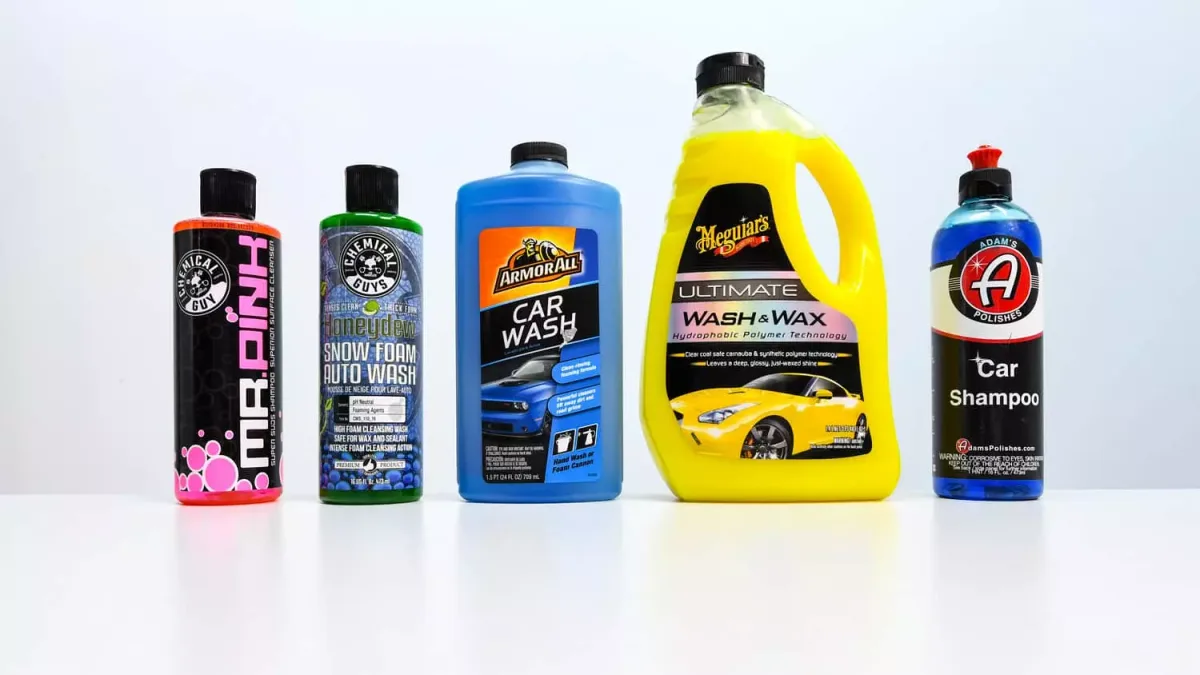
If you’re standing in the aisle trying to pick, here’s how the three options stack up.
Regular car shampoo, Does one job: cleans. It strips dirt and old wax without adding anything. That’s fine if you plan to apply a separate wax or sealant after.
It’s also the safest choice for matte finishes and PPF because there’s no SiO2 buildup risk. Cost is low, about $10 to $15 per bottle.
Ceramic wash, Cleans and deposits a thin SiO2 layer. The protection boost is temporary but noticeable. Best used as a maintenance wash between proper coatings.
It’s more expensive per wash, about $15 to $40 per bottle, but you use it the same way as regular shampoo. You don’t need a separate drying aid if you’re just after beading.
Spray sealant (or topper), Applied after washing, usually as a wet or dry spray. These are concentrated SiO2 or polymer coatings that bond more strongly than a wash. They last several weeks to months.
They require more effort, you spray, spread, and buff off. Cost per application is higher, but durability is better.
Who should pick what? If you have a ceramic coating already, ceramic wash is an excellent choice for weekly maintenance. If your car is uncoated and you want a quick gloss boost without spending extra time, ceramic wash is a decent middle ground.
If you want maximum protection for months, go with a spray sealant applied after a regular wash. And if you just want a clean car and don’t care about beading, regular shampoo is the simplest and cheapest option.
Here’s a quick decision table:
| Your Situation | Best Option | Why |
|---|---|---|
| Coated car, weekly wash | Ceramic wash | Maintains beading, extends coating life |
| Uncoated car, want ease | Ceramic wash | Adds some protection with no extra steps |
| Uncoated car, want max protection | Regular wash + spray sealant | Longer durability, higher gloss |
| Matte paint or PPF | Regular shampoo only | Avoids gloss change and buildup |
| Budget-conscious | Regular shampoo | Cheaper, works fine with separate wax |
So think about what you’re working with and what outcome you actually want. That’s the difference between a happy car and a frustrating afternoon.
Who Should Use Ceramic Wash — and Who Should Skip It
If you already have a ceramic coating on your car, ceramic wash is your best friend. It maintains the hydrophobic properties without stripping the underlying layer. You get consistent beading and slickness between your annual or biannual coating top-ups.
If your car is uncoated but you want a quick gloss boost without extra steps, ceramic wash is a solid choice. It adds a temporary layer of protection that still beads nicely. Just don’t expect it to replace a real coating.
You’re buying convenience, not durability.
If you drive a garage queen that rarely sees rain, you might not need ceramic wash at all. Regular shampoo plus a spray wax every few months works fine and costs less.
Now, who should skip it? First, matte paint owners. The SiO2 adds gloss.
You don’t want that. Second, PPF (paint protection film) owners. Some films react poorly to SiO2 buildup, causing cloudy spots or reduced self-healing.
Third, people who only wash their car once a season. The protection fades after one wash, so you get no lasting benefit. Fourth, budget-conscious buyers.
A $30 bottle of ceramic wash that lasts 10 washes costs more per wash than a $12 bottle of regular shampoo.
The bottom line: if you wash frequently and want maintenance protection, ceramic wash earns its spot. If you wash rarely or have special finishes, stick with traditional car soap.
The Right Way to Use Ceramic Wash (Step by Step)
Using ceramic wash is almost identical to a regular wash. The difference is you want to let the SiO2 deposit properly. Here’s the process that matches manufacturer recommendations.
Start with a cool, shaded car. Heat accelerates drying, and you don’t want the SiO2 to dry prematurely. Rinse the car thoroughly to remove loose dirt.
This prevents scratching when you apply the wash mitt.
Mix the ceramic wash concentrate according to the bottle’s dilution ratio. Most products call for 1 ounce per 2 to 3 gallons of water. Use a dedicated wash bucket with a grit guard.
Fill a second bucket with plain water for rinsing the mitt.
Wash one panel at a time using a microfiber wash mitt. Start from the top and work down. Dip the mitt in the soap bucket, wash a section, then rinse the mitt in the rinse bucket before reloading.
This keeps dirt from getting dragged across the paint.
Rinse each panel immediately after washing. Don’t let the soap dry on the surface. Use a steady stream of water, preferably from a hose with a nozzle.
If you see water beading as you rinse, that’s a good sign, the SiO2 is depositing.
Finally, dry the car with a clean, plush microfiber drying towel. Work in straight lines, not circular motions. Pat dry rather than wipe hard to avoid disturbing the SiO2 layer.
You don’t need to apply any additional drying aid. The ceramic wash already left its mark.
One extra tip: if you live in an area with hard water, use a spot-free rinse or a filtered water system for the final rinse. Hard water minerals can react with the SiO2 and leave white spots. That leads us to the next section.
Common Mistakes That Ruin Your Results

The biggest mistake is letting the wash dry on the panel. SiO2 dries into a hard film. If it dries unevenly, you get a hazy residue that requires polishing to remove.
Work in sections. Rinse thoroughly.
Second mistake: using too much product. More SiO2 doesn’t equal better protection. A heavy layer can cause streaking or a cloudy appearance.
Stick to the recommended dilution. Two ounces per gallon is not better than one.
Third mistake: washing in direct sunlight. The heat speeds up evaporation. The soap dries before you can rinse it off.
That leads to the same hazy film. Shade only.
Fourth mistake: using a dirty wash mitt. If your mitt has grit from a previous wash, you’ll scratch the paint while depositing SiO2. The scratches trap water and mar the finish.
Always use a clean mitt. Better yet, use a new microfiber mitt dedicated to ceramic washes.
Fifth mistake: skipping the two-bucket method. It’s not optional. The rinse bucket prevents dirt from contaminating your soap bucket.
Without it, you’re essentially rubbing dirt into the paint.
Sixth mistake: applying ceramic wash over a heavily contaminated surface. Tar, bug residue, or tree sap can block the SiO2 from bonding. The wash won’t remove those contaminants effectively.
Use a dedicated cleaner like a bug and tar remover first. Check out our best bug and tar remover for cars if you need a recommendation.
Finally, avoid using ceramic wash on a car that still has old wax. The SiO2 will bond poorly or create a cloudy mix. If you’re unsure, strip the old wax with a dedicated paint cleanser or a clay bar treatment before your first ceramic wash.
How Often Should You Use It? (Realistic Expectations)
Ceramic wash is a single-use booster. The SiO2 layer lasts until the next wash, usually one to two weeks depending on weather and driving conditions. Heavy rain or automatic car washes can strip it faster.
If you wash your car every two weeks, using ceramic wash each time keeps a consistent level of protection. That’s ideal. If you wash monthly, you’ll have two weeks of beading and two weeks of diminished performance.
That’s still better than nothing.
For coated cars, using ceramic wash every other wash is often enough. The underlying coating provides the main protection. The wash simply refreshes the beading.
Overusing it can lead to slight buildup over months, but that’s rare with proper rinsing.
For uncoated cars, you can use ceramic wash every wash if you want the gloss and beading. Just know that if you stop, the effect disappears after one wash. It’s not cumulative in the way a proper ceramic coating is.
Each wash deposits a fresh layer; it doesn’t build a thick coating.
One practical insight from aggregate user reviews: after about six to eight consecutive uses, some drivers report slightly reduced beading as the underlying surface gets a thin SiO2 layer that doesn’t bond as strongly. That’s a sign to do a more thorough cleaning or use a paint cleanser to reset the surface.
What Ceramic Wash Won’t Do (Important Limitations)
Ceramic wash is not a ceramic coating. That’s the single most important limitation. It will not provide long-term scratch resistance, UV protection, or chemical resistance.
It won’t fill swirl marks or hide paint defects. It’s a temporary surface enhancer, not a permanent protection system.
It also won’t remove heavy contamination. Tree sap, tar, bird droppings, and industrial fallout require dedicated removers. If you spray ceramic wash on a tar-covered hood, you’re just spreading tar around.
Use a best tar remover for car first.
Ceramic wash won’t work well on oxidized or heavily neglected paint. The SiO2 needs a clean, smooth surface to bond to. If your clear coat is dull or chalky, the wash will just gloss over it temporarily.
You’ll need polishing first.
It won’t survive automatic car washes. The brushes and harsh detergents will strip the SiO2 layer in one pass. If you use touchless washes, it might survive one or two, but don’t count on it.
Finally, ceramic wash won’t make your car maintenance-free. You still need to dry properly, avoid parking under trees, and remove bird droppings quickly. It reduces stickiness but doesn’t eliminate the need for basic care.
Can You Use Ceramic Wash on Matte Paint or PPF?
No, you shouldn’t. The SiO2 particles add gloss to matte paint, permanently altering the finish. On PPF, the wash can leave cloudy residue that reduces clarity.
Stick to a pH-neutral regular shampoo for both surfaces.
Pricing and Value: Is It Worth the Extra Cost?
Ceramic wash costs about $15 to $40 per bottle versus $10 to $15 for regular shampoo. You get roughly 10 to 15 washes per bottle. The extra $1 to $2 per wash buys you gloss, beading, and maintenance protection.
For weekly washers, that’s a solid value. For occasional washers, it’s not.
Pro Tips for Better Beading and Longer Protection
Use distilled or filtered water for your final rinse. Hard water minerals interfere with SiO2 bonding. Let the foam dwell for 30 seconds before rinsing to give particles time to deposit.
Dry with a dedicated microfiber towel, never use the same towel for wheels or glass.
When to Call a Pro vs. DIY
If your paint is heavily oxidized, swirled, or contaminated, a professional polish followed by a true ceramic coating is the right move. Ceramic wash alone won’t fix those issues. DIY works fine for maintenance on well-kept paint.
If you see no improvement after two washes, get a pro detail.
Quick Verdict: Should You Buy a Ceramic Wash?
Yes, if you wash your car every two weeks and want easy gloss and beading. No, if you have matte paint, PPF, or only wash a few times a year. For everyone else, it’s a worthwhile upgrade that adds real value with zero extra effort.