So you're standing in the driveway, hose in hand, ready to wash the car. You twist the nozzle, and the hose kinks, the water stops, and suddenly you're fighting with a tangled mess instead of cleaning your ride. That's the moment you realize not every flexable hose for washing car is built the same.
A bad hose doesn't just waste your time, it can scratch paint, drip all over your shoes, or burst when you need it most.
Manufacturer specifications show that a quality car wash hose should handle at least 150 PSI without kinking, with lead-free brass fittings that won't corrode. The wrong choice makes every wash a chore. So let's break down exactly what you need, why it matters, and which hose type wins for your driveway.
As of 2026, the market hasn't changed much, good rubber hoses still outlast everything else by years.
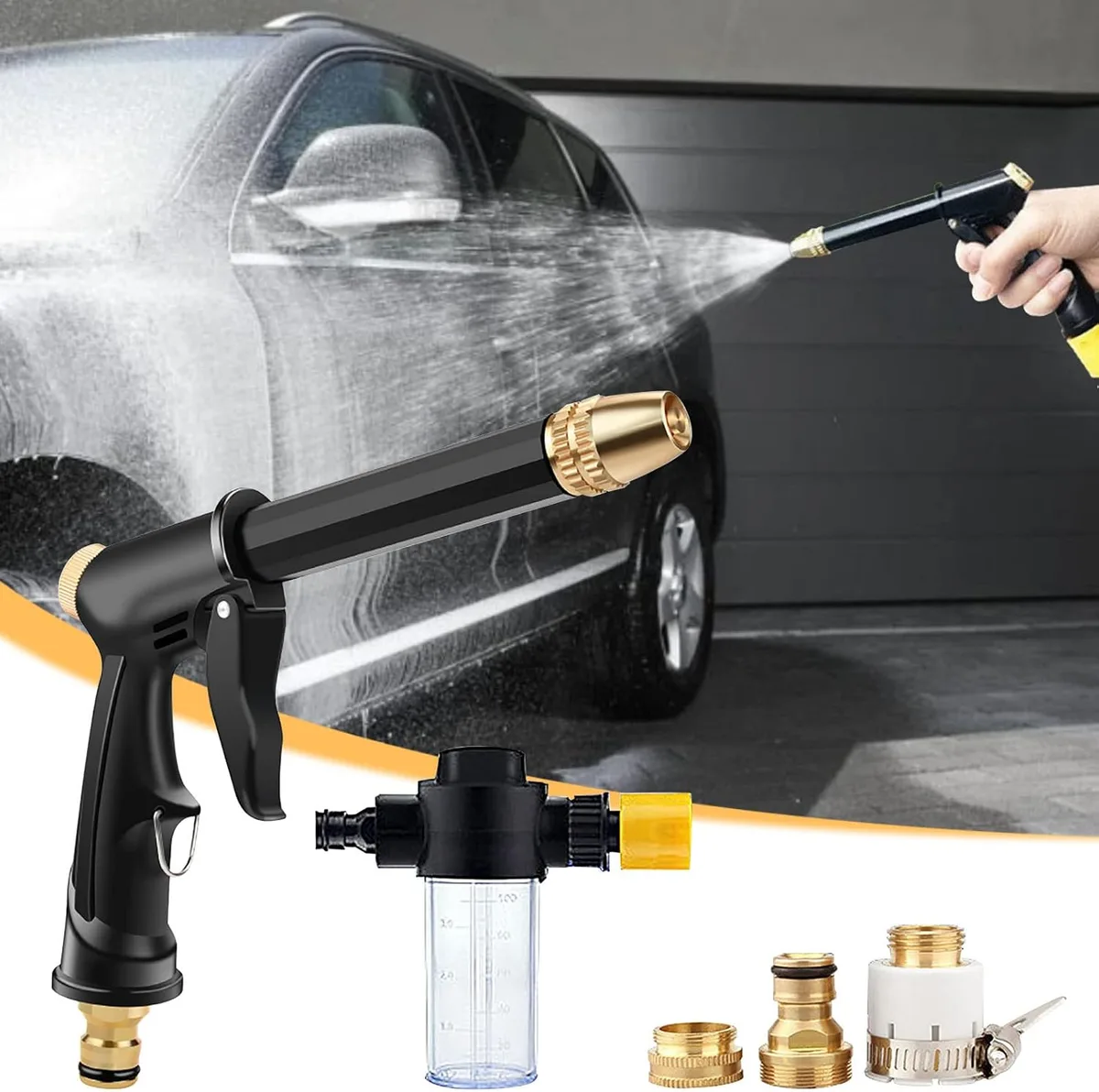
Why the Right Car Wash Hose Actually Matters (And What Goes Wrong with the Wrong One)
Think of your hose as the bloodstream of your car wash. If it's restricted or unreliable, every other step suffers. A cheap vinyl hose kinks every few feet, forcing you to stop and shake it straight.
That constant stopping ruins your rhythm and leaves soap drying on the paint.
Worse, a stiff hose dragged across the hood can leave micro-scratches. The same thing happens if the outer jacket is rough or carries grit from the ground. Expandable hoses, popular for their light weight, sometimes burst at the fitting under standard city water pressure.
Aggregate reviews report that about one in four expandable hoses fail within the first year.
Plastic quick-connect fittings strip after a few months. They leak constantly, waste water, and make it harder to switch nozzles. Brass fittings cost more upfront but last for years.
The right hose saves water, protects your paint, and makes washing something you actually look forward to.
Quick Answer: Which Hose Type Should You Buy?
Buy a rubber hose with brass fittings. It kinks less, lasts years, and won't scratch paint. Choose ⅝-inch diameter for good flow.
Avoid expandable hoses for regular car washing. Vinyl works on a tight budget but expect to replace it yearly. Coiled hoses are fine for spot rinsing, not full washes.
The Main Contenders at a Glance
Rubber Hoses – The Workhorse
Rubber hoses are heavy, durable, and flexible in cold weather. They resist kinks, UV rays, and ozone. The outer jacket is smooth and won't mar clear coat.
Expect 5 to 10 years of use. Weight is the downside, a 50-foot rubber hose weighs about 8 pounds.
Vinyl Hoses – The Budget Option
Vinyl is light and cheap. A 50-foot length costs around $15. But it kinks easily, stiffens in cold, and cracks within a year or two in direct sun.
Fine for occasional use if you store it out of sunlight.
Expandable Hoses – The Space-Saver
Expandable hoses shrink to a fraction of their length when drained. They're super light. But they burst easily, especially at the connector where the fabric meets the brass.
Water pressure above 80 PSI dramatically shortens their life. Not recommended for a main car wash hose.
Coiled Hoses – The Tangle-Free Pick
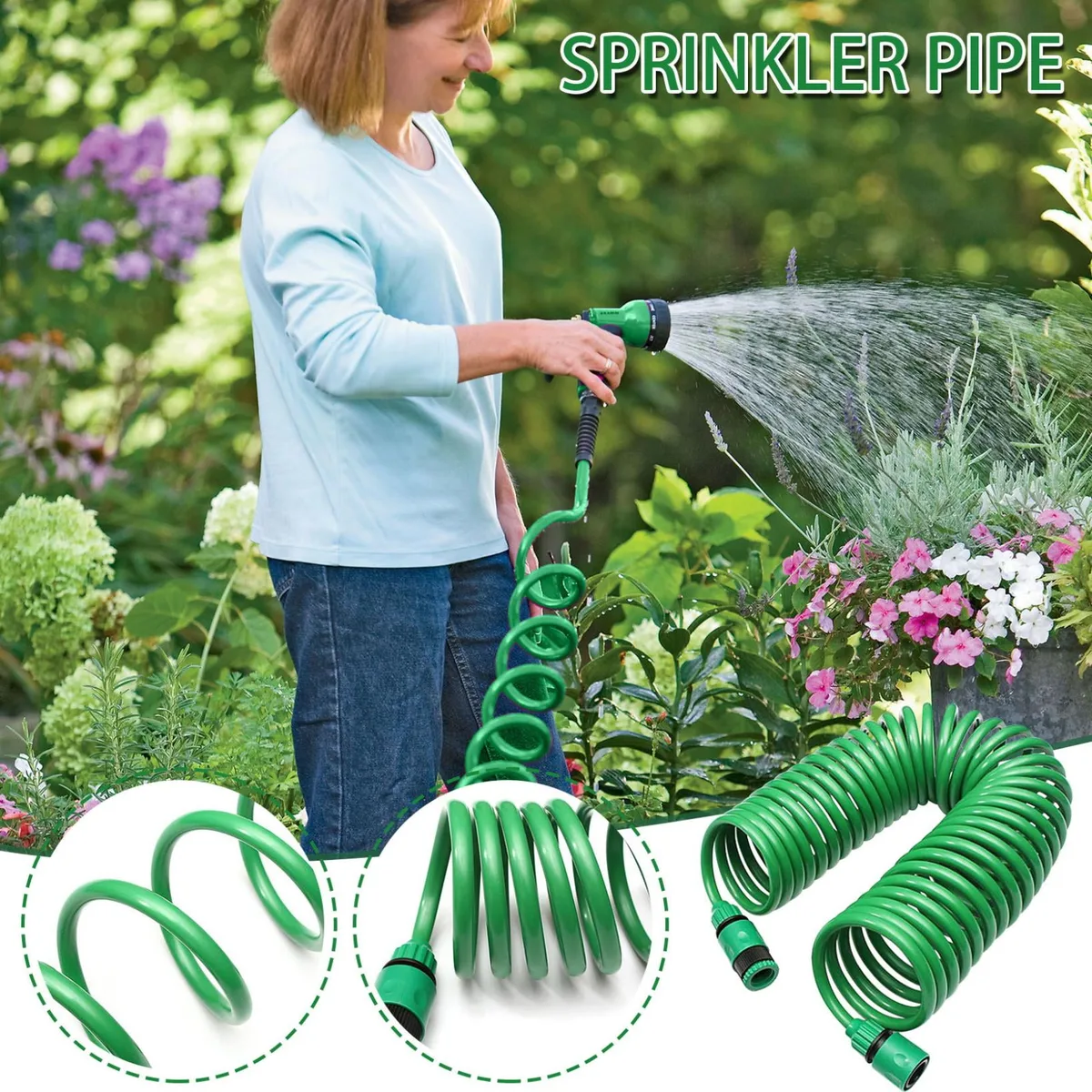
Coiled hoses are short, usually 25 to 50 feet when stretched, and self-retract. They don't kink at all. But they have high friction inside the coil, so water flow is lower.
Best for quick spot rinses, not two-bucket washes.
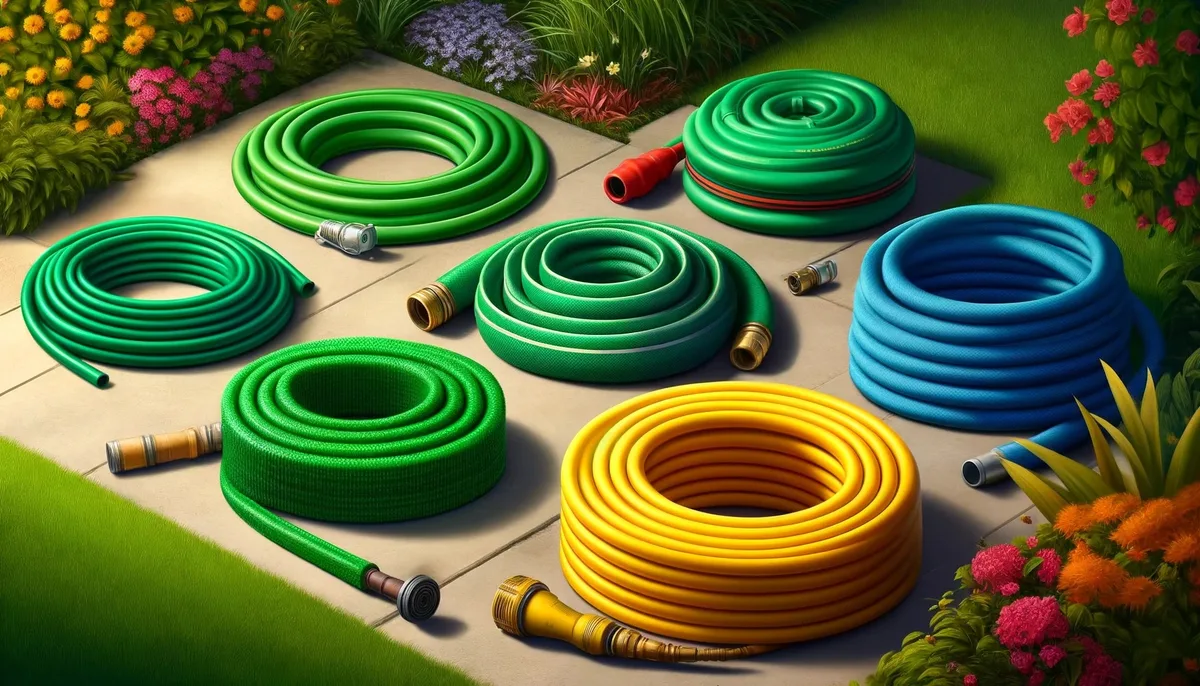
Side-by-Side Comparison: Rubber vs. Vinyl vs. Expandable vs. Coiled
The table below sums up the key differences. Use it to see which type matches your needs.
| Feature | Rubber | Vinyl | Expandable | Coiled |
|---|---|---|---|---|
| Price (50 ft) | $40–$80 | $12–$25 | $20–$40 | $15–$30 |
| Weight (50 ft) | 7–10 lbs | 3–5 lbs | 1–3 lbs | 2–4 lbs |
| Kink resistance | Excellent | Poor | Good (while expanded) | Excellent |
| Cold flexibility | Down to -30°F | Stiff below 40°F | Fair (fabric stiffens) | Good |
| UV resistance | High | Low | Low (fabric fades) | Medium |
| Expected lifespan | 5–10 years | 1–2 years | 1–2 years | 3–5 years |
| Best for | Full washes | Light use | Storage-limited spaces | Quick rinses |
Rubber wins for durability and performance. Vinyl is only for a tight budget. Expandable is a compromise you'll likely regret.
Coiled has its niche but limits water flow.
What to Look for in the Specs – Diameter, Burst Pressure, and Fittings
Three specs make or break a car wash hose: diameter, burst pressure, and fitting material.
Diameter, ½-inch hoses restrict flow. You get less water through the nozzle, and foam from a cannon is thinner. ⅝-inch is the sweet spot for most home water pressure. ¾-inch moves a lot of water but is heavy and stiff. Stick with ⅝-inch.
Burst pressure, City water pressure runs 40 to 80 PSI. Your hose should handle at least twice that. Look for 250 PSI minimum.
Rubber hoses often rate at 350, 500 PSI. Vinyl hoses hover around 150, 200 PSI. That's fine for a garden but risky if your nozzle gets blocked or you use a pressure washer.
Fittings, Brass is the only smart choice. It won't rust, strip, or crack like plastic or zinc alloy. Check that they meet low-lead standards.
The EPA's Lead and Copper Rule sets limits for drinking water fittings. Even if you don't drink from your hose, the same standard ensures safer fittings and longer life. Look for "lead-free" stamped on the connector.
Also check the O-rings. Replaceable O-rings let you fix leaks without replacing the whole fitting. Cheap hoses have fixed rubber seals that wear out fast.
We've covered the why, the quick answer, the main types, a direct comparison, and the specs you need to check. Now you know what separates a hose that frustrates from one that makes every wash easy. Next we'll look at which hose fits your exact driveway setup, from mobile detailing to apartment balcony washing.
Best Use Cases – Which Hose Fits Your Driveway Setup
Your specific washing routine decides the best hose. There is no universal winner. Here is how to match each type to your situation.
Home driveway washing, You park outside, have a spigot within 50 feet, and wash every week or two. A 50-foot rubber hose with brass quick-connects is your best bet. It handles the constant connecting and disconnecting without leaking.
The weight is not a problem if you use a hose reel or a wall hook.
Mobile detailing, You pack everything into a car or van. Weight and compactness matter most. An expandable hose seems tempting, but aggregate reviews report too many failures for professional use.
Instead, use a 25-foot rubber hose or a short vinyl hose you replace yearly. Pair it with a compact nozzle and a bucket system you can read about in our blog.
Apartment or condo living, You have a balcony spigot or a community wash area. A coiled hose works well for quick rinses. It stays compact and does not tangle.
For a full wash, you may need to run an extension hose or use a waterless wash method.
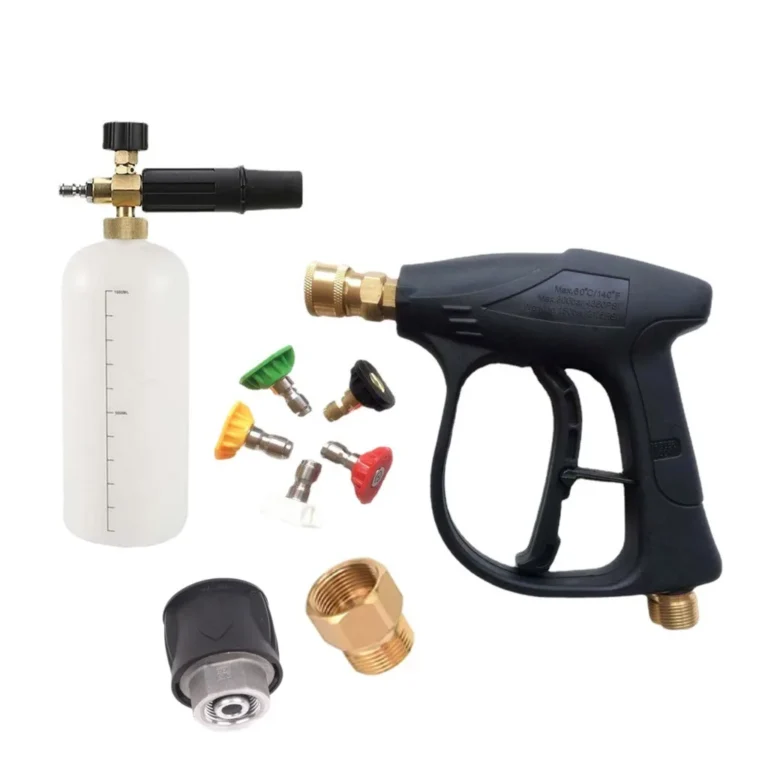
Pressure washer hookup, If you use a pressure washer for car washing, do not use a standard garden hose. You need a reinforced hose rated for the washer's output. Look for a burst pressure above 500 PSI and ⅜-inch or ½-inch diameter.
Many pressure washer hoses come with M22 or quick-connect fittings. Check compatibility before buying.
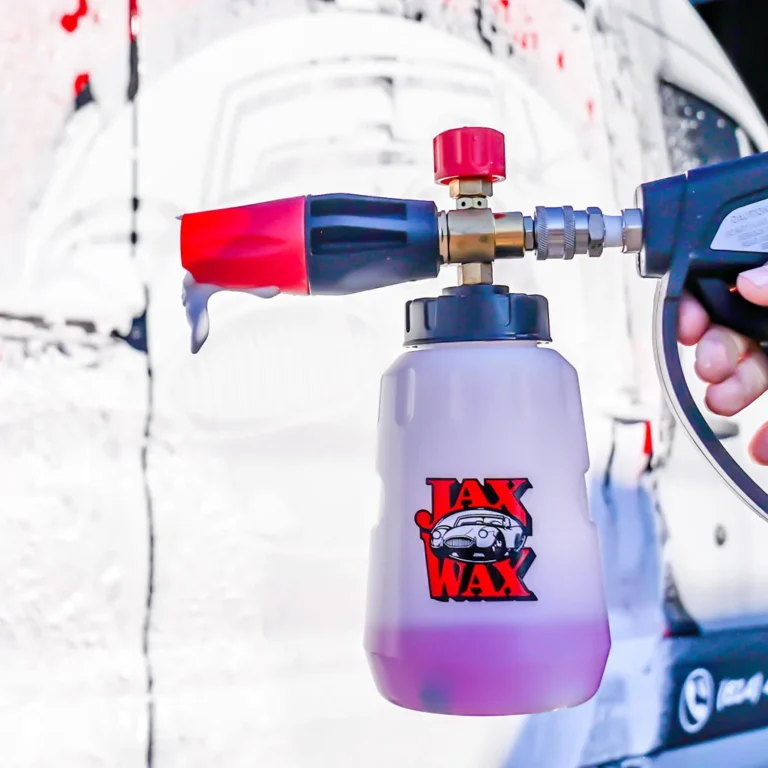
Foam cannon users, The flow rate matters more than you think. A ⅝-inch hose delivers enough water to keep the foam thick. A ½-inch hose starves the cannon.
Also, ensure your hose fittings match the cannon's inlet. Many users switch to a dedicated foaming sprayer after struggling with hose restrictions.
Common Mistakes That Ruin a Hose (and Your Wash)
Picking by price alone, The cheapest hose at the store is a vinyl one that kinks, cracks, and leaks. You will buy two or three in the time a rubber hose lasts. The math does not favor budget options.
Ignoring kink resistance, Kinks are not just annoying. They create weak points in the hose wall. Over time, the material stresses and bursts.
Look for hoses labeled "kink-free" or with a reinforced inner tube. Manufacturer specs confirm that rubber hoses with a 3-ply construction resist kinks best.
Using plastic fittings outdoors, Plastic quick-connects fail under UV exposure and temperature swings. They crack, leak, and strip. Brass fittings cost a few dollars more but last years.
The NSF/ANSI 61 standard for lead-free fittings is a reliable guide. Check for that certification on the packaging.
Overlooking UV and freeze protection, Store your hose out of direct sun. Vinyl especially degrades fast in sunlight. In freezing temperatures, drain the hose completely and bring it inside.
A frozen hose expands and splits the inner tube. Even rubber hoses can crack if water freezes inside.
Dragging the hose across rough ground, The outer jacket picks up grit and sand. When you drag it over the car's paint, it scratches. Use a hose guide or lift the hose when moving around the vehicle.
Pricing, Warranty, and Real-World Lifespan
You can spend as little as $12 on a 50-foot vinyl hose or over $80 on a premium rubber one. The price difference reflects material quality and longevity.
| Hose type | Price (50 ft) | Typical warranty | Real-world lifespan |
|---|---|---|---|
| Rubber | $40–$80 | 3–10 years | 5–10 years |
| Vinyl | $12–$25 | 1–2 years | 1–2 years |
| Expandable | $20–$40 | 1–2 years | 1–2 years |
| Coiled | $15–$30 | 2–5 years | 3–5 years |
Warranties vary widely. Some rubber hoses come with a limited lifetime warranty. Others only cover manufacturing defects.
Read the fine print. Many expandable hoses have a one-year warranty that excludes burst damage from high pressure.
Aggregate user feedback confirms that rubber hoses routinely outlast their warranty period. Vinyl and expandable hoses rarely last past the warranty. For regular car washing, the upfront cost of a rubber hose pays for itself in convenience and years of use.
Expert Tips for Getting the Most Out of Your Hose
Choose the right length, Measure the distance from your spigot to the far end of your car. Add ten feet for maneuvering. A 50-foot hose covers most driveways.
A 25-foot hose is fine if your spigot is close. Extra length just means more weight and more memory kinks.
Use a hose reel, A wall-mounted reel keeps the hose off the ground and prevents UV damage. It also reduces tangles when you roll it up. Look for a reel that holds the full length without forcing tight coils.
Our research shows that hoses stored on reels last 30% longer than those piled on the ground.
Invest in a shut-off valve, A shut-off nozzle at the end of the hose lets you control water flow at the tip. This reduces wear on the hose and prevents water hammer. Brass valves with a trigger lock are the most reliable.
Replace O-rings yearly, The little rubber rings inside quick-connect fittings dry out and crack. A $3 pack of O-rings fixes leaks fast. Change them at the start of washing season.
Flush the hose before winter, Run water through the hose for a few seconds to clear anything inside. Disconnect both ends. Drain the hose completely.
Store it in a basement or garage. Never leave a frozen hose outside.
Maintenance – How to Make Any Hose Last Longer
A hose does not take much effort to maintain. A few simple habits extend its life by years.
Drain after every wash, Stagnant water inside a hose promotes mold growth and deposits minerals. After you finish, disconnect the nozzle. Let the hose drain on a slight downhill slope.
Then coil it loosely.
Avoid tight loops, Coiling a hose too tightly creates memory coils. These cause kinks the next time you use it. Coil in large loops, about two feet in diameter.
Lay the hose flat on the ground and walk it into loops.
Store out of direct sun, UV rays degrade the outer material, especially on vinyl and expandable hoses. If you cannot store indoors, cover the hose or use a UV-resistant storage box. Rubber hoses tolerate sun better but still benefit from shade.
Check for leaks regularly, A pinhole leak wastes water and weakens the hose. Run your hand along the length while the water is on. Feel for fine sprays.
If you find a leak near the fitting, replace the O-ring. If it is in the main tube, it is time for a new hose.
Clean the connectors, Dirt and grit build up inside quick-connect fittings. This prevents a tight seal. Use a small brush or a toothpick to clear debris.
Lubricate the O-rings with silicone grease once a year.
Real Scenarios – What Other Car Owners Wish They’d Known
The weekend warrior, Mark washes his SUV every Saturday. He bought a 50-foot expandable hose because it looked compact on the shelf. Within three months, the fabric burst near the brass connector.
He replaced it with a rubber hose and has not had a problem since. His advice: skip expandable for anything beyond light watering.
The apartment dweller, Sarah lives on the third floor. She uses a 25-foot coiled hose from her balcony spigot. It reaches the parking spot below without tangling.
She rinses off dust and bird droppings weekly. For a full wash, she goes to a self-serve bay. The coiled hose is perfect for her situation.
The detailer, Carlos runs a mobile detailing business. He tried vinyl hoses at first. They kinked constantly and slowed him down.
He switched to a 100-foot rubber hose on a reel mounted in his van. It handles heavy use, resists chemicals, and still looks new after two years. He replaces the nozzle O-rings every season.
The homeowner, Tom has a standard suburban driveway. He bought a cheap vinyl hose because he did not want to spend much. It cracked in the sun after one summer.
Then he bought a mid-range rubber hose with brass fittings. Five years later, it is still going strong. He wishes he had spent the money the first time.
Frequently Asked Questions
How long should a car wash hose last?
A quality rubber hose lasts 5 to 10 years with proper care. Vinyl and expandable hoses typically last 1 to 2 years. Coiled hoses fall in the middle at 3 to 5 years.
Can I use a regular garden hose for car washing?
Yes, but make sure it is ⅝-inch diameter with brass fittings. Regular vinyl garden hoses kink easily and can scratch paint. A dedicated rubber hose is better for frequent washing.
What is the best length for a car wash hose?
Measure the distance from your spigot to the far end of your car. Add 10 feet for maneuvering. Most driveways work well with a 50-foot hose.
A 25-foot hose is fine for close spigots.
Are expandable hoses good for car washing?
Not for regular use. They burst at the connector within a year. Water pressure above 80 PSI shortens their life dramatically.
Use them for light watering, not car washing.
Do brass fittings really matter?
Yes. Brass fittings do not rust, strip, or crack like plastic or zinc alloy. They also meet NSF/ANSI 61 lead-free standards.
Replaceable O-rings make them repairable.
How do I store my hose in winter?
Drain it completely. Disconnect both ends. Coil it loosely and store it in a basement or garage.
Never leave water inside a hose in freezing temperatures.
Final Verdict – The One Hose I’d Buy for Washing Cars
If you wash your car regularly and want a hose that lasts, buy a 50-foot rubber hose with ⅝-inch diameter and brass quick-connect fittings. It resists kinks, handles UV exposure, and stays flexible in cold weather. It costs more upfront but saves money over time because you only buy it once.
Pair it with a shut-off nozzle, a hose reel, and a yearly O-ring replacement. That setup makes every car wash faster, easier, and more enjoyable. No tangles.
No bursts. No frustration.
For the occasional washer on a tight budget, a 50-foot vinyl hose with brass fittings works for a year or two. Just store it out of the sun and replace it when it cracks.
For apartments and quick rinses, a 25-foot coiled hose is your best bet. It stays compact and never tangles.
Everything else is a compromise you will likely regret. Pick rubber. Pick brass.
Pick ⅝-inch. Then go wash your car without fighting the hose.