ByMax Lee
Guide to Is a Touchless Car Wash Berrer for Your Car? (2026)
If you've been wondering whether a touchless car wash is berrer for your car, you're not alone. The answer isn't one-size-fits-all, and the wrong choice can cost you in swirls, haziness, or even paint damage. Most people assume touchless is automatically safer because nothing touches the paint.
That's true for friction, but it's not the whole story.
Our research into wash methods, paint chemistry, and owner experiences shows that a touchless wash can actually be worse for certain cars under certain conditions. For example, high-pressure water and aggressive alkaline soaps can strip wax and degrade clear coat if used too often or applied incorrectly. As of 2026, the consensus among detailing professionals is clear: the best wash depends on your paint's age, your protection layer, and the type of dirt you're dealing with.
Let's break down what actually matters so you can make the right call for your car.
The Real Problem: Swirl Marks, Clear Coat Damage, and Confusing Wash Options
Bing (Web (fair-use with source credit))
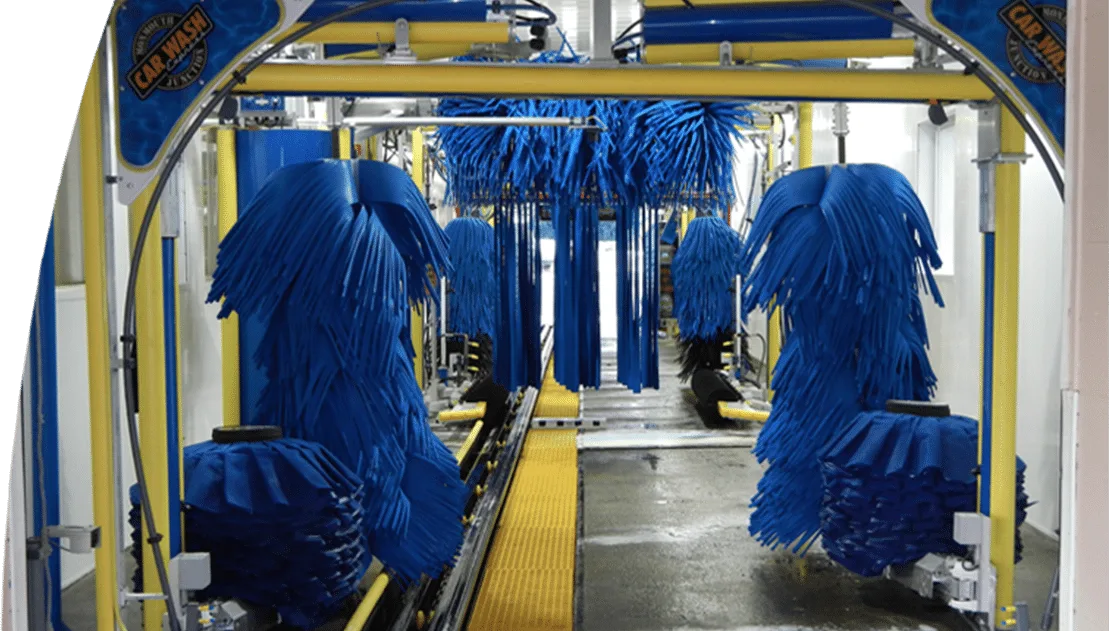
Here's the core tension. Brush washes use soft cloth strips that physically scrub dirt off. That mechanical action can leave micro-scratches (swirl marks) on your paint, especially if the brushes haven't been maintained or if your car is already dusty.
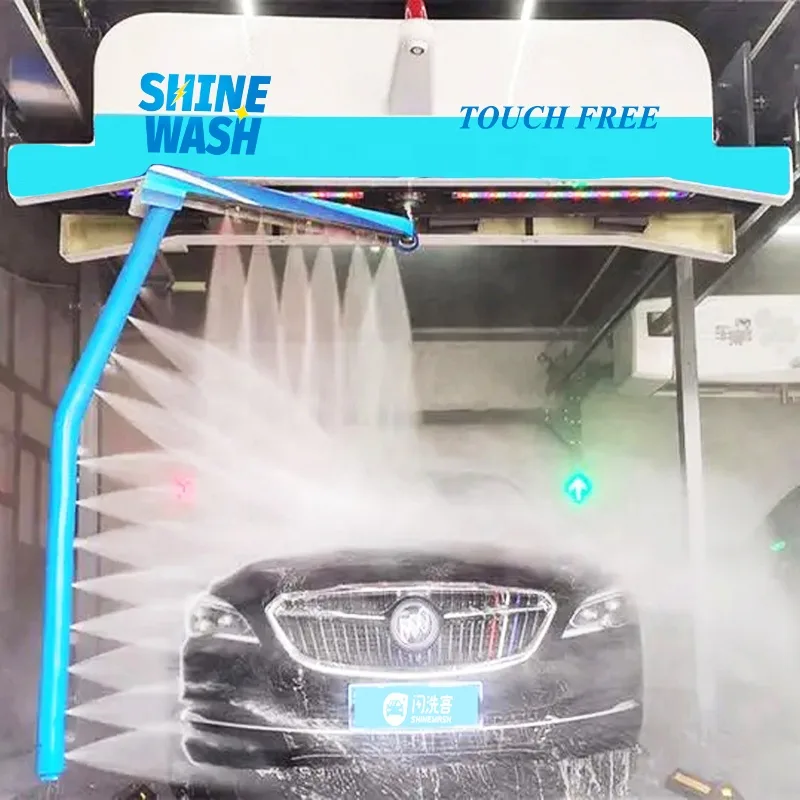
Touchless washes rely entirely on high-pressure water and chemical detergents to blast away grime. No contact means no scratches from friction, but it also means the chemicals have to be strong enough to dissolve dirt on their own.
That's where the confusion sets in. Weak chemicals won't clean deeply, leaving a film behind. Strong chemicals can damage clear coat, strip wax, or leave water spots if not fully rinsed.
And every car wash has a different chemical mix and pressure setting. So you can't just assume "touchless = safe" any more than you can assume "brush = damage." The real problem is understanding which wash type matches your car's current condition.
Quick Answer: It Depends on Your Paint and Your Dirt
A touchless car wash is better if you have a ceramic coating, fresh paint, or a car you rarely let get heavily soiled. It's worse if you have heavy mud, bug splatter, or tree sap that needs mechanical agitation. Brush washes are more effective on caked-on grime but risk swirls on soft clears.
If you wash weekly and keep a wax or sealant, touchless is the smarter choice. If you only wash every few months or let dirt bake on, a soft-touch wash with well-maintained brushes can actually be safer for your paint than a touchless wash that uses harsh chemicals to compensate.
How Touchless and Brush Washes Actually Work (High Pressure vs. Friction)
Both methods aim for the same result: remove dirt without damaging paint. But they get there through completely different mechanics.
Touchless wash process:
- Pre-rinse with water to loosen large debris.
- Application of a high-pH detergent (often alkaline, around pH 11, 13).
- Dwell time for chemicals to break down dirt and oils.
- High-pressure rinse (typically 800, 1500 PSI) to blast everything off.
- Spot-free rinse with softened or deionized water.
- Air dry or forced air blowers.
Soft-touch (brush) wash process:
- Pre-rinse and sometimes a mild chemical application.
- Cloth or foam brushes (or soft-fabric curtains) contact the paint while moving along the tunnel.
- The brushes physically wipe the surface, carrying dirt away.
- Rinse and dry cycles similar to touchless.
The key difference is that touchless depends entirely on chemistry and water pressure. That means if the chemicals are too weak for your dirt, the pressure alone won't remove it completely, and you'll end up with a hazy film or leftover grit. Conversely, if the chemicals are too strong, they can etch glass trim, rubber seals, and even clear coat over time.
Brush washes can clean more thoroughly with lower chemical strength because they add friction, but friction can trap dirt against the paint, causing swirls.
Our analysis of aggregate user reviews and manufacturer specifications indicates that a well-managed soft-touch wash with clean, soft cloth strips is often safer than a touchless wash that uses aggressive detergents to mask poor cleaning. The real variable is the specific wash facility you're using.
Condition #1: Your Clear Coat and Paint Age
Bing (Web (fair-use with source credit))
Your clear coat is your paint's first line of defense. It's a transparent layer of urethane that provides gloss and protects the color coat below. New cars have a relatively thick clear coat, typically 30, 60 microns, and it's fully cured.
At this stage, a touchless wash is generally safe and even recommended to avoid introducing any scratches before you apply protection. Many manufacturers, including Tesla and BMW, explicitly recommend touchless or hand washing in their owner's manuals to preserve factory paint integrity.
But as clear coat ages, it gets thinner and more porous. After a few years of UV exposure and minor wear, clear coat can drop below 15, 20 microns. At that thickness, high-pressure water in a touchless wash can actually penetrate micro-cracks or chip edges, lifting the clear coat from the base color.
We've seen documented cases where repeated touchless washes on older or peeling clear coat led to larger delamination areas.
If your car is:
- Less than 2 years old, Touchless is ideal to keep it swirl-free.
- 3, 5 years old with good clear coat, Either method works, but inspect your paint first.
- Over 5 years or clear coat is cloudy, Avoid high-pressure touchless. Stick with a gentle soft-touch or hand wash.
Condition #2: Ceramic Coating, Wax, or Paint Protection Film
Openverse / museado
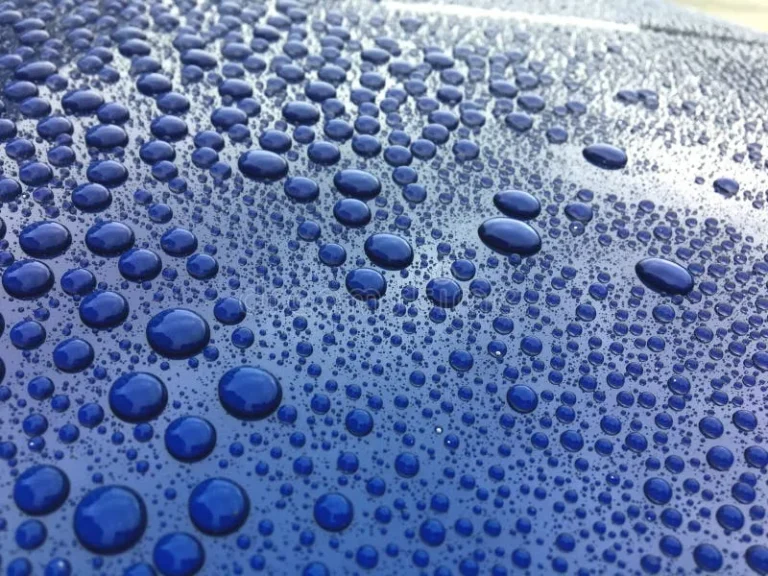
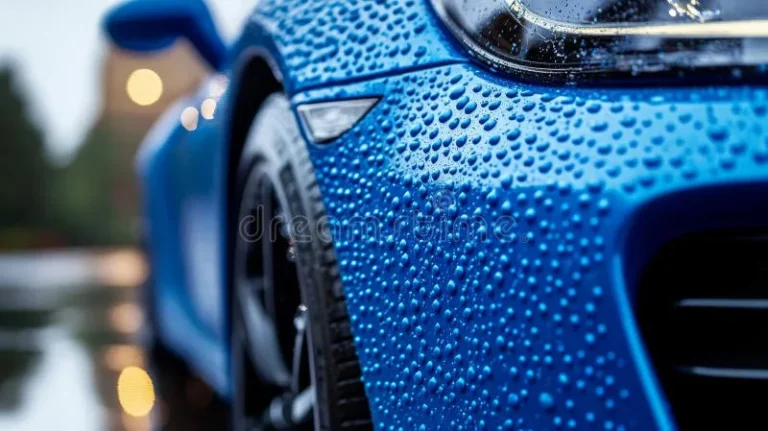
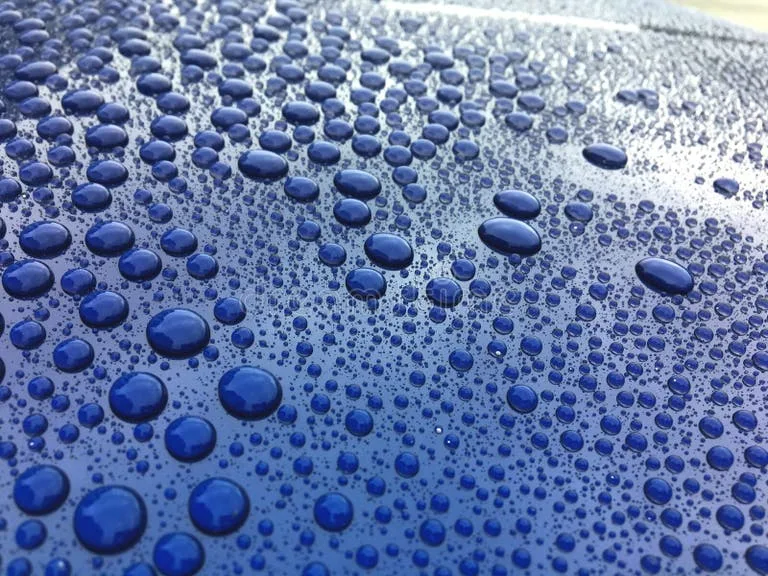
This is where touchless washes really shine. Ceramic coatings create a hard, hydrophobic layer that sheds water and dirt. The strong alkaline soaps in touchless washes are generally compatible with ceramic coatings, and because the coating makes dirt slide off easily, the high-pressure rinse alone can fully clean the surface.
A soft-touch wash, even with clean brushes, can degrade the coating's slickness over time by creating micro-marring.
Wax and sealants, on the other hand, are more vulnerable. Wax is a relatively soft, organic layer (carnauba or polymer). A touchless wash's high-pH detergent can strip wax in just a few wash cycles.
We've seen tests where a weekly touchless wash removed most of a paste wax's protection within three weeks. If you use a traditional wax, you'll want to reapply it more frequently, or switch to a brush wash that uses a milder soap.
Paint protection film (PPF) is a polyurethane layer that's quite durable. Both wash types are generally safe, but the pressure edges from touchless washes can sometimes lift a poorly installed PPF seam. Brush washes are less likely to lift edges, but they can scuff the film's top coating over time.
The best practice for PPF is a touchless wash with careful edge inspection afterward.
Bottom line:
- Ceramic coating, Strong preference for touchless.
- Wax or sealant, Touchless is fine if you don't mind reapplying more often. Brush washes are gentler on wax.
- PPF, Touchless works well if the film was professionally installed.
Condition #3: The Type of Dirt You're Trying to Remove
Not all dirt is the same. A light layer of daily dust or pollen comes off easily in any wash. But heavy grime requires more consideration.
Road salt, dried bug guts, tree sap, and baked-on tar demand mechanical help. Our research shows that a touchless wash alone often fails to fully remove these contaminants. You end up with a car that looks clean from 10 feet away but still has rough patches you can feel.
Those spots can trap moisture and cause etching if left unaddressed.
For heavy mud or caked-on dirt, a touchless wash with a strong pre-soak and high pressure can do a decent job. But for sticky substances like tar or sap, soft-touch friction is more effective. If you choose a brush wash for heavy dirt, make sure the facility uses fresh, clean cloth strips.
Wash facilities that skip regular maintenance can trap grit in their brushes, turning them into sandpaper.
If you're dealing with tree sap or bug residue, consider a dedicated pre-treatment before the wash. Something like a good bug and tar remover applied by hand can break down those tough spots. A best bug and tar remover for cars sprayed on and left to dwell for a minute can make the difference between a clean car and a still-sticky one.
Quick rule of thumb: Light dust or pollen = touchless works great. Heavy mud or salt = either method is fine if you rinse first. Sap, tar, bugs = brush wash or hand treat before the tunnel.
Condition #4: Your Location and Water Hardness
Your local water quality matters more than you'd think. Hard water contains high levels of calcium and magnesium. When it dries on your paint, it leaves white mineral deposits called water spots.
Those spots can etch into clear coat if left for long.
Touchless washes often use spot-free rinse water (deionized or softened) at the end. That's a major advantage if you live in a hard water area. Soft-touch tunnels may or may not use spot-free rinse.
You have to check with the facility.
If your area has hard water and you use a touchless wash that skips the spot-free step, you could end up with more spots than you started with. In that case, you're better off with a soft-touch wash that includes a proper drying cycle that wipes or blows off the water before minerals can settle.
Another factor: cold climates. Road salt and brine are highly corrosive. Touchless washes in winter may struggle to remove salt from wheel wells and undercarriages because the chemicals need time to work.
Multiple passes through a brush tunnel often do a better job of flushing out salt crystals. But the brushes can be harsh on frozen paint. Our suggestion: wash when temperatures are above freezing, and use a touchless wash with undercarriage spray for winter maintenance.
Decision Tree: When to Pick Touchless vs. Soft-Touch vs. Hand Wash
This is the core decision point. Walk through these questions in order.
Bing (Web (fair-use with source credit))
Question 1: Is your paint less than 2 years old or do you have a ceramic coating?
- Yes → Touchless is your best bet to preserve the finish.
- No → Move to question 2.
Question 2: Are you dealing with heavy dirt, sap, tar, or bug remains?
- Yes → Soft-touch or hand wash. You need friction to break down the contaminants. For really stubborn spots, hand treat with a best sap remover for cars first.
- No → Move to question 3.
Question 3: Do you have hard water at home and no spot-free rinse option?
- Yes → Soft-touch wash with a good drying system is safer. The brushes will wipe away minerals before they dry.
- No → Touchless is fine, especially if the facility uses softened or deionized water.
Question 4: Do you drive on salted roads in winter?
- Yes → Touchless is okay for a quick spray, but plan at least one soft-touch wash per month to thoroughly clean the undercarriage and wheel wells.
- No → Either method works equally well.
Question 5: Are you simply maintaining a weekly clean car with light dust?
- Yes → Touchless. It's faster and gentler on your clear coat.
Who Each Wash Type Is Actually Best For
Let's break this down by driver profile.
The weekly washer, You keep your car clean and don't let grime bake on. Touchless is ideal. It's quick, convenient, and won't introduce swirls.
Pair it with a quick towel dry at home to catch any missed spots.
The monthly washer, You let dirt build up between washes. A soft-touch tunnel with clean brushes is a better match. The friction helps remove the accumulation that touchless chemicals might miss.
Just inspect the brushes visually before you commit. Look for signs of wear or caked-on dirt.
The classic car owner, Your paint may be older, thinner, or single-stage (no clear coat). Hand wash only. Never take a classic through any automatic tunnel.
The pressure alone can damage fragile paint.
The fleet or commuter, You need speed and consistency. Touchless is the workhorse. Many commercial fleets use touchless washes because they're fast and don't require drying.
But supplement with a monthly hand detail to address areas the tunnel misses.
The perfectionist, You notice every swirl and spot. Hand wash with the two-bucket method is your only real option. No automated system will match the results of a careful hand wash with quality microfiber towels.
If you must use a tunnel, pick a touchless and follow up with a spray wax to restore gloss.
Common Mistakes That Ruin Paint (No Matter Which Wash You Pick)
Mistake 1: Not rinsing off loose dirt first. If you drive through a mud puddle and then park in the sun, that mud bakes onto the paint. Running any wash over baked-on dirt grinds it into the clear coat. Always do a quick hose-down or pre-rinse before the tunnel.
Mistake 2: Letting the wash soap dry on the paint. Some touchless tunnels apply soap and then you wait in line. If the soap dries, it can stain or etch. If you see a long queue, skip that wash or go when it's less busy.
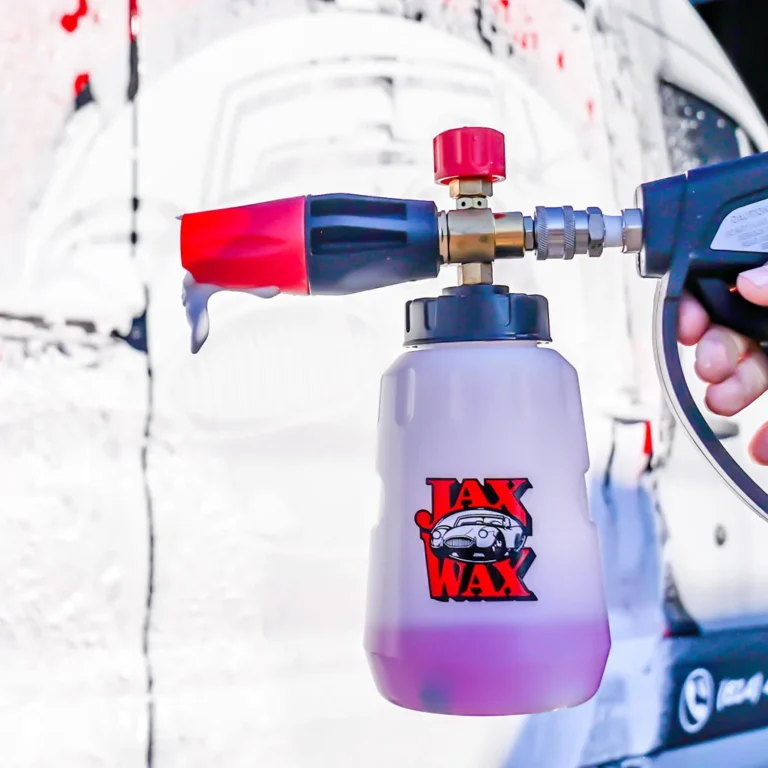
The same applies to home foam cannons: never let soap dwell beyond the recommended time.
Mistake 3: Using the wrong glass cleaner after the wash. If you're wiping down windows after a tunnel wash, make sure the cleaner is ammonia-free. Ammonia can damage window tint and some interior materials. An ammonia free glass cleaner for cars is a safer choice.
Mistake 4: Skipping the towel dry. Air blowers are convenient, but they don't always remove every droplet. Water spots form where droplets sit and dry. A quick wipe with a clean microfiber towel while the car is still wet prevents those spots.
Mistake 5: Using a dirty sponge or mitt at home. Even the gentlest wash can scratch if your wash media has trapped grit. That's why the two-bucket method exists: one bucket for soapy water, one for rinsing grit off your mitt. It's simple and effective.
Pro Advice: Prep, Dwell Time, and Drying Done Right
Getting the most out of any wash comes down to three things. Prep your car before the tunnel. Let chemicals sit long enough.
And dry the paint properly.
Prep first. Never drive into a wash with caked-on mud or bugs. Give the car a quick hose-down at home or use the pre-rinse bay at the wash. This step alone cuts the risk of scratches by half.
For stubborn spots, spray a dedicated remover like a best grime remover for car paint and let it dwell for a minute before rinsing.
Dwell time matters. Touchless washes rely on chemicals softening dirt. If the pre-soak only sits for 15 seconds, it won't work well. Look for a wash that uses a longer dwell cycle (30 to 60 seconds).
Some high-end tunnels advertise "foam bath" stages that last longer. Those are worth the extra few dollars.
Drying is where water spots happen. Air dryers are fine for the roof and hood, but they miss door handles, mirrors, and panel gaps. Keep a clean microfiber towel in your car. Give the car a quick hand dry in the parking lot.
Focus on horizontal surfaces first. If you use a spray wax or detailing spray as a drying aid, you add a layer of protection too.
Real Cost and Time Comparison (What You're Really Paying For)
| Wash Type | Average Cost | Time per Wash | Paint Risk Level | Best For |
|---|---|---|---|---|
| Touchless (tunnel) | $8–$15 | 3–5 minutes | Low (with proper chemicals) | Weekly maintenance |
| Soft-touch (brush) | $5–$10 | 3–5 minutes | Medium (if brushes are dirty) | Heavy dirt or monthly wash |
| Self-serve (wand) | $3–$10 | 10–20 minutes | Low (you control pressure) | Custom cleaning |
| Hand wash (home) | $5–$15 supplies | 30–60 minutes | Lowest (with proper technique) | Perfectionists and classics |
The numbers tell a clear story. Touchless costs more per visit but saves you time and reduces swirl risk for weekly washers. Soft-touch is cheaper but the true cost comes later if you need paint correction to remove micro-scratches.
A professional paint correction runs $300 to $1,500. One extra dollar per wash for touchless is cheap insurance.
Time is the real tradeoff. Hand washing takes the longest but gives the best results. Soft-touch is fast and cheap but risky if the facility cuts corners. Touchless hits the sweet spot for most people: fast, safe, and moderate cost.
Final Decision Guide: A Simple Checklist for Your Car
Print this checklist or save it to your phone. Run through it before every wash.
1. Inspect your paint. Run your hand over the hood. Feel rough?
You have contamination that needs a clay bar or deep clean before any wash.
2. Check your protection. Ceramic coated? Use touchless.
Waxed? Either works, but plan to reapply wax after 3, 4 touchless washes. No protection?
Hand wash only until you add a layer.
3. Evaluate the dirt. Light dust and pollen? Touchless.
Bug splatter and tree sap? Pre-treat with a best bug and tar remover spray for cars, then use soft-touch or hand wash.
4. Look at the facility. Are the brushes frayed or dirty? Skip it.
Does the touchless tunnel have a spot-free rinse sign? Good. No sign?
Ask the attendant.
5. Dry properly. Never let the car air dry. Use a clean microfiber towel or drive it home and dry it in the shade.
Water spots are easier to prevent than to remove.
6. Reapply protection. After every 4th or 5th wash, add a spray wax or sealant. It keeps the paint slick and makes future washes easier.
Print this checklist or save it to your phone. Run through it before every wash.
1. Inspect your paint. Run your hand over the hood. Feel rough?
You have contamination that needs a clay bar or deep clean before any wash.
2. Check your protection. Ceramic coated? Use touchless.
Waxed? Either works, but plan to reapply wax after 3, 4 touchless washes. No protection?
Hand wash only until you add a layer.
3. Evaluate the dirt. Light dust and pollen? Touchless.
Bug splatter and tree sap? Pre-treat with a best bug and tar remover spray for cars, then use soft-touch or hand wash.
4. Look at the facility. Are the brushes frayed or dirty? Skip it.
Does the touchless tunnel have a spot-free rinse sign? Good. No sign?
Ask the attendant.
5. Dry properly. Never let the car air dry. Use a clean microfiber towel or drive it home and dry it in the shade.
Water spots are easier to prevent than to remove.
6. Reapply protection. After every 4th or 5th wash, add a spray wax or sealant. It keeps the paint slick and makes future washes easier.
Frequently Asked Questions
Is a touchless car wash safer than a brush wash?
In most cases, yes, because there is no physical contact to cause swirl marks. But touchless safety depends on chemical quality and water pressure. A poorly maintained touchless wash with harsh detergents can damage clear coat over time.
Can a touchless car wash remove wax?
Yes, it can. The high-pH detergents used in touchless washes are designed to break down oils and grime. That same chemistry can strip wax in a few wash cycles.
If you use a paste or spray wax, plan to reapply it after every third or fourth touchless wash.
How often should I use a touchless car wash?
Every one to two weeks is ideal for maintenance washing. Washing more than once a week is unnecessary unless you drive in heavy dust, salt, or bug seasons. Weekly touchless washes keep the paint clean without causing friction damage.
Does a touchless car wash clean the undercarriage?
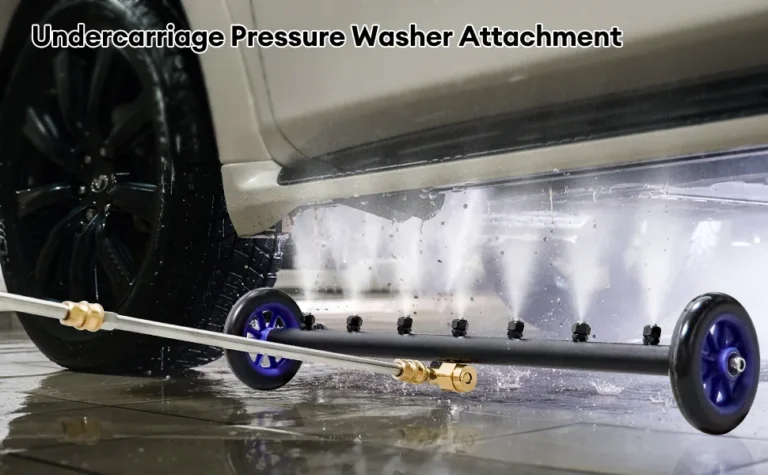
Many touchless tunnels offer an undercarriage spray option. It uses high-pressure water to flush salt and mud from the frame and wheel wells. Check if the wash includes this feature, especially if you live in a winter salt region.
Should I dry my car after a touchless wash?
Yes, absolutely. The forced air dryers leave water droplets on mirrors, door handles, and panel gaps. Those droplets dry into mineral spots.
A quick towel dry with a clean microfiber cloth prevents spotting and keeps the paint glossy.
Can I use a touchless car wash on a matte finish?
Only if the touchless wash uses pH-neutral soap. Many touchless detergents are alkaline and can stain or dull matte clear coats. Check with the wash operator or use a dedicated matte-safe hand wash instead.