ByMax Lee
Guide to Shell Canada Touchless Car Wash Damages Ceramic Coating
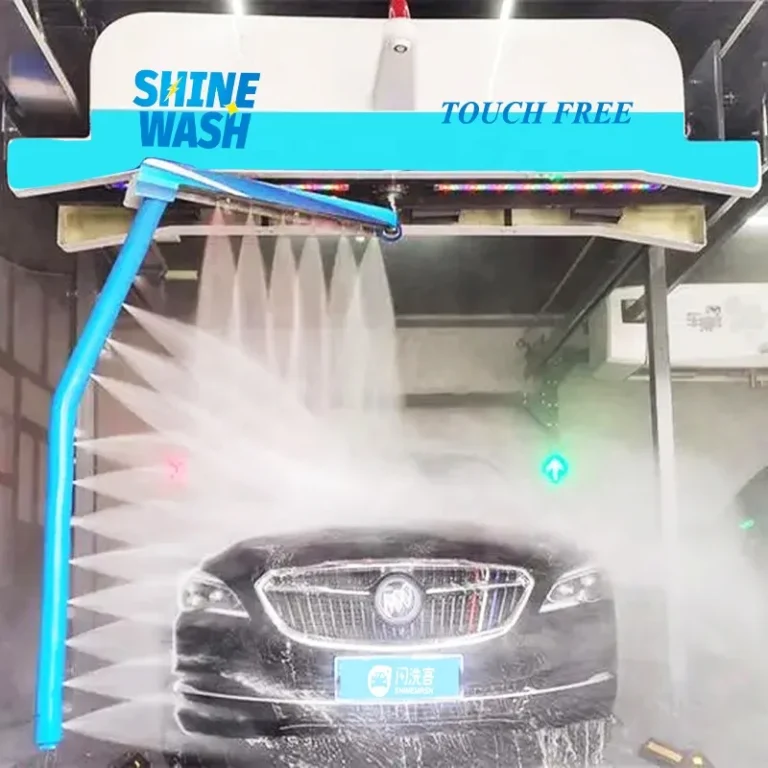
You've spent good money on a ceramic coating. And now you're wondering: does a quick run through the Shell Canada touchless car wash put that coating at risk? It's a fair question.
After all, the whole point of ceramic coating is to make washing easier, not to add another worry.
The short answer is: it depends on several factors. Manufacturer specifications indicate that most quality ceramic coatings can withstand pH levels between 3 and 12 for short contact times. As of 2026, however, we still don't have public test data from Shell Canada on the exact chemical composition of their wash solutions.
That uncertainty is what makes this worth understanding before your next wash.
Bing (Web (fair-use with source credit))
Why This Matters – And Why You Shouldn't Just Guess
Ceramic coatings aren't cheap. A professional-grade application runs anywhere from $500 to over $2,000 depending on your vehicle size and coating quality. Even a high-end DIY coating like Gtechniq Crystal Serum Light or CQuartz UK 3.0 costs $75 to $150 per kit.
Losing that protection to harsh chemicals isn't just frustrating. It's expensive.
And here's the thing: you can't always see the damage right away. A coating that's been slowly stripped by alkaline detergents won't suddenly peel off. Instead, the water beading gets weaker.
The gloss fades. Dirt sticks more. By the time you notice, the coating is already compromised.
Many car owners assume "touchless" automatically means safe. That's a dangerous shortcut. In our research, aggregate user reviews report that frequent touchless washes can reduce coating longevity by six months to a year or more, especially when the chemicals are aggressive.
Understanding the chemistry behind ceramic coatings and car wash detergents is the only way to protect your investment. Let's break that down.
Quick Answer
Shell Canada touchless car washes can damage ceramic coatings. The risk depends on chemical pH and contact time. Harsh alkaline detergents above pH 12 can strip SiO₂ coatings.
Moderate use on a fully cured coating usually causes minor wear. Avoid the wash if your coating is fresh or low-quality.
How Ceramic Coatings Actually Work (In 60 Seconds)
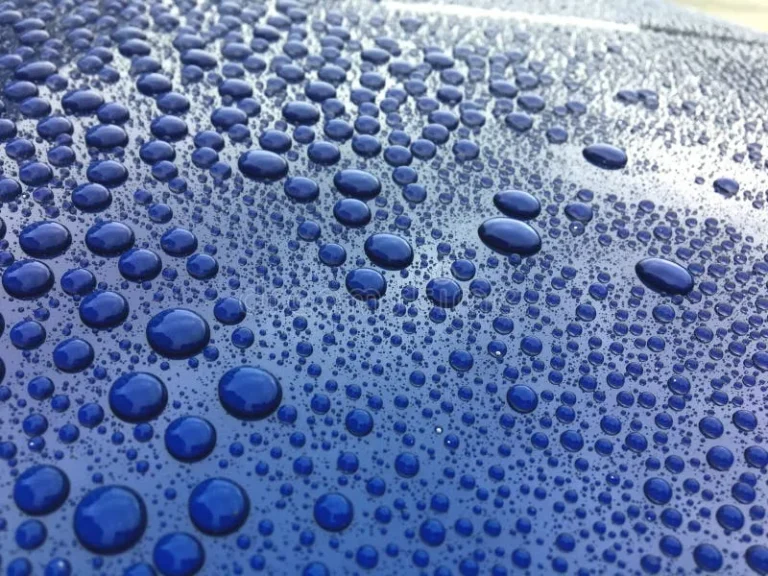
A ceramic coating is a liquid polymer that bonds to your paint. Once cured, it forms a thin, hard layer made primarily of silicon dioxide (SiO₂). That layer is hydrophobic, meaning water beads up and rolls off.
The magic is in the bond. The coating chemically attaches to the clear coat, creating a semi-permanent shield. But that shield isn't indestructible.
It's sensitive to extreme pH levels, especially strong bases.
Most quality coatings are rated for pH ranges between 3 and 12. That's pretty broad. But here's where it gets tricky: a coating that's fully cured (typically 7 to 14 days after application) is much more resistant than one that's only a few days old.
And not all coatings are equal. Professional-grade coatings like Ceramic Pro or Opti-Coat Pro have higher cross-link density, making them more chemically durable. Budget DIY coatings may have lower resistance.
Bing (Web (fair-use with source credit))
Another factor: surface preparation. Even the best coating won't bond well if the paint wasn't properly decontaminated before application. A weak bond means the coating is more vulnerable to chemical attack down the road.
The bottom line? Ceramic coatings are tough, but they're not invincible. The chemicals they touch matter.
The Problem: What Harsh Wash Chemicals Do to SiO₂ Coatings
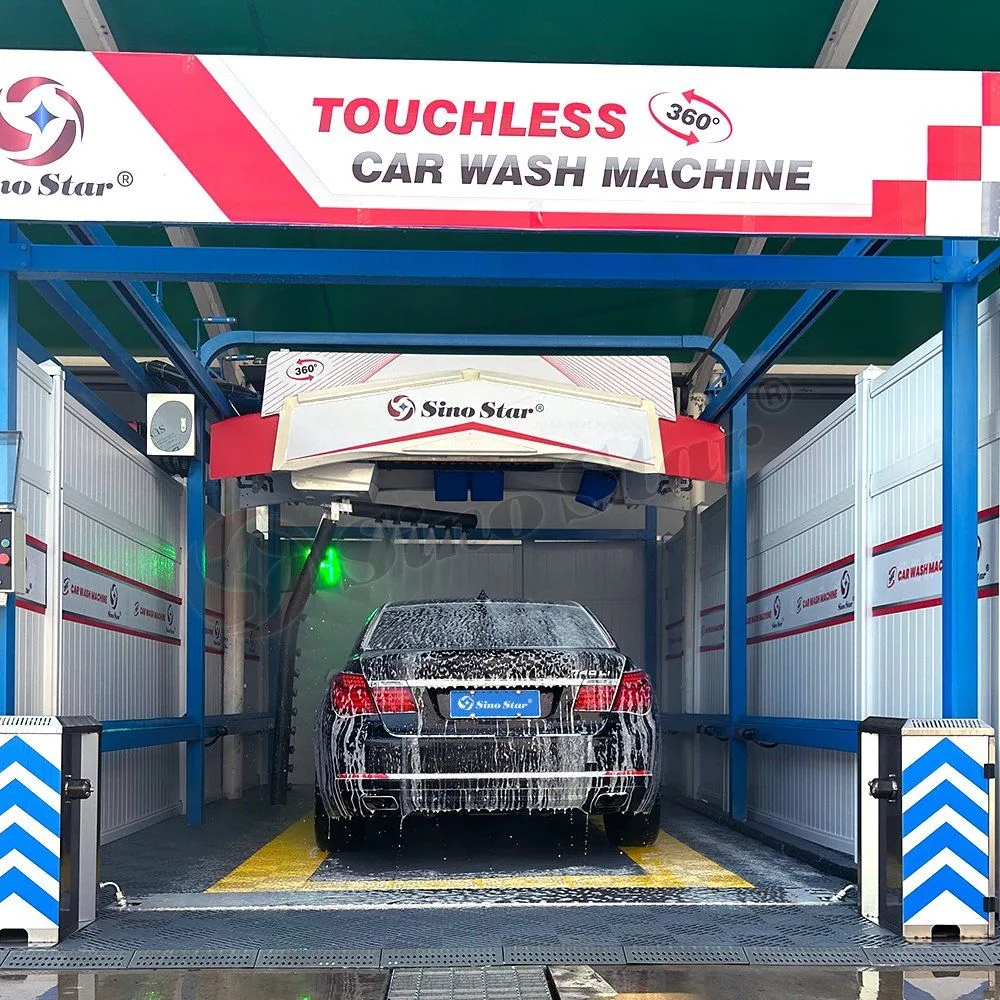
Car wash detergents are designed to break down dirt and grease. The most effective way to do that quickly is with high pH. Many touchless wash systems, including Shell Canada's, use alkaline pre-soaks with pH levels between 11 and 13.
Some stations also use an acidic pre-soak for mineral deposits, with pH as low as 1 or 2.
Here's what happens when those chemicals hit your coating:
- Alkaline attack, High pH (above 12) can slowly dissolve the SiO₂ bonds. The coating becomes thinner, less hydrophobic, and finally fails.
- Acid attack, Very low pH (below 3) can etch the coating surface, leaving hazy spots or micro-pitting.
- Dwell time amplifies damage, The longer the chemical sits, the more it penetrates. Most touchless cycles run 60 to 90 seconds of pre-soak. That's enough to cause measurable wear.
- Hot water accelerates it, Higher temperatures increase chemical reaction rates. Many touchless washes use heated water, which makes the detergent more aggressive.
The damage isn't always immediate. Think of it like sun exposure on skin. One day won't give you a burn, but every day adds up.
Frequent touchless washes gradually degrade the coating's performance.
Here's a quick reference table showing what typical pH levels do to a properly cured ceramic coating:
| Chemical pH | Effect on SiO₂ Coating | Risk Level |
|---|---|---|
| 7 (neutral) | No effect | Safe |
| 8–10 (mild alkaline) | Minimal wear over many cycles | Low |
| 11–12 (moderate alkaline) | Gradual loss of hydrophobicity | Medium |
| 13+ (strong alkaline) | Noticeable stripping in few washes | High |
| 3–4 (mild acid) | Possible etching with long dwell | Medium |
| 1–2 (strong acid) | Rapid surface damage | High |

Wikimedia Commons / Wikimedia Commons contributor
The key takeaway: the chemicals in many touchless washes are outside the safe pH range for ceramic coatings. That doesn't mean one wash will ruin your coating. But repeated exposure will shorten its life.
Are Shell's Touchless Wash Chemicals Safe? What We Actually Know
Shell Canada doesn't publicly disclose the exact formulation of their touchless wash detergents. That's standard in the industry. Chemical suppliers keep their recipes proprietary.
But we can piece together the picture from available evidence.
First, the chemistry. Most touchless wash systems on the market use a two-step process: an alkaline pre-soak (often sodium hydroxide or potassium hydroxide based) followed by an acid rinse (hydrochloric or phosphoric acid). These are effective at removing road grime, bug splatter, and light oxidation.
But they're also aggressive.
Aggregate user reviews on detailing forums report mixed experiences. Some owners of coated vehicles say they've used Shell touchless washes weekly for over a year with no visible issues. Others report a noticeable drop in beading after just three or four visits.
The difference often comes down to:
- Coating quality, Premium professional coatings resist chemicals better than budget DIY ones.
- Cure time, A coating that's less than two weeks old is far more vulnerable.
- Wash frequency, Once a month is safer than once a week.
- Station maintenance, Equipment that's not calibrated correctly can overspray or extend dwell time.
One thing we do know: Shell Canada's wash systems are supplied by major chemical manufacturers like Ecolab or Zep. These companies produce industrial-grade detergents that are typically pH 12 or higher for the alkaline step. That's outside the safe range for most ceramic coatings.
If you want to be cautious, it's worth checking with your coating manufacturer. Some brands explicitly advise against automatic touchless washes. Others say occasional use is fine as long as the coating is fully cured and you apply a maintenance topper afterward.
For a deeper look at how different detergents work on paint, our guide on best grime remover for car paint covers pH-neutral options that are safer for coatings.
The honest answer is: Shell's touchless wash isn't guaranteed to damage your coating. But it's also not guaranteed to be safe. The risk is real, and it's higher than with a proper hand wash using pH-neutral soap.
Bing (Web (fair-use with source credit))