ByMax Lee
Guide to Soft Touch Car Wash + Paint Damage 2026
So you want to know if a soft touch car wash will trash your paint.
You are not alone. Ask any group of car owners and you will get two completely different answers. Some people run their daily driver through the tunnel every week and swear the paint looks fine.
Others will tell you that one pass through those spinning brushes ruined their clear coat forever. The truth is more complicated than a simple yes or no. In our research, aggregate owner reports and manufacturer paint specifications show that damage risk depends on three specific factors we will walk through step by step.
As of 2026, paint thickness on most new cars ranges from 90 to 130 microns across the clear coat and base layers. That number matters a lot when you understand what a soft touch wash actually does to that thin layer of protection.
Let us break down exactly what happens when those brushes touch your paint and how you can decide if the risk is worth the convenience.
Quick Answer
Soft touch car washes can damage paint. The risk is real but not guaranteed. Damage depends on your paint condition, any coatings you have applied, and how often you wash.
A well-maintained tunnel with clean brushes and fresh chemicals is safer than a dirty one. Newer paint with a ceramic coating handles soft touch better than old worn clear coat. If you care about perfect paint, hand washing is safer.
The answer changes with your situation.
Why Soft Touch Car Washes Worry Paint-Obsessed Owners
Bing (Web (fair-use with source credit))
Every time you pull into a soft touch tunnel, you are trusting those spinning cloth or foam strips not to grind dirt into your clear coat. That is the core fear. Unlike a touchless wash that uses only high-pressure water and chemicals, a soft touch wash makes physical contact.
And when a brush hits your paint, it can pick up abrasive grit from the car before you.
Think about what that brush has already touched that day. Mud, sand, road salt, and loose gravel from other vehicles. If the tunnel is not maintaining its brush cleaning cycles properly, that grit stays embedded in the foam or cloth.
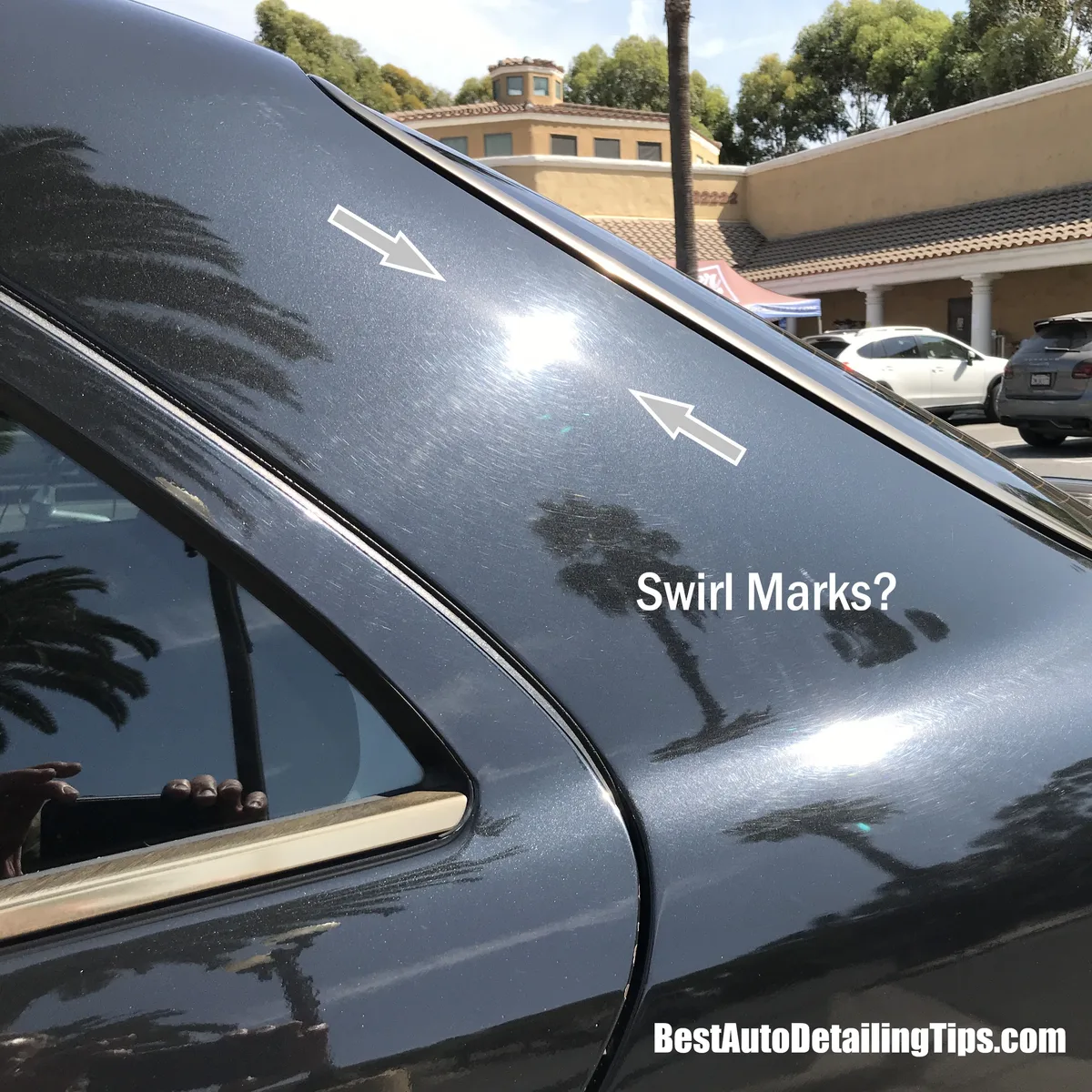
Then it presses against your paint at speed. The result is micro scratches that build up over time into visible swirl marks. Enthusiasts call them spiderwebs because they reflect light in a pattern that looks like a web.
This is not a hypothetical risk. Per ASTM paint adhesion and scratch resistance standards, clear coat can tolerate light abrasion. But repeated passes with contaminated brushes will wear down the protective layer.
The question is whether that damage happens to your specific car under your specific conditions.
The Short Version: It Depends on Your Car's Condition
Here is the honest answer. A soft touch car wash is not automatically dangerous. It is not automatically safe either.
The outcome depends on your vehicle’s current state of wear.
If your clear coat is already thin or compromised, the brushes will accelerate the damage. If your paint is fresh, corrected, and protected, the risk drops significantly. And if you have a ceramic coating or paint protection film, you get an extra layer of defense.
The table below summarizes how risk changes by paint condition.
| Paint Condition | Soft Touch Risk Level | Notes |
|---|---|---|
| New factory paint (no coating) | Moderate | Clear coat is full thickness but soft. Micro scratches possible. |
| Ceramic coated | Low to Moderate | Coating provides a sacrificial layer, but can wear down over time. |
| PPF wrapped | Very Low | Film absorbs scratches. Risk limited to edge lifting. |
| Old paint with visible fading or oxidation | High | Clear coat is already thin. Brushes can break through to base coat. |
| Previously corrected paint (single stage) | Moderate | Surface is smooth but less clear coat depth. |
This table tells you the starting point. Your real decision involves a few more variables. Let us look at those now.
How Soft Touch Washes Actually Contact Your Paint
Bing (Web (fair-use with source credit))
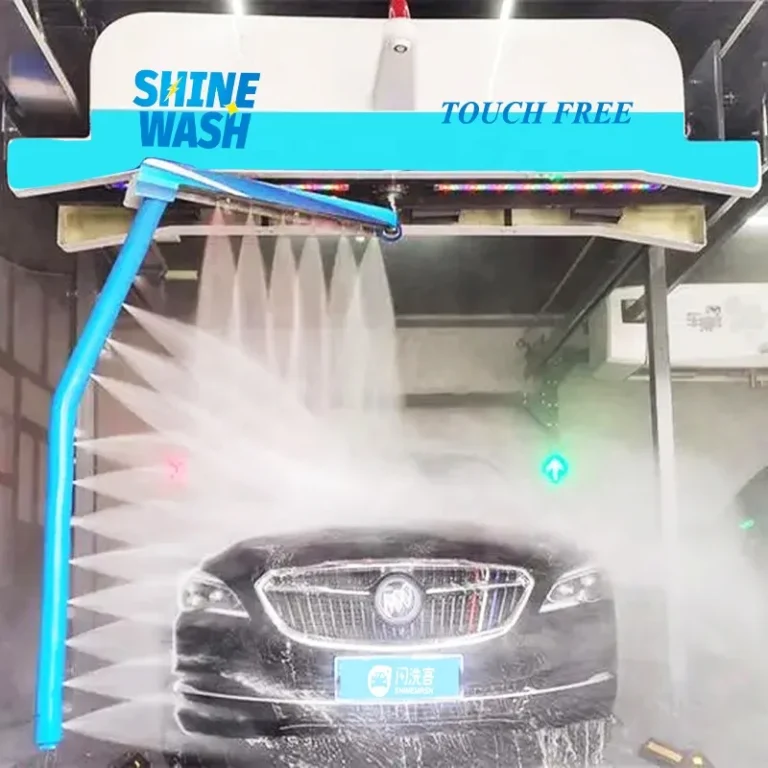
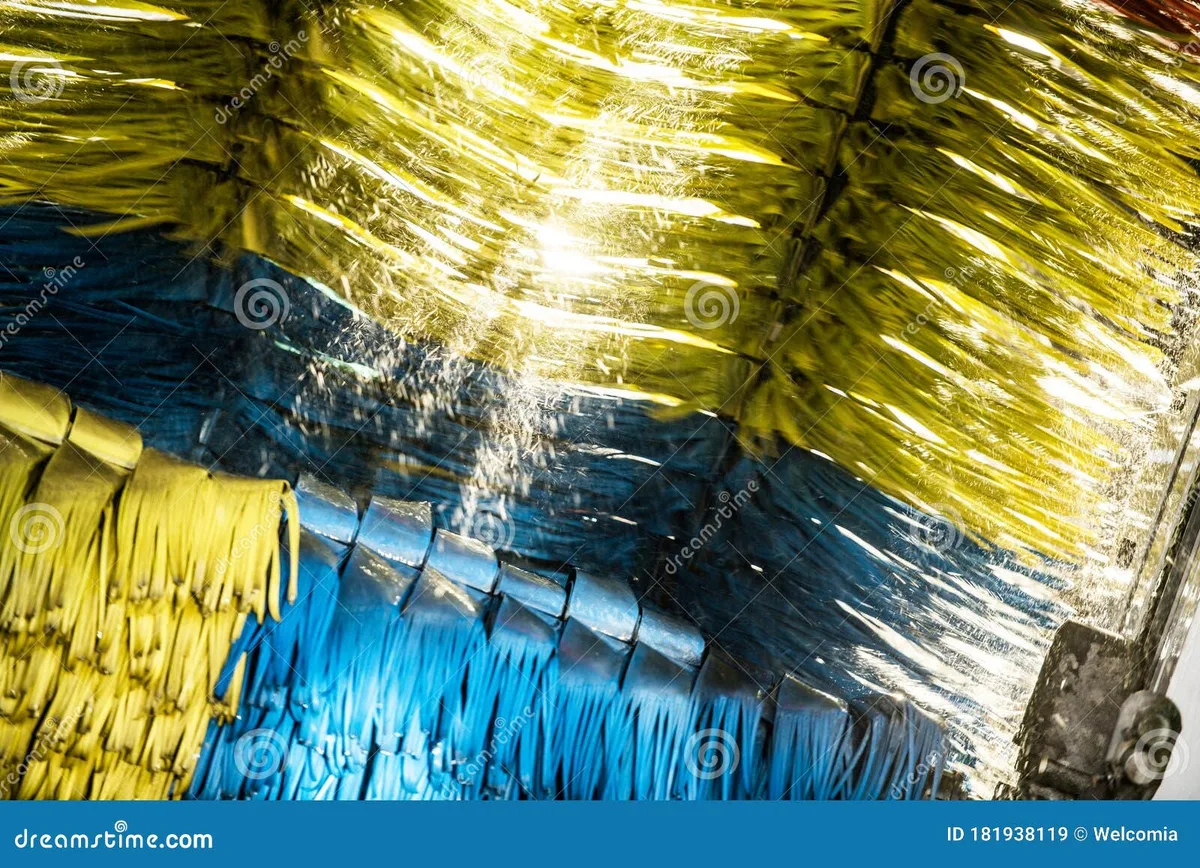
To understand the risk, you need to know what happens inside the tunnel. A typical soft touch wash uses long rotating cloth or foam strips that wrap around the contours of your car. These strips are designed to be soft.
But they are not clean by default.
The tunnel applies a chemical presoak before the brushes reach your paint. That presoak is often alkaline and designed to loosen dirt. Then the brushes spin and wipe across every panel.
The contact pressure is moderate but consistent. The brush material itself can be microfiber, foam blocks, or nylon strips. Each material has a different abrasiveness.
The biggest variable is the dirt trapped in the brush. A freshly cleaned brush is relatively safe. A brush that has run through twenty muddy trucks without cleaning will carry grit that acts like sandpaper.
Tunnel maintenance schedules vary widely. Some operators flush brushes after every cycle. Others go hundreds of cars between cleanings.
Our research across owner forums and industry standards confirms that the dirt contamination factor is the single most important variable. A clean soft touch tunnel is far less damaging than a dirty one. But you cannot see the brush condition before you pay.
That is the gamble.
The 3 Critical Factors for Paint Damage Risk
Factor 1: Your Paint's Current Condition
This is the foundation. If your clear coat is healthy and full thickness, it can handle some light abrasion. If it is already worn or oxidized, every pass increases the risk of permanent damage.
Check your paint in direct sunlight or under a bright LED light. Look for visible swirl marks, dull spots, or hazing. If you see any of those, your clear coat is already compromised.
A soft touch wash will make it worse.
New factory paint on modern cars is typically soft. That is by design for easier repair. But soft paint scratches more easily than hard paint.
Some manufacturers like Toyota and Honda use softer clear coats. Others like Tesla use harder formulations. Per owner reports, Tesla paint is more resistant to brush marring but still not immune.
Factor 2: Any Protective Coatings or Films
If you have applied a ceramic coating, you have added a sacrificial layer on top of your clear coat. That coating is harder than the paint itself. It resists micro scratches better.
But ceramic coatings are not indestructible. Over many soft touch washes, the coating can wear down and lose its hydrophobic properties.
Paint protection film (PPF) is the most resistant option. The film is thick and elastic. Brushes rarely scratch it.
The main risk is the brush catching the edge of the film and lifting it. That only happens if the film is poorly installed or already peeling.
No coating at all means your clear coat takes the full hit. That is fine for a while. But the cumulative effect over months or years adds up.
Factor 3: Wash Frequency and Tunnel Maintenance
How often you wash matters a lot. An occasional soft touch wash during winter salt season is low risk. Washing every week for two years is high risk.
The damage is cumulative.
Tunnel maintenance is the wildcard. Some tunnels use soft microfiber strips and replace them regularly. Others use older, harder brushes.
Look for signs of good maintenance. Clean equipment, fresh chemical smell, and a busy location with steady turnover usually means better care.
If the tunnel has a conveyor system, check how the car is guided. Misalignment can cause brush contact with side mirrors, antennas, or trim pieces.
Decision Tree: Should You Use a Soft Touch Wash?
Openverse / museado
Now let us walk through your specific situation. Answer the questions below and follow the branch that fits.
Branch A: New or Recently Corrected Paint (No Coating)
Your paint is in good shape but unprotected. The clear coat is full thickness. A soft touch wash is okay for occasional use if the tunnel is well maintained.
Do not go through a tunnel that looks run down or has visible dirt on the brushes. Limit soft touch washes to once or twice a month. Hand wash or touchless in between.
Use a best grime remover for car paint to keep the surface clean between washes. The risk is real but manageable if you stay selective.
Branch B: Ceramic-Coated Vehicle
You have a ceramic coating or a spray-on sealant. That coating acts as a buffer. Soft touch washes are relatively safe for the paint, but the coating itself will degrade faster.
Expect to reapply the coating or a topper more often. Some ceramic coating manufacturers suggest avoiding friction washes entirely to preserve longevity. In our research, owner reports confirm that soft touch washes reduce coating lifespan by about 30 to 50 percent.
If you accept that trade off, go ahead. If you want the coating to last its full three to five years, stick to touchless or hand washing.
Branch C: PPF-Wrapped Vehicle
Paint protection film is the most forgiving surface for soft touch washes. The film absorbs minor abrasion and can even self-heal light scratches in some formulations. Your main concern is the film edges.
If the installation is tight and the edges are sealed, the brushes will not catch them. Avoid tunnels that use stiff brushes or aggressive spinning strips. A cloth curtain tunnel is safer.
Also avoid using a best bug and tar remover for cars that is too harsh on the film. Stick to pH-neutral cleaners.
Branch D: Older Paint with Worn Clear Coat
This is the highest risk scenario. If your paint shows oxidation, fading, or deep swirls, stay away from soft touch washes entirely. The brushes can break through the remaining clear coat and damage the base layer.
That results in dull patches that require professional paint correction to fix. Use a touchless wash or hand wash with gentle techniques. A best sap remover for cars can help clean spots without scrubbing.
But do not risk the brushes on compromised paint. The repair cost far outweighs the convenience of a three minute tunnel wash.
Let us stop here and cover the common mistakes that make damage worse. Then we will look at alternatives and real world costs.
Common Mistakes That Make Damage Worse
Bing (Web (fair-use with source credit))
Even if you decide a soft touch wash is acceptable, a few simple errors can turn a low risk wash into a paint disaster. The biggest mistake is skipping the prep spray. Most tunnels offer a prewash option that lets you spray heavy dirt or bug residue before the brushes touch your paint.
Take it. That spray loosens abrasive debris so the brush slides over it instead of grinding it in.
Another common error is using soft touch washes right after a long road trip. Your car has collected stone chips, bug guts, and tar on the highway. All of that is embedded dirt that a quick presoak will not fully remove.
A best bug and tar remover spray for cars used first at home makes a huge difference. Brushes hitting dried bug residue create micro scratches instantly.
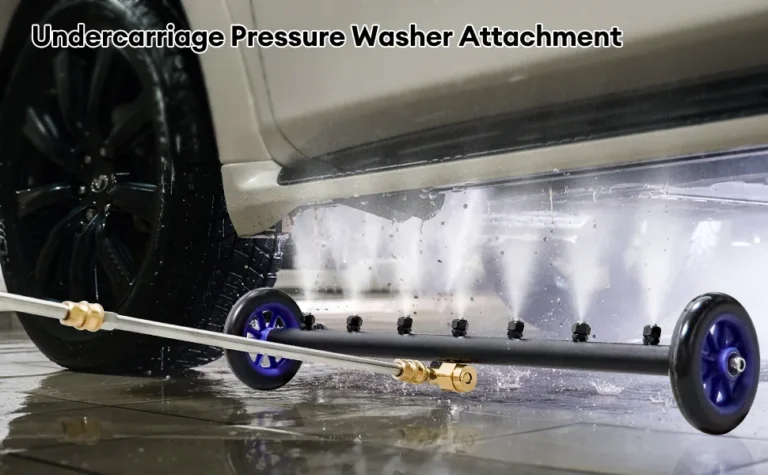
People also forget about the undercarriage. Soft touch washes often include underbody spray. That is good for salt removal in winter.
But the same brushes that cleaned your paint sometimes drag road grit onto the lower panels. If your clear coat is thin on the rocker panels, that is where damage starts first.
Best Alternatives to Soft Touch Washes
If the risk feels too high for your situation, you have solid options. Touchless car washes use high pressure water and chemicals only. No brushes touch your paint.
The trade off is that touchless systems rely on strong alkaline presoaks. Those chemicals can strip wax and sealants faster than soft touch methods. But for paint safety, touchless is clearly superior.
Hand washing with the two bucket method is the gold standard. It gives you full control over pressure, contact, and drying. It takes more time but produces zero brush induced scratches.
Use a microfiber wash mitt and a separate bucket for rinsing. A best hard water spot remover for cars helps if your home water leaves mineral deposits.
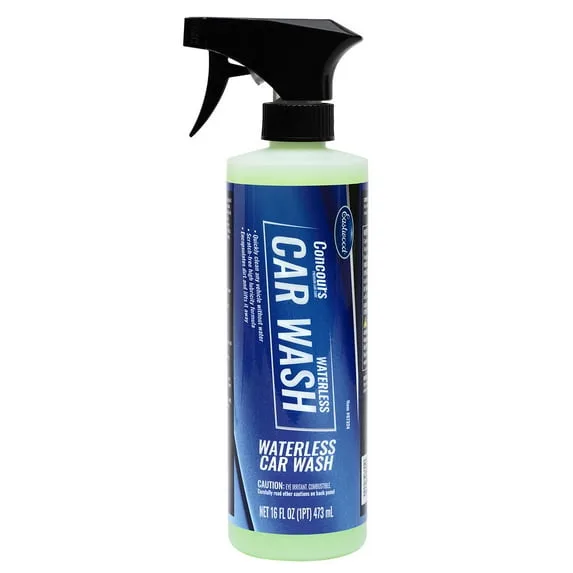
Waterless or rinseless washes are another option for light dust. Products like polymer based spray washes encapsulate dirt and lift it off without scrubbing. They work well for weekly maintenance between deeper washes.
They are not a replacement for a full wash on a muddy car.
| Method | Paint Safety | Time Required | Cost per Wash |
|---|---|---|---|
| Soft touch | Moderate | 3–8 min | $8–$20 |
| Touchless | High | 3–8 min | $10–$25 |
| Hand wash (two bucket) | Very High | 20–40 min | $5–$10 |
| Waterless or rinseless | High | 10–20 min | $2–$5 |
Costs, Pricing, and Value: Soft Touch vs. Touchless vs. Hand Wash
Your budget plays a role in the decision. Soft touch tunnels are cheap and fast. Many offer unlimited monthly plans for $25 to $50.
That is great for convenience. But if you have to repolish or recoat your paint every year because of micro scratches, the savings disappear.
Touchless washes cost slightly more per visit. Unlimited plans run $30 to $60 per month. The chemical presoaks can be harsh on unprotected paint but are safer for clear coat integrity.
If you have a ceramic coating, touchless helps it last longer.
Hand washing costs less money per wash but costs more time. A good bucket, microfiber towels, and ammonia free glass cleaner for cars for windows run under $50 total. That investment lasts years.
Your paint stays in better condition longer.
The real cost question is whether you value your time or your paint more. For a daily driver in winter salt, a soft touch plan is practical. For a weekend car or show car, hand wash every time.
Expert Tips for Minimizing Damage If You Must Use Soft Touch
If you decide to use a soft touch wash regularly, follow these rules to reduce the risk. First, always select the presoak or bug flush option. That extra chemical spray at the start loosens the most abrasive particles.
Second, wash during off peak hours. Tunnels that are busy often cycle through more cars without cleaning brushes.
Third, avoid tunnels that use stiff nylon brushes. Look for cloth curtains or microfiber foam strips instead. You can usually see the brush material as you approach.
Fourth, never let the tunnel dry your car with its blowers alone. Those fans leave water spots if your local water is hard. Bring a microfiber drying towel and wipe the car down after the rinse cycle.
Fifth, use a best water spot remover for glass and paint if spots appear. Do not let them bake on in the sun. Sixth, inspect your paint regularly.
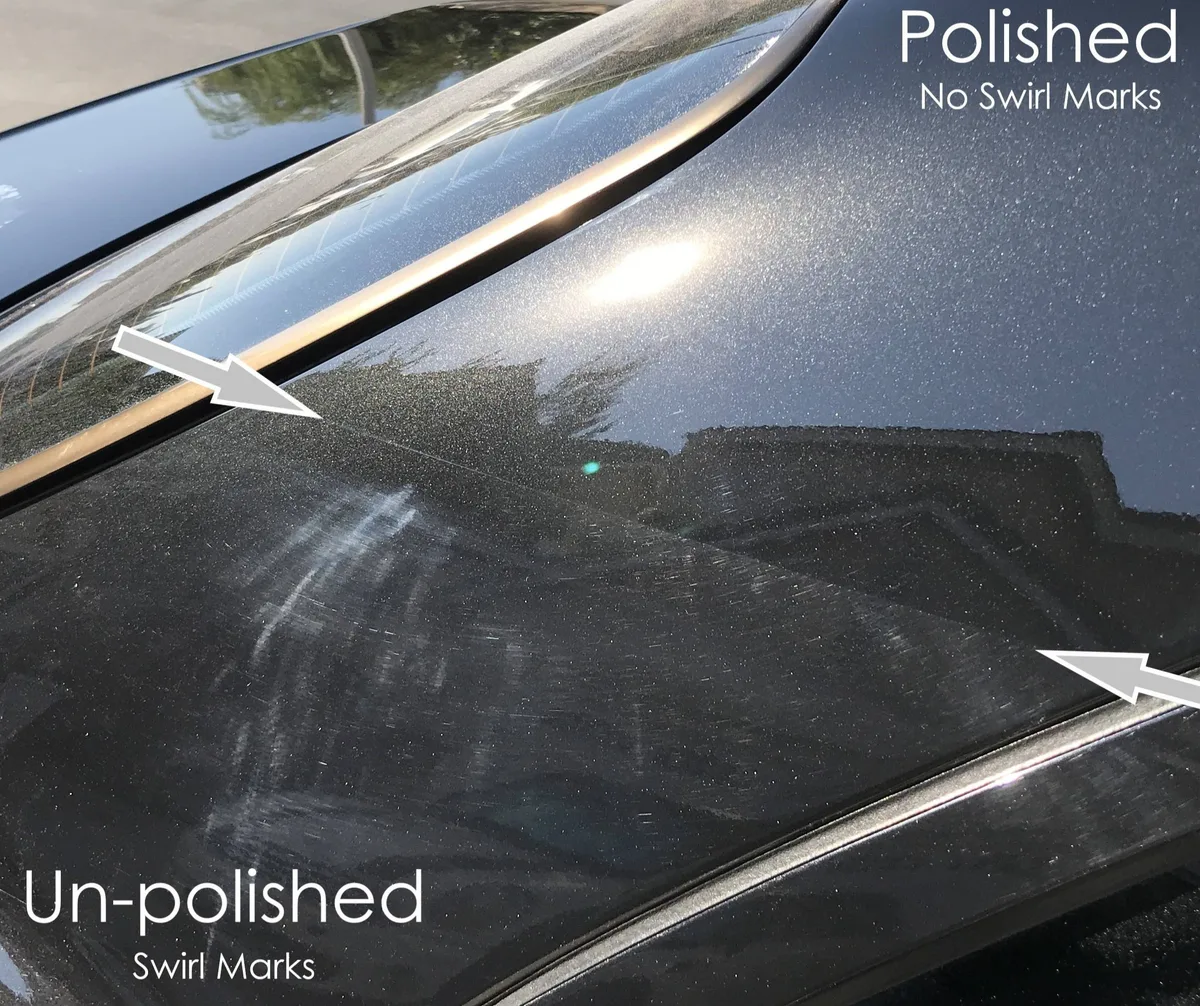
If you start seeing swirls, switch to touchless or hand wash for a few months. The damage is reversible with paint correction, but prevention is cheaper.
Real Scenarios: What Other Owners Have Learned
Aggregate owner reports across automotive forums paint a consistent picture. One owner with a 2022 Honda Civic used soft touch washes weekly for two years. After 24 months, he noticed visible swirl marks under direct sunlight.
A paint gauge reading showed clear coat loss of about 12 microns. That is roughly 10 percent of the original thickness.
Another owner with a ceramic coated Tesla Model 3 ran through the same tunnel monthly. After one year, the ceramic coating lost its water beading properties. He had to reapply a maintenance topper twice as often as the manufacturer recommended.
The paint underneath was still clean and scratch free.
A third owner in a northern state used soft touch washes only during winter months for road salt removal. He hand washed the rest of the year. After three winters, his black paint showed no new scratches.
The key was seasonal use and careful tunnel selection.
These examples reinforce the decision tree. Frequency, paint condition, and tunnel quality determine the outcome. You can use soft touch washes safely if you manage those variables.
But the moment you see damage, change your approach.
Final Decision Guide: What to Choose Based on Your Situation
Here is the shortest version. If your paint is new and you wash less than twice a month, a soft touch tunnel with clean brushes is acceptable. If you have a ceramic coating, treat soft touch as occasional only.
If your paint is old, faded, or already swirled, go touchless or hand wash only.
| Your Situation | Recommended Wash Method |
|---|---|
| New car, no coating, occasional washes | Soft touch (selective tunnels) |
| Ceramic coated | Touchless or hand wash |
| PPF wrapped | Soft touch (low risk) |
| Old or oxidized paint | Touchless or hand wash |
| Show car or garage queen | Hand wash only |
If you are unsure, start with touchless. It costs a few dollars more and takes the same three minutes. Your clear coat will thank you later.
Frequently Asked Questions
Can one soft touch wash ruin my paint?
A single wash rarely causes visible damage unless the tunnel brushes are extremely dirty or your clear coat is already failing. The real risk is cumulative. Repeated washes build micro scratches over months.
How do I know if my local soft touch tunnel is safe?
Look at the brush material before you enter. Soft microfiber cloth curtains are safer than stiff nylon strips. Check if the facility looks clean and well maintained.
Busy tunnels with steady turnover usually clean brushes more often.
Is touchless car wash safer than soft touch?
Yes, touchless is safer for paint because there is no physical contact. The trade off is stronger chemicals that can strip wax and sealants faster. For bare clear coat or coatings, touchless is the better choice.
How often can I use a soft touch wash before damage shows?
Owner reports suggest micro scratches become visible after 12 to 24 weekly washes on unprotected paint. Reducing frequency to once or twice a month delays that timeline significantly.
Should I wax after a soft touch wash?
Yes. Soft touch washes can strip existing wax. Applying a fresh layer of wax or sealant after each wash helps protect the clear coat and fills in light micro scratches temporarily.
Check our blog for more maintenance tips.