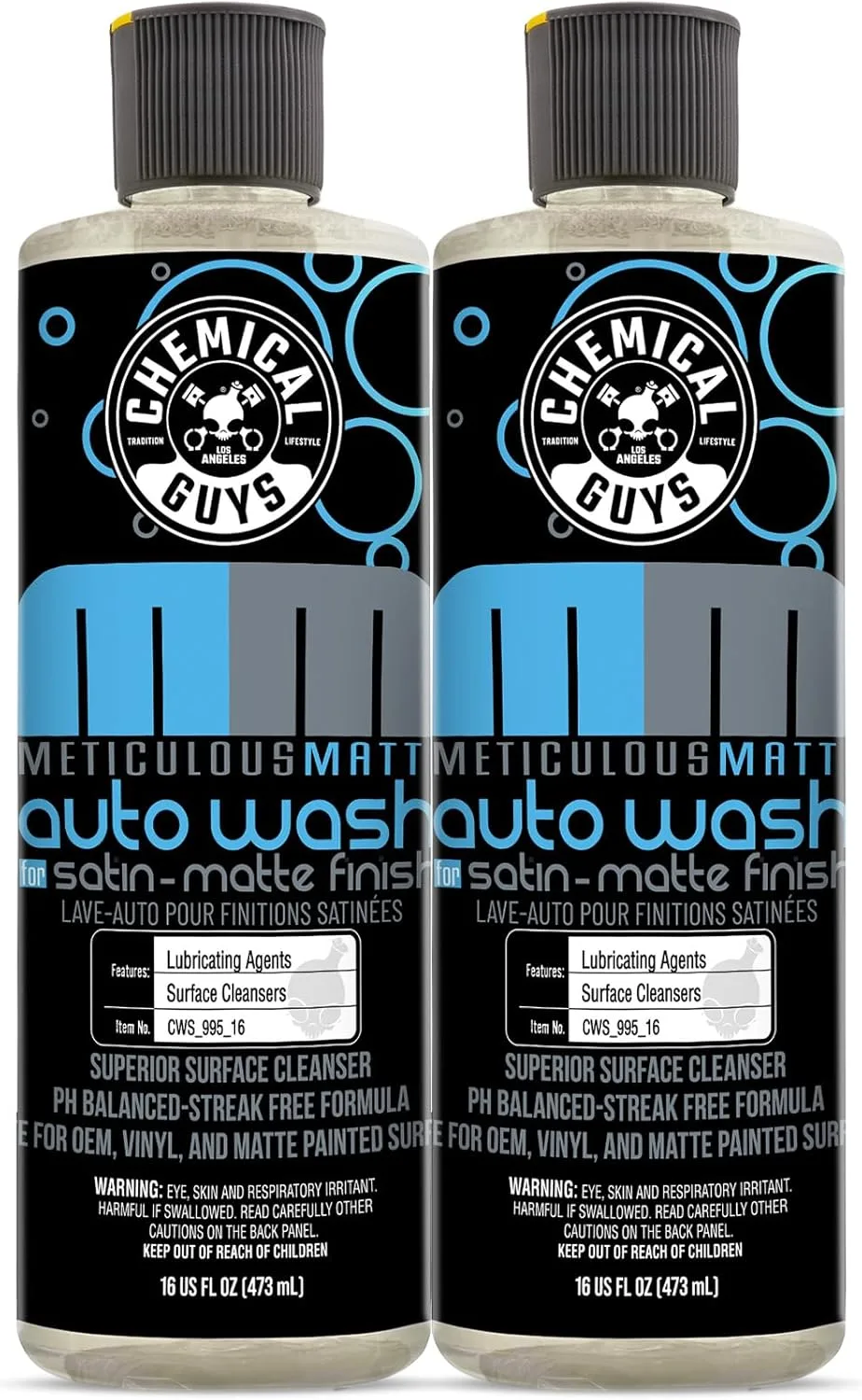
ByMax Lee
Guide to Car Shampoo for Matte Color (2026) — Simple Steps
You've probably got a matte car, maybe a BMW M2 in Frozen Grey, an Audi RS with Nardo Grey, or a custom wrap you spent good money on. And now you're staring at a shelf of car shampoos wondering which one won't wreck that perfect low-sheen finish. The truth is, not every car shampoo for matte color is created equal, and using the wrong bottle can leave you with shiny blotches, water spots that won't budge, or worse, permanent damage.
Here's what the numbers say. According to manufacturer specifications from brands like BMW and Porsche, matte clear coats have a distinct surface texture (roughness average around 0.3, 0.5 microns) that glossy shampoos with waxes, silicones, or gloss enhancers can permanently fill in. That filling creates uneven shine that can't be polished out without refinishing.
As of 2026, the market has responded, but most "pH neutral" labels still don't tell the full story. Let's walk through exactly what you need to know before you touch that foam cannon.
Bing (Web (fair-use with source credit))
Why Matte Finish Needs a Different Shampoo
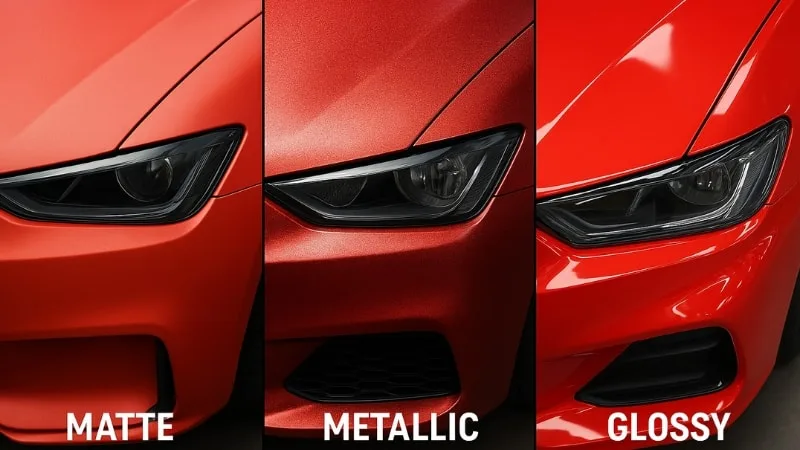
Standard car shampoos are designed to make paint pop, they add gloss, depth, and a wet-looking shine. That's the opposite of what you want on matte. Matte surfaces work by scattering light instead of reflecting it directly.
When you apply a shampoo that leaves behind wax or polymer residue, those particles fill the tiny micro-roughness and create glossy patches. Over time, those patches multiply and your finish looks patchy and dull in a bad way.
Aggregate reviews of matte vehicle owners report that the most common mistake is assuming any pH-neutral soap is safe. pH is only part of the equation. Many "gentle" formulas still contain gloss boosters like PEG-40 hydrogenated castor oil or polymeric film-formers. These ingredients aren't listed as "gloss enhancers" on the label, they're buried in the surfactant list.
If you're tempted to make your own car wash soap as a workaround, that's a whole separate minefield. Store-bought matte-specific shampoos are formulated to clean without leaving anything behind. That's the core difference.
Another factor is abrasiveness. Matte paint is not harder than gloss paint; in fact, some matte clear coats are softer and more prone to marring from dirt trapped in a wash mitt. A shampoo with heavy-duty degreasers or high alkalinity can strip ceramic coatings and even soften the clear coat itself.
The wrong car shampoo for matte color literally changes the paint's texture.
Quick Answer: What Actually Makes a Shampoo "Matte-Safe"
A matte-safe shampoo has three non-negotiable traits. First, pH between 6.5 and 8.0, ideally right at 7.0. Second, zero gloss-enhancing additives, waxes, silicones, or polymer film formers.
Third, mild surfactant system that won't strip OEM or aftermarket protective coatings.
Look for shampoos labeled "matte specific" or "gloss-free". Avoid anything that says "deep shine", "wax-infused", "carnauba", or "gloss enhancer". If you're also caring for paint protection film on matte surfaces, check out our dedicated guide on car shampoo for PPF, it covers additional compatibility concerns.
Here's a quick sanity check before you buy: read the ingredients list. If you see "glycerin", "carnauba wax", "acrylate copolymer", or "dimethicone" anywhere, put it back. These are gloss agents that belong on glossy paint only.
The Big Decision Tree: Choose Your Path in 3 Questions
Bing (Web (fair-use with source credit))
The right shampoo depends entirely on what you're washing. Answer these three questions to find your branch.
Question 1: Is It Matte Paint or Matte Wrap?
Factory matte clear coat (like on BMW Frozen editions, Audi Nardo Grey, Mercedes-AMG Night Package) is automotive paint with a matte clear layer on top. It's hard, porous on a microscopic level, and can sometimes tolerate carefully chosen regular pH-neutral shampoos, but only those without gloss additives.
Matte vinyl wrap or matte PPF (paint protection film) is much more sensitive. Vinyl has a soft adhesive layer and a clear top coat that can react with harsh chemicals. Shampoos that are safe for matte paint might still contain mild solvents that degrade the wrap's adhesive over time.
If you have a wrap, you need a shampoo explicitly tested for vinyl compatibility.
Question 2: Is Your Finish Factory-Coated, Ceramic-Coated, or Bare?
If you have a ceramic coating applied over matte paint, that changes the rules. The coating itself is glossy, but a good matte ceramic coating produces a satin finish. Many ceramic coating manufacturers recommend their own matte-safe shampoos to avoid stripping the coating or leaving residues.
If you're washing a ceramic-coated car, check our article on washing a car with ceramic coating pressure washer for the right technique.
If your matte paint is bare, no coating, no PPF, you have more flexibility, but still need a no-additive shampoo.
Question 3: How Often Do You Wash and Where Do You Park?
Daily drivers accumulate road grime, bird droppings, and bug splatter faster. You need a shampoo with decent cleaning power that's still gentle. Weekend show cars parked in a garage can get away with a lighter maintenance wash.
The more frequent the wash, the more important it is to use a shampoo that doesn't strip any existing protection.
Branch 1 – Factory Matte Clear Coat: Best Shampoo Options
If you answered "matte paint" for question 1, you're in this branch. Factory matte clear coats are the most forgiving among matte finishes. You don't necessarily need an expensive boutique shampoo.
Several high-quality pH-neutral shampoos from reputable detailing brands are free of gloss enhancers and work fine.
What to look for:
- "pH neutral" (7.0, 8.0)
- "No wax" or "wax-free"
- "Matte safe" or "gloss-free" on the label
- Surfactant list: cocamidopropyl betaine, sodium coco-sulfate (mild), decyl glucoside, avoid sodium lauryl sulfate (SLS) in high concentrations.
What to avoid:
- Any shampoo that says "cleans, shines, protects" in one step
- Products with "polymer shield" or "ceramic booster", those are gloss enhancers
- Heavy-duty degreasers or traffic film removers
Owners of cars like the Tesla Model Y in matte wrap or matte paint should pay extra attention because Tesla's matte factory option uses a unique paint formulation that's thinner than some German brands.
Safe Regular Shampoos (When You Can Bend the Rules)
Some generic pH-neutral shampoos without any advertised gloss benefits can work on matte paint if they pass the ingredient test. Always perform a spot test on an inconspicuous area. Apply the diluted shampoo, let it dry, and check for sheen in bright light.
If you see any gloss difference, switch to a dedicated matte formula.
For reference, many professional detailers use a wash solution around 1:300 (about 15 ml per 5 liters of water) for matte paint to minimize residue. Stronger concentrations increase the chance of leftover surfactants.
Branch 2 – Matte Vinyl Wrap / PPF: Only These Products Work
If you have a matte wrap or matte PPF, the rules are stricter. Vinyl wraps are not paint. They have a soft top coat that can be dulled by harsh detergents, stained by certain colorants, and lifted by solvent-based cleaners.
PPF is more robust but still can be degraded by strong alkalis.
For matte wraps, you need a shampoo that is:
- pH neutral (6.5, 7.5)
- Free of solvents, alcohols, and ammonia
- Tested for vinyl compatibility (some brands explicitly say "wrap safe")
- Low foam or controlled foam (excessive foam can seep under edges and lift the film)
Never use dish soap. We've covered why in cleaning car with Joy dish washing liquid, it strips wax but also contains degreasers that attack the adhesive layer of wraps.
Why Most "pH Neutral" Shampoos Still Fail on Wrap
Even pH-neutral shampoos can contain mild surfactants that are too aggressive for vinyl. Sodium lauryl ether sulfate (SLES) at high concentrations can soften the wrap's top coat over repeated washes. Also, many pH-neutral formulas have a pH buffer that drifts alkaline as the product ages.
A fresh bottle might measure 7.5, but a six-month-old bottle could be 9.0.
Best practice: use a shampoo specifically formulated for wraps or PPF. These products often have lower surfactant concentrations and are designed to rinse clean without residue. Always follow up with a matte-safe spray detailer for extra protection if needed.
Prepping your wash correctly is just as important; see our guide on pre car wash spray for the right approach to pre-soaking wrapped vehicles.
Branch 3 – Matte Ceramic Coated: Do You Still Need a Special Shampoo?
If you've applied a matte-specific ceramic coating over your matte paint or wrap, good news. You have more leeway than unprotected finishes. But you still need to pick the right car shampoo for matte color.
Matte ceramic coatings create a semi-matte or satin sheen. They're chemically resistant and hydrophobic. However, they can be dulled by harsh alkaline soaps or stripped by solvent-based cleaners.
Many coating manufacturers explicitly recommend pH-neutral shampoos without gloss enhancers.
Here's the catch. Some ceramic coatings are designed to be "topped" with a gloss-enhancing detailer. If yours is one of those, the coating itself won't be harmed by a matte-safe wash.
But if you're trying to preserve a true matte appearance, use a coating-safe matte shampoo.
| Coating Type | Shampoo Recommendation | Notes |
|---|---|---|
| Matte-specific ceramic coating | Any quality matte-safe pH-neutral wash | Prefer brands that sell their own coating-compatible shampoo |
| Glossy ceramic coating on matte paint (DIY mistake) | Matte-safe only | The glossy coating will alter finish regardless of shampoo |
| No coating on matte paint | Strict matte-safe only | Avoid all wax/polymer shampoos |
| Matte wrap with ceramic coating | Wrap-safe matte shampoo with low surfactant load | Check coating warranty for approved wash list |
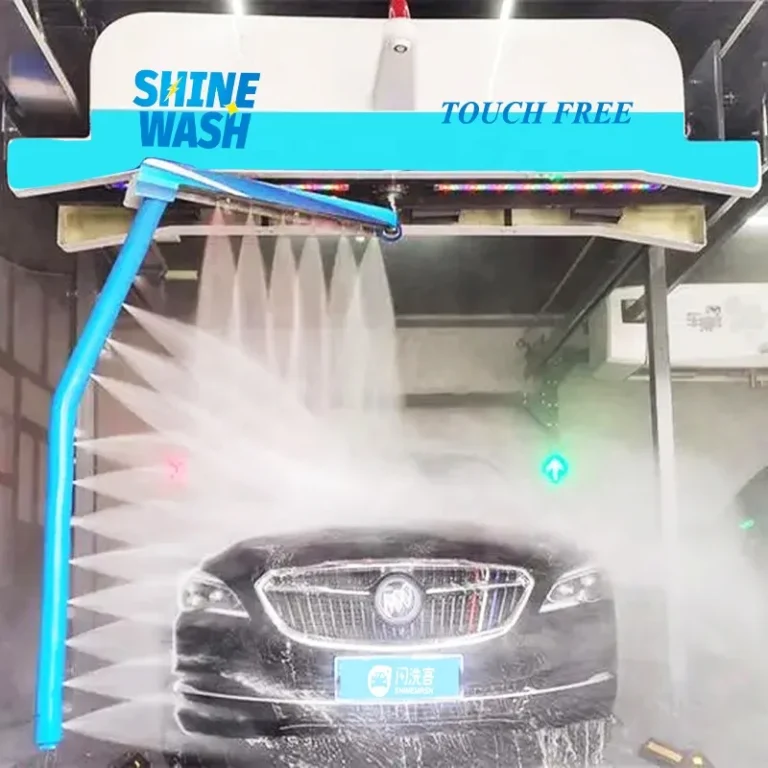
Our research shows that owners of ceramic-coated matte cars should still avoid touchless automatic car washes. The high-pressure alkaline pre-soaks often used in those tunnels can degrade ceramic coatings over time. If you own a black car specifically, check out our step-by-step guide on how to wash a black car without touching it — the technique matters just as much as the product.. For more on that, see our guide on prepare touchless washing.
Step-by-Step Wash Workflow for Any Matte Finish
Here's the process that works for matte paint, matte wrap, and matte ceramic coatings. Adjust based on your specific finish from the decision tree above.
Bing (Web (fair-use with source credit))
Step 1: Pre-rinse with pressure washer, low pressure. Set your nozzle to a 40-degree fan or wider. Keep the tip at least 12 inches from the surface. This removes loose dirt without forcing grit into the finish.
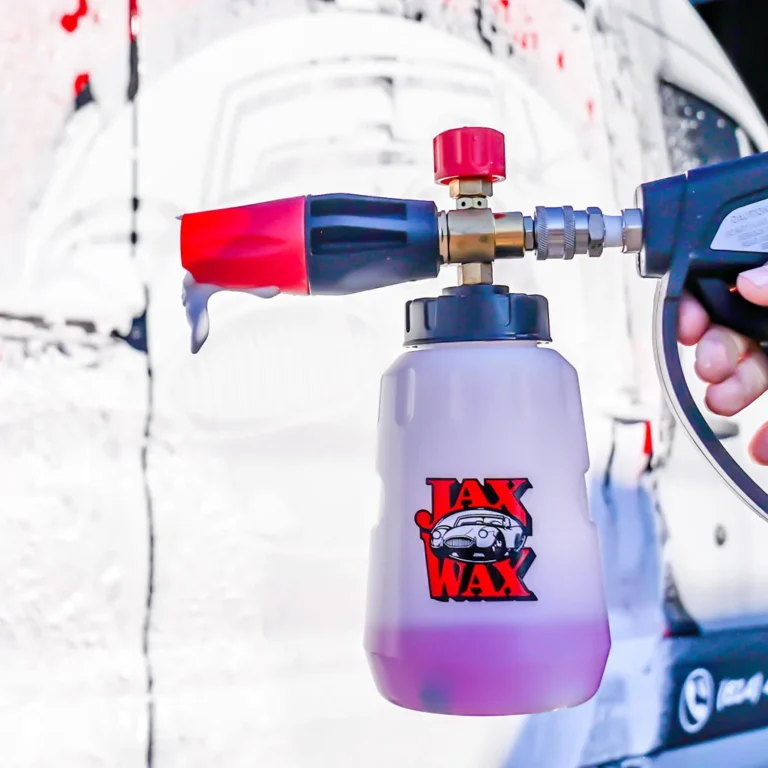
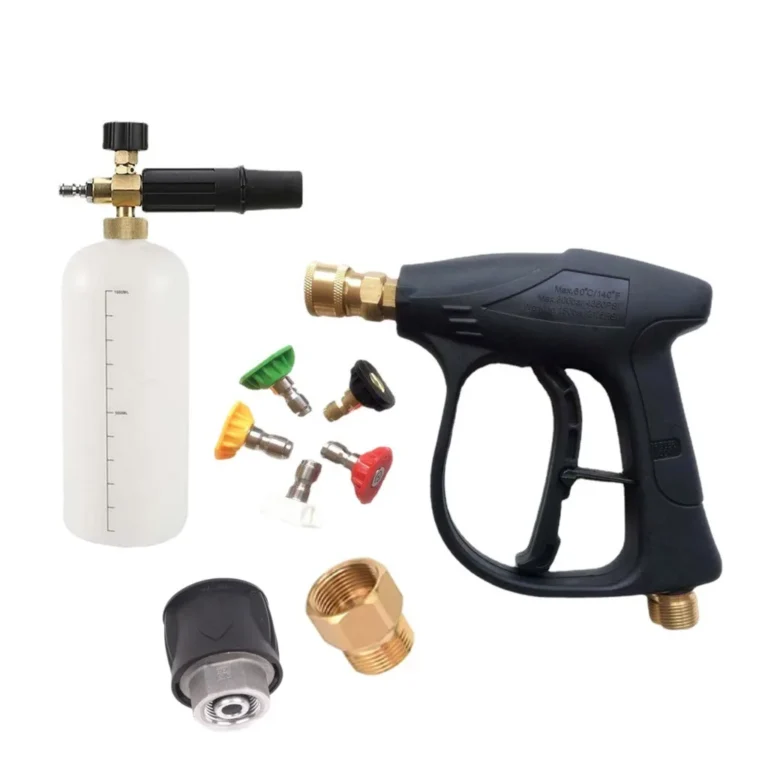
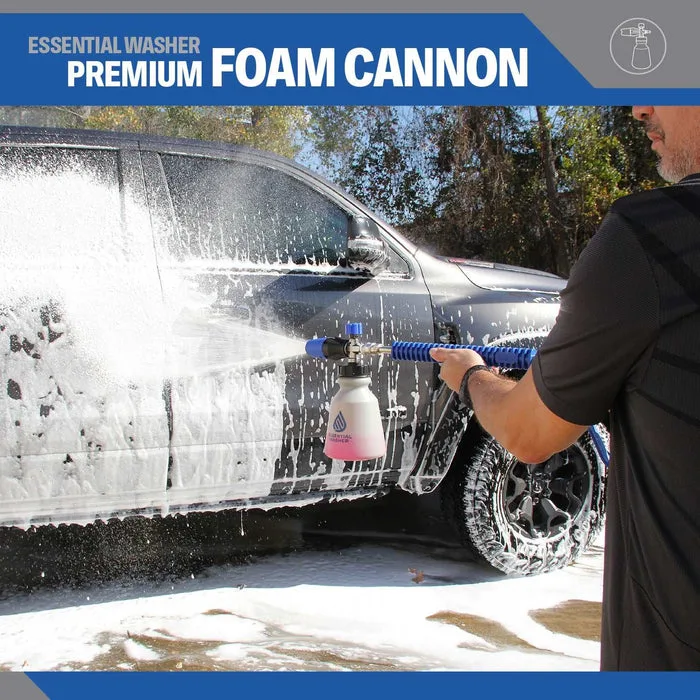
Step 2: Apply a matte-safe foam pre-soak. Use a foam cannon with your chosen matte shampoo at the recommended dilution (typically 1:200 to 1:300). Let it dwell for 3 to 5 minutes. Do not let it dry on the surface.
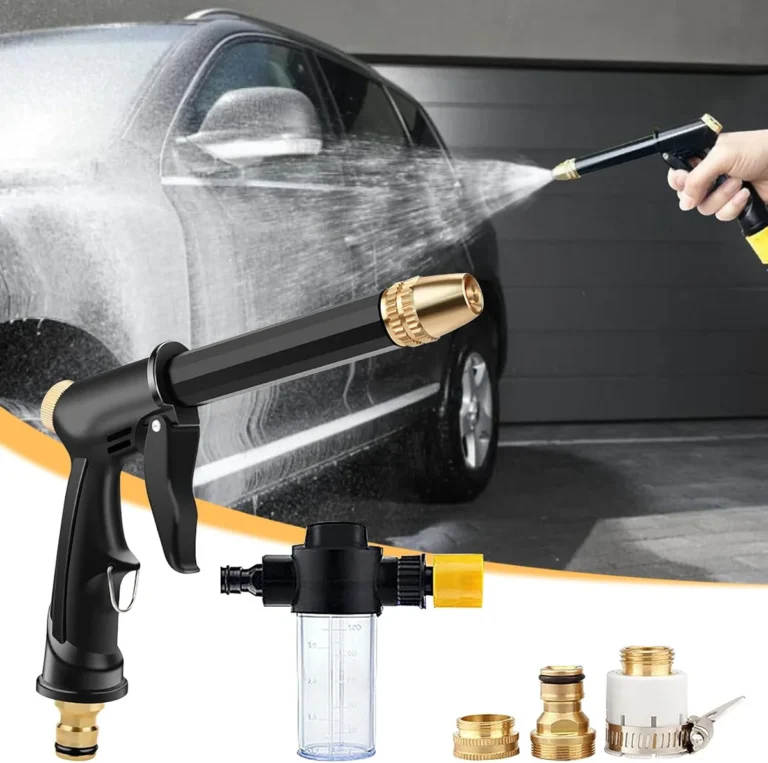
If you're using a manual cleaning equipment like a foam gun on a garden hose, increase dwell time but watch for drying in direct sun.
Step 3: Two-bucket method with grit guards. Fill one bucket with your wash solution, one with clean rinse water. Use a plush microfiber mitt (at least 350 GSM) with a clean side for each panel. Wash straight lines, not circles.
Rinse the mitt in the rinse bucket after every panel section.
Step 4: Contact wash from top to bottom. Start on the roof and work down. Clean your mitt of any trapped dirt every few passes. For heavily soiled lower panels, spray them again with matte-safe foam before touching.
Step 5: Final rinse with deionized or filtered water. Hard water leaves mineral spots that etch into matte finishes. If your tap water is above 120 ppm hardness, use a deionized water system. A simple inline DI filter on your pressure washer works well.
Step 6: Dry immediately with a dedicated microfiber drying towel. Blot, don't drag. A leaf blower or detailing air gun is even better for matte finishes because it eliminates any friction that could alter the texture. For more on the dry method, read our tips on should you hand wash a new black mercedes car, the same caution applies to matte finishes.
Optional step: Apply a matte-safe spray detailer or sealant. Only do this if your finish is coated and the product is specifically labeled for matte. Some matte detailers add protection without gloss.
Mistakes That Destroy Matte Finish (Common Errors)
We've gathered the most damaging mistakes from aggregate owner reports and professional detailer forums. Avoid every single one.
Bing (Web (fair-use with source credit))
Using dish soap or household cleaners. Dish soap is highly alkaline (pH 9+) and strips any protection. It also leaves a dull film. Never let it near matte paint or wrap.
Using automatic car washes with brushes. Even "touchless" tunnels use chemical pre-soaks that can damage matte finishes. The friction from brushes will micro-mar the surface.
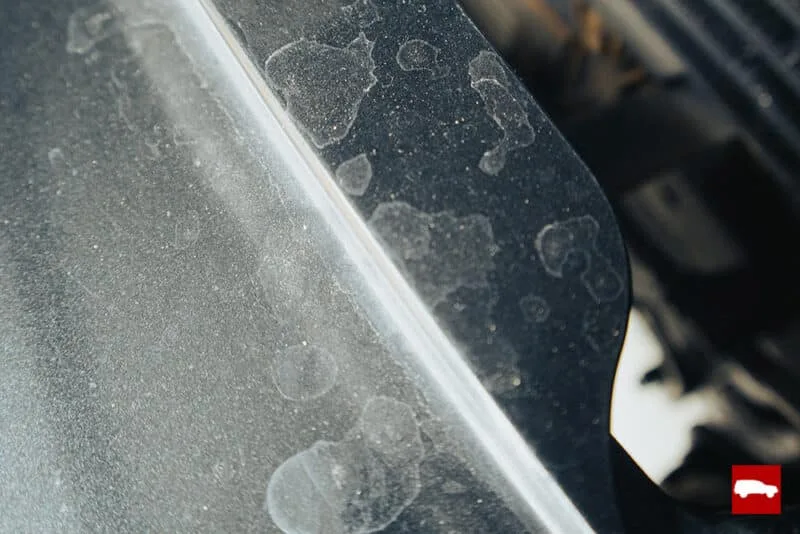
Letting water spots dry. Hard water minerals dry on matte paint and create etched white spots. These are much harder to remove than on glossy paint because you can't polish them out without altering the matte texture. You need a dedicated matte-safe water spot remover.
Using wax-based drying aids. Many quick detailers contain carnauba or polymer gloss enhancers. They turn a matte finish into a satin or semi-gloss mess. Stick to matte-specific drying sprays.
Washing in direct sunlight. The sun dries soap and water faster, leaving residue and water spots. Wash in the shade or early morning. If you can't, work panel by panel and dry immediately.
Aggressive drying techniques. Rubbing a towel back and forth creates micro-scratches that are visible as shiny lines on matte paint. Blot, don't wipe. Use a high-quality microfiber and replace it after a few washes.
Neglecting the wash mitt. A single dirty mitt can mar the entire car. Use multiple mitts if needed, or rinse thoroughly between panels. You wouldn't use a dirty rag on a black Mercedes, and matte is even more unforgiving.
Pro Advice for Long-Term Matte Maintenance
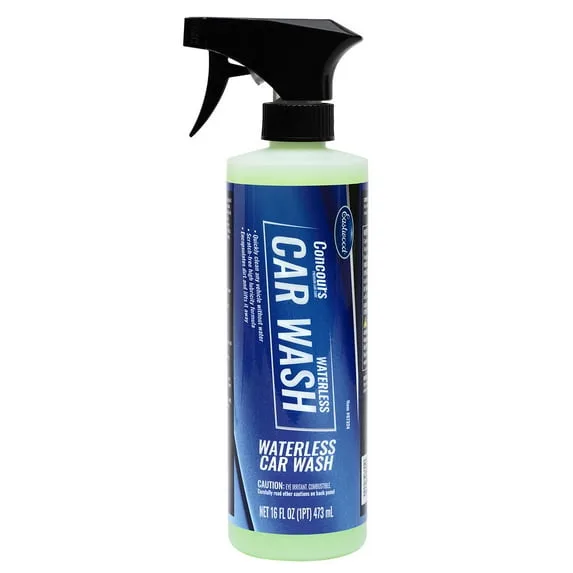
Wash your matte car less often than a glossy car. Our research indicates that weekly washing with a gentle matte shampoo is fine, but daily or every-other-day washing accelerates micro-marring. Try to do a quick waterless wash (with matte-safe product) between full bucket washes.
Protect your finish with a matte ceramic coating or a matte PPF. Coatings make cleaning easier and reduce the risk of water spot etching. PPF adds a sacrificial layer that takes the scratches instead of the paint.
Replace your microfiber towels frequently. After about 10 to 15 washes, microfiber loses its softness and can become abrasive. For matte finishes, use a fresh towel set every season or sooner.
Store your matte car in a garage if possible. UV exposure can dull matte paint unevenly over years. A car cover with a soft inner lining also helps if you park outside.
Use only matte-specific spray detailers between washes. The right product adds a slight hydrophobic effect without gloss. Apply after washing and drying, using a microfiber applicator.
Real Scenarios: Daily Driver vs. Garage Queen (Use Cases)
Scenario 1: Daily driver with matte paint. You commute through rain, dust, and road splatter. Wash once a week using the full workflow above. Use a matte ceramic coating for easier cleaning.
Keep a matte-safe waterless wash in the trunk for bird droppings or bug splats.
Scenario 2: Garage queen, wrap-only car. This car sees occasional sunny drives and car shows. Wash every two to three weeks, mostly to remove dust. A gentle matte shampoo at low concentration is enough.
Focus on drying method to prevent water spots from infrequent washes.
Scenario 3: Matte wrap on a daily driven Tesla. The wrap needs extra care because edges can lift. Use the wrap-safe shampoo from Branch 2. Avoid high-pressure water near edges.
Pre-wet with a sprayer before foam application. For more Tesla-specific advice, check our special soap for tesla article.
Scenario 4: Ceramic-coated matte vehicle. Less frequent washing needed. Use a coating-compatible matte shampoo every 4 to 6 weeks. Top with a matte spray detailer after each wash to extend coating life.
Decision Guide: Quick Reference Chart for Your Exact Situation
| Your Finish Type | Recommended Shampoo Type | Avoid At All Costs | Wash Frequency |
|---|---|---|---|
| Factory matte clear coat | pH-neutral, wax-free, no gloss enhancers | Dish soap, wax shampoos, polymer washes | Weekly to bi-weekly |
| Matte vinyl wrap | Wrap-specific or matte-safe with low surfactant load | Any shampoo with solvents, alcohol, or high-foaming SLES | Every 1-2 weeks |
| Matte PPF | PPF-safe or matte wrap shampoo | Abrasive formulas, high-alkali degreasers | Bi-weekly |
| Matte ceramic coating (paint) | Coating-compatible matte shampoo | Stripping soaps, acidic wheel cleaners | Every 2-4 weeks |
| Unprotected matte paint | Strict matte-specific only | Anything with wax, silicone, carnauba | Weekly |
If you're still unsure where you land, go back to the three questions under "The Big Decision Tree" earlier in this guide. The right choice comes down to knowing exactly what's on your car's surface.
Where to Go From Here – Your Next Step
Before you buy anything, check your owner's manual or the wrap installer's documentation. Some OEMs like BMW and Porsche have specific shampoo recommendations for their matte finishes. If you're wrapping a car, ask your installer what products won't void the film warranty.
For deeper reading on related techniques, our article on pre car wash spray covers the pre-soak step that's especially important for matte surfaces. And if you're maintaining a ceramic coating, our piece on washing a car with ceramic coating pressure washer aligns perfectly with the workflow outlined here.
Frequently Asked Questions
Can I use baby shampoo on matte paint?
Baby shampoo is pH neutral but often contains moisturizers and perfumes that leave residue. It's not recommended. Stick to a dedicated matte-safe shampoo.
How often should I wash a matte wrapped car?
Every 1 to 2 weeks is ideal for a daily driver. Less frequent washing allows contaminants to bond to the wrap surface. Use a matte-safe waterless wash between bucket washes.
Does matte paint scratch easier than glossy?
Yes, matte clear coats are often softer and more prone to marring. However, scratches look different on matte they appear as shiny lines. Proper wash technique and soft microfiber are critical.
Can I take a matte car through an automatic car wash?
No. Even touchless washes use aggressive chemicals that can etch or stain the finish. Brushes create micro-marring.
Hand washing is the only safe method.
What's the best way to dry a matte car without water spots?
Use a leaf blower or detailing air gun for the body, then blot remaining moisture with a clean high-GSM microfiber towel. Work in shade and dry immediately.
Do I need to use a matte shampoo if I have a ceramic coating?
Yes, unless the coating manufacturer states otherwise. Many ceramic coatings are glossy underneath. Using a matte shampoo preserves the satin appearance and doesn't strip the coating.