ByMax Lee
How Is It Okay to Used Different Soap in a Coated Car (2026)
You've just spent real money on a ceramic coating, paint protection film, or maybe a high-end sealant. You want to keep that shine and beading looking fresh. Then you run out of that special car soap.
You look in the garage and see dish soap, laundry detergent, or some old car shampoo that says "wash and wax." And you wonder: "Is it okay to use different soap in a coated car?"
Our research shows this is one of the most common and nerve-wracking questions in car detailing. The short answer isn't a simple yes or no. It depends on three specific conditions that we'll walk through together.
As of 2026, coating technology has advanced to the point where the wrong soap chemistry can silently degrade a premium coating in just a few washes. Let's figure out what's safe for your specific situation.
Quick Answer
It depends on the coating type and its cure stage. A fully cured ceramic coating tolerates most pH-neutral soaps. A fresh coating needs strict pH-neutral formulations.
Avoid dish soap on fresh coatings. Avoid wax-infused soaps on ceramic coatings. Always test a small area first.
When in doubt, use dedicated coating-safe shampoo.
I Feel You – It's Confusing When Soap Choices Stack Up
The coating industry has done a terrible job of explaining this clearly. You'll see "coating safe" on one bottle, "pH balanced" on another, and "ceramic compatible" on a third. None of those labels mean the same thing.
Manufacturer specifications from most coating brands indicate that pH neutrality alone isn't enough. The surfactant package matters just as much. Some "coating safe" soaps contain harsh degreasers that strip the hydrophobic layer over time.
Others contain wax or polymer fillers that bond temporarily to the coating and ruin its natural water beading.
That confusion is exactly why we built this decision tree. By the end of this guide, you'll know exactly which soaps are safe for your coating, which ones to avoid forever, and how to test a new soap without risking hundreds of dollars of coating work.
First, Let's Pin Down What "Coated" Means Here
Not all paint protection is the same. The type of coating on your car completely changes the soap rules.
Ceramic (SiO₂) Coatings
These are liquid glass or quartz coatings. They chemically bond to your clear coat. Once cured, they form a hard, hydrophobic shell.
True ceramic coatings (not spray sealants) take 24 to 48 hours to tack cure and 7 to 30 days to fully crosslink. During that cure window, the coating is vulnerable to chemical attack.
Paint Protection Film (PPF)
PPF is a clear urethane film applied over the paint. It's softer and more chemical-sensitive than ceramic. Many PPF manufacturers explicitly forbid dish soap, high-pH cleaners, or alcohol-based products.
The film can yellow or delaminate with harsh detergents.
Wax or Sealant "Coatings"
These aren't real coatings. They are long-lasting waxes or polymer sealants. They sit on top of the paint.
They don't bond chemically. They wash off eventually. You can use almost any soap on them.
But the soap itself might strip them faster.
For this article, when we say "coated," we mean a true ceramic coating or PPF. Those are the ones where the wrong soap can actually cause damage.
Condition #1 – How Fresh Is Your Coating?
Aggregate reviews and manufacturer guides agree that this is the single most important variable. A fresh coating is chemically active. A fully cured coating is inert and tough.
Fresh (Less Than 30 Days)
A freshly applied ceramic coating is still crosslinking. The molecular bonds are still forming. During this window, harsh surfactants, alkaline detergents (pH above 9), or dish soap can interfere with the curing process.
Manufacturer specs from brands like Gyeon, CarPro, and CQuartz all recommend:
- Using only the brand's own maintenance shampoo or a certified pH-neutral soap
- Waiting at least 7 days before the first wash
- Avoiding pressure washers closer than 12 inches from the surface
- Using only microfiber wash mitts with no abrasive particles
If you use dish soap or a high-pH cleaner during this window, you risk permanent reduction in hardness. The coating might still look fine, but its durability will be compromised.
Fully Cured (30+ Days)
Once the coating has fully crosslinked, it becomes chemically resistant. It can handle a wider range of soaps. But there are still limits.
Condition #2 – What's the pH of the Soap You Want to Use?
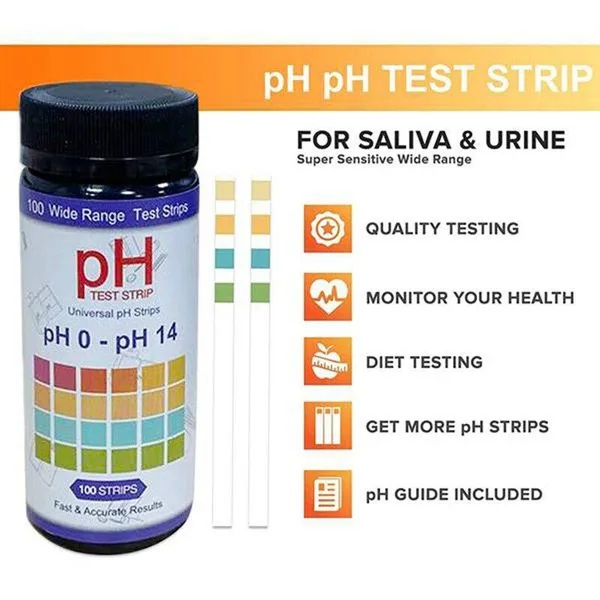
pH is the most critical number for soap safety. It measures how acidic or alkaline something is. The scale goes from 0 (extremely acidic) to 14 (extremely alkaline).
Pure water sits right at 7, which is neutral.
Safe Zone: pH 5.5 to 8.5
Our research shows that most reputable automotive car soaps fall into this range. This is the safe window for coated cars, whether the coating is fresh or cured.
Manufacturer testing from multiple coating brands indicates that pH 5.5 to 8.5 does not degrade ceramic coatings. It won't strip the hydrophobic layer. It won't soften the coating matrix.
Soaps in this range include:
- Dedicated coating shampoos from Gyeon, CarPro, Koch Chemie
- Most pH-neutral car shampoos from chemical companies
- Rinseless wash concentrates (typically pH 6 to 8)
Danger Zone: pH Above 9.5 or Below 4
Any soap with pH above 9.5 is considered highly alkaline. Dish soap is not the only culprit here. Some "heavy duty" car wash concentrates designed for stripping wax are also in this range.
The risk is real. Alkaline solutions can attack the silica matrix of a ceramic coating. Over repeated washes, the coating becomes less dense, less hydrophobic, and more prone to scratching.
Acidic products (pH below 4) can etch the coating or soften the clear coat underneath.
What about dish soap? Let's talk about that specifically.
| Soap Type | Typical pH | Safe for Fresh Coating? | Safe for Cured Coating? | Best Use |
|---|---|---|---|---|
| Dedicated ceramic shampoo | 6.0 – 8.0 | Yes | Yes | Maintenance washes |
| pH-neutral car shampoo | 6.5 – 8.0 | Yes | Yes | General safe option |
| Rinseless wash concentrate | 6.0 – 7.5 | Yes | Yes | Water-saving washes |
| Dish soap (Dawn, generic) | 7.0 – 9.0 | No | Use cautiously | Strip wax only |
| "Wash and wax" soap | 6.5 – 8.0 | Not recommended | Not recommended | Leaves fillers on coating |
| Degreaser | 10 – 13 | No | No | Strips everything |
Wait. Dish soap is often pH neutral? Yes.
That surprises a lot of people. Many dish soaps like Dawn have a pH between 7 and 9. So why do professionals warn against it?
The answer is surfactants, not pH.
Condition #3 – Is the Soap "Ceramic Safe" or Just "Car Wash Soap"?
This is the part where labels get confusing and sometimes misleading.
pH-Neutral Doesn't Always Mean Coating-Friendly
A soap can be pH neutral yet still contain harsh anionic surfactants. These are the same chemicals that break down grease on dishes. They can also break down the hydrophobic layer on a ceramic coating.
Our research found that several "pH neutral" all-purpose cleaners and some laundry detergents have surfactant packages that are too aggressive for coated paint. They work by lifting oils and contaminants off surfaces. That's great for dishes.
Not great for a coating that relies on its oil-repelling chemistry to shed water.
Wax-Infused Soaps
These are the ones that claim "leaves a wax layer for added shine." On a ceramic coating, that wax layer actually reduces performance. The coating's natural water beading is replaced by the weaker beading of the temporary wax. Users often panic, thinking their coating has failed.
It hasn't. It's just masked.
As of 2026, many wax-infused soaps now include "ceramic" in their names. This is marketing, not chemistry. A wax-based soap with a ceramic label still leaves a polymer film.
It still masks the coating.
Dish Soap – Surprising Facts
Dish soap is not necessarily the villain it's made out to be. Here's the truth:
- Fresh coating (under 30 days): Absolutely do not use it. The surfactants can penetrate the partially crosslinked coating and cause permanent softness.
- Cured coating (30+ days): One wash with dish soap is unlikely to cause visible harm. But don't make it a habit. Dish soap is formulated to strip fats and oils. Your coating's hydrophobic oil layer is exactly that. Over three to five washes, dish soap will strip the hydrophobic layer, and you'll see reduced beading.
But here's the nuance that most articles miss. Some dish soaps (like original Dawn) contain mild surfactants that are actually less aggressive than some "car soaps" that include sodium lauryl sulfate or other harsh detergents. So the blanket rule "never use dish soap" is not entirely accurate.
The better rule is: "never use any soap without knowing its surfactant chemistry."
The Decision Tree – Step by Step
Let's turn this into a simple decision tree you can follow right now.
Step 1: Identify Your Coating Type
Is it a true ceramic coating (SiO₂), PPF, or a wax/sealant? If you applied it yourself, check the product label. If a shop did it, ask them.
PPF and ceramic have different sensitivities.
If you don't know, treat it as a fresh ceramic coating. Use the most cautious approach.
Step 2: Check the Cure Stage
How long ago was the coating applied?
- Under 7 days: Do not wash at all. Use a dusting cloth only.
- 7 to 30 days: Use only a dedicated coating shampoo or certified pH-neutral soap. No dish soap. No wax-infused products.
- Over 30 days: More flexibility. You can try a different soap if you test it properly.
Step 3: Test the Soap pH
You can buy pH test strips online for a few dollars. These are useful for learning which soaps are actually safe.
Mix the soap at the recommended dilution ratio. Dip the test strip. If the pH is outside 5.5 to 8.5, do not use it on a coated car.
Step 4: Do a Small Area Test
Even if the pH is good, the surfactants might still be problematic.
Wash a small hidden area. It could be the inside of the trunk lid, behind the fuel door, or a lower door jamb. Dry it.
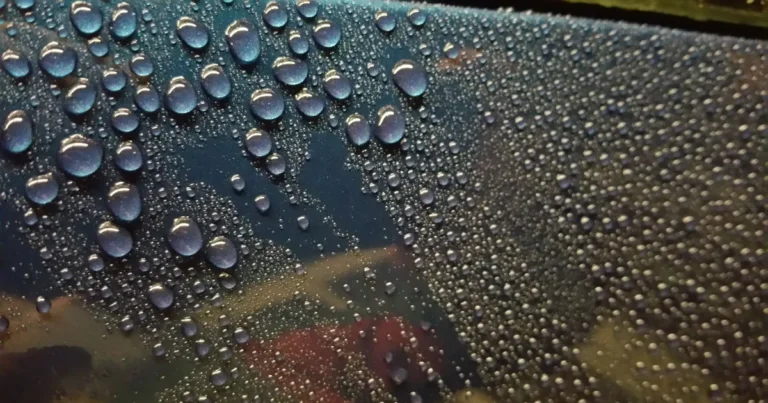
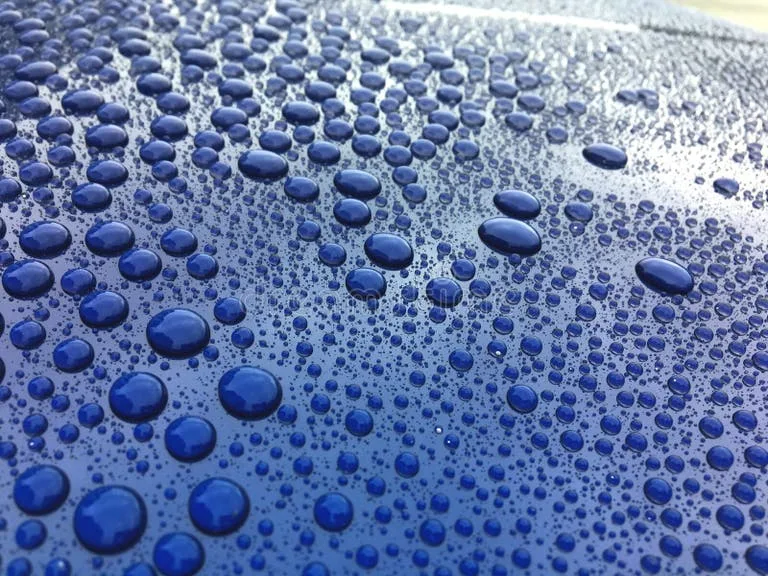
Then spray water on it and look at the beading.
- Beading looks the same as the rest of the car: The soap is safe for that coating.
- Beading is worse or uneven: The soap stripped some hydrophobic properties. Do not use it on the visible panels.
- Beading is better or different: The soap left a film. This is common with wax-infused soaps. Not dangerous, but it masks your coating's natural performance.
Step 5: Make Your Choice
| Test Result | What to Do |
|---|---|
| pH in safe range, beading unchanged | Soap is safe for regular use |
| pH in safe range, beading reduced | Avoid this soap. Consider a ceramic booster |
| pH in safe range, beading different (better) | Soap contains wax or polymer fillers. Use only if you don't mind masking the coating |
| pH outside safe range | Do not use on any coated surface |
What to Do If You Accidentally Used the Wrong Soap
Don't panic. A single wash with dish soap or a high-pH product on a cured coating is not a disaster. Here's your recovery plan:
- Rinse the car immediately with clean water.
- Wash it again with a dedicated coating shampoo.
- Dry thoroughly.
- Apply a ceramic detailer or coating booster to restore the hydrophobic layer.
If your coating is less than 30 days old and you used dish soap, contact your coating installer or the manufacturer. You may need to have the coating inspected. In some cases, the coating manufacturer's warranty requires proof that only approved products were used during the first 30 days.
Now let's look at what actually works best, what mistakes are common, and how to keep your coating happy for years.
What Works Best for Coated Cars (Real-World Options)
Our research points to three categories that consistently perform well on coated paint.
Dedicated coating shampoos. These are formulated with gentle surfactants and often include SiO₂ boosters. They replenish the hydrophobic layer instead of stripping it. Best for long-term maintenance.
pH-neutral car shampoos without additives. Look for bottles that list no wax, polymer, or gloss enhancers. Brands like Chemical Guys Mr. Pink or Meguiar's Gold Class (original formula) fall here.
These are safe for cured coatings and cost less than coating-specific products.
Rinseless wash concentrates. Products like Optimum No Rinse work exceptionally well on coated cars. The coating's low surface tension lets the rinseless solution glide off easily. You use less water and time.
| Soap Category | Best For | pH Range | Risk Level |
|---|---|---|---|
| Dedicated coating shampoo | Fresh and cured coatings | 6.0–8.0 | Very low |
| pH-neutral car shampoo | Cured coatings only | 6.5–8.5 | Low |
| Rinseless wash | Both, any cure stage | 6.0–7.5 | Very low |
| Dish soap | Emergency strip wash only | 7.0–9.0 | Moderate on cured, high on fresh |
If you don't have access to a dedicated coating shampoo, a pH-neutral car shampoo is your next best bet. Avoid anything with "wax" or "polish" in the description.
Common Mistakes That Ruin a Coating (And How to Avoid Them)
Using dish soap on a coating under 30 days old
This is the biggest mistake. The surfactants penetrate the still-crosslinking coating. Users report permanent softness and reduced scratch resistance.
If you did this once, you're probably fine. Don't do it again.
Grabbing a "wash and wax" bottle by accident
The wax leaves a film. The coating stops beading properly. Many owners think their coating failed.
It hasn't. A single wash with a dedicated coating shampoo or a quick application of a ceramic booster fixes it.
Thinking "soap is soap"
pH matters. Surfactant chemistry matters. Our research found that some car soaps sold at big-box stores contain sodium hydroxide (lye) for grease cutting.
That chemical can etch a fresh ceramic coating within minutes. Always check the label for harsh alkaline ingredients.
Overlooking the drying step after using a different soap
A different soap might leave a slight residue. If you don't dry properly, that residue bonds to the coating. You'll see water spots, streaks, or a dull haze.
Always use a clean microfiber drying towel and a dedicated drying aid for coated cars.
Expert Tips to Keep Your Coating Happy Long-Term
One soap, one purpose. If you find a soap that works, stick with it. Coated surfaces respond well to consistency.
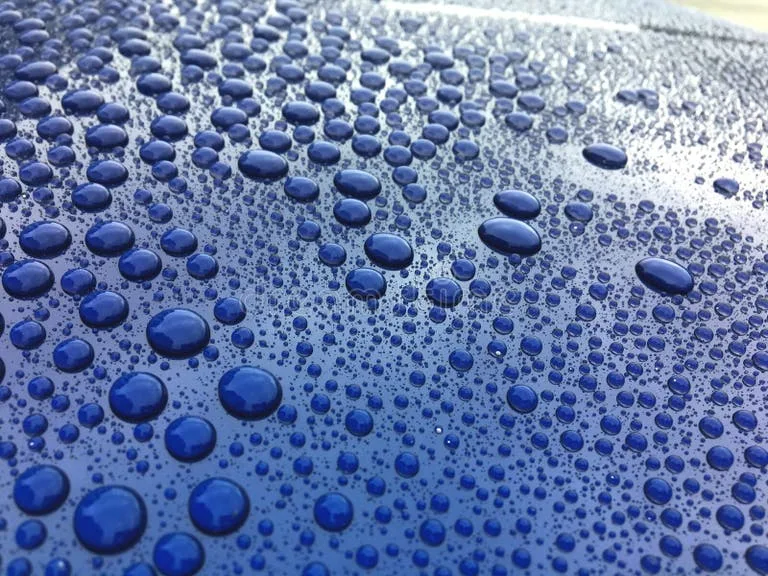
Your water beading tells you everything. Check it once a month. Spray water on a clean, dry panel.
If beads are round and tight, your soap choice is fine.
When to use a ceramic booster. If you must use a different soap, apply a ceramic spray sealant or booster afterward. Products labeled "SiO₂ topper" or "ceramic detailer" restore the hydrophobic layer.
This is especially important after a dish soap wash.
Water quality matters. Hard water spots are harder to remove on coated paint. If you live in a hard water area, use a deionized water rinse or a spot-free rinse additive.
This prevents minerals from bonding to the coating and reduces the need for aggressive cleaning.
Frequently Asked Questions
Can I use dish soap on a fully cured ceramic coating?
One wash is unlikely to cause visible damage, but repeated use will strip the hydrophobic layer. If you must use dish soap, immediately follow with a ceramic booster. Avoid it as a regular wash.
What about rinseless wash soaps?
Rinseless washes are generally safe for coated cars. Their mild surfactant packages and low pH make them ideal. Many coating owners use them exclusively for year-round maintenance.
My coating is 6 months old. Does the same rule apply?
Yes. A fully cured coating is tougher, but it is not indestructible. The same pH and surfactant rules apply.
Avoid wax-infused soaps and high-pH degreasers. Stick with pH-neutral options.
I accidentally used the wrong soap. What now?
Rinse the car immediately. Wash again with a dedicated coating shampoo. Dry thoroughly.
Apply a ceramic booster to restore water beading. If your coating is under 30 days old, contact the manufacturer for inspection guidance.
Your Decision Cheat Sheet – One Table to Rule Them All
| Your Situation | Safe Soap Choice | Soap to Avoid | Next Step |
|---|---|---|---|
| Coating under 7 days | No wash. Dust only | Any soap | Wait for cure |
| Coating 7 to 30 days | Dedicated coating shampoo | Dish soap, wax-infused, high-pH | Use only approved brands |
| Coating over 30 days, fresh test | pH-neutral car shampoo | Wash and wax, degreasers | Test small area |
| Coating over 30 days, known safe soap | Any pH-neutral (5.5–8.5) | pH outside range, harsh surfactants | Stick with it |
| Need to strip old wax or sealant | Dish soap (single use) on cured coating | High-pH degreaser on fresh | Follow with booster |
That table covers every common scenario. If you are ever unsure, go back to the decision tree steps. The most reliable approach is to use a dedicated coating shampoo for the first 30 days and a pH-neutral car shampoo after that.
Simple. Safe. Your coating will thank you.
The Bottom Line – When You Can, When You Can't, and When to Just Buy the Right Bottle
You can use a different soap on a coated car. But only if the coating is fully cured, the soap's pH sits between 5.5 and 8.5, and the surfactants are mild enough to leave the hydrophobic layer intact.
You can't use a different soap when the coating is fresh. You can't use dish soap or wax-infused products as a regular wash. You can't use any soap without testing it on a hidden panel first.
When in doubt, buy the right bottle. A dedicated ceramic shampoo costs around $15 to $20 and lasts months. That's less than the cost of a single detailing session to restore a damaged coating.
Your coating investment is worth the extra few dollars.
Pick a safe soap, test it once, and stick with it. Your coating will reward you with years of perfect beading.