ByMax Lee
Guide to Coating Car Wash Liquid 2026: Step-by-Step Guide
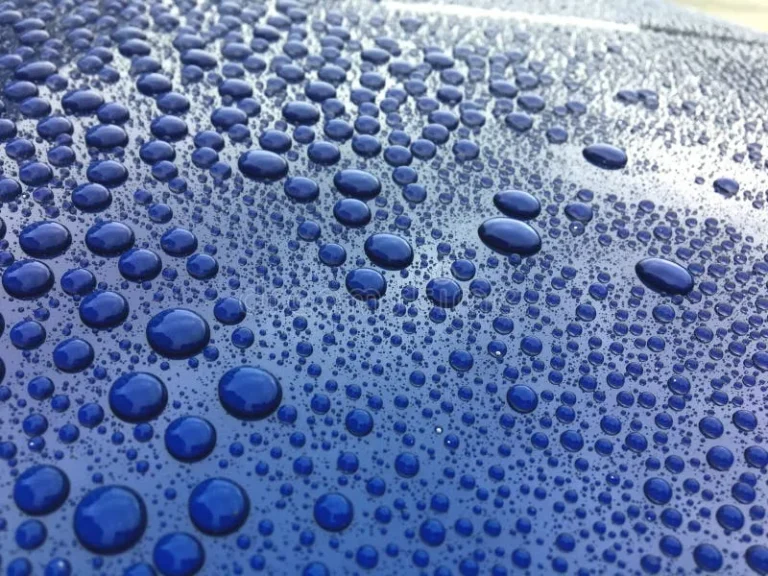
You probably dropped a decent amount of money on a ceramic coating or graphene sealant for your car. You want that gloss to last. You want the water to bead up and roll off for years.
But here's the thing: the wrong coating car wash liquid can undo all that work in just a few washes.
Manufacturer specifications indicate that most ceramic and polymer coatings maintain their hydrophobic properties best when washed with a soap that has a pH between 6.0 and 7.5. Anything more alkaline can slowly strip the coating. As of 2026, aggregate reviews across detailing forums confirm that the number one mistake coated-car owners make is using the wrong soap.
Let's fix that.
Bing (Web (fair-use with source credit))
Quick Answer
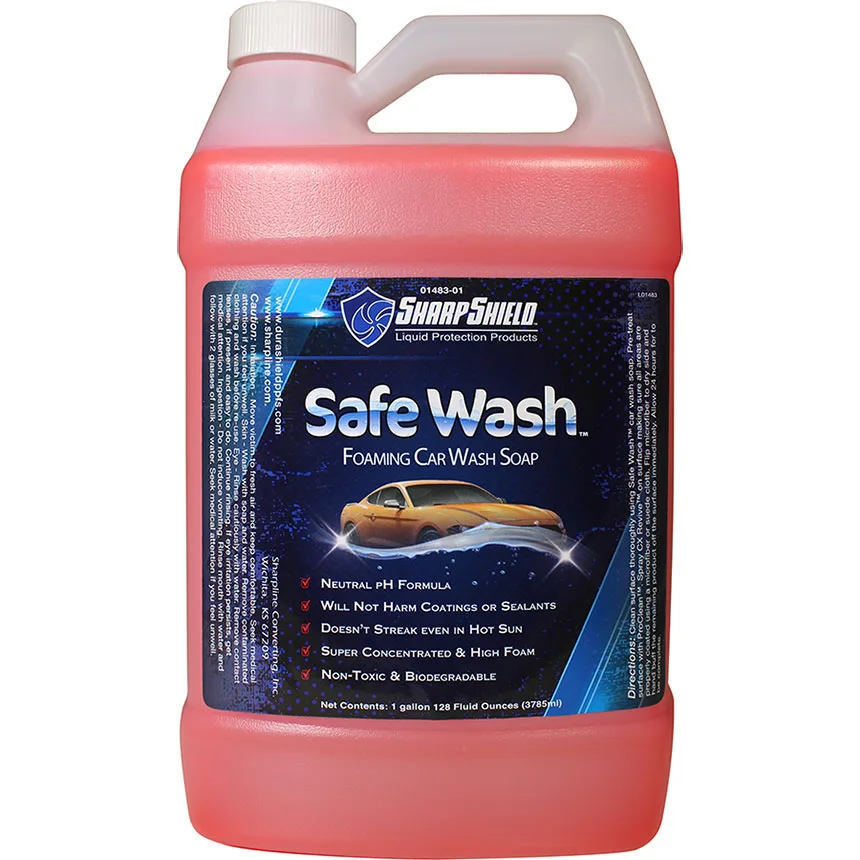
A coating car wash liquid is a pH-neutral soap. It won't strip your ceramic or graphene coating. Look for a pH of 6.0 to 7.5.
Avoid soaps with wax, degreasers, or high alkalinity. Use it with a two-bucket wash method. This keeps your coating hydrophobic and glossy.
Why a Regular Car Wash Soap Can Ruin Your Coating
Most off-the-shelf car wash soaps are designed for bare paint or wax finishes. They often have a high pH (8.5 to 10.0). That alkalinity helps break down dirt quickly.
But it also attacks the chemical bonds in your coating.
Here's what happens. The coating forms a semi-permanent layer on your clear coat. It's made of silicon dioxide (SiO₂) or similar polymers.
High-pH soaps gradually etch this layer. Over time, you lose the water-beading effect. The surface starts looking flat.
You might even get fine hazing.
Wax-based soaps are another problem. They leave a thin layer of wax on top of your coating. That sounds good, but it actually mutes the coating's natural gloss.
It also creates a barrier that prevents the coating from breathing. Eventually, you'll need a polish to remove the wax buildup before you can reapply a top coat.
So what's the bottom line? If you've applied a coating, use only a soap labeled "coating safe" or "ceramic safe." Your investment depends on it.
What Makes a Wash Liquid "Coating-Safe"?
Now that you know why regular soap is risky, let's define what a safe liquid actually contains.
pH Neutrality: The Magic Zone
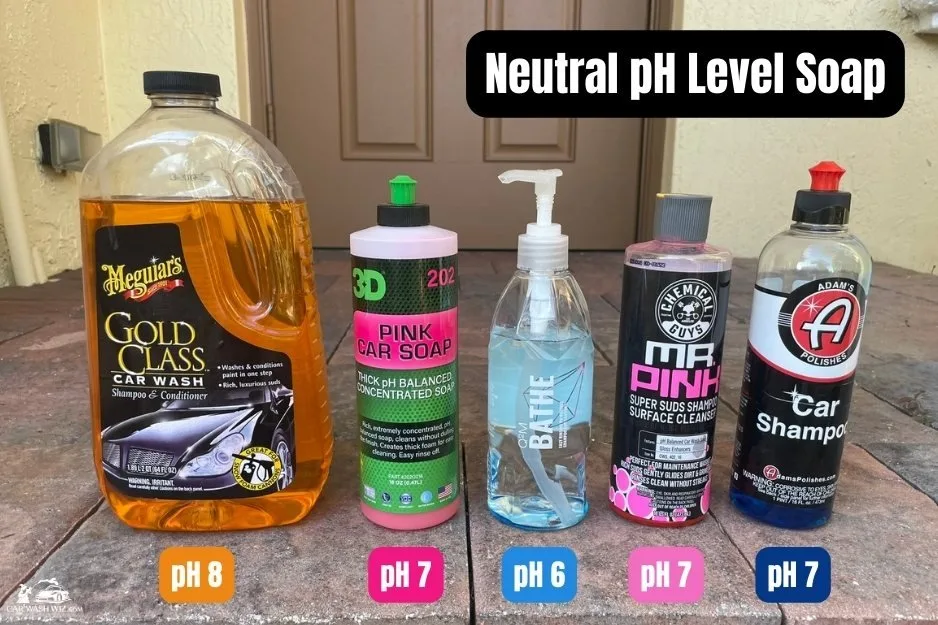
The most important factor is pH. Look for a soap that's advertised as pH neutral. The ideal range is 6.0 to 7.5.
Some manufacturers list the exact pH on the bottle. If they don't, you can buy a simple pH test strip for a couple of dollars.
Why is this range so critical? Because both your coating and your clear coat are stable in this neutral zone. You get cleaning power without chemical aggression.
In our research, every major coating manufacturer (CarPro, Gyeon, Koch Chemie) recommends pH-neutral soaps for routine maintenance.
No Harsh Additives
A coating-safe liquid should also be free of:
- Ammonia, common in glass cleaners; can soften the coating
- Bleach, found in some tire cleaners and wheel soaps
- High-concentration degreasers, too aggressive for daily washing
- Silicone oils, can leave a film that interferes with coating performance
Lubrication and Foam
Coated paint is slick. That's good. But it also means dirt slides off easily, and a high-lubrication soap helps prevent scratching during the contact wash.
Good coating-safe soaps produce thick, clingy foam. That foam lifts dirt and gives you a cushion so the wash mitt glides without pressure.
Bing (Web (fair-use with source credit))
The Three Main Types: pH-Neutral, SiO₂-Boosted, and Waterless
Not all coating-safe soaps are created equal. You have three main categories to choose from. Each serves a different purpose.
pH-Neutral Wash (The Safe Choice)
This is your everyday workhorse. It cleans without adding or removing anything. It's perfect for a car that's already been coated and maintained.
Most professional detailers use this for routine washes.
Best for: Any coated car, especially garage queens or well-maintained daily drivers.
SiO₂-Boosted Wash (The Refresher)
These soaps contain a small percentage of silicon dioxide. When you wash, a microscopic layer of SiO₂ deposits on the paint. This tops up your coating's hydrophobic properties.
It's like a booster shot.
Caveat: You don't want to use this every single wash. Overapplication can build up and create a film. Once a month or after a heavy contamination wash is ideal.
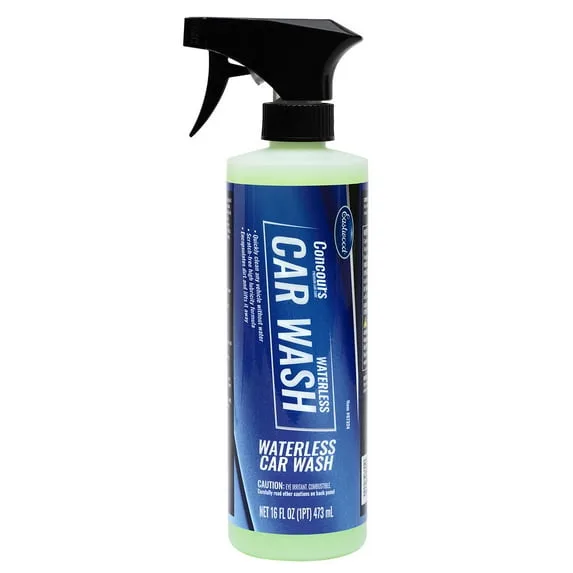
Waterless or Rinseless Wash (The Convenience Option)
These are concentrates you mix with water in a bucket or spray bottle. You don't need a hose. They encapsulate dirt so you can wipe it off safely.
They're great for apartment dwellers or quick touch-ups.
Important: Only use waterless washes specifically labeled for coatings. Some contain waxes that can interfere.
Bing (Web (fair-use with source credit))
Side-by-Side Comparison: pH-Neutral vs. SiO₂-Boosted Wash Liquids
Here's a quick look at how they stack up.
| Feature | pH-Neutral Wash | SiO₂-Boosted Wash |
|---|---|---|
| pH level | 6.0 – 7.5 | 6.0 – 7.5 (same) |
| Lubrication | High | High |
| Gloss enhancement | None (maintains existing) | Adds slight depth |
| Protection layer | None | Thin SiO₂ deposit |
| Cost per wash | $0.10 – $0.20 | $0.20 – $0.40 |
| Best for | Routine maintenance | Monthly booster wash |
Best Wash for Your Situation: Use Cases and Recommendations
Now you have the facts. Here's how to apply them to your specific situation.
- Garage-kept coated car: Stick with a high-quality pH-neutral concentrate like CarPro Reset or Gyeon Bathe. Wash every 1 to 2 weeks. Your coating stays perfect without additives.
- Daily driver with light contamination: Use an SiO₂-boosted wash once a month. Brands like Adam's Polishes Ceramic Wash or Chemical Guys HydroSuds work well. For regular weekly washes, revert to pH-neutral.
- Apartment or water restrictions: A rinseless wash like Optimum No Rinse (ONR) at the "waterless wash" dilution is coating-safe. Use plenty of microfiber towels and a grit guard.
- Professional detailer: Keep a gallon of concentrated pH-neutral soap and a separate bottle of SiO₂ booster. Use the neutral for client cars, and offer the booster as an upsell.
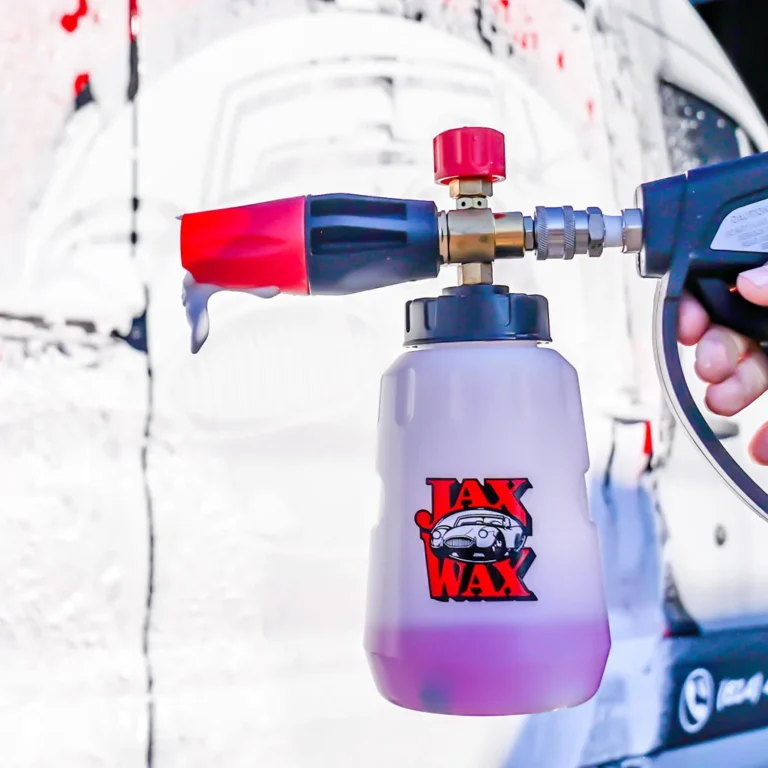
Want to get the most out of your coating? Pair any of these soaps with a good foaming sprayer to get better foam coverage and reduce scratching. Check out our guide on how a foaming sprayer works for more details.
For stubborn contaminants like tree sap or tar, never use a harsh solvent directly on your coating. Instead, use a dedicated best bug and tar remover for cars that's safe for coatings.
Cost & Dilution: What You're Really Paying Per Wash
You might see a small bottle of coating-specific soap for $15 and think it's expensive. But when you calculate the cost per wash, it's surprisingly cheap.
Most concentrates require 1 ounce per 5 gallons of water. That gives you about 128 washes from a gallon bottle. At $40 per gallon, that's $0.31 per wash.
A ready-to-use spray might be $12 for 32 ounces, which gives about 8 washes at $1.50 each. The concentrate wins hands down.
Dilution ratios vary. Always check the manufacturer's instructions. Some premium soaps use 1:1000 (very concentrated).
Others use 1:500. Don't assume. If you use too little, you lose lubrication.
Too much and you waste money and may leave residue.
Water quality matters too. Hard water reduces foam. It also increases the risk of water spots.
If you live in a hard water area, consider using distilled water for your foam cannon or bucket. Or use a wash that contains chelating agents that bind minerals.
Mistakes That Shorten Coating Life (Even With the Right Soap)
Using the correct soap is the first step. But even with the perfect liquid, you can still damage your coating. Here are the most common mistakes.
Washing in Direct Sunlight
Hot panels cause soap to dry before you rinse it. That leaves streaks and water spots. It also increases the risk of etching.
Wash in the shade or early morning.
Using Too Strong a Dilution
If you think "more soap = more cleaning," you're wrong. A concentrated mix can strip wax or sealer if present, and it can leave a film on coatings. Stick to the manufacturer's ratio.
Skipping the Pre-Rinse
A coated car is slick, but it's not self-cleaning. Heavy dirt must be rinsed off first. Use a pressure washer or a strong hose.
Then foam the car and let it dwell for 5 minutes. This lifts contaminants without you needing to scrub.
Using the Wrong Wash Mitt
A microfiber mitt is fine, but if it's full of debris from a previous wash, you'll scratch the coating. Use a clean mitt per wash. Grit guards in your bucket help too.
Drying Incorrectly
Wikimedia Commons / Dave Hitchborne (CC BY-SA)
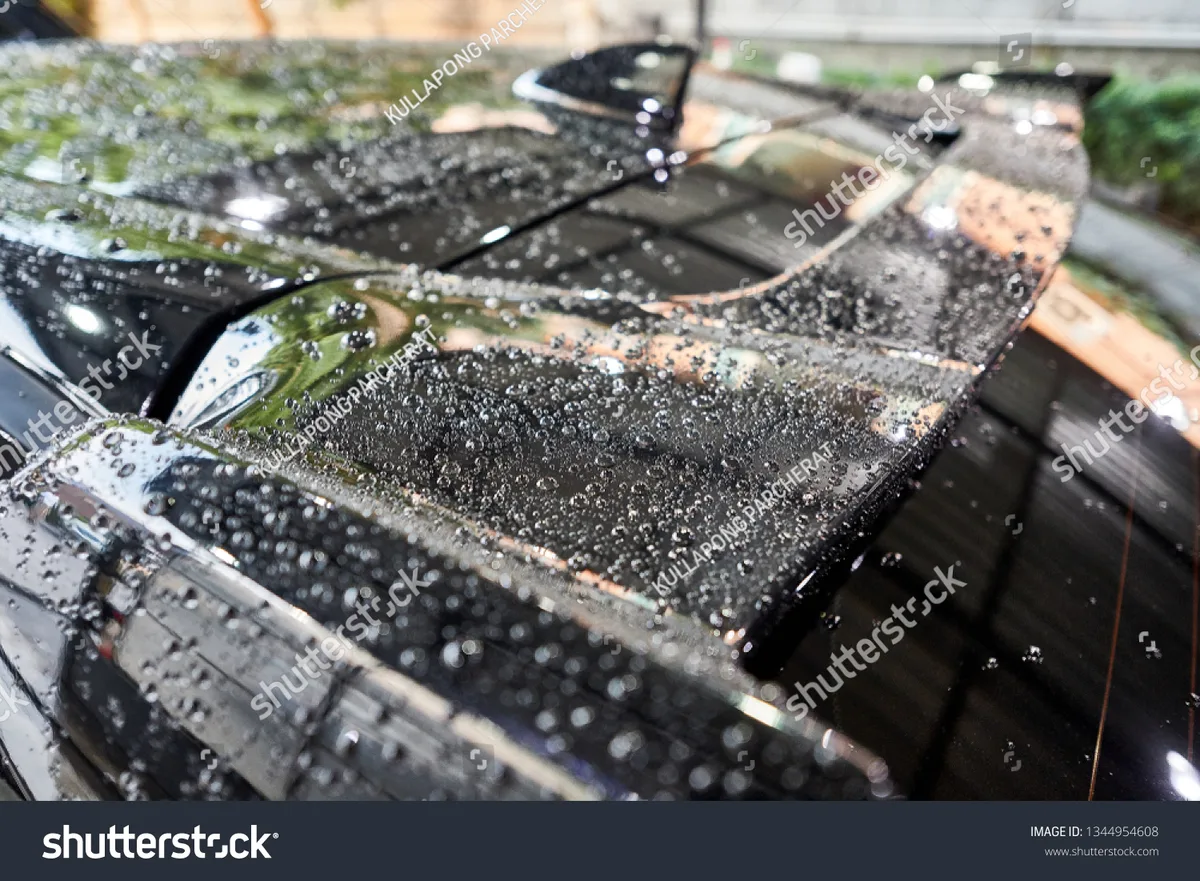
Water spots are the enemy. On a coated surface, water beads up tightly. If you don't dry quickly, those beads evaporate and leave mineral deposits.
Use a clean, plush microfiber drying towel. Blot, don't rub. Or use a forced air dryer (like a leaf blower or dedicated car dryer) to blow water off without touching the paint.
Expert Tips for Washing a Coated Car (Without Overcomplicating It)
You don't need a garage full of expensive tools. Here's the simple routine that professional detailers recommend.
The Two-Bucket Method with Grit Guards
This is non-negotiable. Fill one bucket with soapy water and one with clean water. Dip your mitt in the soap.
Wash a panel. Rinse the mitt in the clean water bucket. Then reload soap.
The grit guard at the bottom of each bucket traps dirt so you don't drag it across your paint.
How to Foam Properly
Foam clings better to a coated surface than bare paint. Apply foam with a foaming sprayer or foam cannon. Let it dwell for 5 to 10 minutes.
Rinse thoroughly before touching the car. This removes the majority of grit.
Drying Technique
After rinsing, use a microfiber wax removal towel or a dedicated drying towel. Lightly blot the surface. Work from top to bottom.
If you have an air compressor with a blow gun, use it to blow water out of crevices like mirrors, emblems, and door handles.
When to Use a Booster Spray
After every few washes, or after a heavy rain, apply a silica-based spray to restore beading. But don't overdo it. Once a month is plenty.
More frequent application can cause buildup.
For glass specifically, you can use a dedicated ammonia free glass cleaner for cars around your coated paint to avoid any overspray issues.
Frequently Asked Questions
Can I use dish soap on a ceramic coating?
No. Dish soap is highly alkaline (pH 9+) and contains degreasers. It will strip your coating over time.
Stick to a pH-neutral car wash soap.
Is baby shampoo safe for coatings?
Baby shampoo is typically mild and pH-neutral. It's a decent emergency option, but it's not formulated for automotive paint. It lacks the lubricants and foam profile that keep your wash safe.
Use a real coating soap.
How often should I wash my coated car?
Every 1 to 2 weeks is ideal. More often in winter or dusty conditions. Less often if it's garaged.
Washing frequently keeps contaminants from bonding to the coating.
Do I need a special soap for graphene coatings?
Graphene coatings are chemically similar to ceramic coatings. They like the same pH-neutral environment. Some graphene-specific soaps exist, but any high-quality coating-safe soap works fine.
What about matte coatings or PPF?
Matte coatings and paint protection films have different chemistry. Use a soap specifically labeled "matte safe" or "PPF safe." Standard coating soaps may contain gloss enhancers that can affect the matte finish.
Can I use a wax-based soap on top of a coating?
Avoid it. The wax will reduce the coating's hydrophobic ability over time. It's counterproductive.
If you want extra gloss, use an SiO₂ booster spray instead.
Final Verdict: Which Coating Car Wash Liquid Should You Buy?
If you're new to coated car care, start with a proven pH-neutral concentrate. It's the safest, most cost-effective option. Brands like CarPro Reset or Gyeon Bathe are industry standards for a reason.
They clean without stripping. They foam well. They rinse clean.
If you want added protection, try an SiO₂-boosted wash like Adam's Polishes Ceramic Wash or Chemical Guys HydroSuds. Use it once a month. For every other wash, stick to pH-neutral.
For apartment dwellers or quick cleanups, a rinseless wash like Optimum No Rinse is coating-safe and incredibly convenient.
Your coating can last 2 to 5 years with proper maintenance. The soap you choose is the foundation of that maintenance. Pick wisely, wash gently, and enjoy that slick, glossy finish every time you drive.
For tougher jobs like removing pine sap or asphalt, check our guide on the best pine tar remover for cars, but remember to reapply a coating booster after using any strong solvent.