ByMax Lee
Guide to the “basic Speed Rule” in Arctic Conditions
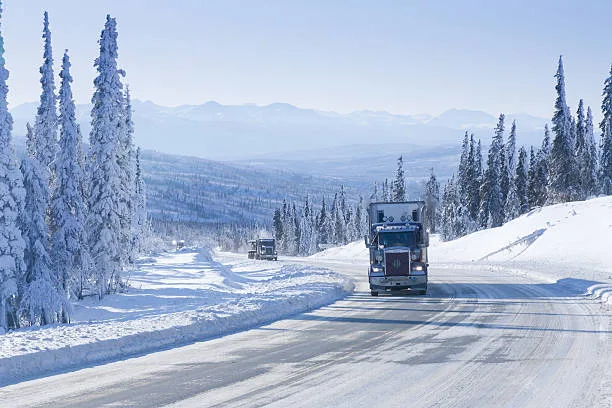
You’ve probably driven past a speed limit sign on an Alaska highway and wondered: is this actually safe right now? The answer, more often than not, is no. The “Basic Speed Rule” in Arctic Conditions isn’t just a legal technicality.
It’s a life-saving principle every car owner in Alaska needs to understand. It says you must never drive faster than what’s safe for the current conditions, regardless of the posted limit.
Alaska State Troopers report that speed too fast for conditions is a leading factor in winter crashes. At just 40 mph on glare ice, your stopping distance can exceed 300 feet. That’s more than a football field.
That changes how you think about “reasonable and prudent” in a hurry. Let’s break down what this rule actually means for your drive.
Quick Answer
The Basic Speed Rule in Arctic Conditions requires you to drive at a speed that is reasonable and prudent for the current conditions. Posted speed limits are not safe on ice or in whiteouts. You must reduce speed until you can stop within the distance you can see.
This is the law in Alaska under AS 28.33.110.
Bing (Web (fair-use with source credit))
Why This Rule Matters More in Alaska Than Anywhere Else
Alaska roads are different. Not just colder. They’re more unpredictable.
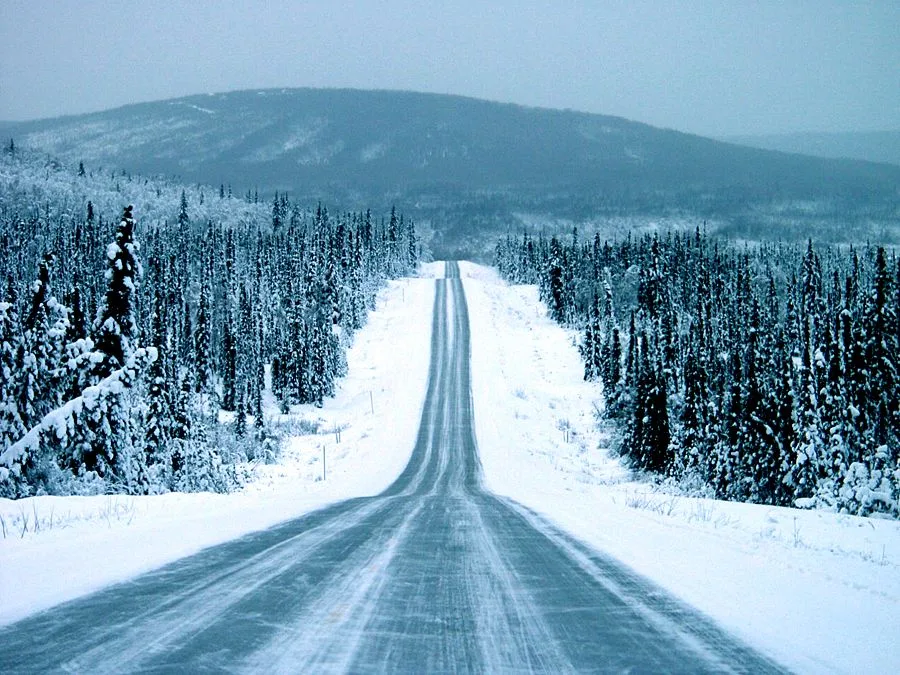
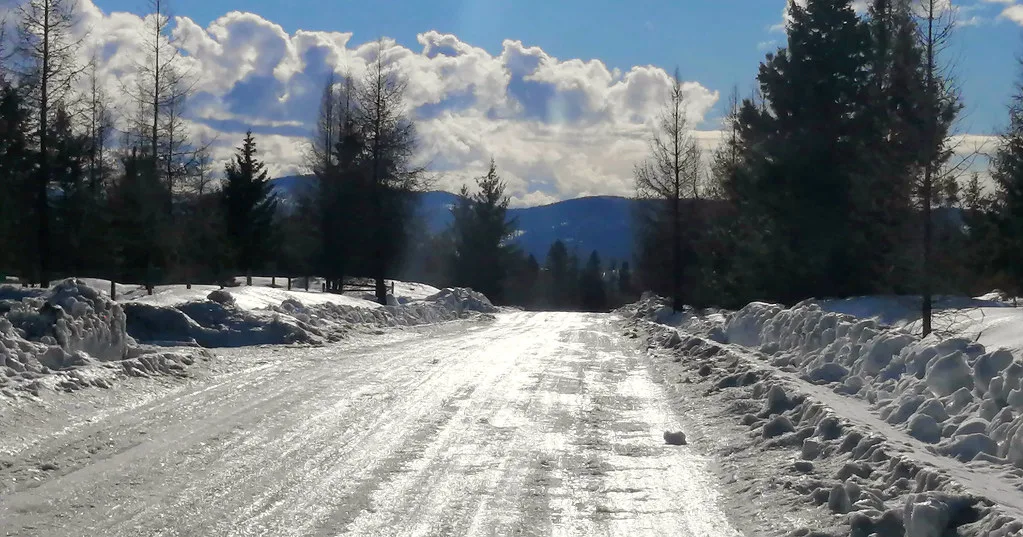
A road that looks dry at 30°F can turn to polished glass in a quarter mile. Black ice doesn’t announce itself. Whiteouts can drop visibility to zero in seconds.
Wildlife like moose can appear around any bend on a frozen highway.
The Lower 48 has winter driving. Alaska has a whole other level of it. In our research, we found that the average Alaska driver faces more than 50 days of icy conditions each winter.
That’s a lot of chances to misjudge speed. The Basic Speed Rule is designed for exactly these conditions. It forces you to stop thinking about the posted limit and start thinking about what’s actually under your tires.
Another factor is isolation. On the Parks Highway or the Dalton, help can be an hour away or more. If you slide off the road at 60 mph because the limit says 65, you’re not just breaking the law.
You’re risking your life and the lives of anyone with you. The rule isn’t about tickets. It’s about survival.
What the Basic Speed Rule Actually Says (Alaska Statute AS 28.33.110)
Let’s get specific. Alaska Statute AS 28.33.110 is the law. It says you must drive at a speed that is “reasonable and prudent” given the conditions.
That means you consider:
- Traffic volume
- Road surface (ice, snow, bare pavement)
- Weather (fog, snow, blowing snow)
- Visibility distance
- Your vehicle’s braking capability
The law also says you cannot drive faster than allows you to stop within the distance you can see ahead. That’s the core test. If you can only see 200 feet because of fog, you must be able to stop in 200 feet.
The posted speed limit is irrelevant.
Here’s what most Alaskans miss: the Basic Speed Rule applies everywhere, not just in winter. But in arctic conditions, it becomes the primary law. A 55 mph zone on dry pavement doesn’t mean 55 mph on glare ice.
Troopers can cite you even if you’re below the posted limit. They do it regularly.
For the full legal text, you can read the statute directly at the Alaska State Legislature site. It’s short and worth knowing.
How Arctic Conditions Change the Math on “Reasonable and Prudent”
The phrase “reasonable and prudent” sounds vague. But the math is brutal. Here’s what happens to stopping distances on different surfaces at 40 mph:
| Surface Type | Stopping Distance (approx) | Reaction Time Included |
|---|---|---|
| Dry pavement | 120 feet | Yes |
| Packed snow | 240 feet | Yes |
| Glare ice | 300+ feet | Yes |
| Black ice | 400+ feet | Yes |
That’s at only 40 mph. On glare ice, you need nearly three times the stopping distance compared to dry pavement. Now imagine you’re doing 55 mph in a whiteout.
Your stopping distance stretches past 500 feet. If a moose steps out 200 feet ahead, you’re hitting it.
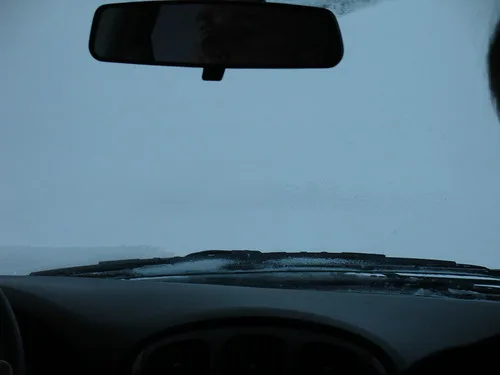
Visibility is the other factor. In a whiteout, you might see only 100 feet. The rule demands you can stop in that distance.
On ice, that means a speed of roughly 15 to 20 mph. Anything faster is legally and physically unsafe.
Reaction time also changes. At 20°F, your reflexes are slower. Cold tires lose grip.
ABS systems take longer to cycle on ice. The whole system slows down. That’s not an excuse.
It’s a reason to drive even more cautiously.
The Real Problem: Overconfidence in 4WD and Studded Tires
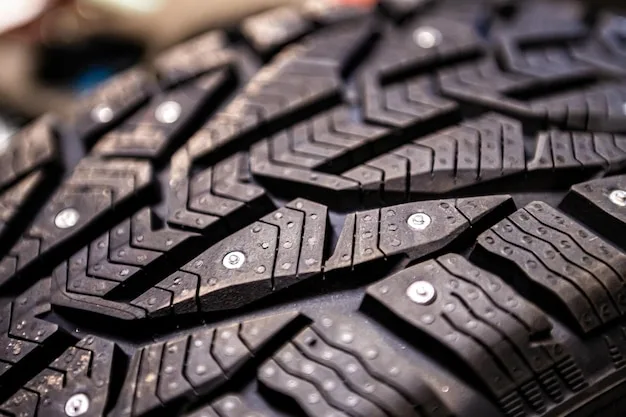
This is the biggest mistake we see. People buy a truck with four-wheel drive, slap on studded tires, and think they’re invincible. They’re not. 4WD helps you accelerate on snow.
It does almost nothing for braking. Studded tires improve grip on ice, but they don’t eliminate sliding.
Bing (Web (fair-use with source credit))
Here’s the reality. A 4WD vehicle on studded tires can still take 250 feet to stop from 40 mph on glare ice. That’s still too long for many situations.
The overconfidence leads people to drive faster than they should. They think the rule doesn’t apply to them. It does.
We’ve seen this pattern in accident reports across Alaska. Drivers in lifted trucks with aggressive tires are overrepresented in single-vehicle winter crashes. They slide off curves, rear-end stopped cars, or hit wildlife.
The common thread is speed. They were going too fast for the conditions, even if they were under the limit.
Another myth is that studded tires let you ignore black ice. They don’t. Black ice is so smooth that even studs can lose traction at higher speeds.
The only safe approach is to drive slowly enough that you can stop if you hit a patch. That speed is usually 30 mph or less on suspect roads.
If you want to protect your vehicle from winter salt damage, read our guide on Does Ceramic Coating Protect Against Salt. Salt accelerates rust, and a good coating can help.
Step-by-Step: How to Set Your Speed in Arctic Conditions
Here’s a practical process you can use today. It’s based on the law and real-world driving experience. Follow these steps every time you drive in winter conditions.
1. Assess the surface. Look at the road. Is it bare, packed snow, or shiny?
Shiny means ice. Assume glare ice until proven otherwise. If you see steam rising from the pavement, that’s a sign of black ice.
2. Check the temperature. Black ice forms most often when pavement is between 28°F and 32°F. If you’re in that range, treat every patch of road as potentially slick.
Below 20°F, packed snow stays dry and grippy. But ice is still dangerous.
3. Apply the stripped down speed test. Ask yourself: “If I had to stop right now in the distance I can see, could I?” If the answer is no, slow down. That’s the legal standard.
It’s also the safest.
4. Adjust for your vehicle. A heavy SUV with winter tires stops differently than a light car with all-seasons. Know your vehicle’s limits.
If you feel ABS kicking in at lower speeds on gentle braking, you’re already going too fast.
5. Verify visibility. In fog or blowing snow, you can’t see far. Reduce speed until you can see at least the distance it takes to stop.
That might mean 20 mph or slower. Pull over if you can’t see at all.
6. Reassess continuously. Conditions change fast. A clear stretch can turn icy in a mile.
A sunny day can become a whiteout in minutes. Keep checking your speed against the road every few minutes.
For more vehicle care tips in Alaska, check out our main blog. We cover winter maintenance, cleaning, and protection for your car.
Bing (Web (fair-use with source credit))
Bing (Web (fair-use with source credit))