ByMax Lee
Guide to Ice Road Safety and Legal Liabilities
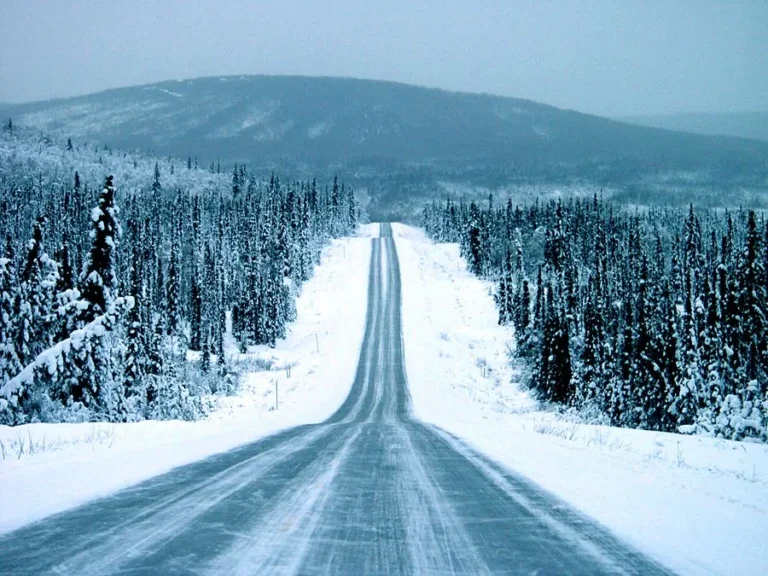
Ice road driving in Alaska isn't a thrill ride. It's a survival skill with legal strings attached. Most drivers don't realize that ice road safety and legal liabilities are two sides of the same coin, and ignoring one can wreck you financially and physically.
As of 2026, Alaska's ice road season has shrunk by roughly three weeks compared to two decades ago, according to the Alaska Center for Climate Assessment and Policy. Thinner ice means higher risk, and higher risk means more lawsuits. Let's walk through what you actually need to know before you roll a tire onto a frozen river or tundra trail.
Why Accuracy Matters on Alaska's Ice Roads
A lot of what passes for ice road advice online was written by people who've never seen actual ice. They copy outdated rules from warmer states or Canadian provinces that have different legal standards. That's dangerous in Alaska because your liability here depends on exactly who maintains the road, what you signed (or didn't sign), and whether you checked the ice at all.
Alaska law treats ice roads differently than paved highways. You can't assume the state has your back if something goes wrong. In fact, the state explicitly limits its own liability on many seasonal routes.
That shifts the burden onto you as the driver.
Bad information leads to bad decisions. Bad decisions on ice lead to broken vehicles, hypothermia, and expensive legal fights. Accuracy matters because the margin for error is inches of ice and paragraphs of statute.
The Core Facts: How Alaska's Ice Roads Actually Work
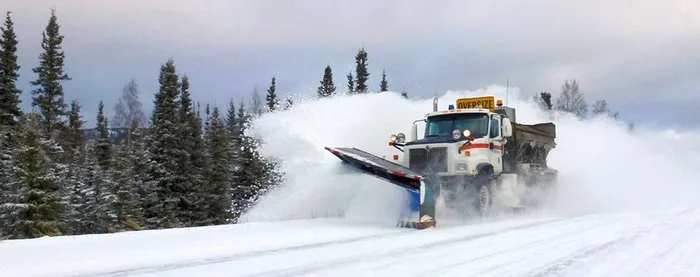
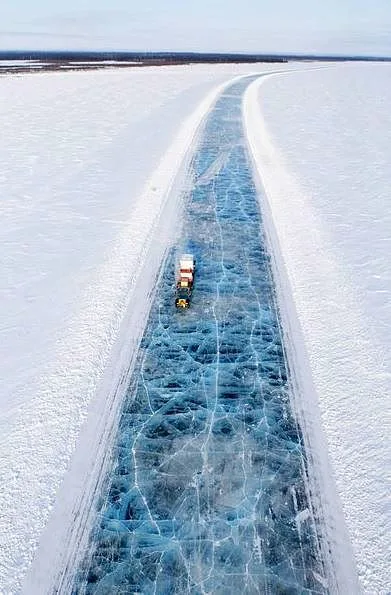
Ice roads in Alaska fall into two main categories: state-maintained and community-maintained. The state routes, like sections of the Dalton Highway spur roads and some North Slope access roads, get regular inspections and load posting. The community routes, which connect villages like Bettles, Huslia, and Arctic Circle outposts, are often maintained by local residents or tribal councils with minimal funding.
Load limits on ice roads are calculated based on ice thickness, temperature, and age of the ice. A typical rule of thumb is eight inches of clear, solid ice for a small truck. Twelve inches or more for a heavier vehicle.
But that's a starting point, not a guarantee.
Here's what affects ice strength:
| Factor | How It Changes the Risk |
|---|---|
| Temperature swings | Warm spells weaken ice from below |
| Snow cover | Insulates ice, slows freezing |
| Current under the ice | Scours ice from underneath |
| Pressure ridges | Create weak spots and cracks |
| Vehicle weight distribution | Concentrated loads punch through faster |
Bing (Web (fair-use with source credit))
Alaska's ice roads exist because they're cheaper than air freight for communities that have no permanent road access. A single fuel delivery by truck costs a fraction of what a plane charges. But the savings come with real risk, and that risk has legal consequences you need to understand before you head out.
Who Maintains the Road? The Legal Responsibility Gap
This is the part that surprises most drivers. On Alaska's state-maintained ice roads, the Department of Transportation posts weight limits and may close a route when conditions are dangerous. But they do not guarantee that the ice is safe.
State law limits their liability for injuries or losses caused by ice conditions on seasonal roads.
On community-maintained routes, the situation is even murkier. Many of these roads are informal winter trails that get graded by local residents with a snowplow. There is no posted load limit, no inspector, and no legal entity taking responsibility.
If you break through on a community trail, the question of who is liable falls entirely on you as the driver.
Alaska Statute 19.05 outlines the state's duty to maintain highways, but ice roads are explicitly treated as "seasonal facilities" with reduced maintenance obligations. That means you cannot sue the state for inadequate ice conditions unless gross negligence can be proven, which is a very high bar.
For private ice roads used by mining operations or oil companies, drivers often sign liability waivers before they're allowed on the road. These waivers can hold up in Alaska courts under certain conditions, but they are not ironclad. The Alaska Supreme Court has ruled that waivers cannot shield a company from gross negligence or intentional misconduct.
If you are driving on a community ice road, assume no one else is responsible for your safety. That assumption will keep you alive. For more on understanding your vehicle's condition in challenging environments, our blog covers a range of winter driving preparation topics.
Your Vehicle and the Ice: What's Required vs. What's Recommended
Alaska law does not have a special vehicle inspection requirement for ice road driving. But if you drive a poorly prepared vehicle onto an ice road and cause an accident or break through, your lack of preparation can be used as evidence of negligence in a lawsuit.
What Alaska law does require:
- Studded tires are allowed from October through April. Outside that window, you can be fined.
- Seatbelts are mandatory on all highways, including ice roads.
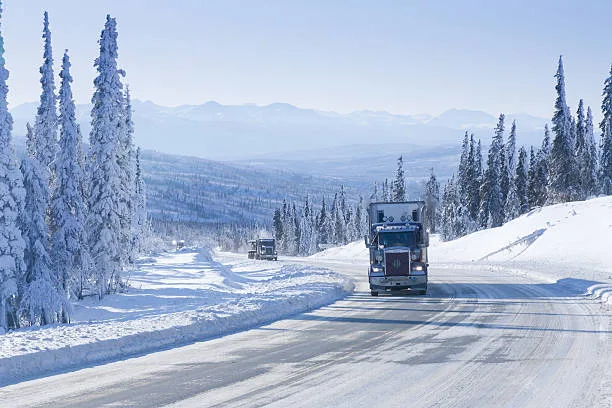
- Commercial vehicles must follow federal motor carrier safety regulations even on ice.
What is legally optional but practically required:
- Cold-weather engine heaters (block heater, battery warmer, oil pan heater). Without them, your engine may not start at temperatures below -20°F.
- CB radio or satellite phone. Cell service does not exist on most ice roads.
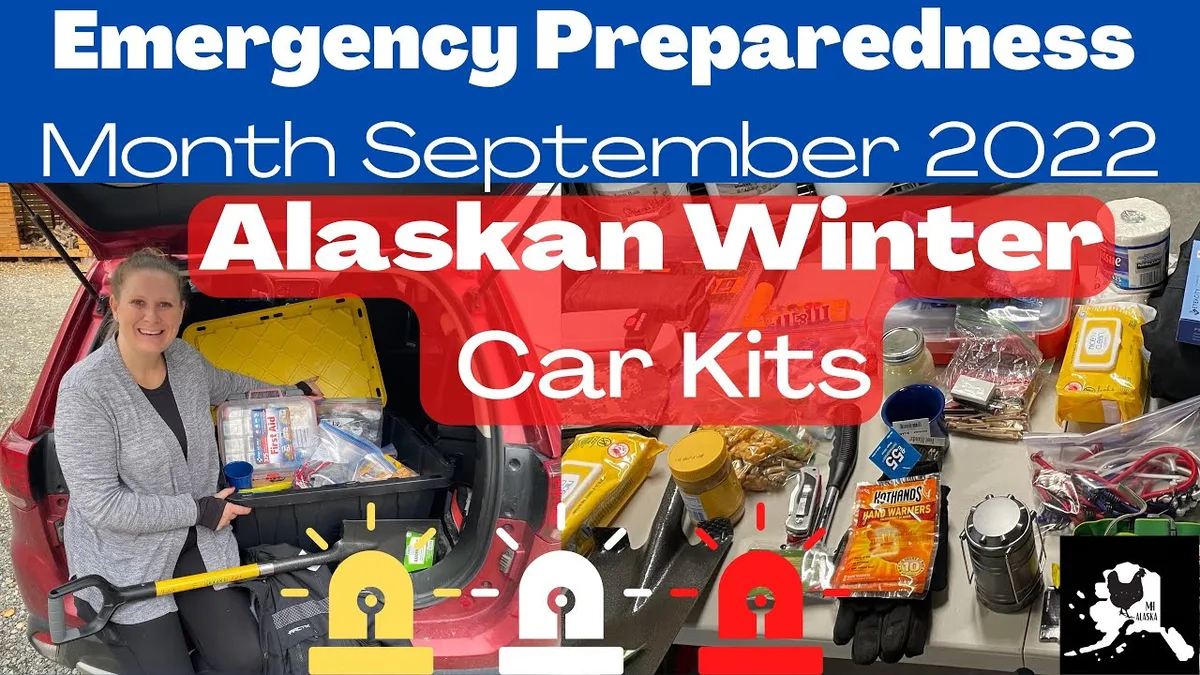
- Emergency survival gear. Alaska does not mandate a survival kit by statute, but a lack of one can be cited as negligence in a civil case if you become stranded and suffer preventable harm.
Your vehicle's weight distribution matters more on ice than on pavement. A truck with an empty bed and heavy front end puts more pressure on the front axle, which concentrates force on a smaller patch of ice. That can crack ice that would hold a properly loaded vehicle.
If you are driving a vehicle with ceramic coating, keep in mind that road salt and ice melt chemicals are used on some approaches to ice roads. Salt can damage coatings if not washed off promptly. For more on that, read about whether ceramic coating protects against salt.
How to Check Ice Thickness Before You Drive
This is the single most important skill for ice road driving. Do not trust posted signs alone. Do not trust what someone told you last week.
Check the ice yourself or watch someone check it.
The standard method is simple but requires the right tools.
What you need:
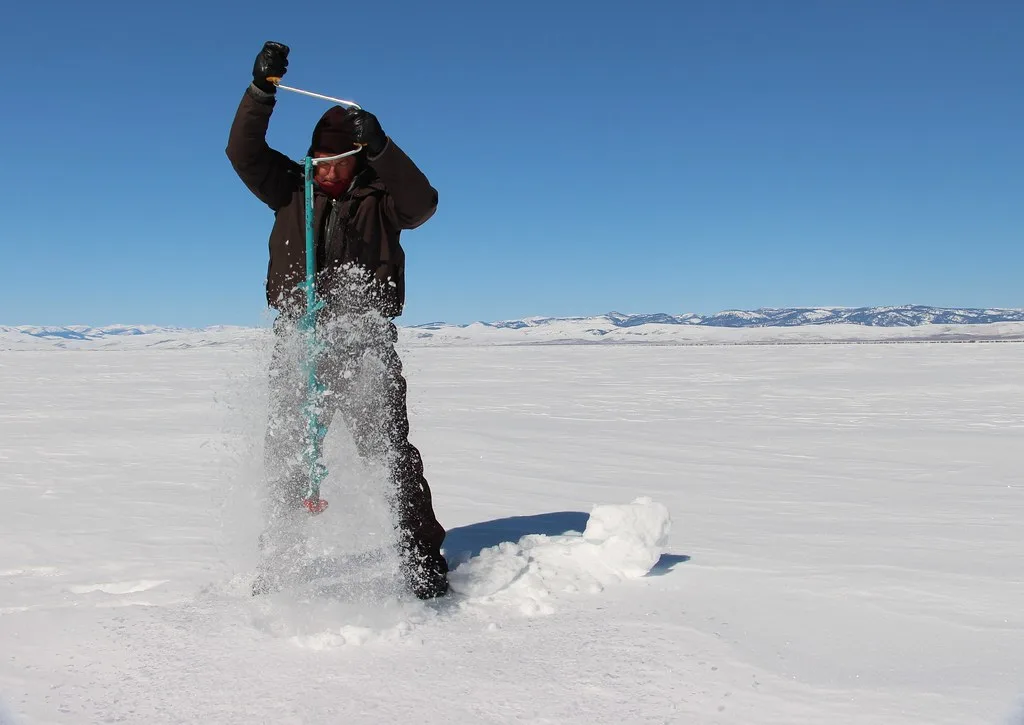
- A manual auger or ice chisel. Power augers work too but are heavier.
- A measuring tape with clear markings.
- A rope tied to your waist if you are working alone (in case the ice breaks under you).
The process:
- Drill or chisel a hole at the edge of the road where you plan to drive.
- Measure the ice thickness from the top surface to the bottom of the ice. Do not include slush or snow.
- Check in multiple spots. Ice thickness varies widely within a few feet.
- Look for clear blue ice. Cloudy white ice is weaker. Gray or dark patches indicate water or thin ice.
Openverse / USFWS Mountain Prairie (PDM 1.0)
Minimum thickness guidelines for clear blue ice:
| Vehicle Weight | Minimum Ice Thickness |
|---|---|
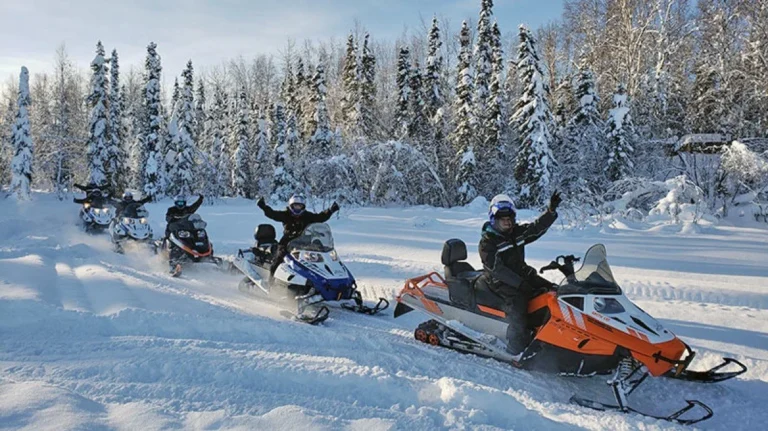
| Snowmachine or ATV | 5 inches |
| Small car or SUV | 8 inches |
| Light truck (under 6,000 lbs) | 10 inches |
| Medium truck (6,000-10,000 lbs) | 12 inches |
| Heavy truck (over 10,000 lbs) | 15+ inches |
These numbers assume good quality ice, consistent temperatures below freezing, and no current underneath. If any of those conditions are not met, add 50 percent to the minimum.
If you hit overflow water on top of the ice, turn around immediately. Overflow means the ice has sunk below the water line, which indicates weakening or cracking below. Do not drive through overflow to "get to the solid part." The solid part may not exist.
Checking ice thickness is a skill that gets better with experience, but it never becomes optional. Every trip, check again. Conditions change overnight.
For maintaining your vehicle's undercarriage in winter conditions, proper manual cleaning equipment using in car wash setups can help remove salt and ice melt residue.
Bing (Web (fair-use with source credit))
Bing (Web (fair-use with source credit))