ByMax Lee
Guide to Studded Tire Road Damage Fees
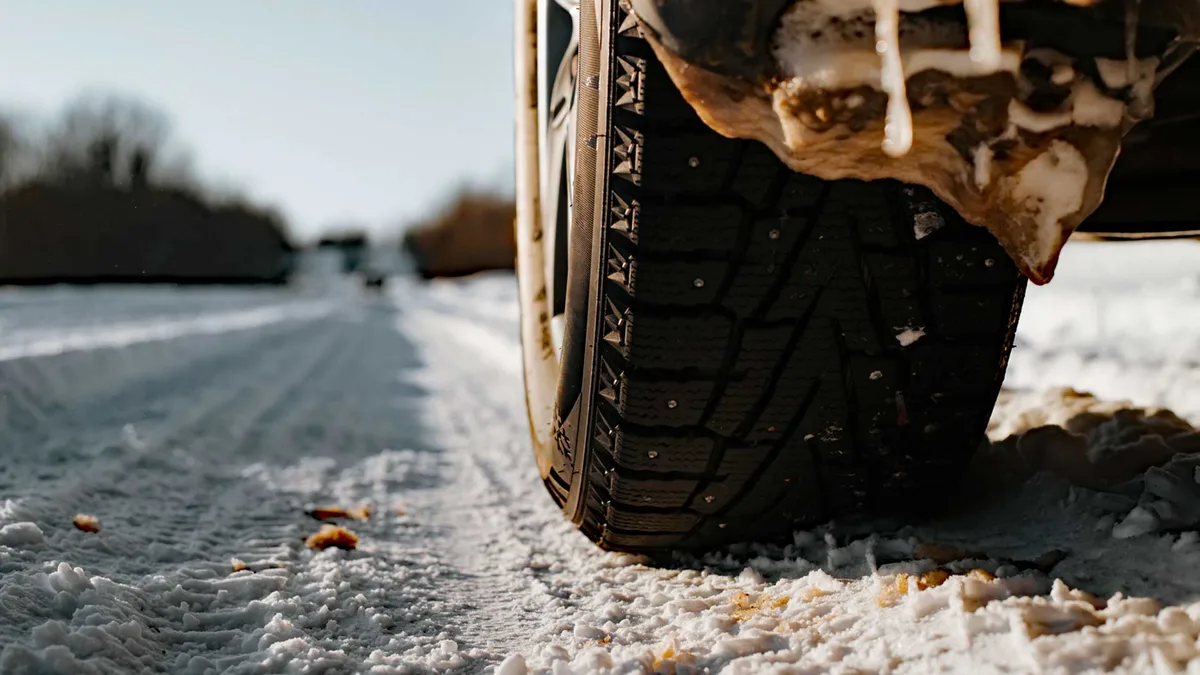
Every winter, Alaska drivers face a tough call. Studs give you grip on ice. But they also chew up the pavement.
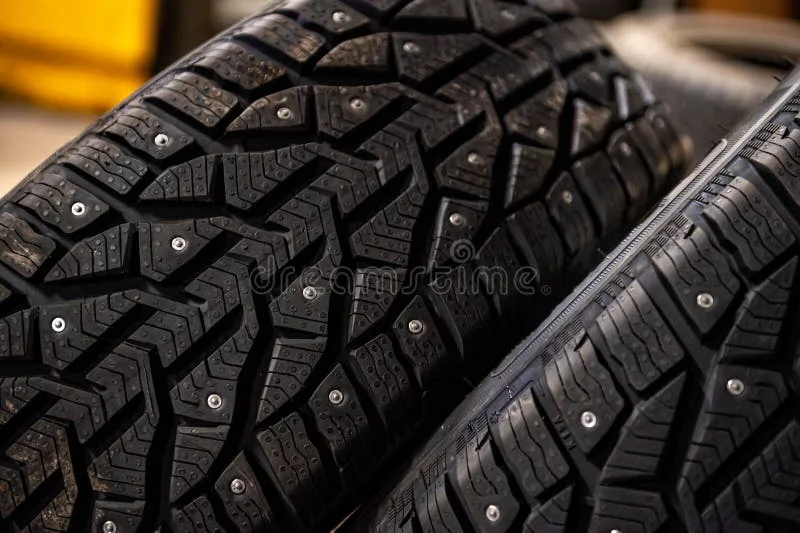
If you run studded tires in Alaska, you pay Studded Tire Road Damage Fees to the state. These fees fund repairs for the ruts and grooves those metal studs carve into roads each season.
As of 2026, the fee sits at $5 per tire for passenger vehicles. That means $20 for a standard car per winter. The Alaska Department of Transportation and Public Facilities collects this money and uses it for road repair programs.
Let's walk through exactly how this works, who pays, and what it means for your wallet.
Bing (Web (fair-use with source credit))
Quick Answer
Alaska charges a studded tire road damage fee of $5 per tire. The fee applies from September 15 to April 30. Passenger cars pay $20 total per season.
Commercial vehicles pay higher rates. You must pay before installing studs. The money funds road rut repairs across the state.
Why This Matters for Alaska Drivers
Alaska winters are long and icy. Studded tires give you real traction on glare ice. But they come with a cost beyond the purchase price.
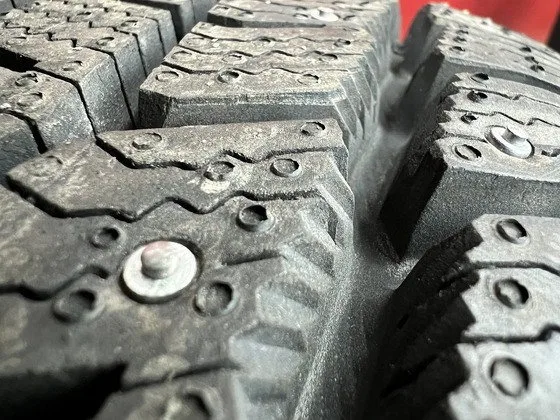
The metal studs scrape asphalt like sandpaper. Over one season, thousands of vehicles create deep ruts in highway lanes.
Those ruts are dangerous. They trap water that freezes into ice strips. They make steering unpredictable.
They force expensive repaving projects the state has to fund somehow.
The studded tire fee shifts some of that cost to the drivers causing the damage. It is not a tax. It is a user fee.
If you use studs, you help pay for the repair. If you skip studs, you do not pay.
Our research shows most Alaska drivers accept this trade-off. You get the safety benefit of studs. You pay a small fee for the road wear they cause.
The alternative would be a flat ban like some states have. Alaska chose this middle path.
How the Studded Tire Fee Works in Alaska
Bing (Web (fair-use with source credit))
The fee is simple on paper. You pay per tire per season. The Alaska DOT&PF sets the rate.
As of 2026, passenger vehicles pay $5 per studded tire. That covers the entire winter season.
Here is the breakdown:
| Vehicle Type | Fee Per Tire | Typical Total (4 tires) |
|---|---|---|
| Passenger car | $5 | $20 |
| SUV / light truck | $5 | $20 |
| Heavy commercial (under 26,000 lbs) | $8 | $32+ |
| Heavy commercial (over 26,000 lbs) | $12 | $48+ |
The fee covers one season only. You pay again next year if you stud up. There is no multi-year discount or lifetime option.
You can pay at any DMV office. You can also pay online through the Alaska DOT&PF payment portal. After payment, you get a decal or receipt to keep in your vehicle.
Some enforcement officers check for proof of payment during winter road stops.
The money goes into a dedicated fund. The DOT&PF uses it specifically for studded tire road repairs. This includes milling down rutted pavement and repaving damaged sections.
Our research confirms the fund is audited annually.
Who Pays the Fee: Passenger vs. Commercial Vehicles
Bing (Web (fair-use with source credit))
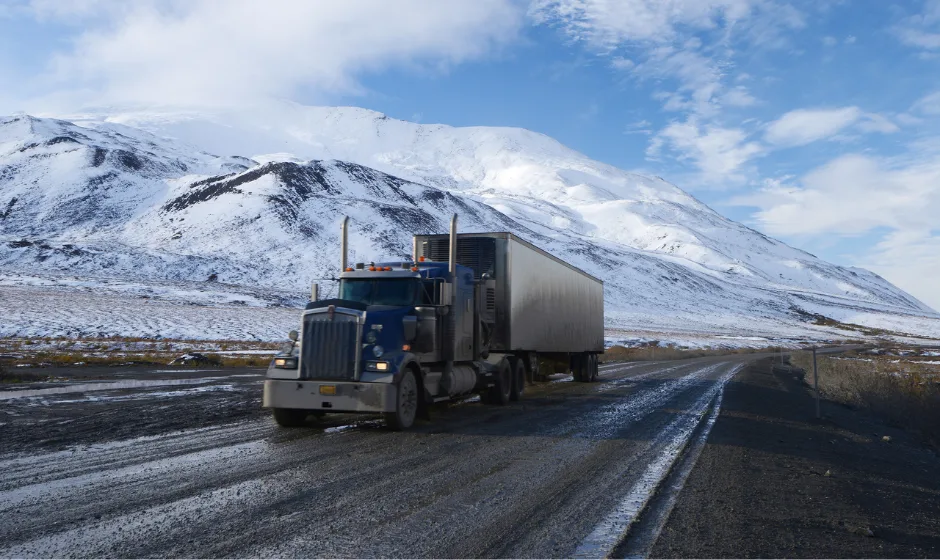
Every vehicle with studded tires on Alaska roads pays the fee. But the amount depends on your vehicle class.
Passenger vehicles pay the flat $5 per tire. This covers cars, SUVs, and light pickup trucks. If you drive a standard sedan with four studded tires, you pay $20.
If you drive a truck with six tires, you pay $30.
Commercial vehicles pay more. The state considers weight when setting the fee. Heavier trucks cause more road damage per mile.
Their studs dig deeper into pavement.
| GVWR (Gross Vehicle Weight Rating) | Fee Per Tire |
|---|---|
| Under 10,000 lbs | $5 |
| 10,001 – 26,000 lbs | $8 |
| Over 26,000 lbs | $12 |
Fleet operators need to budget for this. A semi truck with 10 studded tires at $12 each pays $120 per season. For a fleet of 50 trucks, that adds up fast.
Some commercial operators choose studless winter tires instead. Modern winter tire compounds work well on ice without studs. The fee is one factor pushing fleets toward non-studded options.
Check our blog for more on winter driving preparation.
The Seasonal Window: When the Fee Applies
Alaska sets a specific window for legal studded tire use. The fee applies only during this window.
The season runs from September 15 to April 30 each year. These dates match Alaska's typical winter conditions. You can install studs starting September 15.
You must remove them by April 30.
If you drive on studs outside this window, you face penalties. The fee does not cover off-season use. You could get a citation for illegal studded tire operation.
Here is the logic behind the dates:
- September 15, Early enough for first freeze events in interior Alaska
- April 30, Late enough for spring ice on mountain passes
- Off-season, Studs on dry pavement cause excessive road damage
Some Alaska regions get frost earlier or later. But the statewide window is fixed. Fairbanks might need studs by mid-September.
Anchorage might not need them until October. The law does not adjust for local conditions.
Pay the fee once during the window. You do not need to pay multiple times if you install and remove studs mid-season. One payment covers the full September 15 to April 30 period.
Step-by-Step: How to Pay and Stay Compliant
The payment process is straightforward. Here is exactly what you need to do.
Step 1, Decide if you need studs. Not every vehicle needs them. Modern winter tires without studs handle most Alaska conditions. If you drive mostly in Anchorage or on cleared highways, studless tires might work fine.
Step 2, Purchase your studded tires. Buy from any tire shop in Alaska. The shop might ask about the fee. Some dealers include the fee in the tire price.
Ask before you pay.
Step 3, Pay the fee. You have three options:
- Online through the Alaska DOT&PF website
- In person at any DMV location
- By mail with a check or money order
Step 4, Get your proof of payment. After paying, you receive a receipt or decal. Keep it in your glove box. Some drivers tape the decal to their windshield.
Step 5, Install your studded tires. You can install them yourself or have a shop do it. Make sure all four tires on your vehicle are studded for balanced handling. Mixing studded and non-studded tires is not safe.
Step 6, Drive through the season. Your payment is good through April 30. You do not need to do anything else unless you get new tires mid-season.
Step 7, Remove studs by April 30. Swap back to summer tires or all-seasons. Driving on studs past the deadline can get you a ticket.
For help with vehicle preparation, check our guide on prepare touchless washing to keep your car clean through winter road salt.
Common Mistakes That Cost You Extra
Paying the fee is simple. But drivers make avoidable errors every winter. Here are the most common ones.
Mistake 1, Paying late. The fee covers the full season. But some drivers wait until November or December to pay. If you get pulled over before paying, you might get a citation.
Pay as soon as you install studs.
Mistake 2, Losing your proof of payment. The decal or receipt is your only evidence. Keep it in your glove box. Some drivers tape it to their windshield.
If you lose it and get stopped, proving payment becomes a hassle.
Mistake 3, Assuming the fee covers all tires. The fee is per studded tire. If your vehicle has six tires but you only paid for four, you owe more. Count your studded tires before paying.
Mistake 4, Mixing studded and non-studded tires. This is not a fee issue. It is a safety issue. Studded tires have different grip characteristics.
Mixing them with non-studded tires creates unpredictable handling. If you stud up, do all four.
Mistake 5, Forgetting about out-of-state driving. If you drive studded tires outside Alaska, check local laws. Some states ban studs entirely. Others have different fee structures.
On the other hand, if you bring a vehicle into Alaska with studs already installed, you still owe the fee. The fee applies to any vehicle on Alaska roads, regardless of registration state.
For winter vehicle care tips, read our guide on does ceramic coating protect against salt. Salt and winter grime can damage your paint during stud season.
What Happens If You Don't Pay
The fee is mandatory. Skipping it carries real consequences.
Financial penalties come first. The exact late fee amount varies. Our research shows Alaska DOT&PF adds a surcharge for late payments. This surcharge can reach 50 percent of the original fee.
That turns a $20 fee into a $30 fee.
Citations are possible. Law enforcement officers can cite you for unpaid fees. A citation carries its own fine on top of the original fee. Depending on where you are stopped, that fine might be $50 to $100.
Vehicle registration issues can follow. Alaska ties some fees to registration renewal. An unpaid studded tire fee can block your registration renewal. You cannot renew until you pay the balance plus penalties.
Repeat offenders face higher costs. Multiple violations signal noncompliance. Officers may target known violators. The state tracks payment records by license plate.
Here is the risk breakdown:
| Scenario | Cost Impact |
|---|---|
| Pay on time | $20 (passenger car) |
| Pay late with surcharge | $30+ |
| Get a citation | $70 to $120 total |
| Blocked registration | You cannot renew until paid |
The math is clear. Paying on time saves you money and hassle.
Exemptions and Special Cases
Not every studded tire vehicle pays the full fee. Alaska has some exceptions.
Government vehicles are exempt. Police cars, ambulances, fire trucks, and other emergency vehicles do not pay the fee. Same goes for state and municipal road maintenance vehicles. These vehicles serve public safety.
The state waives the fee as a practical matter.
Agricultural vehicles sometimes qualify. If your vehicle is used primarily for farming or logging on private roads, you might not need to pay. Check with Alaska DOT&PF for specific rules. The exemption does not cover driving on public highways.
Out-of-state vehicles are not exempt. This is a common misunderstanding. If you drive into Alaska with studded tires, you must pay. The fee applies to any vehicle on Alaska roads regardless of where it is registered.
Tourists and seasonal workers need to know this.
Temporary permits are not available. Some states offer short-term passes. Alaska does not. There is no daily or weekly fee option.
You pay the full season rate even if you only drive studs for a month.
Medical exemptions are rare. If you have a documented medical need for studded tires, you can request an exemption. The process requires a doctor's note and approval from DOT&PF. Our research indicates very few exemptions are granted each year.
How the Fee Compares to Other Winter Tire Options
Is paying $20 for studded tires worth it? Or should you skip studs and use modern winter tires instead?
Here is the honest comparison.
Studded tires with fee. You pay $20 for the fee plus the cost of the tires themselves. Studded tires typically cost $20 to $40 more per tire than equivalent non-studded winter tires. Your total extra cost is roughly $100 to $180 for the first season.
After that, you only pay the $20 annual fee if your tires still have studs intact.
Non-studded winter tires. You pay no fee. Modern winter tire compounds use silica and advanced rubber blends. They provide excellent grip on ice and snow without metal studs.
Tire technology has improved dramatically in the last decade. A good set of non-studded winter tires handles most Alaska conditions.
All-season tires are not a winter solution. Some drivers try to save money by running all-season tires year-round. This is dangerous in Alaska winters. All-season tires lose grip below 45 degrees Fahrenheit.
Do not use them as a substitute.
Here is the cost comparison for a typical passenger car over three seasons:
| Option | Year 1 Cost | Year 2 Cost | Year 3 Cost | 3-Year Total |
|---|---|---|---|---|
| Studded + fee | $560 ($500 tires + $20 fee + $40 premium) | $20 fee | $20 fee | $600 |
| Non-studded | $500 | $0 | $0 | $500 |
The non-studded option saves money over time. But studs still win on pure ice traction. The choice depends on your driving conditions.
For heavy commercial fleets, consider reading our article on heavy equipment wash soap to keep vehicles clean during winter operations.
Real Talk: Is the Fee Worth It for Alaska Roads?
Bing (Web (fair-use with source credit))
Let us be honest about what the fee actually does.
The revenue from studded tire fees goes directly to road repair. Alaska DOT&PF uses it for grinding down ruts and repaving damaged sections. Without this funding, road repairs would come from general tax dollars.
Every driver would pay for damage caused by a subset of vehicles.
The fee is not a money grab. It is a user fee. If you cause the damage, you pay for the fix.
This is fair in principle.
But the fee is small relative to actual repair costs. Repaving a single mile of rutted highway can cost hundreds of thousands of dollars. The $20 per car per season raises significant money across the state.
It does not cover the full cost of repair. No fee of this type ever does.
The real question is whether studs are worth it for you.
If you drive primarily on cleared Anchorage roads, modern non-studded winter tires might be enough. You save the fee and get good traction. If you drive on unmaintained rural roads or mountain passes, studs give you a real safety margin.
The $20 fee is a small price for that extra grip.
Our research shows most Alaska drivers who use studs find the fee reasonable. The alternative would be an outright ban. Several states have banned studs entirely.
Alaska chose a balanced approach. You get to use studs. You help pay for the damage.
For additional winter driving preparation, check our guide on prepare touchless washing to remove road salt and grime from your vehicle.
Quick Decision Guide for Your Situation
Not every driver needs studded tires. And not every driver should pay the fee. Here is a simple way to decide.
Stick with non-studded winter tires if: You drive mostly in Anchorage, Fairbanks, or other cities with regular plowing. Your commute is on main highways. You rarely encounter glare ice on untreated roads.
Modern winter tires handle these conditions well. You save the $20 fee and the higher tire cost.
Go with studded tires if: You live on a rural road that does not get plowed often. You drive mountain passes like Hatcher Pass or the Dalton Highway. You have a steep driveway that ices up.
You want maximum traction for peace of mind. Pay the $20 fee and consider it insurance.
Consider the fee as a cost of safety. For most Alaska drivers, $20 per season is a small price for the grip studs provide in bad conditions. For drivers who do not need studs, it is $20 saved that goes toward good non-studded winter tires instead.
For more on keeping your vehicle winter-ready, read our guide on car shampoo for ppf to protect your paint during salt season.
Frequently Asked Questions
Do I have to pay the fee every year?
Yes. The fee covers one winter season from September 15 to April 30. You pay again each season if you continue using studded tires.
There is no multi-year discount.
Can I pay the fee online?
Yes. You can pay through the Alaska DOT&PF payment portal. You can also pay in person at any DMV office or by mail.
Online payment is the fastest option.
What happens if I drive on studs after April 30?
You risk a citation for illegal studded tire use. The fee only covers the legal season. Driving on studs outside the window damages dry pavement and can get you fined.
Does the fee apply to rental cars with studded tires?
Yes. If you rent a vehicle in Alaska that has studded tires, the rental company should handle the fee. Ask before you drive.
Some companies include it in the rental price.
Can I get a refund if I remove my studs mid-season?
No. The fee is non-refundable once paid. It covers the full season regardless of how long you actually use studded tires.
Remove studs early if you want, but you do not get your money back.
Do all studded tires qualify for the same fee rate?
Yes, for passenger vehicles. The rate is $5 per tire regardless of tire brand, size, or stud pattern. Commercial vehicles pay based on vehicle weight as shown in the table earlier in this guide.