ByMax Lee
Guide to Senior Citizen Registration Fee Exemptions
If you're an Alaskan senior who's been paying full price to register your vehicle every year, you might be leaving money on the table. Senior citizen registration fee exemptions are available in Alaska, but they're not automatic. You have to apply.
And if you don't know the rules, it's easy to miss out.
As of 2026, Alaska's exemption applies to residents aged 65 and older whose income falls below a specific threshold. The Alaska Division of Motor Vehicles handles the program, and the requirements are clear once you know where to look. Let's walk through who qualifies, what's covered, and how to get your application in.
Bing (Web (fair-use with source credit))
Quick Answer
Alaska exempts qualifying seniors from paying annual vehicle registration fees. You must be 65 or older and meet income limits. The exemption covers the registration fee only.
You must apply each year with proof of age, income, and Alaska residency.
Who Actually Qualifies for Alaska's Senior Registration Exemption?
Not every senior driver in Alaska automatically gets the discount. The program is designed for residents who meet three specific conditions. Miss even one, and you're paying full price.
You need to be at least 65 years old. That's the age cutoff, plain and simple. If you turned 65 last month, you're eligible to apply.
If you're 64, you'll need to wait until your next birthday.
Your income has to fall under the state's limit. The Alaska DMV sets this threshold annually. For the 2026 registration year, the limit is based on your adjusted gross income from the previous tax year.
If your income exceeds that number, the exemption doesn't apply, even if you're over 65.
You must own the vehicle personally. The exemption covers one passenger vehicle registered in your name. It's not for commercial vehicles, RVs used as primary residences, or cars registered under a business or trust.
If the title isn't in your name alone or jointly with a spouse, check with the DMV before applying.
You also need to be an Alaska resident with a valid Alaska driver's license or state ID. If you're a snowbird who spends winters in Arizona but keeps Alaska as your legal residence, you still qualify. You just need to prove residency with your Alaska address.
If all four conditions apply to you, you're in the right lane. If you're unsure about income limits, don't guess. The DMV website lists the current number, and it's worth checking before you fill out the form.
The Two Big Conditions: Age and Income Both Matter
Let's get specific about age and income, because these are the two gates you have to pass through.
Bing (Web (fair-use with source credit))
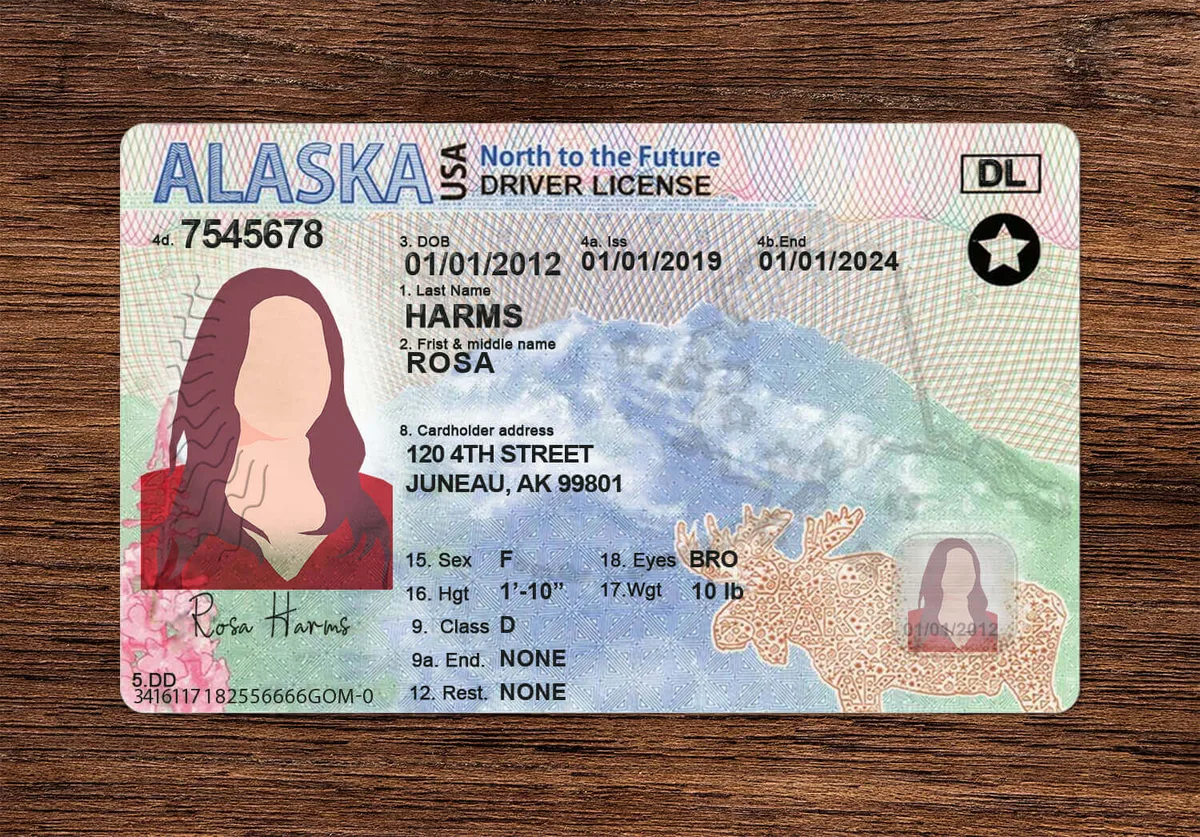
Age is straightforward. You must be 65 or older on or before the date you apply. The DMV uses your date of birth from your Alaska driver's license or state ID. There's no partial exemption for someone who turns 65 halfway through the registration year.
If you're 64 when you renew, you pay the full fee. The exemption starts with your next renewal cycle after you turn 65.
Income requires paperwork. Alaska uses your adjusted gross income (AGI) from your most recent federal tax return. If you don't file taxes, you'll need to provide alternative documentation of your income. The income threshold as of 2026 is set by the Alaska State Legislature and published by the DMV.
For a single filer, that limit is $25,000 in adjusted gross income. For married couples filing jointly, the limit is higher, but both spouses must meet the age requirement.
If you're over 65 and your AGI is $24,500, you qualify. If it's $26,000, you don't. There's no sliding scale or partial discount.
It's a hard cutoff.
A common mistake we see in our editorial research: seniors assume the exemption is based on Social Security income alone. That's not how it works. The DMV looks at your total AGI, which includes Social Security, pensions, retirement account withdrawals, part-time work income, rental income, and investment earnings.
If your total AGI pushes over the limit, the exemption is denied.
If you're close to the threshold, consider your income sources carefully. Some seniors qualify one year and not the next if they take a large retirement distribution or sell a property. The exemption requires annual reapplication, so you need to verify your income each year.
Does This Exemption Cover Every Fee? (Spoiler: No)
This is where a lot of seniors get confused. The exemption doesn't wipe out every cost tied to your vehicle registration. It covers one specific fee.
Here's what the exemption actually waives: the annual vehicle registration fee. That's the base fee you pay each year to keep your plates valid and your registration current. For a standard passenger vehicle in Alaska, that fee ranges from $100 to $150 depending on the vehicle type and weight.
Here's what it does not cover:
| Covered by Exemption | Not Covered by Exemption |
|---|---|
| Annual registration fee | Title transfer fee |
| Renewal fee | New plate issuance fee |
| Standard passenger vehicle fee | Personalized plate fee |
| Late renewal penalty | |
| Vehicle inspection fee (if required) | |
| Sales tax on vehicle purchase | |
| Municipal registration surcharges (if any) |
The exemption is a fee waiver, not a tax break. If you buy a new car and need a title transfer, you still pay the title fee. If you want custom plates with your initials, that's extra too.
The exemption applies strictly to the annual registration charge.
One important note: If you let your registration expire and then try to apply the exemption, you'll still owe the late penalty. The exemption only applies to the base fee, not to fines or late charges.
For seniors on a fixed budget, this still adds up to real savings. Over five years, the exemption saves you between $500 and $750 depending on your vehicle. That's money you can put toward insurance, maintenance, or fuel.
If you'd like to learn how to keep that car in great shape for years, check out our article on manual cleaning equipment using in car wash for some practical tips.
How to Apply: Step-by-Step Process for Alaska Seniors
The application process isn't complicated, but it is required. No application means no exemption. Here's the exact path to follow.
Step 1: Confirm you meet the conditions. Before you do anything else, verify your age and income. If you're 65 or older and your AGI is under the limit, you're eligible. If you're not sure, call your local DMV office or check the official website.
Step 2: Gather your documents. You'll need proof of age, income, residency, and vehicle ownership. We'll cover the exact documents in the next section.
Step 3: Complete the application form. The Alaska DMV uses a specific form for senior fee exemptions. It's available at any DMV office or on the .alaska.gov website. Fill it out completely.
Don't skip any fields.
Step 4: Submit your application in person or by mail. You can take the form and documents to any Alaska DMV office. If you live in a rural area without easy access, you can mail the application to the DMV's central processing center. Keep a copy of everything you send.
Step 5: Receive confirmation. The DMV will process your application and issue a confirmation. If approved, your exemption applies to your current registration renewal. If denied, the DMV will tell you why.
You can appeal or correct the issue and reapply.
Step 6: Renew annually. This is the part most seniors forget. The exemption doesn't roll over automatically. You have to reapply every year when your registration is due.
Mark your calendar. Set a reminder. Missing the renewal means paying full price until you reapply.
If you're submitting by mail, allow extra time. Alaska's DMV processing times can vary, especially during peak renewal months. If you wait until the last day your registration expires, you might end up with a late penalty.
Documents You'll Need Before You Walk Into the DMV
Missing a document is the fastest way to get denied or delayed. The DMV requires specific proofs for each condition. Here's what you need to bring.
Bing (Web (fair-use with source credit))
Proof of age. This is easy. Your Alaska driver's license or state ID card shows your date of birth. If your license is current and valid, that's enough.
If you don't have an Alaska ID, bring a certified birth certificate or passport.
Proof of income. This is the document that trips people up. You need your most recent federal tax return showing your adjusted gross income. If you filed taxes for the previous year, bring a copy of the first page of your 1040 form.
If you don't file taxes, you'll need alternative documentation such as:
- Social Security award letter showing annual benefit amount
- Pension or retirement account statements showing annual distributions
- Bank statements showing all deposits for the calendar year
- A signed affidavit stating your income falls under the threshold
The DMV may accept alternative documents, but it's at their discretion. If you're unsure, call ahead and ask what they need.
Proof of Alaska residency. Your Alaska driver's license or state ID with your current address works. If your address has changed, bring a utility bill, lease agreement, or property tax statement with your name and Alaska address.
Proof of vehicle ownership. Bring the current registration certificate or the vehicle title. If the vehicle is jointly owned with a spouse who is not yet 65, that's fine. The exemption applies to one vehicle per household for qualifying seniors.
If the vehicle is registered under a business or trust, you likely won't qualify.
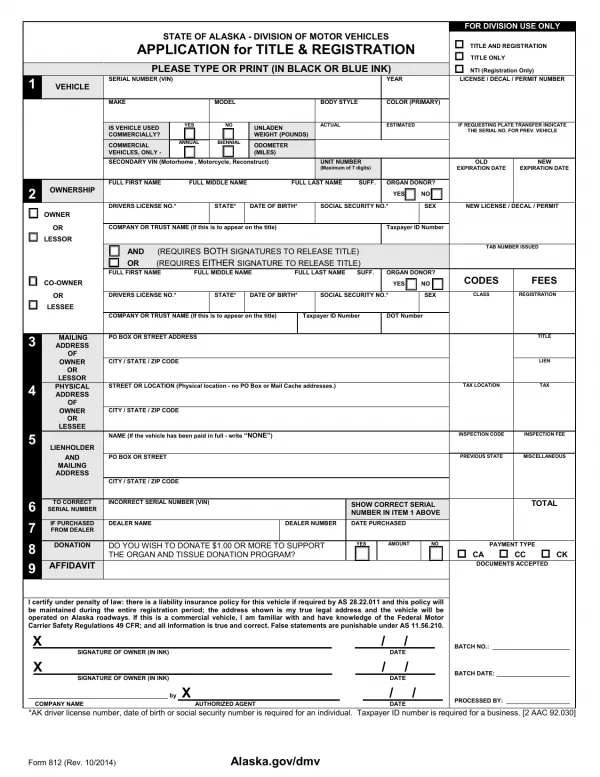
The application form itself. Download and fill it out before you arrive. It saves time and reduces the chance of errors.
A practical tip from our research: make copies of everything before you submit. The DMV returns your original documents if you apply in person, but mailed applications may not. Keep a complete set for your records.
If something gets lost in the mail, you'll have proof.
If you're wondering about keeping your vehicle's finish in top condition through Alaska's harsh winters, take a look at our article on does ceramic coating protect against salt, it's a topic that comes up often for car owners in snowier states.
Bing (Web (fair-use with source credit))