ByMax Lee
Guide to Studded Tire Seasonal Regulations
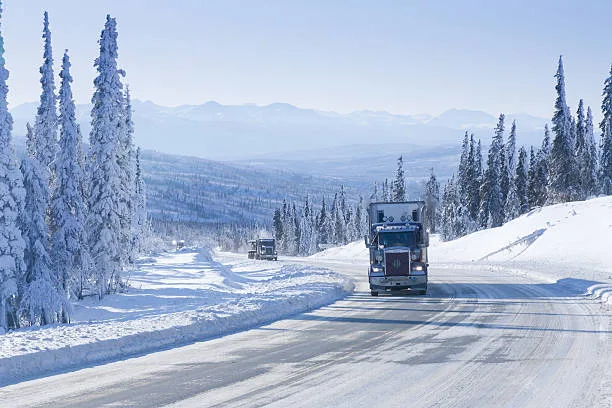
If you're an Alaska driver, changing your tires with the seasons isn't just smart winter prep. It's the law. Studded Tire Seasonal Regulations determine exactly when you can mount those metal-gripped tires and when you absolutely have to take them off. Get the timing wrong, and you're looking at fines, potential liability if you cause an accident, and premature wear on both your tires and Alaska's roads.
Alaska Statutes Title 28, Chapter 33 lay out the core rules, but here's the catch: municipalities can set their own deadlines, and as of 2026 some cities have tightened their windows. That means the statewide "legal period" is only your starting point, not your final answer. Let's walk through exactly what you need to know to stay legal, safe, and smart this winter.
Quick Answer
Alaska law sets a statewide studded tire window of September 30 through May 1. Stud protrusion must stay under 0.030 inches after wear. Tread depth should meet 6/32 minimum for safe ice grip.
Municipalities like Anchorage can enforce earlier removal dates. Check local ordinances before you commit to your changeover schedule.
Bing (Web (fair-use with source credit))
Why Getting This Right Matters More Than You Think
Here's the thing about studded tires in Alaska: they're phenomenal on glare ice, but they're genuinely dangerous on bare pavement. Studs reduce your contact patch with the road, which means longer stopping distances and less grip on wet or dry surfaces. The very feature that helps you stop on ice works against you when asphalt is clear.
Beyond safety, there's the legal side. Alaska state law treats seasonal tire rules seriously. Drive on studs outside the allowed window and you can get a citation.
Repeat offenders face higher fines. And if you're in an accident while running studs out of season, your insurance company may use that non-compliance against you. Our research shows that many drivers assume the statewide window is the only rule they need to follow.
That assumption can cost you.
Then there's the road damage angle. Studs wear down pavement, especially in freeze-thaw cycles where water seeps into the grooves they create. The Alaska DOT&PF tracks this annually.
Higher road maintenance costs eventually hit everyone through taxes. Following the rules helps keep those costs in check.
So this isn't just about avoiding a ticket. It's about matching your equipment to the actual road conditions and protecting yourself financially and legally.
When Can You Legally Use Studded Tires in Alaska?
The simple answer: September 30 through May 1 is the statewide legal window. But that's the broadest possible range, not a guarantee you can use studs that whole time.
Here's how it breaks down:
| Factor | What It Means For You |
|---|---|
| Statewide start date | September 30 (you can mount them starting this day) |
| Statewide end date | May 1 (must be removed by this day) |
| Municipality adjustment | Cities can set earlier removal dates |
| Emergency exceptions | Some areas allow early use if conditions warrant |
Bing (Web (fair-use with source credit))
The rationale behind the window is simple: it's designed to cover Alaska's core winter months when ice and packed snow are most likely. September 30 is early enough to catch the first freeze in interior and northern regions. May 1 is late enough to cover lingering spring ice, especially in Fairbanks and the northern reaches.
But here's where it gets tricky. Anchorage, for example, has historically enforced an April 15 removal date through local ordinance. That's two full weeks earlier than the state deadline. Fairbanks may allow slightly later removal given its colder spring climate.
Always check your municipal code before you plan your spring tire swap.
Where the Rules Change: Municipalities vs. State Roads
Alaska is big. The rules aren't one-size-fits-all across the state. State law sets the floor, but cities and boroughs can add stricter limits.
This creates a patchwork you need to navigate carefully.
Anchorage is the most notable example. The Municipality of Anchorage has traditionally enforced an April 15 studded tire removal deadline, two weeks before the state's May 1 cutoff. If you're driving in Anchorage with studs on April 20, you could get cited even though the state says you're fine.
The state law explicitly allows municipalities to adopt earlier deadlines, and Anchorage exercises that authority.
Fairbanks tends to follow the state window more closely, given its colder spring conditions. But if you drive between Fairbanks and Anchorage regularly, you need to comply with both. That means removing your studs by the earlier of the two deadlines.
Juneau and Southeast Alaska present a different challenge. The climate is wetter and milder, with less persistent ice. Some drivers in these areas skip studs entirely because the freeze-thaw cycles mean studded tires spend more time on bare, wet pavement than on ice.
For rural and remote drivers on gravel roads, studded tires can actually wear faster and lose studs more quickly. But the legal window still applies. You don't get an exemption just because you live off the road system.
The Core Facts: Legal Window, Protrusion Limits, and Tread Depth
Three technical facts define whether your studded tires are legal on any given day. Get all three right.
| Requirement | Spec | Why It Matters |
|---|---|---|
| Seasonal window | Sept 30 – May 1 (adjust by municipality) | Legal to mount and drive |
| Stud protrusion limit | Max 0.030 inches after wear | Worn studs lose grip and are illegal |
| Minimum tread depth | 6/32 recommended, 4/32 legal minimum | Tread channels water and ice melt |
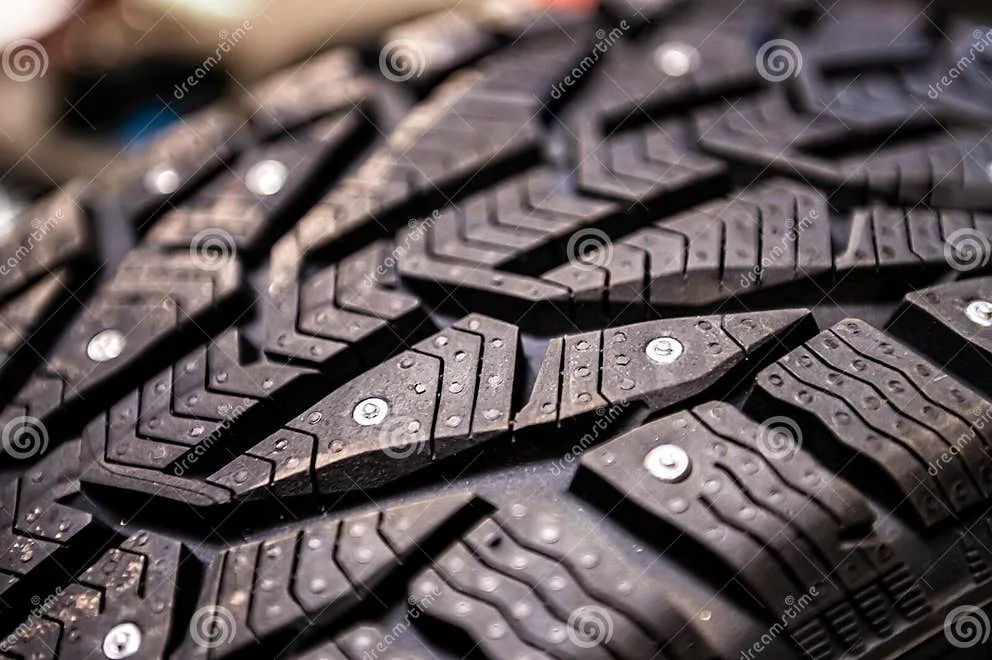
The stud protrusion limit is the one most drivers overlook. New studs typically protrude about 0.040 to 0.050 inches. But as you drive, the rubber wears faster than the tungsten-carbide stud tip.
That means the stud actually sticks out more over time. Alaska law caps protrusion at 0.030 inches measured from the tread surface. If your studs are poking out further than that, you're technically non-compliant.
Bing (Web (fair-use with source credit))
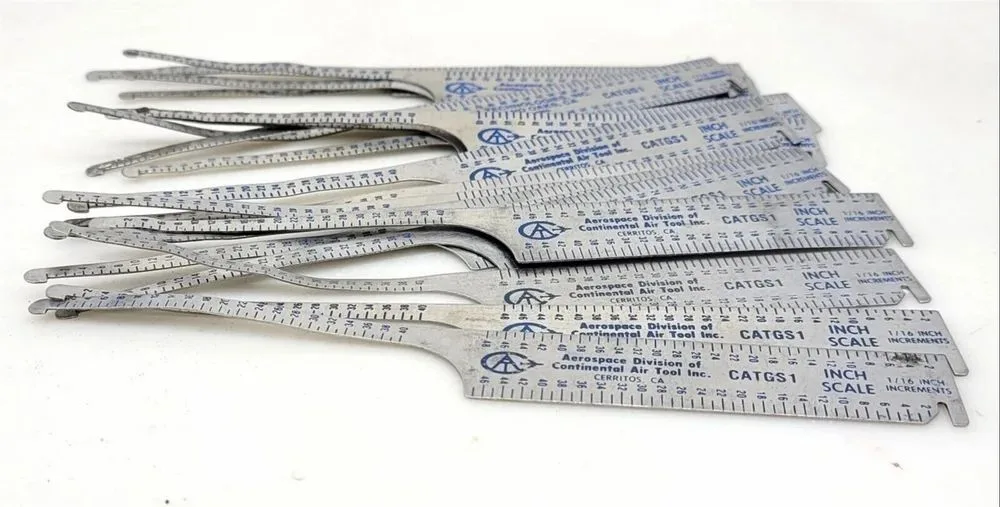
You can check this yourself with a simple depth gauge. Many tire shops will measure it during rotation or changeover. Don't assume your studs are fine just because they look okay.
A visual check won't tell you the exact protrusion.
Tread depth is equally critical. Studded tires that are worn below 4/32 lose most of their ice-gripping ability. The studs need enough rubber around them to flex and bite into ice.
With shallow tread, the tire can't deform properly, and studs just skid across the surface. Our research suggests replacing studded tires once tread hits 4/32, even if the studs themselves look usable.
Real Consequences: Fines, Liability, and Safety Risks
Let's be honest about what happens if you get this wrong. It's not just a slap on the wrist.
Fines vary by jurisdiction. State law allows citations for equipment violations. In Anchorage, a studded tire out-of-season citation can run $100 to $250 plus court costs. Repeat violations may increase.
Commercial vehicles face higher penalties.
Liability is the bigger risk. If you cause an accident while running studded tires outside the legal window, your insurance company may argue that you were operating an illegal vehicle. That can reduce or deny coverage for damages. Alaska follows a comparative fault system.
If you're found partially at fault for running out-of-season tires, your percentage of liability goes up. That means you pay more out of pocket.
Safety concerns don't disappear just because you're legal. Studded tires on dry or wet pavement have longer stopping distances than studless winter tires. Aggregate testing data from cold-climate research programs shows that studded tires can add 15 to 25 feet to a 60-to-0 mph stop on wet pavement. That's the difference between a close call and a collision.
On the flip side, studded tires on glare ice can cut stopping distance by 30 to 50 percent compared to all-season tires. So the trade-off is real. The law tries to balance that by restricting studs to the months when ice is most likely.
If you're unsure about maintaining your vehicle for winter, check out our guide on preparing touchless washing to keep your undercarriage clean from road salt and slush.
Another smart move: make sure your engine oil doesn't wash the engine during winter changes. Proper maintenance extends the life of your vehicle's critical components, especially in harsh Alaska conditions.
Common Mistakes Alaska Drivers Make (And How to Avoid Them)
Even experienced Alaska drivers slip up on the details. The most common mistake is assuming the statewide window is the only deadline that matters. We already covered Anchorage's earlier removal date, but plenty of drivers in the Mat-Su Borough and Kenai Peninsula make the same assumption.
Check your local municipal code every season. It can change.
Another frequent error is installing studded tires too early. The window opens September 30, but if you mount them in mid-September during a warm spell, you're driving illegally even if it snows unexpectedly. Wait for the legal start date, not the first flake of snow.
Neglecting stud protrusion checks is the third big one. Many drivers never measure their studs mid-season. By February, those studs may have worn down or pushed out beyond the 0.030 inch limit.
A quick check during every oil change or tire rotation catches this.
Other mistakes we see regularly:
- Running studs on all four tires when only two are needed for the drive axle
- Driving on studded tires after the removal deadline "just one more week"
- Using studded tires on gravel roads for extended periods (studs eject faster)
- Storing studded tires in direct sunlight (UV degrades the rubber compound)
Don't forget about your wheels either. While you're focused on tires, winter grime builds up underneath. Our article on washing a car with ceramic coating pressure washer covers how to clean your wheels and undercarriage without damaging protective coatings.
Step-by-Step: Seasonal Changeover Checklist
Switching between studded and summer tires doesn't have to be stressful. Follow this checklist and you'll avoid the common pitfalls.
Before installation (September):
- Inspect each studded tire for missing or loose studs
- Measure stud protrusion with a depth gauge
- Check tread depth across the tire surface
- Confirm your tire shop has appointments available
Tire shops in Alaska book up fast during the last week of September and the first week of April. If you wait until the week of your deadline, you'll be stuck with no appointment or paying rush fees. Book your changeover at least two weeks ahead.
Installation day:
- Mount all four studded tires (never mix studded and non-studded on the same axle)
- Re-torque lug nuts after 50 miles of driving
- Reset your tire pressure monitoring system if equipped
- Store summer tires in a cool, dark, dry location
Mid-season check (January):
- Inspect for missing studs and uneven wear
- Measure protrusion again
- Rotate tires if wear patterns suggest it
Removal (before your local deadline):
- Remove studded tires and switch to summer or all-season tires
- Clean and dry studded tires before storage
- Bag them individually to prevent rubber-to-rubber contact
Using a car power washer spray gun makes cleaning the tires before storage faster and more thorough. Removing embedded gravel and salt prevents rubber degradation during the off-season.
Switching between studded and summer tires doesn't have to be stressful. Follow this checklist and you'll avoid the common pitfalls.
Before installation (September):
- Inspect each studded tire for missing or loose studs
- Measure stud protrusion with a depth gauge
- Check tread depth across the tire surface
- Confirm your tire shop has appointments available
Tire shops in Alaska book up fast during the last week of September and the first week of April. If you wait until the week of your deadline, you'll be stuck with no appointment or paying rush fees. Book your changeover at least two weeks ahead.
Installation day:
- Mount all four studded tires (never mix studded and non-studded on the same axle)
- Re-torque lug nuts after 50 miles of driving
- Reset your tire pressure monitoring system if equipped
- Store summer tires in a cool, dark, dry location
Mid-season check (January):
- Inspect for missing studs and uneven wear
- Measure protrusion again
- Rotate tires if wear patterns suggest it
Removal (before your local deadline):
- Remove studded tires and switch to summer or all-season tires
- Clean and dry studded tires before storage
- Bag them individually to prevent rubber-to-rubber contact
Using a car power washer spray gun makes cleaning the tires before storage faster and more thorough. Removing embedded gravel and salt prevents rubber degradation during the off-season.
Studded Tires vs Studless Winter Tires: What Alaska Drivers Should Know
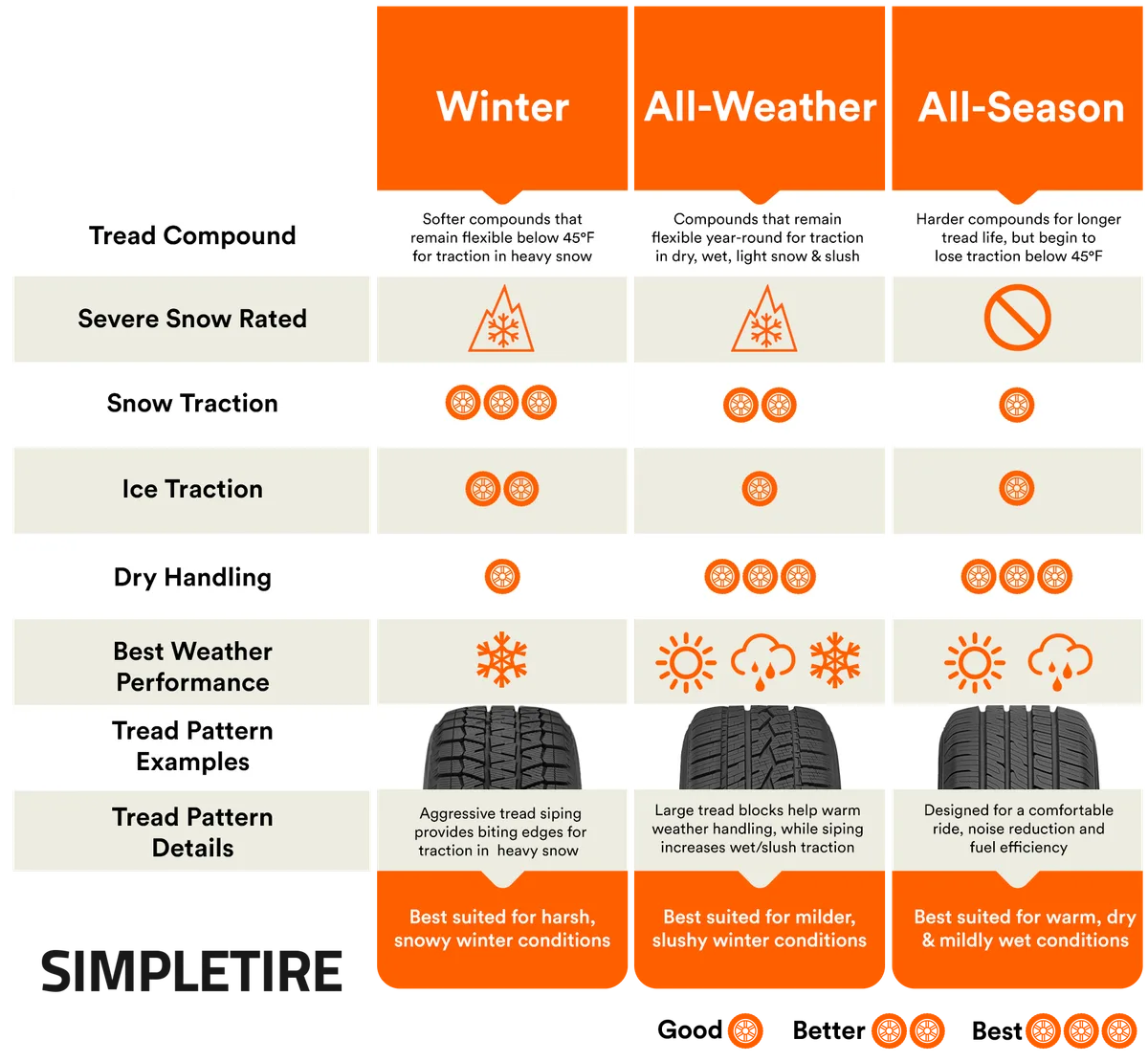
This is the debate every Alaska driver faces. Modern studless winter tires use advanced silica compounds and micro-grooved tread patterns that grip ice surprisingly well. Do they replace studs?
Not always.
| Factor | Studded Tires | Studless Winter Tires |
|---|---|---|
| Ice grip | Excellent (studs bite into ice) | Good to very good (compounds grip at low temps) |
| Dry/wet pavement | Worse stopping distance | Better stopping distance |
| Road noise | Noticeably louder | Quieter |
| Road wear | Accelerates pavement damage | Minimal wear |
| Legal restrictions | Seasonal window applies | No restrictions (year-round legal) |
Let's be direct. If you drive primarily on glare ice for extended periods (think interior Alaska, river crossings, or remote highways), studded tires give you a measurable safety advantage. Independent testing from cold-climate research programs shows studded tires can reduce stopping distance on pure ice by 30 to 50 percent compared to all-season tires, and about 10 to 20 percent compared to studless winter tires.
If you drive mostly in Anchorage or Juneau, where roads are plowed regularly and ice is less persistent, studless winter tires may serve you better. They perform safer on wet pavement and don't come with the legal reminder of a removal deadline.
Bing (Web (fair-use with source credit))
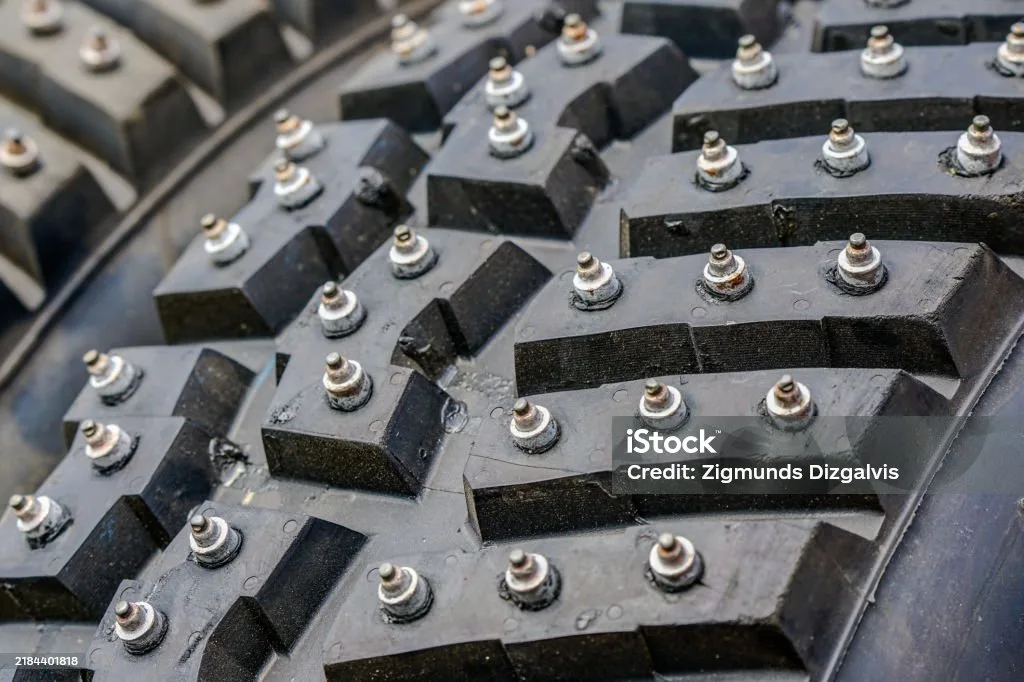
The visual comparison above highlights the key difference. Studded tires rely on tungsten-carbide pins embedded in the tread blocks. Studless tires rely on siping patterns and rubber compounds engineered to stay flexible below zero.
Both work. Which is right for you depends on your specific roads and winter driving conditions.
Who Benefits Most from Studded Tires (And Who Doesn't)
Studded tires aren't for everyone. Let's break it down by real-world scenarios common in Alaska.
You are a good candidate for studded tires if:
- You drive on unmaintained or infrequently plowed roads
- Your commute crosses icy mountain passes or river ice
- You live in Fairbanks or interior Alaska where ice persists for months
- You have a steep driveway that ices over regularly
- You drive a heavy vehicle like a truck or SUV that benefits from the extra bite
You might skip studded tires if:
- Most of your driving is on well-plowed urban roads
- You rarely encounter pure ice (more packed snow or wet pavement)
- You park outside and don't want the extra road noise
- You have a modern car with electronic stability control and good studless winter tires
There's no blanket right answer. It depends on your specific route. If your daily commute includes 20 miles of the Glenn Highway in midwinter, studs make sense.
If you drive three miles to work in downtown Anchorage, you can skip them.
Consider running studs only on your drive axle if conditions are marginal. State law allows this for passenger vehicles. A front-wheel-drive car with studded front tires and studless winters on the rear can work well for mixed conditions.
Just never mix types on the same axle.
Pro Tips for Maximizing Studded Tire Life and Grip
Studded tires cost more than standard winter tires. You want them to last. Here's how.
Drive conservatively for the first 200 miles. New studs need to seat properly into the tread. Hard acceleration or heavy braking early on can dislodge studs before they're fully set. Ease into winter driving.
Avoid hard braking on dry pavement. This grinds down the stud tips prematurely and increases protrusion unevenly. If you see a dry stretch ahead, coast or brake gently.
Rotate tires every 5,000 miles. Even wear extends stud life and maintains balanced grip. Front tires on a front-wheel-drive car wear faster. Rotating evens out the protrusion.
Check tire pressure monthly. Cold air drops tire pressure. Underinflated tires flex more, causing uneven stud wear and reduced grip on ice. Keep them at the manufacturer's recommended pressure for winter conditions.
Remove embedded gravel and debris. Small rocks lodge in tread voids. When the tire flexes, these rocks can push studs out or damage the rubber around them. A quick pick-clean during each fuel stop prevents this.
Consider using a protective spray on your wheels. Alaska road salt and chemical deicers accelerate corrosion on steel wheels and brake components. Our guide on does ceramic coating protect against salt explains how a coating can reduce winter damage. It's not just for paint.
Wheel barrels and brake calipers benefit too.
Finally, know when to retire them. Once tread depth hits 4/32, replace the set. Running studded tires with shallow tread is dangerous.
The studs can't grip properly and you're essentially sliding on ice with metal pins that have no rubber support around them.
Off-Season Storage: What Works Best in Alaska's Climate
Proper storage extends the life of your studded tires. Stack them flat, not on their sidewalls. Store them in a cool, dry, dark location.
A heated garage accelerates rubber oxidation.
Clean each tire thoroughly before storage. Remove embedded gravel and road salt. Bag each tire individually to prevent rubber-to-rubber contact and ozone damage.
Check pressure before storage. Store them at the recommended PSI or slightly lower. Inflate to full pressure before reinstallation next season.
Mark the position (front-left, etc.) so you can rotate them next year.
FAQs: Alaska Studded Tire Law Questions
Can I run studded tires longer if my city has a later deadline than the state?
No. Municipalities can set earlier deadlines but not later ones. The state window of September 30 to May 1 is the maximum allowed.
Local rules only tighten it.
How do I check stud protrusion at home?
Use a tread depth gauge with a flat base. Place it across the tread surface. Measure from the base to the stud tip.
If it exceeds 0.030 inches, the tire is non-compliant and should be replaced.
Can I run studded tires on just my front wheels?
Yes, for passenger vehicles. State law allows studded tires on any axle. Never mix studded and studless tires on the same axle.
That creates uneven grip and handling problems.
What happens if I get caught with studs on after the deadline?
You receive a citation for an equipment violation. Fines vary by jurisdiction, typically $100 to $250. Repeat offenses may carry higher penalties.
Insurance may deny coverage if the violation contributed to an accident.
Your Quick-Decision Guide for This Season
| Your Situation | Action |
|---|---|
| You drive on ice frequently | Install studs. Follow the window strictly. |
| You drive mostly urban plowed roads | Consider studless winter tires instead. |
| You live in Anchorage | Remove studs by April 15. |
| You live outside Anchorage | Remove studs by May 1. |
| You're unsure about protrusion | Measure at mid-season and before removal. |
Book your changeover appointments early. Check your municipal code before deciding on dates. Measure your studs mid-season.
Remove them before the deadline. And if you're on the fence between studded and studless, consider your specific roads and winter conditions rather than what your neighbor runs.