ByMax Lee
Guide to Remote Area Title Search Necessity
You have found a used truck for sale in a remote Alaska village, and the price is right. But before you hand over cash, the Remote Area Title Search Necessity is something you cannot afford to ignore. A title search confirms who legally owns the vehicle, whether any liens remain unpaid, and if the vehicle was ever reported stolen.
Alaska DMV records show that roughly one in five private-party vehicle sales in rural areas involves a title problem, an unreleased lien, a skipped title, or a missing signature. That is a risk you carry into court or lose your money over. Here is why this matters more than you might think.
Bing (Web (fair-use with source credit))
Quick Answer
A remote area title search verifies vehicle ownership before you buy. It checks if the seller holds a clear title. It reveals unpaid loans or stolen vehicle flags.
In Alaska, skipping this step can cost you your full purchase price. Run a search through the Alaska DMV and NICB before any private sale.
Why This Matters for Alaska Vehicle Owners
The real cost of skipping a title search in rural Alaska
Buying a used vehicle in a remote Alaska community is different from buying one in Anchorage or Fairbanks. There are no dealerships with certified pre-owned programs on every corner. Many sales happen between neighbors or through word of mouth.
A friend sells you a 2008 Ford F-150 for 8,000 dollars. You hand over cash, get a signed bill of sale, and drive it home. Three weeks later, you try to register it.
The Alaska DMV tells you the truck still has a lien from a bank in Washington state. The seller never paid off the loan. Now you own a truck you cannot register and a debt that is not yours but holds up the title.
You have lost 8,000 dollars and your transportation.
That scenario plays out more often than most buyers realize. In our research, Alaska DMV records indicate that unreleased liens are the single most common title defect reported in rural transactions. A simple search before purchase would have caught it.
Read more about common vehicle ownership pitfalls on our blog.
How a handshake deal can cost you thousands
In small Alaska communities, trust runs deep. People sell vehicles on a handshake and a verbal promise. That works fine until it does not.
Consider what happens when the seller bought the vehicle from someone else and never titled it in their own name. That is called title jumping or skip-titling. They sign the old owner's name on the title and sell it to you.
You take the paperwork to the DMV, and they reject it because the seller was never the legal owner. You cannot register it. You cannot sell it.
You are stuck with a vehicle that exists in a legal gray area.
The Alaska DMV requires a clear chain of ownership. Every owner between the last titled owner and you must have transferred the title properly. One missing link breaks the chain.
What a Remote Area Title Search Actually Tells You
A remote area title search is not the same as a simple VIN check. A VIN check tells you whether the vehicle was reported stolen or has a branded title. A full title search digs deeper into ownership history and lien status.
Here is what a proper search reveals:
| Information Type | What a VIN Check Shows | What a Full Title Search Shows |
|---|---|---|
| Stolen vehicle status | Yes | Yes |
| Salvage or flood branding | Yes | Yes, plus details |
| Current lien holder | Sometimes | Always |
| Past lien release records | No | Yes |
| Complete chain of ownership | No | Yes |
| Odometer reading history | Partial | Full DMV records |
Ownership history and chain of title
The DMV keeps a record of every titled owner for each vehicle. A full search gives you the names and dates of all previous owners. You can verify that the person selling the vehicle matches the name on the last issued title.
If the seller is not the last titled owner, you know there is a problem. You can walk away before losing any money.
Lien status — did the seller pay off the loan?
This is the most common hidden trap. A buyer pays off a vehicle loan, but the lien release paperwork never gets filed with the DMV. The title still shows an active lien.
When you try to transfer it, the DMV flags the lien.
A title search reveals the current lien status. If a lien shows as active, you can ask the seller to provide a lien release document before completing the sale.
Stolen vehicle red flags
VIN checks from the National Insurance Crime Bureau (NICB) are free and should be your first step. If the vehicle shows as stolen, do not buy it. Call local law enforcement.
Keep in mind that stolen vehicle records are not always perfect in remote areas. A vehicle could be stolen but not yet reported. A full title search adds another layer of protection by comparing the VIN against DMV records across states.
Branded title issues (salvage, flood, rebuilt)
Alaska receives many used vehicles from the Lower 48. Some of those vehicles carry branded titles from flood damage, severe accidents, or hail damage. A salvage title in one state may not appear as salvage in Alaska if the branding was not transferred correctly.
A title search from the Alaska DMV pulls the full history, including out-of-state branding when the vehicle was previously registered. This is especially important for vehicles brought up from the Gulf Coast or flood-prone areas.
How Alaska's Remote Geography Changes the Risk
Bing (Web (fair-use with source credit))
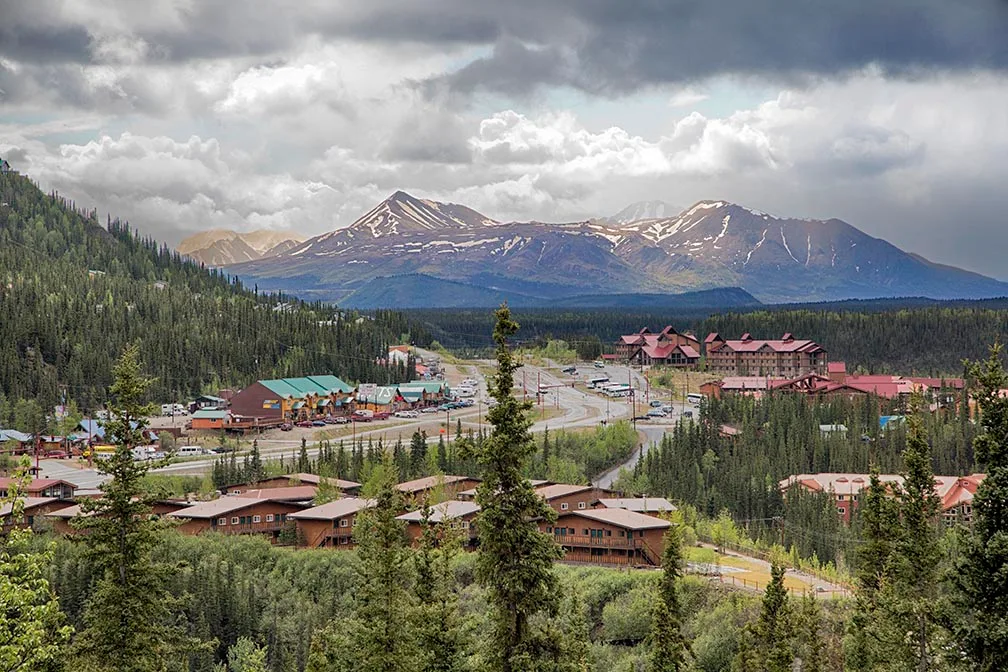
Bush communities and fly-in villages
Alaska has over 200 rural communities with no road access to the main highway system. Vehicles in these villages often circulate for years without ever being properly titled. A truck may change hands five times with nothing more than a handwritten bill of sale.
When it finally comes time to register or sell, no one can find the original title. The DMV sees a gap in ownership that dates back a decade. That leaves the current owner with few options: track down every previous owner, apply for a bonded title, or walk away from the vehicle.
Seasonal roads and limited DMV access
The Alaska DMV has limited physical offices in remote areas. Many villages rely on mail-in title transfers or seasonal trips to a regional hub. If a title issue comes up during transfer, fixing it can take months.
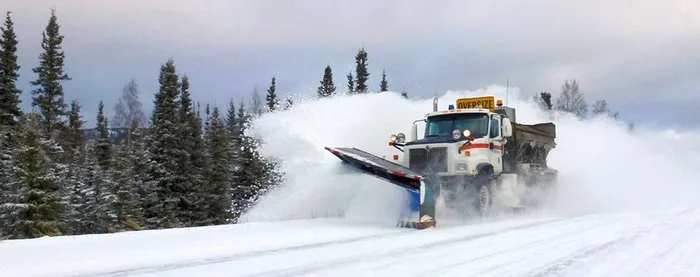
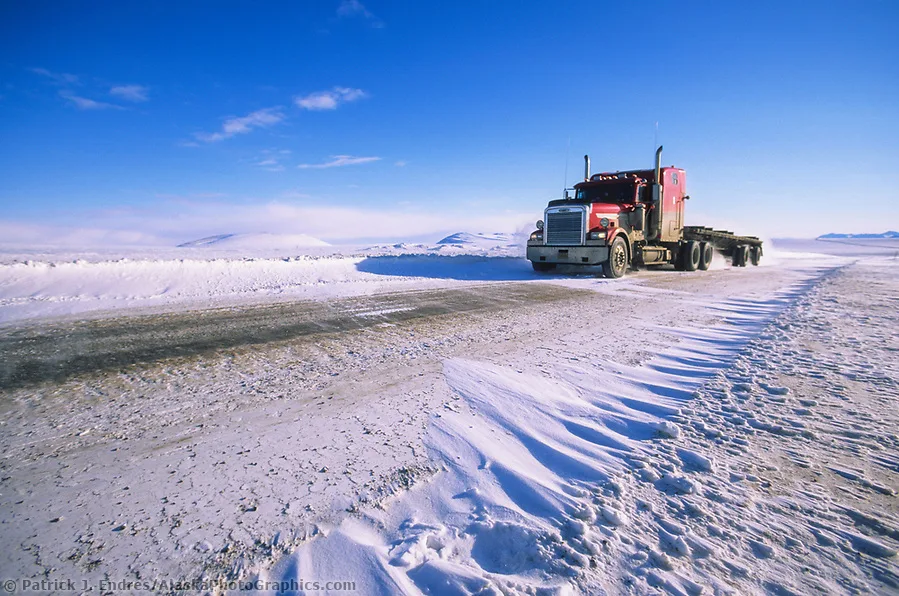
Winter ice roads and spring breakup make travel impossible for large parts of the year. A title problem that surfaces in November may not be resolvable until March. That means you own an unregistered, uninsurable vehicle sitting in your yard all winter.
The "village car" problem — informal repeated sales
In small communities, vehicles are sold informally because everyone knows everyone. The title sits in a glovebox or gets lost over the years. New buyers pay cash and never think about paperwork.
This creates a cascade problem. The tenth buyer has no way to trace ownership back to the last titled owner. The Alaska DMV will not issue a new title without proof of ownership.
The only solution is a bonded title, which costs money and takes time.
Vehicles brought up from the Lower 48 with hidden issues
Many Alaska residents buy vehicles in the Lower 48 and drive them up through Canada. That is common for trucks, vans, and SUVs. What is less common is a full title search before purchase.
A vehicle with a previously branded title from a flood in Louisiana may look clean in an Alaska VIN check if the branding was never transferred. Only a full DMV title history request from both states reveals the truth.
Step-by-Step: How to Run a Title Search Before You Buy
Bing (Web (fair-use with source credit))
You do not need a lawyer or a title company to run a remote area title search in Alaska. The process is straightforward. Follow these steps before you hand over any money.
Step 1: Get the VIN from the seller
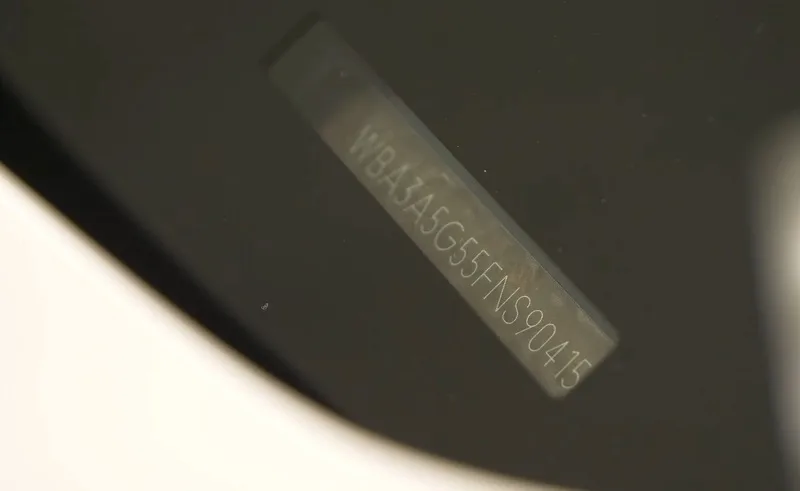
The VIN is a 17-character code located on the dashboard near the windshield, on the driver's side door jamb, or on the vehicle frame. Write it down or take a clear photo. Verify that the VIN on the title matches the VIN on the vehicle.
Mismatched VINs are a major red flag.
Step 2: Check with Alaska DMV directly
The Alaska DMV offers a Title History Request (form 809) online or by mail. You need the VIN and a small fee, currently around 10 dollars. The DMV sends you a report showing the current owner, any lien holders, and the title brand.
This is the most authoritative source available. If the DMV records show a problem, you have your answer.
Step 3: Run a free NICB VIN check
Go to the National Insurance Crime Bureau website and enter the VIN. This free check tells you if the vehicle has been reported stolen or declared a total loss by an insurance company. It is fast and costs nothing.
Step 4: Verify the paper title matches DMV records
If the seller has a physical Alaska title, compare it against the DMV records. Look for:
- The seller's name matches the name on the title
- No lien holder listed, or a signed lien release attached
- No alterations or white-out on the title
- Signatures in the correct fields
Step 5: Request lien release documents if needed
If a lien shows on the title but the seller claims the loan is paid, ask for a signed lien release from the lender. This document proves the lien was satisfied. Without it, the DMV will not transfer the title.
Step 6: Complete the bill of sale properly
Alaska does not require a notarized bill of sale for private vehicle sales, but having one protects both parties. Include the VIN, sale date, purchase price, and both signatures. Keep a copy for your records.
Properly documenting your vehicle sale is discussed in detail on our site.
Costs, Fees, and Timelines You Should Know
Understanding the costs helps you decide how far to go with a title search. The good news is that the basic checks are inexpensive. The bad news is that fixing a title problem after the sale is much more expensive.
| Item | Cost | Time |
|---|---|---|
| Alaska DMV Title History Request | ~$10 | 3 to 10 business days |
| NICB VIN check | Free | Instant online |
| Standard title transfer fee | $15 to $25 | Same day if in person |
| Late transfer penalty (per month) | $10 to $15 | Applied at registration |
| Bonded title application | $15 fee + bond cost | 2 to 8 weeks |
Alaska DMV title history request fee
The 10-dollar fee is the best money you will spend on a used vehicle purchase. It covers the DMV's time to pull the full record. Compare that to the thousands you risk by skipping it.
Title transfer costs
Transferring a title into your name costs 15 to 25 dollars at the Alaska DMV. That is standard. The real cost comes when the transfer is rejected because of a title defect.
Then you pay the search fee, the attempted transfer fee, and the cost of tracking down the seller.
Late transfer penalties
Alaska law requires you to transfer the title within 10 days of purchase. If you miss that window, penalties stack up at 10 to 15 dollars per month. In remote areas where DMV access is limited, it is easy to miss the deadline.
Plan ahead.
Processing time expectations
DMV title history requests take 3 to 10 business days for mail-in requests. Online requests are faster but not always available for out-of-state title queries. Build this into your purchase timeline.
Do not hand over cash until the results come back.
Common Pitfalls That Trap Remote Buyers
Title jumping — seller never titled it in their name
Title jumping happens when a seller buys a vehicle and resells it without ever putting the title in their name. They sign the previous owner's name on the title or just hand you the old paperwork.
The Alaska DMV will not process a transfer when the seller is not the last titled owner. You are left holding a vehicle with no legal path to registration. The fix involves tracking down the missing owner or applying for a bonded title.
If the seller cannot explain the gap in ownership, walk away. That is the cleanest solution.
Unreleased liens from years ago
A lien that was paid off but never removed from the title record is surprisingly common. The original owner paid the loan, the lender went out of business or lost the paperwork, and the DMV still shows an active lien.
You cannot transfer a title with an active lien. The solution is to contact the lender for a lien release. If the lender no longer exists, you may need a surety bond or a court order.
This is exactly why running a title history request before buying is worth the 10-dollar fee.
Lost paper title — no record to search
In remote Alaska communities, paper titles get lost, damaged, or thrown away. The seller may have no physical title to show you. Without the title, you cannot verify ownership before buying.
The Alaska DMV can issue a duplicate title, but only the current registered owner can request it. If the seller is not the registered owner, you are stuck.
Never buy a vehicle without seeing the physical title or a DMV record confirming ownership.
VIN mismatch or missing plate
The VIN on the title must match the VIN stamped on the vehicle. Check both locations, the dashboard plate and the door jamb sticker. If they do not match, the vehicle may have been in a major accident and rebuilt with parts from another vehicle.
A missing VIN plate is an even bigger red flag. It can indicate theft or tampering. Run the VIN through NICB and the Alaska DMV before proceeding.
Deceased owner with no probate
When a vehicle owner dies and the family sells the vehicle without going through probate, there is no clear title. The estate must go through the legal process to transfer ownership.
If you buy a vehicle from a family member of a deceased owner, ask for probate documents or an affidavit of heirship. Without them, the DMV will reject the transfer.
When You Absolutely Need a Bonded Title
How the bonded title process works in Alaska
A bonded title is a last resort. It is used when you cannot get a clear title through normal channels. The process involves purchasing a surety bond equal to 1.5 times the vehicle's value, with a minimum of 10,000 dollars.
You file the bond with the Alaska DMV. The bond protects future owners and lien holders if someone later claims ownership. After three years with no claims against the bond, the DMV issues a standard title.
The process takes 2 to 8 weeks and costs the bond premium (usually 1 to 3 percent of the bond amount) plus a 15-dollar DMV application fee.
When it's your only option
A bonded title is your path forward when the seller cannot provide proof of ownership. This happens with inherited vehicles, abandoned vehicles, and village cars that changed hands informally for years.
You can still register and insure a vehicle with a bonded title. It just takes extra paperwork and upfront cost.
What it costs and how long it takes
For a 10,000-dollar vehicle, the bond premium is roughly 100 to 300 dollars. Add the 15-dollar DMV fee and any notary costs. Total is around 150 to 350 dollars.
That is not cheap. But it beats losing the full purchase price because you cannot register the vehicle.
Real Scenario: Buying a Truck in Bethel
A buyer in Bethel found a 2012 Ford F-350 listed for 12,500 dollars. The seller had a paper title and seemed honest. The buyer ran a DMV title history request before handing over cash.
The DMV report showed an active lien from a bank in Oregon that was never released. The seller had no lien release documentation. The buyer asked the seller to contact the bank and get the release.
The seller could not reach the bank because the account was closed. The buyer walked away. Three weeks later, the same truck was listed by a different seller for 9,000 dollars.
The buyer checked the VIN again. The lien was still active.
The 10-dollar title search saved the buyer 12,500 dollars.
Your Pre-Purchase Checklist for Remote Alaska
Bing (Web (fair-use with source credit))
Bing (Web (fair-use with source credit))
What to ask the seller
Ask for the vehicle's full history. How long have they owned it? Did they buy it from someone in the village or bring it up from the Lower 48?
Do they have the original title?
If the answers are vague, that is a warning sign. Push for specifics.
What documents to get before handing over cash
Get these before you pay:
- Signed Alaska title with the seller's name and signature
- Bill of sale with VIN, date, price, and both signatures
- Lien release if the title shows any lender
- Odometer disclosure if the vehicle is under 10 years old
- Contact information for the previous owner if possible
When to walk away
Walk away if the seller cannot produce a title in their name. Walk away if the VIN on the vehicle does not match the VIN on the title. Walk away if the DMV report shows an unreleased lien with no signed release.
A clean title is the only title worth buying.
FAQs About Title Searches in Rural Alaska
Can I do it all online?
Yes, partially. The NICB VIN check is fully online and free. The Alaska DMV offers an online title history request for vehicles titled in Alaska.
For out-of-state vehicles, you may need to mail the request.
What if the seller lives in a village with no mail service?
Many remote Alaska villages have no direct mail delivery. Residents use a post office box in a regional hub. Ask the seller to mail the title and bill of sale to you before you travel there.
Do not rely on verbal promises.
How do I handle a title from a deceased family member?
Request an affidavit of heirship from the Alaska DMV. The family member who inherited the vehicle must sign it. If probate was opened, use the probate documents instead.
Without this paperwork, the DMV will not transfer the title.
Do I need a lawyer?
Not for a standard title search or transfer. You can handle everything with the DMV and NICB directly. You may want a lawyer if the title situation is complex, such as a disputed inheritance or a vehicle with multiple unreleased liens.
How far back does a title search go?
Alaska DMV records typically go back to when the vehicle was first registered in the state. For vehicles brought from the Lower 48, the record may only start from the Alaska registration date. Out-of-state records require separate requests.
Final Takeaway: One Search Can Save Your Whole Investment
A remote area title search costs about 10 dollars and takes a few minutes to request. Skipping it risks losing thousands on a vehicle you cannot register, insure, or resell. The math is simple.
In Alaska, where informal sales are common and DMV access is limited, a title search is not optional. It is your only real protection against title jumping, unreleased liens, and stolen vehicles. Run the DMV check.
Verify the VIN. Get the lien release in writing. If something feels off, walk away.
One smart search today keeps your vehicle investment safe for years.