ByMax Lee
Guide to Military Non-resident Registration Privileges
You just got orders for Alaska. Now you're staring at your vehicle registration and wondering if you need to switch everything over, keep your home state plates, or maybe just let it slide. It's a question every active duty member PCSing to Joint Base Elmendorf-Richardson or Fort Wainwright has to answer.
The answer is clear: Military Non-Resident Registration Privileges let you keep your home state plates while living in Alaska under the Servicemembers Civil Relief Act. As of 2026, this privilege protects you from being forced to register in Alaska even though you live here on orders. But the rules are specific, and getting them wrong can cost you.
Bing (Web (fair-use with source credit))
Quick Answer
Military non-resident registration privileges let you keep your home state plates in Alaska. The Servicemembers Civil Relief Act (SCRA) protects this right. You must carry your PCS orders and home state registration.
Your vehicle stays titled in your home state. Alaska DMV cannot force you to register locally.
Should I Register My Vehicle in Alaska or Keep My Home State Plates?
That depends on your situation. Most service members should keep their home state registration. It's simpler, it protects your legal residency, and Alaska law backs you up on it.
Here's how to decide:
- Keep your home state plates if you plan to leave Alaska after your tour. Your home state residency stays intact. You avoid paying Alaska registration fees and dealing with local DMV paperwork.
- Switch to Alaska plates only if your home state registration expires and you can't renew it online, or if your home state demands annual inspections you can't do from 4,000 miles away.
Let's break down the trade-offs in a simple table.
| Factor | Keep Home State Plates | Switch to Alaska Plates |
|---|---|---|
| Registration fee | Paid to home state (varies) | $100-$150/year in Alaska |
| Residency protection | Maintained under SCRA | Shifts risk of losing home residency |
| Renewal hassle | Online or mail from Alaska | In-person or online (Alaska DMV) |
| Inspection required | Home state rules (if any) | No Alaska inspection needed |
| Spouse coverage | Covered under MSRRA | Must register separately |
For most people, keeping your home state plates is the smarter move. You avoid unnecessary paperwork and protect your legal ties back home.
What the Non-Resident Privilege Actually Covers (and Doesn't)
The SCRA under Section 305 says you don't have to register your vehicle in the state where you're stationed. Alaska Statute AS 28.10.011 backs this up with a specific exemption for military non-residents.
It covers:
- Passenger vehicles, motorcycles, and trucks you own personally
- Vehicles titled in your home state or your legal residence state
- Spouses under the Military Spouse Residency Relief Act (MSRRA)
- The entire duration of your PCS orders
It does NOT cover:
- Vehicles owned by a business or LLC you control
- Trailers, boats, or recreational vehicles in some cases
- Vehicles you buy while in Alaska (those need new registration)
- Driving without valid home state plates or expired tags
- Ignoring Alaska's minimum liability insurance requirements
Here's a critical point. Your non-resident privilege only works if your home state registration is current and valid. If your tags expire and you can't renew, you lose the protection.
You'll need to either renew remotely or switch to Alaska.
The Real Risks of Getting This Wrong
Messing up your vehicle registration as a military non-resident in Alaska can cause real problems. This isn't a traffic ticket you shrug off.
- Fines and citations. Alaska law enforcement can ticket you for expired out-of-state tags. The fine can reach $200. If you ignore it, it escalates.
- Loss of home state residency. Registering your vehicle in Alaska can be used as evidence that you intend to make Alaska your legal residence. That can affect your state income tax, voting rights, and even in-state tuition for your spouse or kids.
- Insurance complications. Your auto insurance expects your vehicle to be garaged where you register it. If you keep home state plates but your insurer thinks the car lives in Alaska without updating the policy, a claim could be denied.
- DMV pushback. Some Alaska DMV offices have given service members incorrect information. They may tell you that you "must" register locally. That's wrong, but fighting it takes time and paperwork.
If you get into an accident or get pulled over with expired tags from your home state, you're in a legal gray area. The SCRA protects you, but you still have to prove it. Keep your orders and registration in your glove box at all times.
Benefits vs. Trade-Offs of Keeping Out-of-State Registration
| Benefits | Trade-Offs |
|---|---|
| No Alaska registration fee ($100-$150/year saved) | Must renew home state tags remotely |
| Protects your home state legal residency | Home state may require smog checks you can't do |
| Less paperwork on the Alaska end | Alaska DMV may wrongly deny the privilege |
| Easier to re-register after PCS to next base | Some states don't offer online renewal for military |
| Simple for your spouse under MSRRA | Must carry PCS orders at all times while driving |
The biggest benefit is keeping your legal residence clean. Every vehicle registration, driver's license, and voter registration in your home state strengthens your claim that you're still a resident there. That matters for taxes and for your family's access to state benefits.
The trade-off is the hassle of renewing from afar. Some states make it easy. Others demand a physical inspection you can't do from Alaska.
Check your home state DMV website for military renewal options before you PCS.
Pro tip from our research: If your home state requires a biennial safety inspection, ask if your base's JAG office can provide a "military affidavit of vehicle condition" as a substitute. Many states accept this.
Step-by-Step: How to Claim Your Non-Resident Privilege in Alaska
This process is straightforward once you know what you need. Don't let the Alaska DMV tell you otherwise.
Documents You'll Need
Make sure you have these in your vehicle at all times while driving in Alaska:
- Your current, valid home state vehicle registration
- Your home state driver's license
- Your PCS orders (or copy of them)
- A Leave and Earnings Statement (LES) showing Alaska as your duty station
- Proof of insurance meeting Alaska's minimum liability limits ($50,000/$100,000/$25,000)
Where to Go
You don't need to visit the Alaska DMV at all unless you run into a problem. If you keep your home state plates, you're done. If a local officer asks, show your orders.
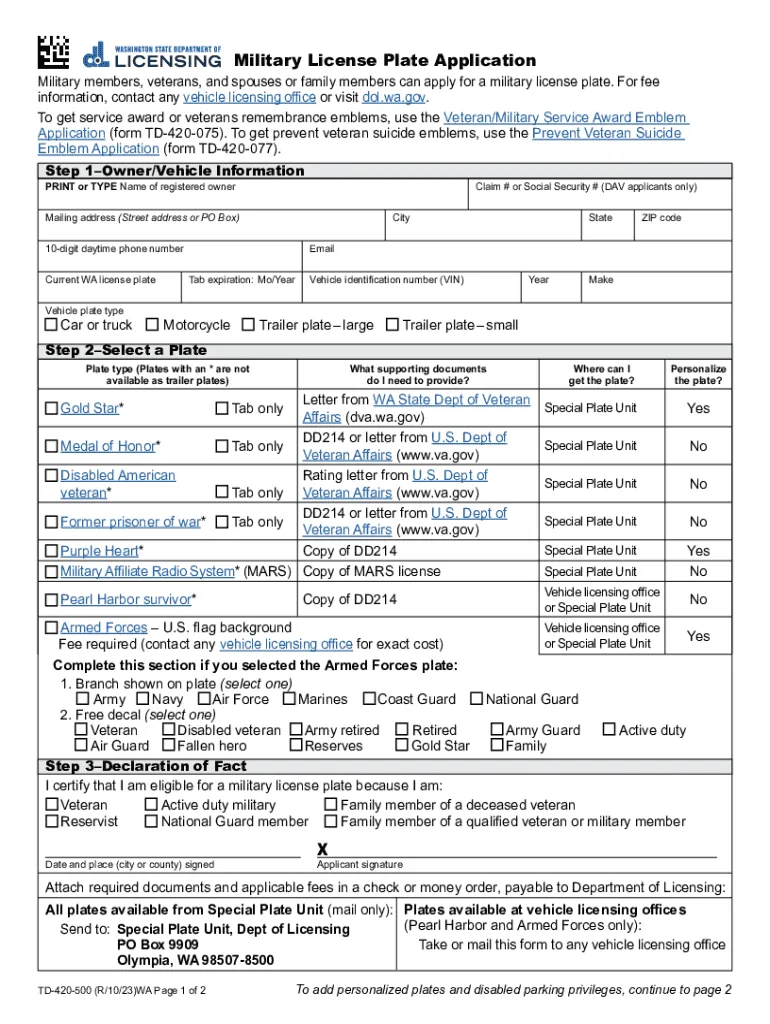
If you need to make a case for your non-resident status, visit the DMV on base or the nearest civilian Alaska DMV office. The Anchorage DMV on E. Tudor Road handles military cases regularly.
The Fairbanks office on Boniface Avenue is similarly used to working with service members from Fort Wainwright and Eielson.
The Alaska DMV Form 845 Process
If a DMV employee insists you need Alaska registration, politely ask for Alaska DMV Form 845 (Statement of Non-Resident Military Status). Fill it out. Attach your orders and home state registration.
The clerk should process the exemption on the spot.
What to Do If the DMV Gives You Pushback
This happens. Some clerks are not trained on SCRA rules. If they refuse to accept Form 845:
- Ask to speak with a supervisor.
- Call the Alaska DMV main office in Juneau for clarification.
- Contact your base's legal assistance office (JAG). They can call the DMV directly.
Never just pay the Alaska registration fee to make the problem go away. Once you do, you've voluntarily surrendered your non-resident status. Your home state may consider you a resident of Alaska for tax purposes after that.
Real Scenarios for Alaska's Major Bases
Your experience with non-resident registration will vary depending on where you're stationed in Alaska. Each base has its own local quirks and DMV relationships.
JBER (Anchorage)
Joint Base Elmendorf-Richardson is the largest military installation in Alaska. The Anchorage DMV on E. Tudor Road sees military cases daily.
Most service members at JBER keep their home state plates without issues.
The main advice we hear from JBER folks is to avoid the DMV in late summer. That's when the PCS surge hits. Lines get long and clerks get rushed.
If you need to visit, go early in the morning on a Tuesday or Wednesday.
Fort Wainwright & Eielson AFB (Fairbanks)
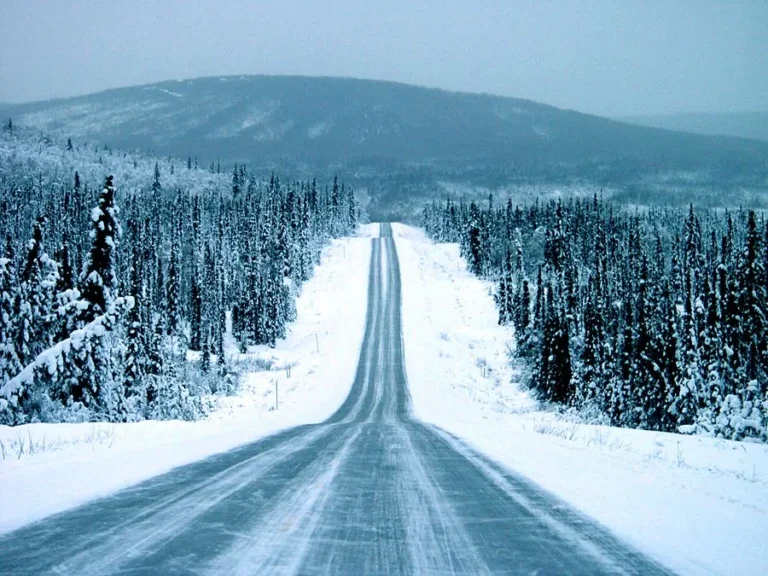
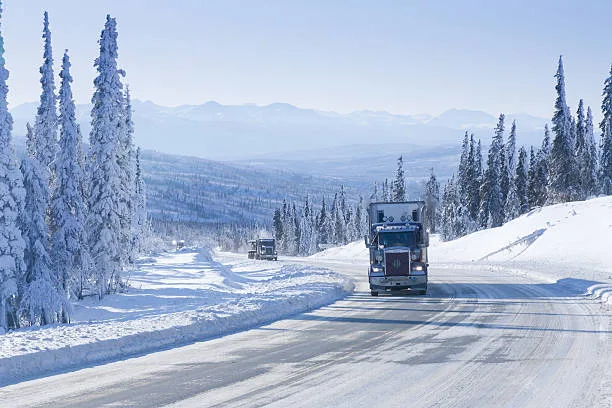
Fairbanks presents a different challenge. Winter conditions here are extreme. Temperatures drop to 40 below for weeks at a time.
That matters for vehicle care and registration.
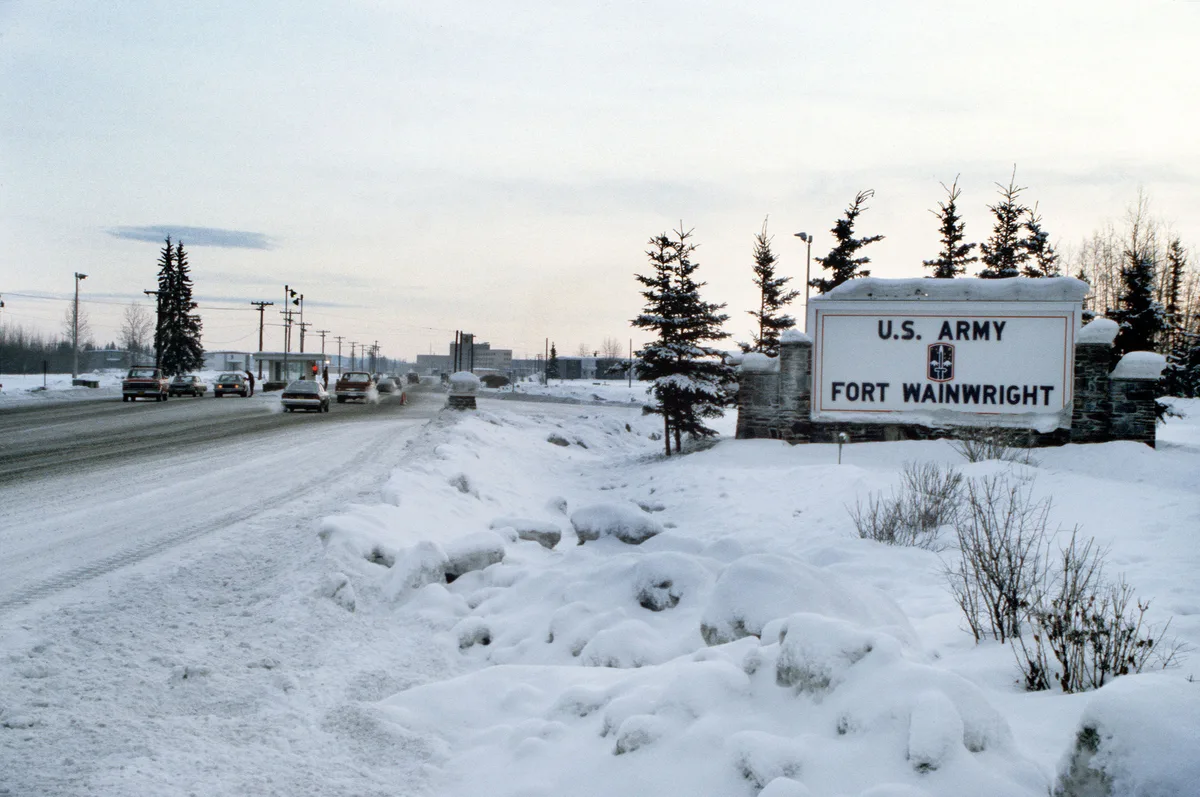
Your vehicle takes a beating in the Interior. Road salt, gravel chips, and constant freeze-thaw cycles eat away at paint and undercarriage. If you're using an automatic car wash regularly during winter, check out our guide on what to expect in a drive through car wash so you know what's happening to your finish.
The Fairbanks DMV on Boniface Avenue is used to military customers. But winter hours can change. Call ahead before driving across town in a blizzard.
Coast Guard Air Station Kodiak
Kodiak is its own world. The island has one DMV office with limited hours. You'll likely handle everything by mail or online.
CGAS Kodiak's legal office can help if you hit problems.
The key difference at Kodiak is the lack of road connections to the rest of Alaska. Your vehicle arrives by barge. Make sure your home state registration is current before it ships, because renewing from Kodiak takes extra time.
The Military Spouse Angle: MSRRA and Joint Registration
The Military Spouse Residency Relief Act (MSRRA) gives spouses the same vehicle registration rights as the service member. If you're a spouse stationed in Alaska with your active duty partner, you don't have to register your vehicle here either.
Here's what MSRRA covers for spouses:
- You can claim your service member's home state as your legal residence
- You can keep vehicle registration and plates from that state
- You're exempt from Alaska registration requirements
- This applies even if you moved to Alaska separately from your service member
One catch. You need to have a valid driver's license from that same home state. If your license is from a different state, the DMV may question your residency claim. Keep your orders and marriage certificate handy.
MSRRA also protects your income for tax purposes. If you earn money from a job in Alaska, you may still not owe Alaska income tax (Alaska has none, but some states tax you based on where you work). Your vehicle registration helps prove your residency claim.
For couples with two vehicles, each vehicle can stay registered in the home state. You don't need to split them up. Both cars can wear home state plates.
When You Should Actually Register in Alaska
Keeping home state plates is usually the right call. But there are exceptions. Here's when switching to Alaska registration makes sense.
- Your home state won't renew remotely. Some states require a physical safety inspection or smog check every year or two. If you can't get back to do it, your registration lapses. At that point, Alaska registration is your backup.
- You buy a vehicle in Alaska. New cars and used cars bought from an Alaska dealer must be registered here. SCRA doesn't exempt you from that. You can title it in your home state, but the practical process is harder.
- Your home state charges military non-residents extra. A few states have complicated rules for service members living elsewhere. Check your home state DMV website before you decide.
- You plan to stay in Alaska after separation. If you're getting out and staying in Alaska, switch to Alaska plates. It simplifies your transition to civilian life.
Warning. Don't switch to Alaska plates just because it seems easier. Once you do, your home state may consider you a resident of Alaska. If your home state has income tax, you could lose your non-resident exemption.
Talk to your base legal office before making the switch.
Common Mistakes That Get Service Members in Trouble
These are the errors we see most often. They're easy to avoid if you know about them.
1. Letting your home state registration expire. You can't drive on expired tags even with SCRA protection. Set a calendar reminder 60 days before your tags expire.
Renew online or by mail well ahead of time.
2. Not carrying your PCS orders. Alaska law enforcement expects to see them if you're stopped with out-of-state plates past the typical 10-day resident grace period. Keep a copy in your glove box at all times.
3. Assuming SCRA covers vehicles you buy in Alaska. It doesn't. If you buy a car from a dealer in Anchorage or Fairbanks, you must register it with Alaska DMV.
You can title it in your home state afterward, but initial registration is Alaska.
4. Using the wrong soap or wash method in winter. Alaska's road salt and gravel grind into your paint. If you're using a brush at a self-serve bay, you could be causing swirl marks and scratches.
Switch to touchless washing during winter months. Our guide on how to prepare for touchless washing walks through the process step by step.
5. Ignoring spouse registration rules. Your spouse has the same rights you do under MSRRA. But they need their own copy of your orders and proof of home state residency.
Don't assume the DMV knows the law automatically.
6. Forgetting about insurance updates. Your policy must reflect Alaska as the garaging address. If it still says your home state address, update it immediately.
A claim denied due to location mismatch is a bad day.
Pro Tips From People Who've Done It
These come from service members and spouses who've navigated Alaska's DMV system over the years. They're practical, not theoretical.
- Join the base Facebook group for your unit. Search for past posts about vehicle registration. Someone has almost certainly dealt with the same DMV office you're going to.
- Call the Alaska DMV main line before your visit. Ask if they're accepting walk-ins or require appointments. Hours change seasonally, especially in smaller offices.
- Keep digital copies of everything. Scan your orders, registration, LES, and insurance card. Store them in a cloud folder. If you lose a paper copy, you can print a replacement anywhere.
- Renew your home state registration at least 30 days early. Mail takes longer to reach some home states from Alaska. Online renewal is better if your home state offers it.
- If you use a pressure washer at home, protect your paint. Alaska's harsh climate already stresses your clear coat. Learn how to choose the right car power washer spray gun for safe cleaning.
- Document every DMV interaction. Write down the date, time, clerk name, and what was said. If you get wrong information and need to escalate, this record is gold.
Frequently Asked Questions
Do I have to register my vehicle in Alaska if I'm active duty?
No. The Servicemembers Civil Relief Act allows you to keep your home state registration while stationed in Alaska. You just need valid home state tags and your PCS orders in the vehicle.
Alaska DMV cannot force you to register locally if you meet these conditions.
What happens if my home state tags expire while I'm in Alaska?
You must renew them before they expire. Driving on expired tags violates the SCRA protection. Renew online or by mail if your home state allows it.
If you can't renew remotely, you may need to switch to Alaska registration as a backup.
Can my spouse keep home state plates too?
Yes. The Military Spouse Residency Relief Act (MSRRA) gives your spouse the same registration rights. They need a valid license from the same home state and a copy of your orders.
Keep their own copy in their vehicle at all times.
Does the non-resident privilege cover vehicles I buy in Alaska?
No. Vehicles purchased from an Alaska dealer must be registered in Alaska first. You can retitle it in your home state afterward, but initial registration goes through Alaska DMV.
Plan for this extra step and cost if you buy a car up here.
What documents should I carry in my vehicle?
Keep your current home state registration, your PCS orders, your home state driver's license, and proof of insurance meeting Alaska's minimum limits. A copy of your LES helps too. Store digital backups in a cloud folder in case you lose the originals.
Will I lose my home state residency if I register in Alaska?
It's possible. Registering your vehicle in Alaska can be used as evidence that you intend to make Alaska your legal residence. That could affect state income tax, voting rights, and in-state tuition.
Talk to your base legal office before making the switch.
Bottom Line: The Safe, Smart Play for Alaska
Keep your home state plates. It's the simplest path for most service members stationed in Alaska.
You save the registration fee. You protect your legal residence. You avoid unnecessary DMV paperwork.
The SCRA and Alaska law both back you up on this.
Just do the small things right. Renew your tags before they expire. Keep your orders in the glove box.
Update your insurance with your Alaska address. Make sure your spouse has their own documents.
If something goes wrong, your base legal office can help. The Alaska DMV main line can clarify the rules. And a well-organized file folder of paperwork saves headaches later.
You're serving in one of the most beautiful and challenging places in the country. Don't let a vehicle registration issue complicate that. Keep it simple, keep it legal, and keep enjoying Alaska.