ByMax Lee
Guide to Arizona Golf Cart Street Legal Requirements in 2026
Cruising through your neighborhood in a golf cart is quiet and cheap. It feels like the ultimate Arizona lifestyle move. But most people don't realize their cart isn't automatically street legal.
The Arizona golf cart street legal requirements are specific, and they vary based on your vehicle and where you live. One wrong move and you could get ticketed.
As of 2026, Arizona law draws a firm line between a standard golf cart and a Neighborhood Electric Vehicle (NEV). That difference matters more than you think. Let's walk through what you actually need before you take your cart onto public roads.
Quick Answer
Arizona golf cart street legal requirements depend on your vehicle's top speed. Golf carts under 20 mph have limited road access. NEVs (20 to 25 mph) need full equipment and registration.
All vehicles need a 17-digit VIN. Every city has its own rules. Check local ordinances before you drive anywhere.
Bing (Web (fair-use with source credit))
Why This Matters More Than You Think
A lot of Arizona golf cart owners assume their cart is fine for the road because they see others driving around. That's a costly assumption. Arizona Revised Statutes Title 28 (specifically 28-966) governs what qualifies as a street legal vehicle.
If your cart doesn't meet those standards, you're operating an unregistered vehicle on public roads. That means fines, impoundment, and potential liability if you get into an accident.
Most ticketing happens because owners don't realize their neighborhood falls under a municipal ordinance that's stricter than state law. Sun City, Scottsdale, Mesa, and Tucson all have different requirements. Some cities require safety inspections before you can register.
Others ban golf carts entirely from certain roads.
You can't just buy a cart, stick on some lights, and call it a day. You need to understand exactly what your city demands. That starts with knowing which type of vehicle you actually own.
The Biggest Trap: Golf Cart vs NEV / LSV

Bing (Web (fair-use with source credit))
This is where most people get tripped up. In Arizona law, there are two distinct categories, and they are not interchangeable.
A standard golf cart is designed for golf courses. It has a maximum speed under 20 mph. It usually lacks a 17-digit VIN.
It might not even have seat belts. Under state law, you can drive a standard golf cart on streets within a golf course community or on roads with speed limits under 35 mph, but only during daylight hours unless equipped with lights. Even then, it's not registered with the MVD.
A Neighborhood Electric Vehicle (NEV) or Low-Speed Vehicle (LSV) is built differently. It's designed to meet Federal Motor Vehicle Safety Standard 500. It has a 17-digit VIN from the factory.
It tops out between 20 and 25 mph. It comes with a full suite of safety equipment. And it can be registered with the Arizona MVD, plated, insured, and driven on roads with speed limits up to 35 mph.
If you're buying a used cart from a private seller, check the VIN. A real 17-digit VIN that starts with a letter indicates it's an NEV. A serial number or a sticker that says "not for highway use" means you've got a standard golf cart.
That distinction is everything when it comes to registration.
Arizona State Law vs City Ordinances: Who Wins?
State law gives you a baseline. But Arizona cities are allowed to add their own restrictions. And they do.
The most common conflict happens when someone registers their cart as street legal with the state, then gets ticketed by a city police department for violating a local rule.
Here's what some major Arizona cities require on top of state law:
| City | Additional Requirement |
|---|---|
| Scottsdale | Bans golf carts from roads over 35 mph. Requires a city permit for NEVs on certain streets. |
| Mesa | Requires a city safety inspection before registration. Prohibits carts on arterial roads. |
| Tucson | Allows NEVs on roads under 35 mph. Requires proof of insurance at time of registration. |
| Sun City | Operates on private roads. Internal community rules often exceed state requirements. |
| Lake Havasu City | High enforcement area. Officers check for DOT tires and proper lighting regularly. |
State law never overrides a city ordinance that's more restrictive. If Mesa says you need an inspection, you need it. If Scottsdale says you can't cross a certain road, you can't cross it.
Ignorance of local law won't get you out of a ticket.
Always check your city's municipal code before you invest in modifications or registration. A quick call to the city police department's traffic division can save you hundreds of dollars.
What Every Street Legal Golf Cart Must Have
Let's get specific. Whether you're registering an NEV or upgrading a standard golf cart for limited road use under state law, certain equipment is mandatory.
Bing (Web (fair-use with source credit))
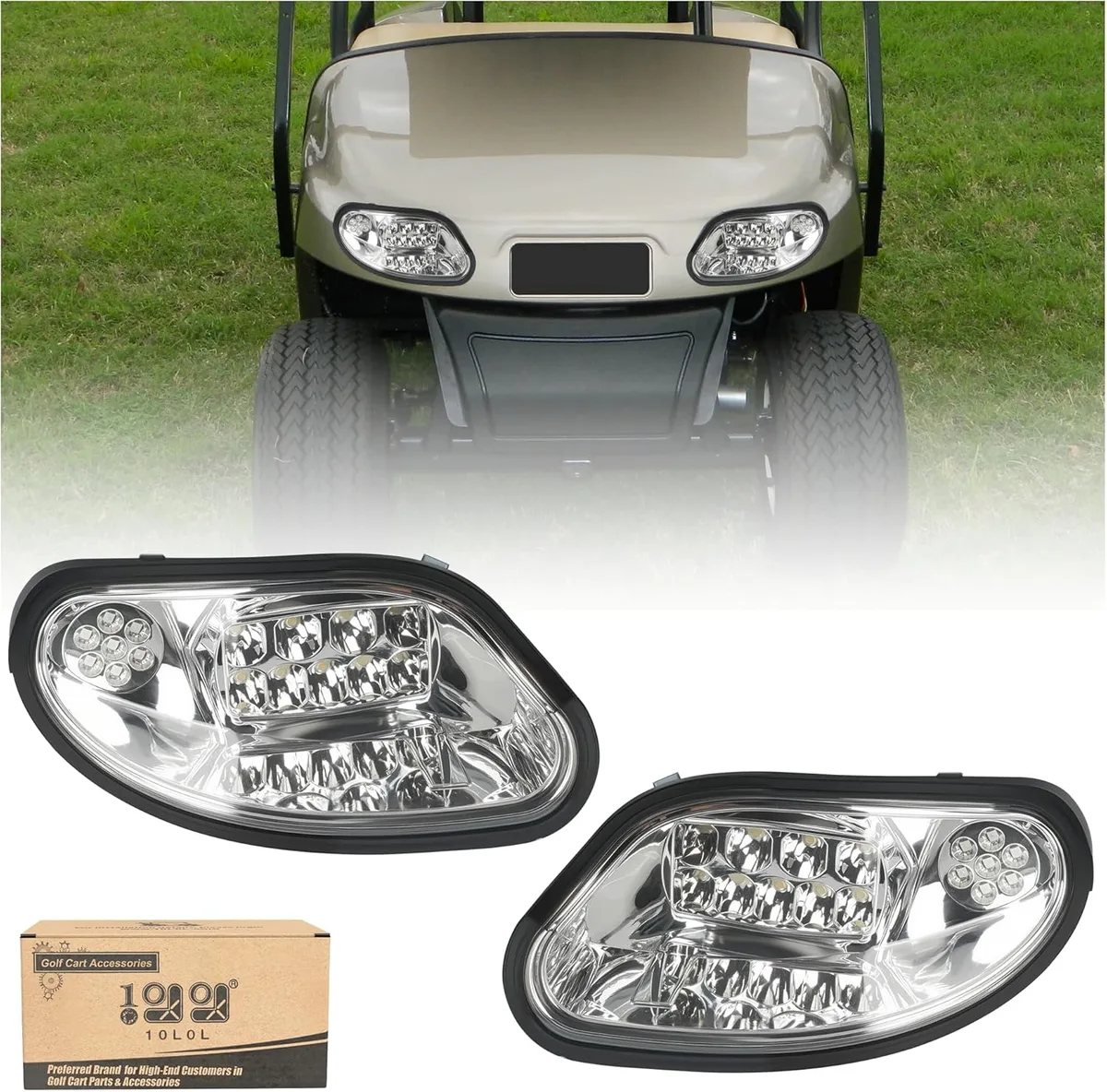
Headlights, two working headlights visible from 500 feet. High and low beam function is required for NEVs.
Taillights, red taillights visible from 500 feet. Must work with the headlights.
Brake lights, red lights that activate when you press the brake pedal. Required for all street legal vehicles.
Turn signals, front and rear turn signals that flash. Required for NEVs. Not required for standard golf carts on private property, but you'll want them for safety on public roads.
Rear view mirror, driver side mirror and one interior mirror. You need to see behind you.
Windshield, safety glass or DOT approved plexiglass. No cracks. No yellowing that blocks vision.
Seat belts, required for NEVs. On standard golf carts, seat belts are only required if they came factory equipped. Add them anyway.
Horn, audible from 200 feet.
Reflectors, front amber, rear red.
Parking brake, must hold the vehicle on a 20% grade.
Tires, DOT approved tires. Golf cart tires often lack the DOT stamp. This is a common failure point during inspections.
If you're modifying a standard golf cart, you can purchase a street legal kit. But be careful. Many aftermarket kits claim DOT compliance but don't actually meet every requirement.
Stick with kits from major manufacturers like Club Car, Yamaha, or E-Z-GO that list specific compliance standards.
Step by Step: How to Register Your Golf Cart in Arizona
Bing (Web (fair-use with source credit))
If your vehicle qualifies as an NEV (17-digit VIN, top speed 20-25 mph, full safety equipment), registration is straightforward. Here's the process.
Step 1: Confirm your vehicle is an NEV. Check the VIN. If it's a 17-digit combination of letters and numbers, you're in good shape. If it's a serial number, you have a standard golf cart.
You cannot register a standard golf cart with the MVD.
Step 2: Gather your documents. You'll need the Certificate of Origin (manufacturer's title), proof of ownership, and a completed Title and Registration Application. If you bought the cart used from a private seller, make sure they signed over the title properly.
Step 3: Get insurance. Arizona requires liability insurance for any registered vehicle. The minimum is 15/30/10 (15k per person injury, 30k per accident, 10k property damage). Your homeowners policy will not cover street accidents in a golf cart.
You need a separate policy. Annual premiums for NEV insurance in Arizona range from $150 to $400 depending on your driving record and coverage limits.
Step 4: Submit to the MVD. You can visit an MVD office or use the AZ MVD Now online portal. Walk ins are available but expect waits. The fee for a standard NEV registration is around $8 to $30 per year.
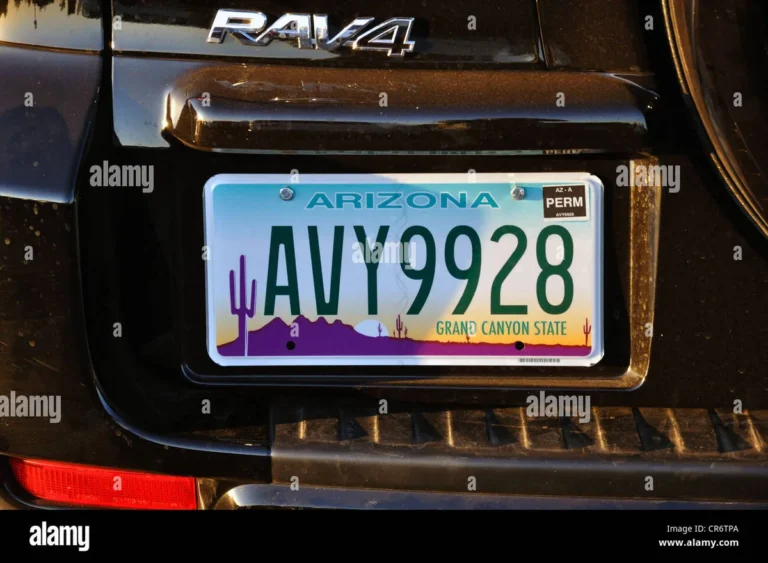
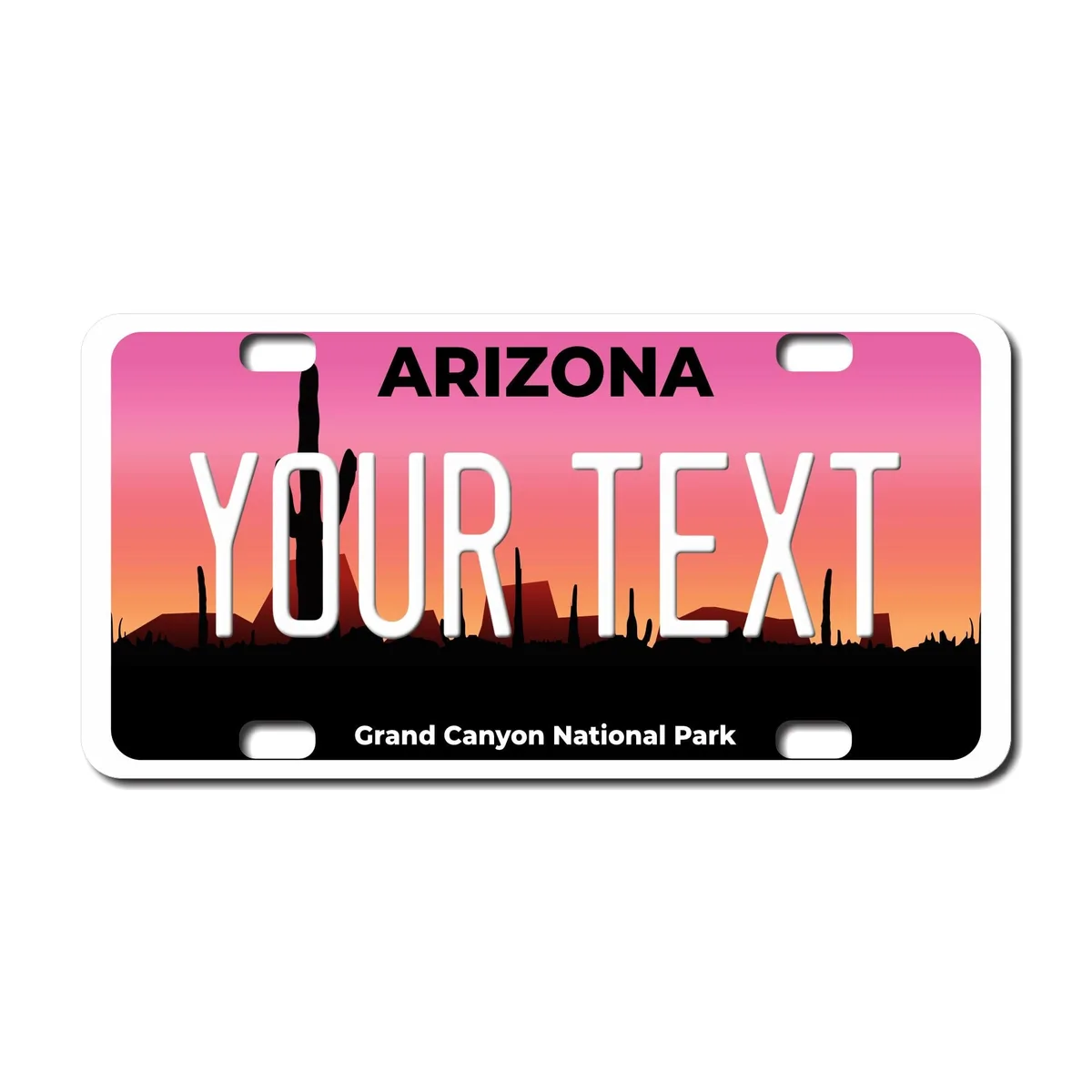
Step 5: Install your license plate. The MVD will issue you a rear license plate. Mount it visibly. No expired tags.
No missing plates.
Step 6: Complete any city inspection. If your city requires one (like Mesa or Scottsdale), schedule the inspection before you drive on public roads. The inspector will check for all the equipment we listed above.
If you own a standard golf cart that cannot be registered, you still have options. You can drive it on private roads within a golf course community during daylight hours without registration. But if you need to cross a public road, you may need to trailer it.
Some owners choose to modify their carts to meet NEV standards, but that's a separate process that involves a Federal 568 Vehicle Compliance Label. That's not a DIY project. It's expensive and involves a certified manufacturer.
Most people find it easier to sell their standard cart and buy a factory built NEV instead.
For more vehicle care and maintenance tips, check out our blog. Proper maintenance, whether it's a golf cart or a car, keeps you safer on the road. And if you're washing your cart after a dusty Arizona day, using the right technique matters.
Our guide on manual cleaning equipment used in car wash covers some useful methods.