ByMax Lee
Guide to Driving in Arizona Dust Storms Safety Protocol
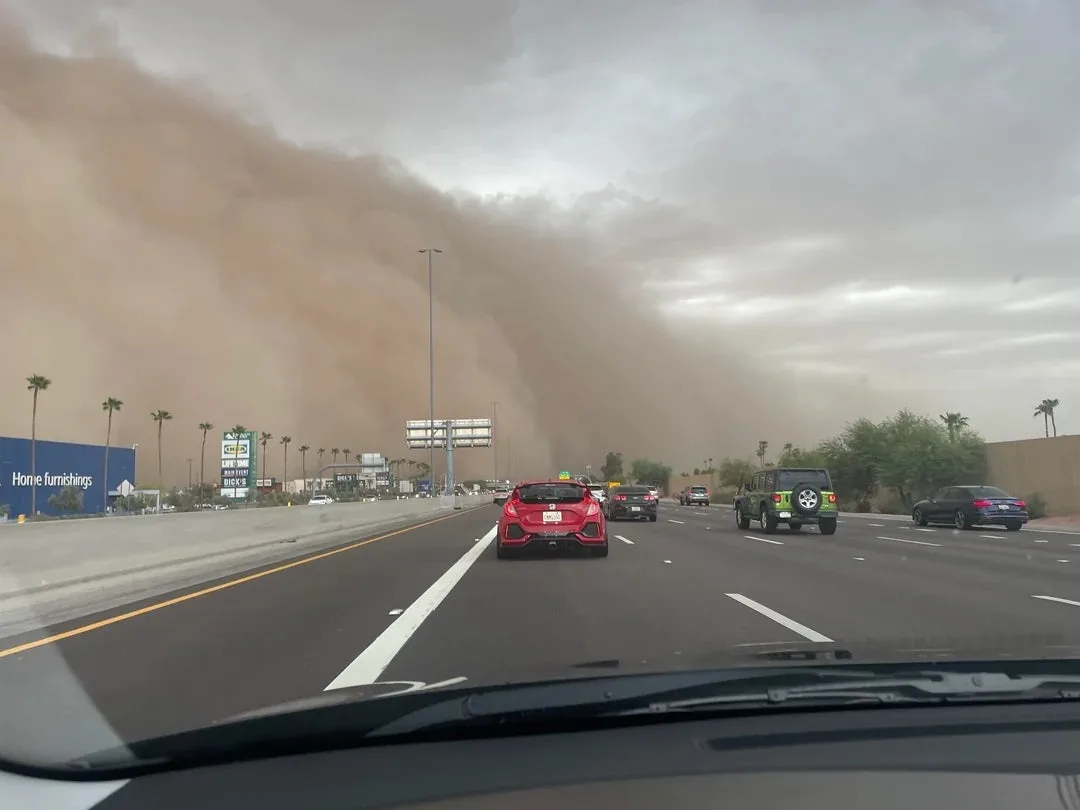
If you've ever driven through Arizona during monsoon season, you know the feeling. The sky shifts from blue to brown. The wind picks up fast.
And within seconds, you're in zero visibility, surrounded by blowing dust. The driving in Arizona dust storms safety protocol is the difference between getting home safely and becoming a statistic in a multi-vehicle pileup.
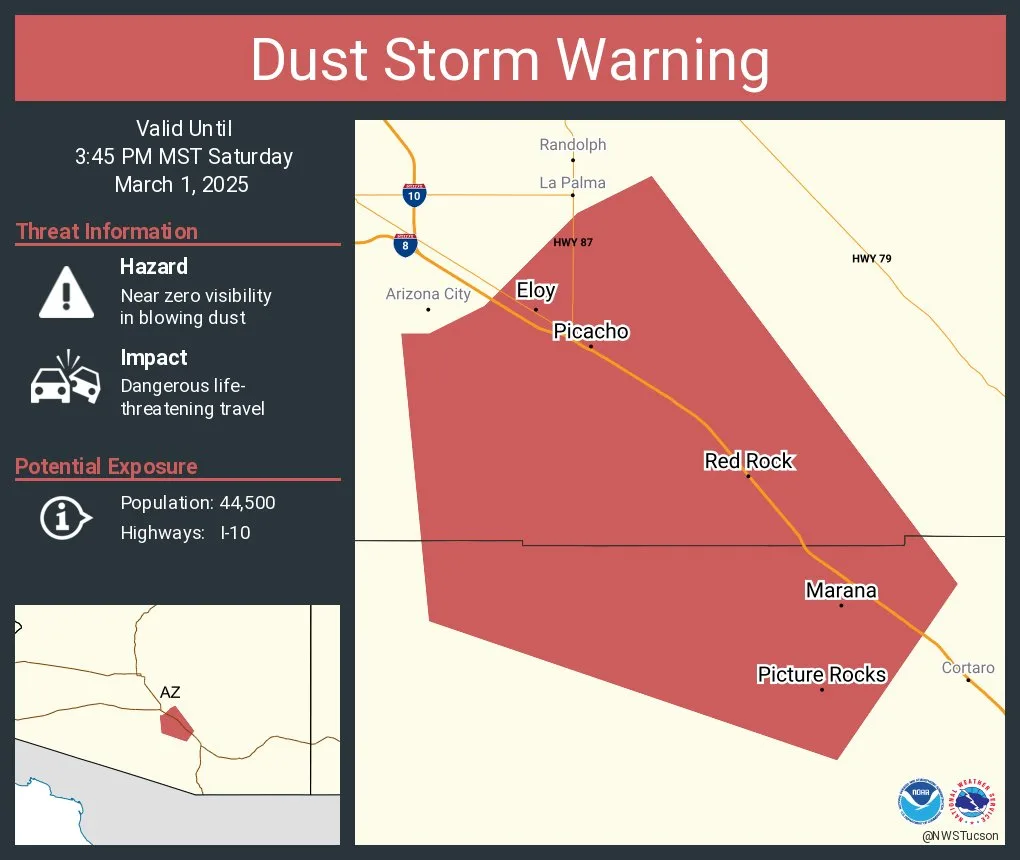
Here's what makes it tricky: the protocol goes against every driving instinct you have. According to the National Weather Service, Arizona haboobs can drop visibility to near zero in under 30 seconds. Winds topping 50 mph turn loose desert soil into a wall of dust that blinds drivers instantly.
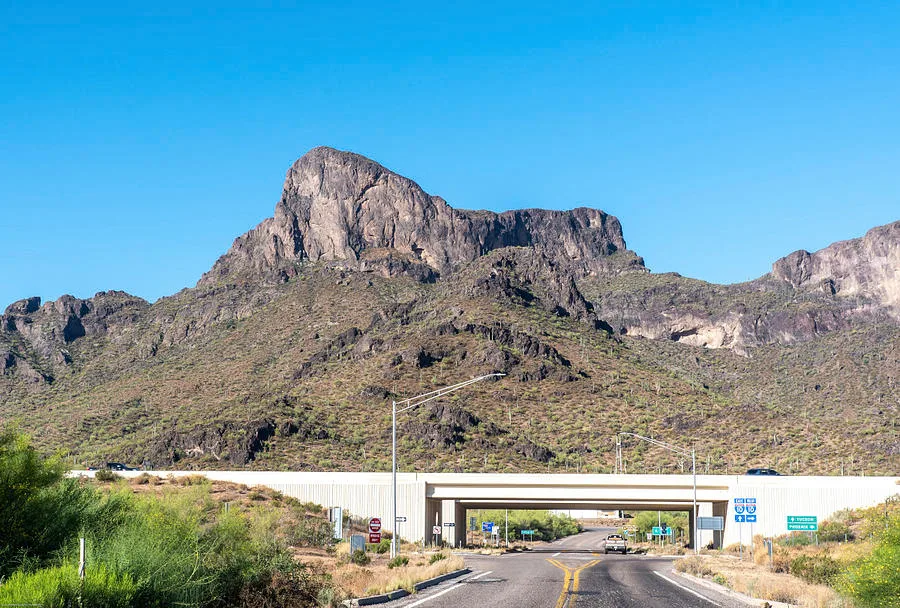
We've seen the aftermath on I-10 near Picacho Peak year after year. Let's walk through exactly what to do when that wall of dust appears.
Bing (Web (fair-use with source credit))
Quick Answer
When a dust storm hits, pull off the pavement completely. Turn off all your lights. Stay in your vehicle with your seatbelt on.
Do not get out. Wait for visibility to return fully before driving again.
Why This Article Could Save Your Life
Every year, Arizona dust storms cause multiple fatalities. The deadliest pileups happen because drivers make split-second decisions that feel right but are deadly.
We spent weeks researching ADOT advisories, accident reports, and first responder guidance. The protocol we are sharing is not opinion. It is what the data says saves lives.
The 2011 I-10 pileup near Picacho Peak involved over 20 vehicles. Multiple people died. Every survivor followed the same basic rules we cover here.
The people who died made one of three common mistakes.
You do not get a second chance in zero visibility. The storm hits fast. You have seconds to decide.
This article gives you a plan before that moment comes.
For more Arizona driving insights, check out our blog.
What Exactly Is a Haboob? (And Why Arizona Gets the Worst of Them)
A haboob is a massive wall of dust created by collapsing thunderstorm downdrafts. The name comes from the Arabic word for "strong wind." These storms are not just dust, they are a specific meteorological event.
Here is how they form. A thunderstorm collapses. Rain-cooled air rushes downward.
That air hits the desert floor and spreads outward. It picks up loose soil and creates a rolling wall of dust that can reach 5,000 to 10,000 feet high.
Arizona gets the worst haboobs in North America for three reasons.
- Loose desert soil. The Sonoran Desert has fine, dry sediment that lifts easily.
- Monsoon season. Intense thunderstorms from June through September create the downdrafts needed.
- Flat terrain. Wind spreads uninterrupted across open desert, building speed.
Typical haboob characteristics:
| Characteristic | Typical Range |
|---|---|
| Wind speed | 40 – 60+ mph |
| Visibility | Near zero (0 – 100 feet) |
| Duration | 15 – 45 minutes |
| Peak season | July – August |
| Most common time | Late afternoon to early evening |
The National Weather Service issues dust storm warnings when visibility drops below a quarter mile. But with haboobs, you often lose all visibility in under 30 seconds. There is no slow fade.
It is instant.
The 9-Step "Pull Aside, Stay Alive" Protocol
ADOT's "Pull Aside, Stay Alive" campaign has saved lives since it launched in the early 2000s. These nine steps are the standard protocol. Memorize them before you need them.
Bing (Web (fair-use with source credit))
Step 1: Recognize the signs early. A brown wall on the horizon. Sudden wind shift. Dust swirling across the road.
You have maybe 30 to 60 seconds before the wall hits.
Step 2: Check your surroundings. Look in your mirrors. Is there a vehicle beside you? Behind you?
You cannot brake hard if someone is on your tail.
Step 3: Reduce speed gradually. Do not slam on the brakes. Ease off the gas. Slow down smoothly so vehicles behind you have time to react.
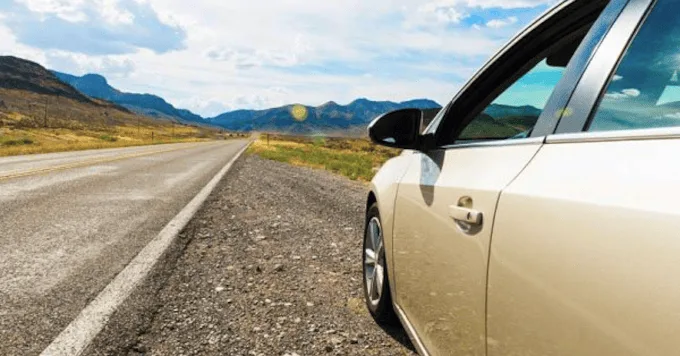
Step 4: Pull completely off the pavement. Get as far right as possible. At least one car length away from the travel lane. If you can, find a paved shoulder.
Soft dirt can trap your vehicle.
Step 5: Set the parking brake. Take your foot off the brake pedal. Why? If you are rear-ended while pressing the brake, your vehicle might push forward into traffic.
Step 6: Turn off all lights. Yes, all of them. Headlights, taillights, hazard lights, interior lights. This is the most counterintuitive step.
We explain why in the next section.
Step 7: Stay in your vehicle. Keep your seatbelt fastened. Do not get out for any reason.
Step 8: Wait for the storm to pass. Most haboobs last 15 to 45 minutes. Do not try to drive when visibility returns partially. Wait until the dust clears completely.
Step 9: Check before re-entering traffic. Look for oncoming vehicles. Dust can linger in patches. Turn your headlights back on.
Merge carefully.
ADOT provides more details on their official dust storm safety page.
Why You Turn Off All Lights (And the Mistake That Gets People Killed)
This sounds backward. We get it. But turning off your lights is the single most important step after pulling over.
Here is why. In zero visibility, other drivers cannot see the road. They look for lights to follow.
If your lights are on, they assume you are still moving. They aim for your lights and rear-end your parked vehicle.
It happens all the time. Drivers see red taillights ahead. They think those are moving cars.
They follow them and crash into stopped vehicles at highway speed.
The same logic applies to hazard lights. Flashing hazard lights signal that you are a stopped hazard. But in a dust storm, they attract drivers who are disoriented.
They steer toward your lights.
Bottom line: Your vehicle must become invisible. No lights means no target. No one follows you.
No one hits you.
The one exception: if you are still on the pavement and cannot pull over, keep your headlights on low beam. High beams reflect off dust and make visibility worse. But the goal is always to get off the pavement first.
The #1 Fatal Error: Getting Out of Your Car
This is the deadliest mistake in Arizona dust storms. People get out of their vehicles for three reasons.
- They think they are safer walking away from the road.
- They want to check damage after a minor collision.
- They panic and feel trapped in the car.
Every one of these decisions has led to fatalities.
Here is what happens. You step out. Another vehicle appears out of the dust at highway speed.
The driver never sees you. You become a pedestrian in zero visibility with traffic moving around you.
The second leading cause of death in multi-vehicle dust storm pileups is pedestrians struck by vehicles. Not the initial crash. Not the secondary collisions.
People on foot.
Stay in your car. Keep your seatbelt on. Your vehicle is the safest place you can be. It provides structure, visibility (other drivers see a car better than a person), and protection from flying debris.
If you are involved in a minor collision inside the storm, do not get out to exchange information. No insurance claim is worth your life. Wait until the storm clears completely and the dust settles.
Then check damage safely.
The Arizona Department of Public Safety confirms that every survival guide for dust storms includes this rule. Get off the road. Stay in the car.
Do not exit.
Bing (Web (fair-use with source credit))
Bing (Web (fair-use with source credit))