ByMax Lee
Guide to Tribal Land Vehicle Operation Rules 2026
If you drive in Alaska long enough, you'll eventually cross onto tribal land. When you do, the rules that apply might not match anything you learned from the Alaska DMV handbook. That's a problem.
Getting it wrong can mean fines, impoundment, or legal trouble that follows you home.
Alaska is home to 229 federally recognized tribes. Each one has authority to enforce its own traffic laws on tribal land. As of 2026, there's no single statewide guide that covers every village.
Whether you're headed to Bethel for work or passing through a rural community on a road trip, knowing the basics of tribal vehicle law is essential.
Bing (Web (fair-use with source credit))
Quick Answer
Tribal land vehicle rules differ from Alaska state law. Tribes set their own speed limits. They can require tribal registration.
They enforce their own traffic codes. You must follow tribal laws when driving on tribal land. Ignorance is not a defense.
Check with the tribal government before you travel.
Why Driving on Tribal Land in Alaska Is Different from State Roads
Most drivers assume Alaska state law covers every road in the state. That's not true. Tribal lands operate under a separate legal system rooted in federal law and tribal sovereignty.
State roads are governed by the Alaska Department of Transportation. The Alaska State Troopers enforce those laws. Tribal roads fall under the authority of the tribal government.
Speed limits, registration rules, and even enforcement officers can be different.
Here's what that looks like in practice:
- Village Public Safety Officers (VPSOs) or tribal law enforcement officers handle traffic stops on tribal land.
- A ticket from a tribal court is enforceable under tribal law.
- Tribal courts handle traffic violations separately from the Alaska state court system.
Our research shows most Alaska car owners first learn about tribal vehicle rules after a citation or a warning from a VPSO. The key takeaway is simple: on tribal land, you follow tribal rules.
The Legal Foundation: Tribal Sovereignty and Your Vehicle
Tribal nations are sovereign governments. They have the inherent authority to govern their own territory. That includes setting traffic laws on their lands.
Bing (Web (fair-use with source credit))
Where Tribal Sovereignty Comes From
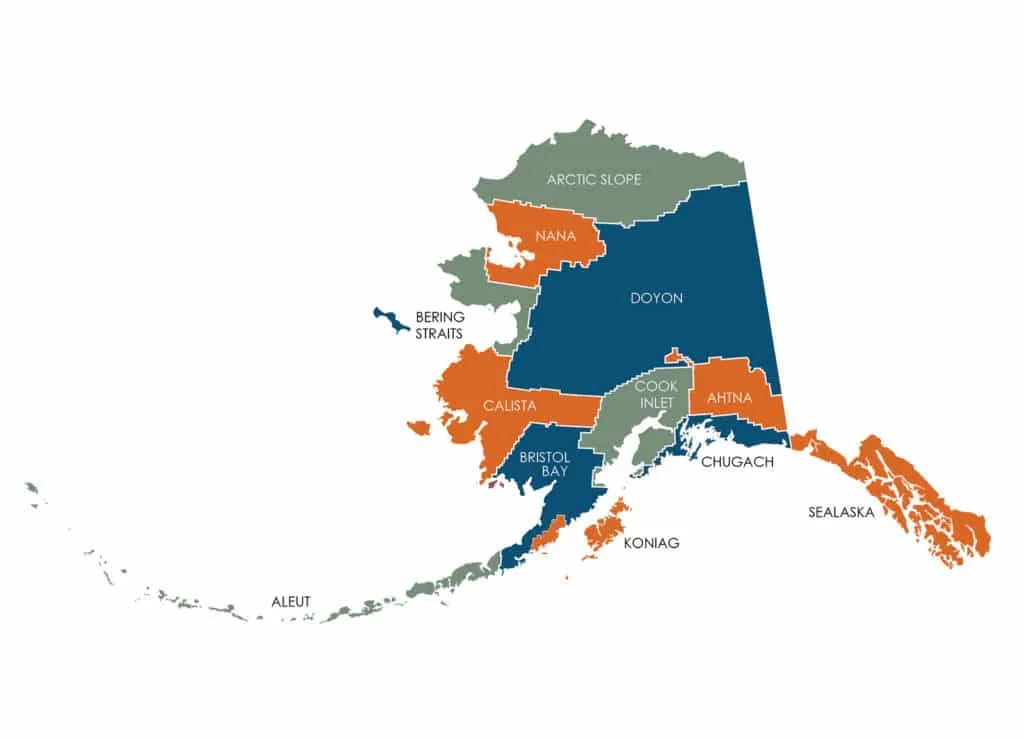
Federal law recognizes tribal sovereignty under the U.S. Constitution, treaties, and acts of Congress. In Alaska, the Alaska Native Claims Settlement Act (ANCSA) of 1971 created a unique land ownership structure.
Most Alaska Native land isn't "reservations" in the traditional sense. It's land owned by village and regional corporations.
The legal definition from 18 U.S.C. Section 1151 determines which lands are subject to tribal jurisdiction. In Alaska, that definition has been interpreted differently than in the Lower 48.
What This Means for Your Vehicle
If you're driving on land that qualifies as Indian Country under federal law, the tribal government has jurisdiction. Tribal police can pull you over. Tribal courts can hear your traffic case.
Tribal traffic codes apply instead of state law.
For drivers from Anchorage or Fairbanks, this can feel like crossing an invisible border. You won't always see a sign. But the legal authority is real.
Alaska Is a Public Law 280 State
Congress passed Public Law 280 in 1953. It gave certain states criminal jurisdiction over tribal lands. Alaska was added in 1958.
This means state and tribal law enforcement can both have authority on tribal land. The safest approach is to assume tribal law applies and act accordingly.
Key Jurisdictional Questions Every Driver Must Understand
When you get stopped on a road in rural Alaska, three things determine what happens next: who owns the land, who employs the officer, and what kind of violation you're facing.
Who Owns the Road?
Not every road in a village is tribal land. Some roads are maintained by the state, some by the tribe, some by the BIA, and some by village corporations. Ownership determines jurisdiction.
| Road Type | Jurisdiction | Enforcement |
|---|---|---|
| BIA Indian Reservation Roads | Federal/Tribal | Tribal or BIA law enforcement |
| State highways through tribal land | State | Alaska State Troopers |
| Village roads owned by tribe | Tribal | Tribal police or VPSOs |
| ANCSA corporation roads | Corporation/Private | Depends on agreement |
If you're on a state-maintained road through tribal land, you're under state jurisdiction. Turn onto a village road the tribe owns, and you're under tribal law.
Who Stopped You?
The officer's badge matters. VPSOs are commissioned by the state. Tribal law enforcement officers (TLEOs) are commissioned by the tribe.
Both can issue citations, but the court that handles the case depends on the officer's authority.
What Kind of Violation?
Minor traffic infractions go through tribal court. Serious offenses involving alcohol or injury can be prosecuted in either court. If you're stopped, ask which court will handle the citation.
That information determines how you respond.
How Tribal Traffic Laws Differ from Alaska State Law
Let's get specific. What actually changes when you cross onto tribal land? The differences range from subtle to significant.

Bing (Web (fair-use with source credit))
Speed Limits
Tribal governments set their own speed limits. In many Alaska villages, the limit is 25 miles per hour on residential roads and 15 miles per hour near schools. Main routes between villages might be 45 to 55 miles per hour.
That varies by tribe.
Speed enforcement on tribal land is often stricter than on state highways. VPSOs know the local roads. They know where people speed.
Driver's Licenses
Most tribes in Alaska accept a valid Alaska driver's license. Some tribes have their own permit requirements for non-members. This is rare but exists.
Check with the tribal government before extended travel.
Vehicle Registration
Some Alaska Native tribes require vehicles to be registered with the tribe. Your Alaska state registration alone might not be enough.
If you live on tribal land, you may need:
- A tribal vehicle registration sticker
- A tribal plate or decal
- Proof of tribal enrollment or residency for fee waivers
Short-term visitors usually only need state registration. Extended stays of weeks or months may require tribal registration.
Equipment and Safety Standards
Tribal traffic codes usually mirror Alaska state law on equipment. But not always. Common requirements include working headlights, taillights, turn signals, and proper tires.
Some tribes ban vehicle modifications that are legal under state law. If you drive a lifted truck, check the tribal code before you go.
DUI and Alcohol Laws
Tribal DUI laws often mirror state law with a 0.08 percent BAC limit. Some tribes have stricter limits for commercial vehicles or repeat offenders. You can be charged separately under tribal and state law for the same incident.
Double jeopardy doesn't always apply across sovereign governments.
Tribal Vehicle Registration and Driver Licensing: What You Need to Know
Let's walk through the practical steps. Here's what you need to sort out before you drive on tribal land.
Do You Need Tribal Registration?
For short-term visitors, your Alaska state registration is usually fine. Exceptions exist if you live or work on tribal land for more than 30 days, you're a tribal member living in the village, or the tribe's code requires it for non-members.
Tribal members may get registration fee waivers. Non-member registration typically costs 25 to 100 dollars depending on vehicle type and duration.
Acceptable Driver's Licenses
An Alaska driver's license is accepted on tribal land in almost every case. Out-of-state drivers should carry both their physical license and vehicle registration. Some tribes ask for proof of insurance at registration.
The Permit Question
A few Alaska tribes require non-members to get a temporary driving permit. This is most common in villages with heavy seasonal traffic from construction crews or healthcare workers.
If you're working on tribal land, contact the tribal transportation office at least two weeks before you arrive. Ask if a permit is required, what documents you need, and whether there's a fee.
What About Snowmobiles and ATVs?
In rural Alaska, snowmobiles and ATVs are essential transportation. Tribal vehicle laws often cover them too. Requirements may include tribal registration, liability insurance, headlights and brake lights for nighttime use, and age restrictions.
Check the tribal code before operating off-road vehicles on tribal land.
For general vehicle care tips, check our blog for guides on maintaining your vehicle through Alaska's tough conditions. If you drive gravel roads regularly, our article on manual cleaning equipment can help protect your paint from dust and mud damage.
Common Traffic Violations on Tribal Land and Their Consequences
Speeding is the most common ticket on tribal land. Fines typically range from 50 to 300 dollars. Some tribes use a sliding scale.
Others set flat fines for specific speed ranges.
Driving without a valid license or registration is treated seriously. Expired Alaska registration might get a warning. No tribal registration when one is required can mean vehicle impoundment.
Getting it back requires paying fees and proving compliance.
Ignoring a tribal citation is a bad idea. Tribal courts can issue warrants. Those warrants can lead to arrest if you're stopped again on tribal land.
Most tribes in Alaska cooperate with the state on serious violations. A DUI on tribal land can result in license suspension through the Alaska DMV.
Insurance Requirements on Tribal Lands: Don't Get Caught Without Coverage
Alaska state law requires liability insurance. Most tribes follow the same minimums: 25,000 dollars for bodily injury per person, 50,000 per accident, and 25,000 for property damage. Some tribes set higher requirements.
Proof of insurance is often requested during tribal vehicle registration. Keep your insurance card in your vehicle. Uninsured driving can result in fines, impoundment, and suspension of driving privileges on tribal roads.
If you're driving a work vehicle onto tribal land, confirm with your employer that the commercial policy covers the tribe's requirements. For more on protecting your vehicle long term, our article on whether ceramic coating protects against salt covers winter driving concerns on gravel and ice roads.
Seasonal Road Conditions: Safety Concerns That Affect Your Vehicle
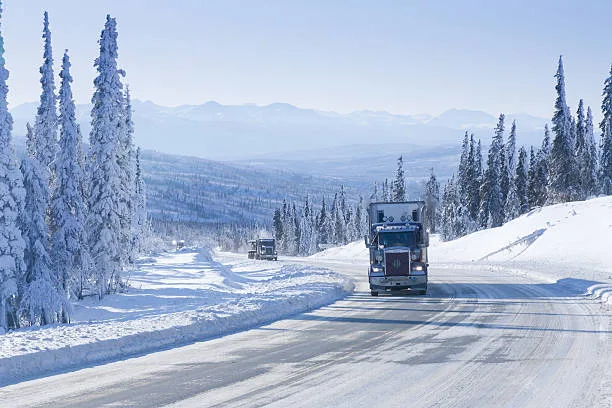
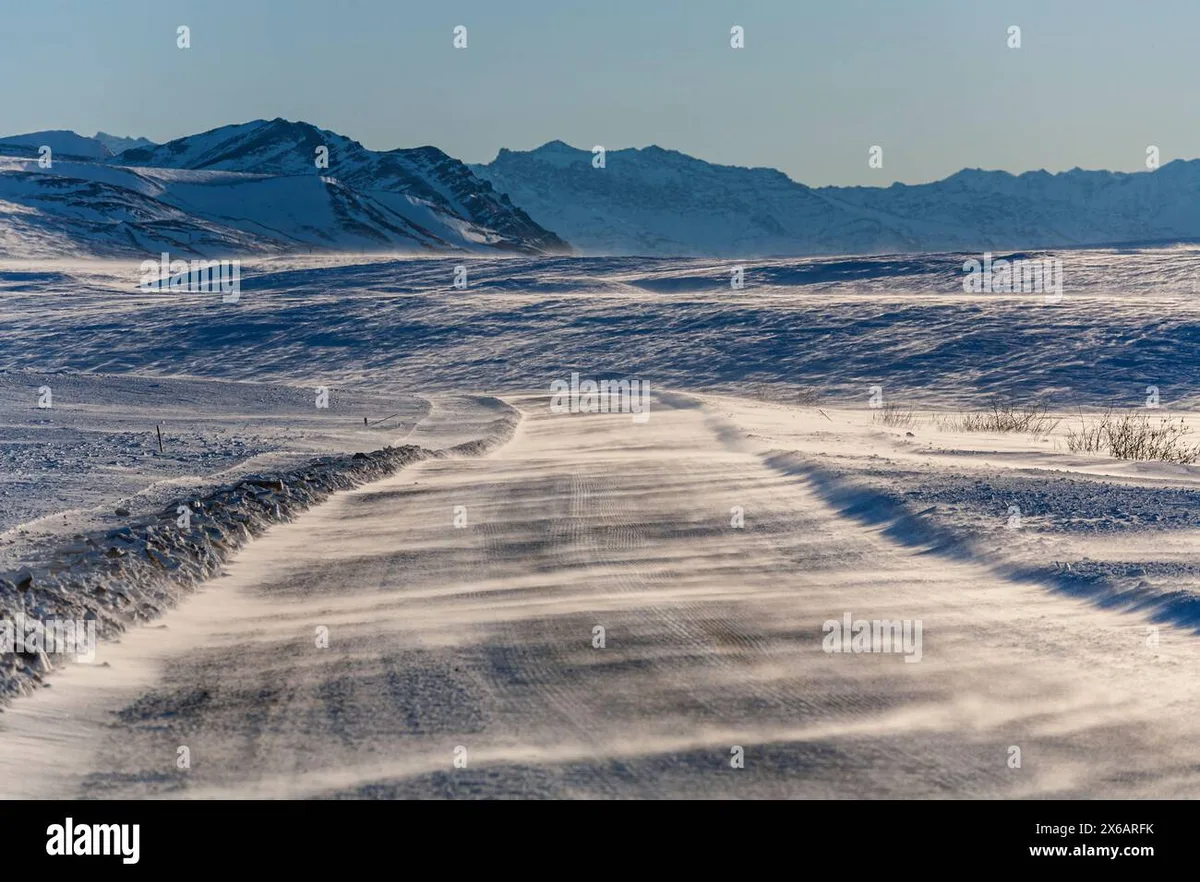
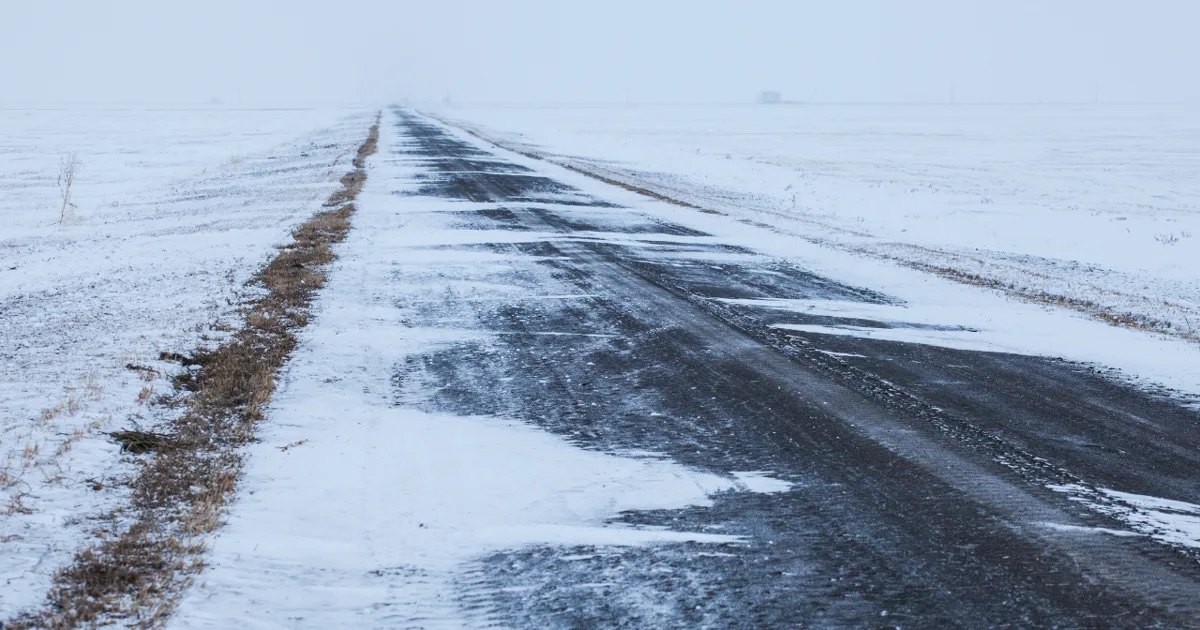
Alaska's seasons change everything about driving. On tribal land, seasonal conditions can make roads impassable.
Bing (Web (fair-use with source credit))
Spring breakup is the most dangerous time. Frozen ground thaws and gravel roads turn into mud pits. Deep ruts and potholes appear overnight.
Many tribal roads close to heavy traffic during breakup.
Summer brings dust. Dry gravel roads create clouds of fine dust that can clog air filters and damage paint. Wash your vehicle's undercarriage regularly.
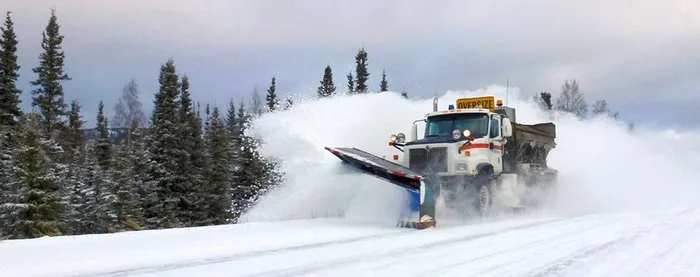
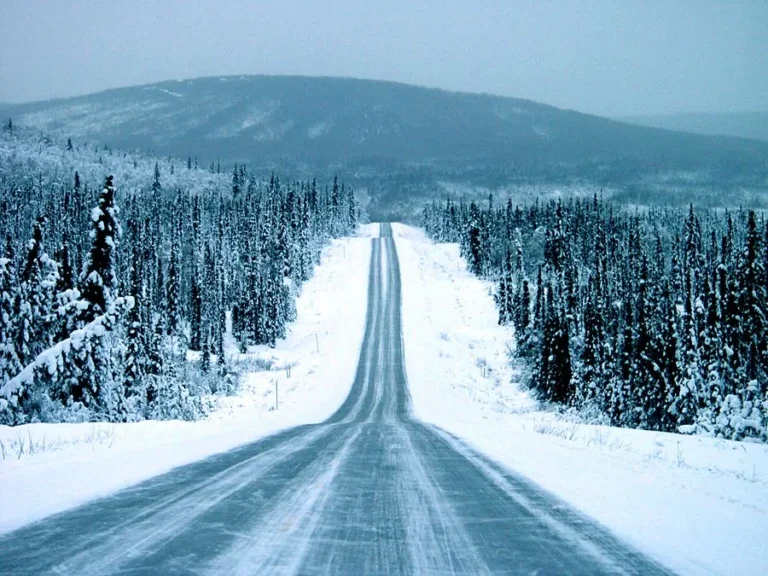
Winter brings ice and snowpack. Tribal roads are plowed less frequently than state highways. Studded tires or quality winter tires are strongly recommended.
Our guide on how to prepare for touchless washing can help manage winter salt and grime buildup.
Freeze-up in late fall is unpredictable. Roads can turn into sheets of ice within hours. Reduce speed significantly.
The practical rule: if you wouldn't drive that road in Anchorage, don't drive it on tribal land. Getting stuck or crashing in a remote village is much worse with limited emergency services.
Mistakes Even Experienced Alaska Drivers Make on Tribal Land
Mistake 1: Assuming state law applies everywhere. Tribal land is not state land. Check before you go.
Mistake 2: Ignoring a tribal citation. Tribal courts can issue warrants and impound your vehicle. Some tribes share violation data with the state for serious offenses.
Mistake 3: Not carrying proof of insurance or registration. In remote villages, getting replacement documents mailed to you can take weeks. Keep physical copies in your glove box.
Mistake 4: Driving through villages at night without proper lights. Many tribal roads have no street lighting. Moose crossing the road is a real hazard. Keep your headlights clean and properly aimed.
Mistake 5: Not knowing who to call after an accident. On tribal land, 911 might reach a VPSO dispatch rather than Alaska State Troopers. Know the local emergency number for the village you're in.
How to Find Tribal Traffic Laws Before You Travel
You can't follow rules you don't know. Finding tribal traffic laws takes effort, but it's straightforward.
Step 1: Identify the tribe. Find out which tribe has jurisdiction over the land you'll be driving on. The Bureau of Indian Affairs maintains a list of federally recognized Alaska Native tribes.
Step 2: Contact the tribal government. Call the tribal transportation office or tribal administrator. Ask about registration requirements, speed limits, license acceptance, and restricted roads.
Step 3: Check the tribal website. Many Alaska tribes post traffic codes online. Look for a "Tribal Code" or "Transportation" section.
Step 4: Ask locally when you arrive. Stop at the tribal office or local store. Most communities explain the rules to visitors who ask.
Tribes appreciate drivers who ask in advance. It shows respect for tribal sovereignty and keeps you out of trouble. For performance vehicles on tribal roads, our article on Mini R56 brake fluid can help prevent brake failure on long gravel stretches.
When You Need Legal Help After a Citation or Accident
If you receive a citation from tribal police, contact the tribal court listed on the citation. Ask about payment, hearing dates, and whether you can appear by phone.
For accidents involving injury or property damage, notify both tribal law enforcement and your insurance company immediately. Tribal courts handle most civil traffic matters. Serious accidents involving injury may also involve state authorities because Alaska is a P.L. 280 state.
If you're confused about how to respond to a tribal citation, consult a lawyer familiar with Alaska tribal law. The Alaska Bar Association can refer you to an attorney who understands tribal jurisdiction. Don't ignore the citation.
Verified Summary: What Every Alaska Car Owner Should Remember
| Key Point | What to Do |
|---|---|
| Tribal laws differ from state laws | Research before travel |
| Registration may be required | Ask the tribal office |
| Tribal citations are enforceable | Pay or contest them |
| Insurance is mandatory | Carry proof in vehicle |
| Seasonal roads can be dangerous | Adjust speed and vehicle prep |
Respect tribal sovereignty. Follow local rules. Ask questions before you drive.
That approach keeps you safe and out of legal trouble on Alaska's tribal lands.
Frequently Asked Questions
Can I drive on tribal land in Alaska with my state driver's license?
Yes, in most cases. An Alaska driver's license is accepted on tribal land across the state. A few tribes require non-members to get a temporary permit.
Check with the tribal office before extended visits.
Do I need tribal vehicle registration for a short visit?
Usually not. Most tribes accept Alaska state registration for short-term visitors. If you live or work on tribal land for more than 30 days, you may need tribal registration.
Confirm with the tribal transportation office.
What happens if I get a speeding ticket on tribal land?
You receive a citation from tribal police or a VPSO. The fine goes to the tribal court. Pay it or contest it through tribal court procedures.
Ignoring it can lead to warrants and vehicle impoundment.
Can I be charged twice for the same violation on tribal land?
Possibly. Alaska is a P.L. 280 state. Tribal and state sovereign governments can both prosecute the same act.
Double jeopardy usually doesn't apply across separate sovereigns. This is most common with DUIs and serious offenses.
How do I find tribal traffic laws before traveling?
Contact the tribal government directly. Call the tribal transportation office or administrator. Ask about speed limits, registration, and insurance requirements.
Many tribes post traffic codes online.
Are snowmobiles and ATVs covered by tribal vehicle laws?
Yes. Many tribes require registration, insurance, and safety equipment for snowmachines and four-wheelers. Check the tribal code before operating off-road vehicles on tribal land.
Requirements often differ from state law.