ByMax Lee
Guide to Remote Area Instruction Permits 2026
Bing (Web (fair-use with source credit))
If you live in a remote part of Alaska, the path to a driver's license looks nothing like what someone in Anchorage or Fairbanks deals with. Remote Area Instruction Permits exist specifically for residents of communities without a DMV office, and getting one is the only realistic way for thousands of Alaskans to learn to drive legally.
As of 2026, the Alaska DMV reports that over 80 communities have no local office, meaning residents must rely on this specialized permit program. Understanding how it works could save you months of delays, hundreds in travel costs, and a lot of frustration. So let's break down exactly what you need to know.
Quick Answer
A Remote Area Instruction Permit is a learner's permit for Alaska residents in communities without a DMV office. You take the written test locally. You schedule the road test with a designated examiner.
No trip to a city DMV is required. You must be at least 14 years old. The permit costs $20 and lasts two years.
Why Getting This Right Matters for Your License
Getting the wrong type of permit costs you time and money. If you apply for a standard Alaska instruction permit but live in a remote village, the DMV will ask you to travel to an office for testing. That means a flight or a long drive to Anchorage, Fairbanks, Juneau, or Wasilla.
For many bush communities, that's a round trip costing $400 to $800 or more.
The stakes go higher than a wasted plane ticket though. Without a valid instruction permit, any driving you do is technically unlicensed. In Alaska, that can lead to fines, points on your record, or even vehicle impoundment if you're stopped.
And if you're a teenager, it could delay getting a full license for months.
This permit solves exactly that problem. The Alaska DMV created it so residents of remote areas can follow the same learning path as urban drivers, just without the travel. As long as you qualify, it gives you everything the standard permit does.
Supervised driving practice. Eligibility for a road test. A smooth transition to a full license.
For car owners in rural Alaska, this isn't just a convenience. It's how you legally hand the wheel to a new driver in your household.
What Exactly Is a Remote Area Instruction Permit?
Put simply, it's a learner's permit you can get without setting foot in a DMV office. The Alaska DMV authorizes what they call "designated examiners" in remote communities. These are local people trained to administer written tests and road tests.
They might be a teacher, a village public safety officer, or a trained volunteer.
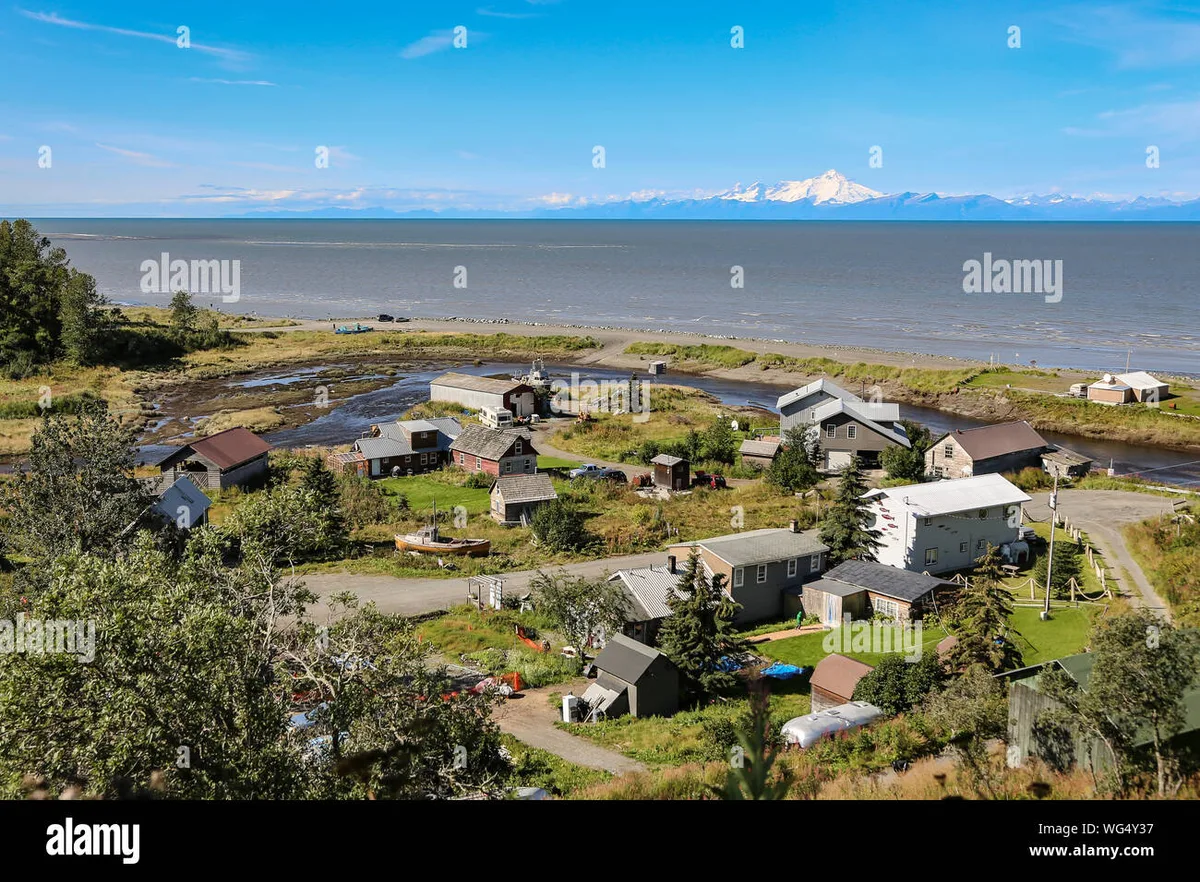
The permit itself looks and works just like a standard instruction permit. It has the same restrictions. You can only drive when a licensed adult who is at least 21 years old and has at least one year of driving experience is sitting next to you.
You can't drive alone. You can't have any alcohol in your system. And you must hold it for at least six months before you can take the road test for a full license, unless you're 18 or older.
The key difference is the location. Instead of visiting a DMV counter, you handle everything in your own community. Your test is on local roads you already know.
Your examiner is someone familiar with your village. And the whole process respects the reality that getting to a city is not always possible.
The Alaska DMV also allows these permits to be issued for longer periods if needed. Standard instruction permits expire after two years. Remote area permits follow the same rule.
But because scheduling can take longer in small communities, examiners often have more flexibility in arranging test dates.
Who Qualifies for a Remote Area Permit (and Who Doesn't)
Not everyone in Alaska can use this program. The eligibility rules are specific, and they depend entirely on where you live.
You qualify if you live in a community that has no Alaska DMV office. The DMV maintains a list of remote areas that qualify. Most villages off the road system count.
If you live in a place like Bethel, Nome, Kotzebue, Utqiaġvik, Dillingham, or any of the hundreds of smaller villages accessible only by air or water, you're eligible.
You also qualify if you live in a community that has a DMV office but it is only open part time. Some rural offices operate a few days a month. In that case, the DMV may still consider you eligible for the remote permit program.
You do not qualify if you live in Anchorage, Fairbanks, Juneau, Wasilla, Palmer, Kenai, Soldotna, or any city with a full time DMV office. Even if your neighborhood is far from the office, you are expected to visit it in person.
Here's a quick breakdown:
| Qualifies for Remote Permit | Does Not Qualify |
|---|---|
| Villages off the road system | Anchorage and surrounding area |
| Fly-in only communities | Fairbanks and North Pole |
| Seasonal road access areas | Juneau and Mendenhall Valley |
| Part-time DMV office towns | Wasilla, Palmer, Eagle River |
| Subsistence-based villages | Kenai, Soldotna, Homer |
| Island communities without ferry access | Any city with full-time DMV |
Age requirements are the same as standard permits. You must be at least 14 years old to apply. If you are under 18, you need a parent or guardian to sign the application.
If you are 18 or older, you apply on your own.
One thing to watch out for: if you move from a remote community to a city, your remote permit stays valid until it expires. But you cannot renew it as a remote permit once you have moved. You would need to transfer to a standard permit at the local DMV office.
Step-by-Step: How to Get Your Remote Area Instruction Permit
The process is straightforward, but it takes some coordination. Unlike a standard permit where you walk into a DMV and handle everything in one trip, the remote permit requires you to work with your local designated examiner.
Step 1: Find your designated examiner.
The Alaska DMV appoints examiners in eligible communities. Your village may already have one. Ask at your local school, the tribal council office, or the public safety building.
If no examiner is appointed yet, the DMV can help train someone. Often a teacher or VPSO takes on the role.
Step 2: Gather your documents.
You need the same paperwork as a standard permit application:
- Proof of identity (birth certificate or passport)
- Proof of Social Security number (card or official document)
- Proof of Alaska residency (utility bill, lease, or tribal ID)
- Parent or guardian signature if you are under 18
The examiner can help you verify what documents work. Some villages accept tribal identification as proof of residency, which the DMV recognizes under Alaska law.
Step 3: Complete the application.
The examiner provides you with the Alaska DMV application for an instruction permit. You fill it out, sign it, and pay the fee. As of 2026, the fee is $20 for a two-year permit.
The examiner collects the fee and sends it to the DMV.
Step 4: Take the written knowledge test.
The examiner administers the test. It is the same written test used in DMV offices. You must score at least 80 percent to pass.
The test covers Alaska traffic laws, road signs, and safe driving practices. The examiner scores it immediately and tells you if you passed.
Step 5: Complete the vision screening.
The examiner checks your vision. You need at least 20/40 vision in one or both eyes, with or without glasses or contacts. If you wear corrective lenses, that restriction will be added to your permit.
Step 6: Receive your permit.
Once you pass the test and vision screening, the examiner issues a temporary paper permit. The official plastic permit arrives in the mail from the DMV within a few weeks. You can legally drive with the paper permit in the meantime.
For more tips on keeping your vehicle in good shape after you get your license, check out our blog for car care advice tailored to Alaska's conditions.
The Written Knowledge Test and Vision Screening
The written test is the same one every Alaska driver takes. It covers the Alaska Driver Manual thoroughly. You will see questions about:
- Traffic signs and their meanings
- Right-of-way rules at intersections and four-way stops
- Speed limits in different zones
- Safe following distances
- What to do at railroad crossings
- Rules for passing and lane changes
- Alcohol and drug laws, including zero tolerance for drivers under 21
The examiner may give you a paper test or read the questions aloud, depending on the community. If you have difficulty reading, you can request an oral test. The Alaska DMV allows reasonable accommodations for disabilities.
The vision screening is simple. The examiner asks you to read a standard eye chart from a set distance. If you wear glasses or contacts, wear them during the screening.
The examiner will record whether you passed and note any corrective lens requirement.
What happens if you fail the written test? You can retake it the next day. There is no waiting period in remote areas.
The examiner may let you retake it the same day if time allows. You pay a small retest fee, usually $5 to $10.
Many villages have study materials available at the school or tribal office. You can also request a copy of the Alaska Driver Manual from the DMV by mail. Studying the manual is the best way to pass the first time, since all test questions come directly from it.
If you pass the written test but fail the vision screening, you cannot get a permit until your vision meets the standard. An eye doctor can provide documentation if corrective lenses bring your vision within range. You can then retake the vision screening with the lenses.
Supervised Driving: Hours, Rules, and Who Can Sit Beside You
Once you have your Remote Area Instruction Permit, the real learning begins. Alaska law requires you to complete supervised driving before you can take the road test.
You need at least 40 hours of supervised driving. Ten of those hours must be at night. This applies to all new drivers under 18.
If you are 18 or older, the DMV does not require a minimum number of hours, but practicing is still smart.
The person sitting beside you must meet specific rules. They must be at least 21 years old. They must have a valid Alaska driver's license.
And they must have at least one year of driving experience. That last rule catches some people off guard. A newly licensed 21-year-old cannot supervise a permit holder yet.
The supervising driver is also responsible for your actions. If you break a traffic law, the ticket goes to them. They can face fines or points on their license for your mistakes.
So choose someone patient, experienced, and willing to teach.
Here's a quick reference on supervision rules:
| Requirement | Detail |
|---|---|
| Minimum age of supervisor | 21 years old |
| License requirement | Valid Alaska driver's license |
| Experience minimum | At least 1 year of driving |
| Permit holder age | Must be at least 14 |
| Night driving hours | 10 out of 40 total required |
| Alcohol limit for permit holder | Zero (0.00 BAC) |
The driving should happen on a variety of roads. Practice on gravel, ice, snow, and in rain. Alaska's road conditions change fast.
A driver who only practices on dry pavement will struggle during breakup or freeze-up. Your supervising driver can help you learn how to handle these conditions safely.
You can also practice in empty parking lots or on quiet village roads. Start with basic skills like steering, braking, and turning. Move up to harder skills like parallel parking, highway merging, and backing up.
The goal is to feel confident in any situation before the road test.
The Road Test: What to Expect When an Examiner Comes to You
After you complete your supervised driving hours, it is time for the road test. This is the final step before getting your full Alaska driver's license.
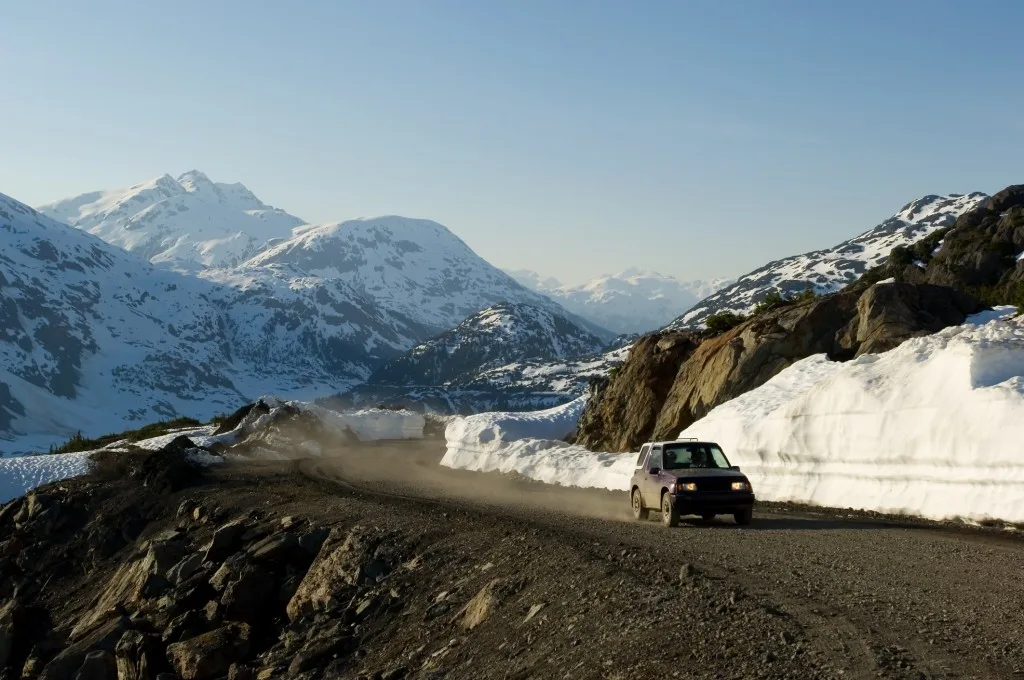
Your designated examiner schedules the test. It happens in your own community on roads you know. That is a real advantage.
You are not driving in a strange city with unfamiliar traffic patterns. You are on your home turf.
The test covers the same skills evaluated at any DMV office. The examiner checks your ability to:
- Control the vehicle smoothly (accelerating, braking, steering)
- Obey traffic signs and signals
- Use turn signals properly
- Yield right-of-way correctly at intersections
- Parallel park and back up in a straight line
- Change lanes with proper mirror and shoulder checks
- Drive at safe speeds for conditions
The test lasts about 20 to 30 minutes. The examiner uses a standard scoring sheet. You start with 100 points.
The examiner deducts points for mistakes. You need at least 80 points to pass. Any major error, like running a stop sign or causing a dangerous situation, results in an automatic failure.
What kind of vehicle should you bring for the test? It must be in safe working condition. The examiner will check the lights, turn signals, brakes, tires, horn, mirrors, and seat belts.
The vehicle must have valid registration and insurance. If your family truck or SUV is used for subsistence travel and has seen better days, make sure it is roadworthy before test day.
If you fail the road test, you can retake it after 24 hours. The examiner can schedule a retest quickly in most remote communities. Some examiners allow retakes the next day if their schedule permits.
For tips on keeping your test vehicle clean and presentable, our article on manual cleaning equipment using in car wash offers practical advice.
Costs, Fees, and How Long the Permit Lasts
The Remote Area Instruction Permit is affordable compared to the cost of traveling to a city DMV. Here is what you can expect to pay.
The permit fee is $20. This covers the two-year validity period. The examiner collects the fee and sends it to the DMV.
There is no extra charge for the convenience of taking the test locally.
The written knowledge test retake fee is $5 to $10 if you fail and need to try again. The road test retake fee is also modest, around $10 to $15 in most communities. These fees are set by the Alaska DMV and are the same statewide.
| Cost Item | Amount |
|---|---|
| Remote Area Instruction Permit | $20 |
| Written test retake (if needed) | $5 to $10 |
| Road test retake (if needed) | $10 to $15 |
| Alaska Driver Manual (optional) | Free (request by mail) |
| Vision screening | Free (included) |
Compare that to the cost of flying to Anchorage or Fairbanks for a standard permit. A round trip flight from a bush community runs $400 to $800. Add a hotel stay if you need to wait for the next flight.
The remote permit saves you that expense entirely.
The permit lasts for two years from the date of issue. You can renew it if you do not complete the requirements in time. The renewal fee is another $20.
You follow the same process with your designated examiner.
If you lose your permit, you can request a replacement. The fee for a duplicate is $10. The examiner can help you with the paperwork, or you can contact the DMV directly.
Common Mistakes That Delay or Deny Your Permit
A few common errors trip up applicants in remote communities. Knowing them ahead of time saves you frustration.
Mistake 1: Bringing the wrong documents.
The DMV is strict about identity and residency proof. A school ID alone does not count. A birth certificate without a raised seal may be rejected.
Make sure you have the correct documents before you contact your examiner. Call ahead and ask exactly what they need.
Mistake 2: Assuming you qualify when you do not.
Some people live near a part-time DMV office but still try to use the remote permit program. If your community has a DMV office that opens at least one day per week, you must use that office. Check the official DMV list before you start the process.
Mistake 3: Not studying the driver manual.
The written test is not easy if you guess. Every question comes from the Alaska Driver Manual. People who skip studying often fail on the first try.
The manual is free. Read it cover to cover.
Mistake 4: Bringing an unsafe vehicle to the road test.
The examiner will inspect your vehicle before the test starts. A burned out headlight, bald tire, or cracked windshield can delay or cancel the test. Check your vehicle thoroughly the day before.
Mistake 5: Not practicing enough night driving.
Ten hours of night driving is required. Many teenagers focus on daytime practice and forget the night hours. Then they show up for the road test without enough night experience.
Plan those hours early in the process.
Safety and Legal Rules You Can't Ignore
Driving with a Remote Area Instruction Permit comes with strict legal rules. Breaking them can mean losing your permit or facing criminal charges.
The most important rule is zero alcohol. If you are under 21, your blood alcohol content must be 0.00. Period.
No exceptions. Even one drink puts you over the limit. The penalty for a first offense includes a 90-day license suspension and a fine of up to $1,500.
You also cannot use a cell phone while driving, even with a hands-free device. Alaska law prohibits all cell phone use for permit holders and drivers under 18. Keep your phone in your pocket or bag while the engine is running.
The supervising driver must stay alert. They cannot be under the influence of alcohol or drugs. They cannot be asleep.
They cannot be distracted. If they are pulled over and found impaired, both of you face consequences.
Seat belts are mandatory for everyone in the vehicle. The permit holder and the supervising driver must wear them. Any passengers must also be buckled up.
Alaska law allows police to stop a vehicle solely for a seat belt violation.
Insurance is required on any vehicle you drive. Make sure the policy covers a permit holder. Most standard policies do, but it is worth confirming with your insurance agent.
If you cause an accident without coverage, you could be personally liable for damages.
Real Scenario: A Teen in Bethel vs. a New Driver in Anchorage
Let's compare two real situations to show how the remote permit changes things.
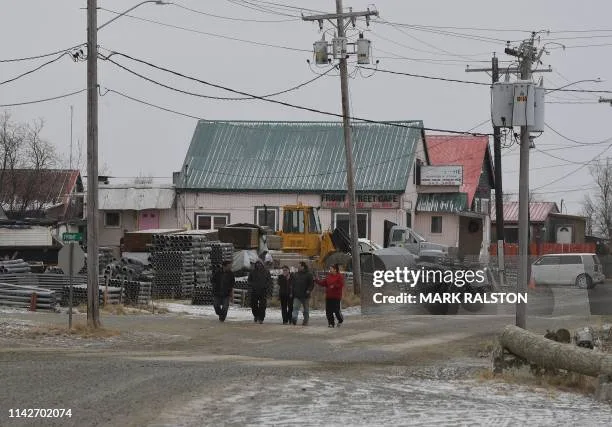
The Bethel teen. Sarah is 15 and lives in Bethel, a community of about 6,000 people on the Kuskokwim River. There is no DMV office in Bethel. She gets her Remote Area Instruction Permit through a designated examiner at the local high school.
She studies the driver manual at home and passes the written test in the school library. She practices driving on the gravel roads around Bethel with her dad. After 40 hours, including night driving during the long winter, she takes the road test with the same examiner.
She passes and gets her license without ever leaving town. Total cost: $20.
The Anchorage driver. Mike is 16 and lives in Anchorage. He must use the standard DMV process. He visits the DMV office on Old Seward Highway, waits in line, takes the written test, and gets his standard instruction permit.
He practices around Anchorage with his mom. When he is ready for the road test, he schedules it at the DMV. He passes on his second try.
Total cost: $20 for the permit, plus gas money and time. No travel expense, since he lives in the city.
The difference is geography. Sarah's community has no DMV. Without the remote permit program, she would need to fly to Anchorage at least twice, once for the written test and once for the road test.
That would cost $800 to $1,600 in airfare alone. The remote permit makes learning to drive accessible for rural Alaskans.
Frequently Asked Questions
How do I find a designated examiner in my village?
Start with your local school, tribal council office, or public safety building. The Alaska DMV also maintains a list of approved examiners by community. Call the DMV's rural services division at (907) 465-8000 for help locating one.
Can I drive to another town with my Remote Area Instruction Permit?
Yes, as long as your supervising driver is in the vehicle and meets all requirements. You can drive anywhere in Alaska. The permit is valid statewide.
You are not restricted to your home community.
What if there is no designated examiner in my community?
If no examiner is available, the DMV can help appoint one. Often a teacher or VPSO volunteers for training. You can also request that the DMV send a traveling examiner to your community, though this may take months to schedule.
Does the remote permit work for a Commercial Driver's License (CDL)?
No. The remote permit program is for standard passenger vehicle permits only. CDL applicants must follow the standard process, which typically requires visiting a DMV office for testing.
Can I renew my remote permit if I move to a city?
No. Once you move to a community with a DMV office, you must transfer to a standard instruction permit. Your remote permit remains valid until it expires, but you cannot renew it as a remote permit after moving.
How long do I need to hold the permit before taking the road test?
If you are under 18, you must hold the permit for at least 180 days (six months). If you are 18 or older, there is no minimum holding period. You can take the road test as soon as you feel ready.
Your Next Step: From Permit to Full Alaska Driver's License
Once you pass the road test, your designated examiner will issue a temporary driver's license. The official plastic license arrives in the mail within a few weeks. Your Remote Area Instruction Permit is no longer valid once the license is issued.
You will receive a full Alaska driver's license, not a restricted one. It has the same privileges as any other Class D license. You can drive alone, at any time of day, anywhere in the state.
No more supervised driving requirements.
The license is valid for five years for most drivers. If you are under 21, it expires on your 21st birthday. You will need to renew in person at that point, though the DMV may waive the road test requirement.
For car owners in Alaska, keeping your license valid means staying on top of renewal dates and maintaining your vehicle properly. Check out our guide on what to expect in a drive through car wash for keeping your car clean through Alaska's tough winters.
The Remote Area Instruction Permit program is one of the smartest things the Alaska DMV does for rural residents. It removes the biggest barrier to getting a license, which is simple geography. If you live in a remote community, use it.
It saves you money, time, and a whole lot of hassle.