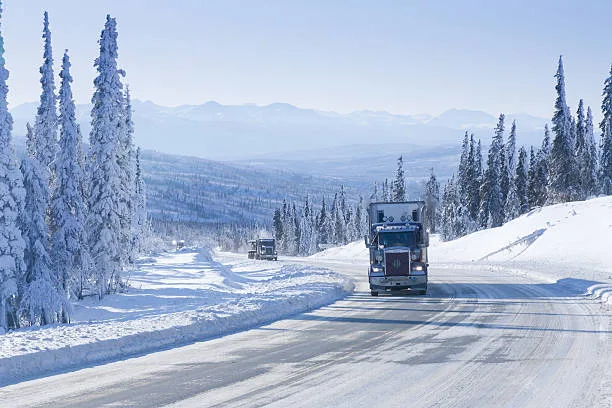
Your truck's 4WD system can save you on an icy Alaska highway. It can also leave you stranded with a broken transfer case. Understanding proper 4WD/AWD engagement expectations for your specific vehicle matters more than most drivers realize.
Use it wrong and you're looking at thousands in repairs.
Manufacturer specifications from Ford, Toyota, and Chevrolet confirm that most transfer case warranty claims in Alaska trace back to improper engagement during the first winter of ownership. As of 2026, Alaska has no statewide mandate for 4WD system training. The responsibility falls on the driver.
Knowing when to use 4-High versus 4-Low, and when to leave it in 2WD, makes all the difference.
Quick Answer
Engage 4WD only on loose or slippery surfaces. Shift into 4-High below 55 mph. Use 4-Low only when fully stopped.
Never drive in 4WD on dry pavement. Return to 2WD as soon as conditions allow.
The Real Problem: Why Engagement Expectations Matter in Alaska
Alaska's winter roads change every few miles. One minute you're on clear asphalt. The next you're on glare ice.
Gravel mixed with snow. Long stretches of unmaintained highway. The conditions shift constantly.
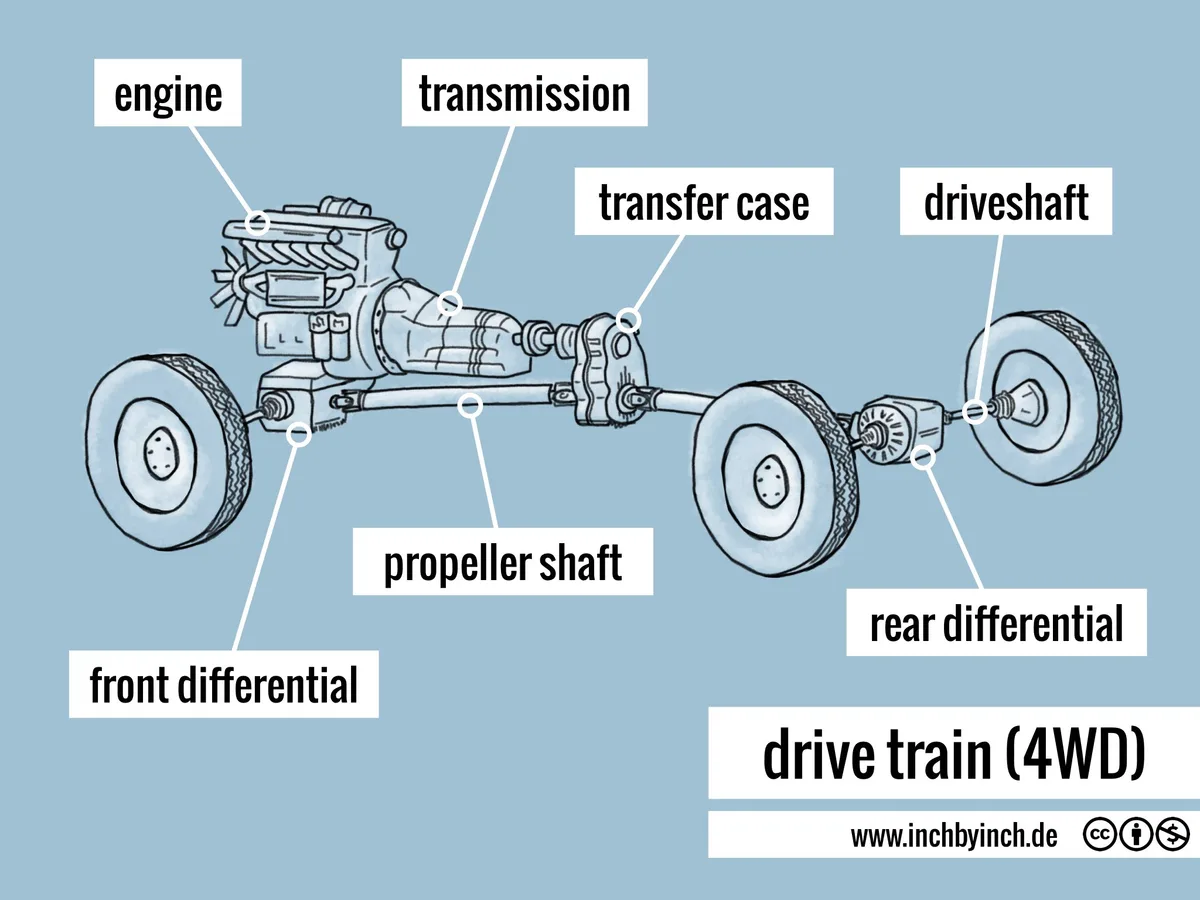
Most 4WD systems are designed for specific surfaces. Use them wrong and you get drivetrain binding. That binding stresses the transfer case, axles, and differentials.
Over time, it causes gear damage that requires expensive replacement.
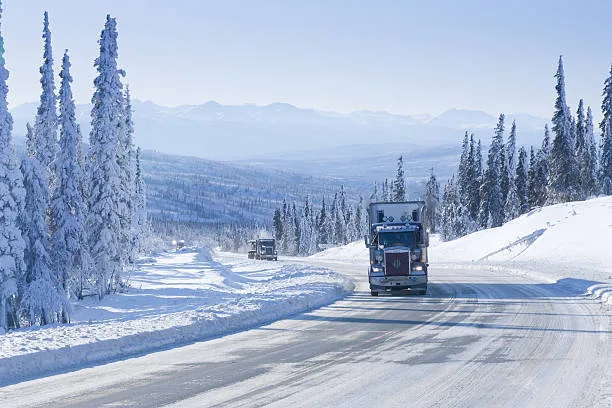
Alaska mechanics report the same pattern every spring. Drivers engage 4WD in November and never switch it off. They drive for weeks on dry pavement with the system locked.
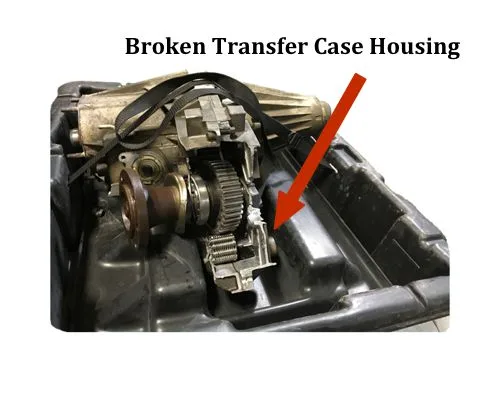
That constant binding wears out components fast. A new transfer case installed runs $2,000 to $4,000.
The real issue is that many drivers don't know what their specific system expects from them. Part-time systems need manual shifting. Full-time AWD systems handle it automatically but have limits.
Selectable systems give you options but demand you pick the right one.
Check our blog for more Alaska winter driving insights and vehicle maintenance tips.
The Three Systems You'll Find in Alaska Vehicles
Not all 4WD systems work the same way. In Alaska, you'll encounter three main types. Each has different engagement expectations.
Part-Time 4WD – You Choose, You Shift
Part-time systems are common in pickup trucks and older SUVs. You manually shift between 2WD and 4WD using a lever, dial, or button. In 2WD, the front wheels get no power.
In 4WD, the transfer case locks the front and rear driveshafts together.
You must only use part-time 4WD on loose surfaces. Snow, gravel, mud, and ice work fine. Dry pavement does not.
Part-time systems lack a center differential. On dry pavement, the front and rear wheels want to turn at different speeds during turns. The locked transfer case forces them to fight each other.
That's drivetrain binding.
Typical part-time systems include the Ford F-150 with electronic shift, the Toyota Tacoma with a floor lever, and the Jeep Wrangler with a manual transfer case. Each has a specific engagement process. Read your owner's manual.
Full-Time AWD – Hands-Off, But Not Hands-Free
Full-time AWD systems send power to all four wheels continuously. They use a center differential or viscous coupling to allow speed differences between front and rear. No binding on dry pavement.
You can leave it in AWD all winter.
These systems are common in Subaru Outbacks, Toyota RAV4s, and crossover SUVs. They're great for Alaska winter commuting. But they're not invincible.
Full-time AWD doesn't improve stopping distance. It doesn't help you turn sharper. It helps you accelerate and maintain traction.
The engagement expectation here is simpler. You don't shift anything. But you must understand the system's limits.
Most AWD systems allow some wheel slip before engaging. In deep snow, that brief slip can leave you stuck. Some newer systems include a lock mode for low-speed traction.
Selectable 4WD – The Best of Both, With Rules
Selectable systems let you run in 2WD, 4-Auto, 4-High, or 4-Low. The sweet spot for most Alaska winter driving is 4-Auto. It acts like AWD on pavement but locks into 4-High when it detects slip.
Great middle ground.
You find selectable systems in late-model Ram 1500s, Chevrolet Silverados, and Ford F-150s with the advanced transfer case option. In 4-Auto, the system monitors wheel speed and engages the front axle when needed. It reduces binding and saves fuel compared to full-time 4-High.
But you can't abuse it. If you need maximum traction in deep snow or off-road, shift to 4-High or 4-Low manually. Don't rely on 4-Auto in deep snow at low speed.
It may not engage fast enough.
The Decision Tree: Which Mode to Use, and When
Three variables matter every time you drive in Alaska. Surface type. Speed.
Vehicle state. Answer these three questions and you'll know which mode to use.
Surface Type: Pavement, Gravel, Snow, or Ice?
This is the most important question. On dry or wet pavement with no snow, use 2WD or 4-Auto. Never use 4-High or 4-Low on clean pavement.
On gravel, snow, or ice, 4-High is your go-to for most conditions. If you're stuck or climbing a steep hill in deep snow, use 4-Low.
Speed: Are You Under or Over 55 MPH?
Most manufacturers specify a maximum speed for engaging 4-High. The typical number is 55 to 60 mph. Some trucks allow shift-on-the-fly up to 75 mph.
Don't push it. For 4-Low, the maximum speed is 15 to 25 mph. Never shift into 4-Low at highway speeds.
Vehicle State: Can You Stop, or Must You Roll?
For 4-High, many modern systems allow shift-on-the-fly below 55 mph. Roll at low speed and shift. For 4-Low, stop the vehicle completely.
Put the transmission in Neutral. Then shift the transfer case to 4-Low. Wait for the dash indicator to confirm engagement before moving.
Mode Decision Table
| Condition | Recommended Mode | Notes |
|---|---|---|
| Clean, dry pavement | 2WD or 4-Auto | Never use 4-High or 4-Low |
| Wet or slushy pavement | 4-Auto or 4-High | 4-Auto preferred for mixed surfaces |
| Snow-packed road | 4-High | Good for speeds up to 55 mph |
| Deep snow over 8 inches | 4-Low | Use for low-speed crawling |
| Steep hill, icy conditions | 4-Low | Better engine braking and control |
| Stopped, stuck in snow | 4-Low | Provides maximum torque |
| Highway speed on snow | 4-Auto or 2WD | 4-High above 55 mph risks damage |
Step-by-Step: How to Engage 4-High Correctly
Engaging 4-High sounds simple. The details matter. Here's the process that matches manufacturer specifications for most modern trucks and SUVs.
Step 1: Confirm Your Surface
Look at the road ahead. If it's clean pavement for the next mile, don't engage 4-High. Wait until you hit snow or gravel.
For alternating patches of clear and snowy road, use 4-Auto if your truck has it.
Step 2: Slow Down
Reduce speed below the manufacturer's maximum shift speed. For most systems, that's under 55 mph. If you're unsure, slow to 45 mph to be safe.
Step 3: Shift While Rolling
For electronic shift systems, turn the dial or press the button to 4-High while rolling slowly. No need to stop or put the transmission in Neutral. For floor-lever systems, pull the lever into 4-High while coasting at low speed.
A slight clunk as gears engage is normal.
Step 4: Confirm Engagement
Check the dashboard indicator. It should show 4-High with a solid light. Wait for any flashing to stop before you proceed.
Step 5: Drive a Short Distance
Drive a few hundred feet at low speed. This lets automatic locking hubs engage fully. You'll feel a slight change in steering effort.
The truck will feel heavier and less nimble.
Step 6: Return to 2WD When Surfaces Clear
This is the step most Alaska drivers forget. As soon as you're back on clear pavement, shift back to 2WD or 4-Auto. Leaving the system in 4-High on dry roads causes binding and premature wear.
Step-by-Step: How to Engage 4-Low Without Grinding Gears
4-Low is for serious traction situations. Deep snow. Steep icy hills.
Getting unstuck. You need to get it right.
Step 1: Stop Completely
Bring the vehicle to a full stop. 4-Low requires zero forward motion. Some systems engage from 4-High only. Others allow shifting directly from 2WD to 4-Low.
Check your owner's manual.
Step 2: Shift to Neutral
With your foot on the brake, move the transmission to Neutral. This disconnects the engine from the drivetrain and allows the transfer case gears to align.
Step 3: Shift the Transfer Case
Move the transfer case lever or dial to 4-Low. For electronic systems, you may need to hold the button for a few seconds. For manual levers, pull firmly but don't force it.
Step 4: Wait for Confirmation
Look for the dash indicator to show 4-Low. The light may flash while shifting. Wait until it's solid before you move.
This can take 2 to 5 seconds.
Step 5: Shift to Drive
Move the transmission back to Drive. Drive forward slowly. You'll notice the engine revs higher at the same speed.
That's the gear reduction working. Keep your speed under 15 mph.
Step 6: Return to 4-High After Use
When you're out of the tough spot, stop, shift to Neutral, and shift back to 4-High. Never drive on pavement in 4-Low.
Alaska-Specific Use Cases: When to Switch Modes
Winter Commute on Plowed Roads
If you drive plowed city roads in Anchorage or Fairbanks, use 4-Auto if available. For part-time systems, use 2WD on clear roads and 4-High on snow-packed sections. Switch back to 2WD when you hit bare pavement.
Hunting or Fishing on Unmaintained Trails
Deep snow and mud require 4-Low for low-speed crawling. Engage 4-Low before you enter the trail. Don't wait until you're stuck.
If the trail has deep ruts, 4-Low gives you better control and less chance of high-centering.
Driving the Dalton or Other Remote Highways
The Dalton Highway has mixed conditions for hundreds of miles. Start in 4-High for snow-packed sections. If you hit dry pavement, switch to 2WD.
Keep your speed moderate. Remote highways mean no cell service and limited help. Use our guide on what to expect in a drive through car wash for general vehicle preparation before long trips.
Common Mistakes That Wreck Transfer Cases in Alaska
Driving on Dry Pavement in 4-High
This is the number one mistake. It causes drivetrain binding that stresses gears, bearings, and seals. Over time, the transfer case wears out and needs replacement.
A $2,000 mistake that's entirely avoidable.
Forgetting to Disengage After Winter
Many drivers engage 4WD in October and never touch it until May. That's months of unnecessary wear. Switch back to 2WD as soon as spring roads clear.
Your drivetrain will last longer.
Shifting Into 4-Low at Speed
4-Low uses gear reduction that's not designed for high speeds. Shifting into 4-Low above 5 mph can strip gears instantly. Always stop completely.
Ignoring Warning Lights
If your dashboard shows a flashing 4WD light or a service 4WD message, don't ignore it. A faulty sensor or actuator can cause partial engagement. Partial engagement destroys transfer cases.
Get it diagnosed.
Using 4WD as a Crutch for Worn Tires
4WD does not compensate for bald tires. You need good winter tires with adequate tread depth. Our article on does ceramic coating protect against salt covers another aspect of winter vehicle protection worth understanding.
Cold-Weather Troubleshooting: Why Your Hubs Won't Lock at -30°F
Alaska winters hit temperatures that most vehicles aren't designed for. At -30°F, automatic locking hubs can freeze up. The grease inside thickens.
Moisture turns to ice. The hubs won't engage.
Symptoms of Frozen Hubs
You shift into 4-High but the front wheels don't pull. The dash light shows 4WD engaged, but you spin the front tires freely. This means the hubs aren't locking.
Solutions
Stop the vehicle. Shift back to 2WD. Drive forward 10 feet.
Shift back to 4-High. Sometimes this mechanical cycling breaks the ice loose. If that doesn't work, the solution is manual locking hubs.
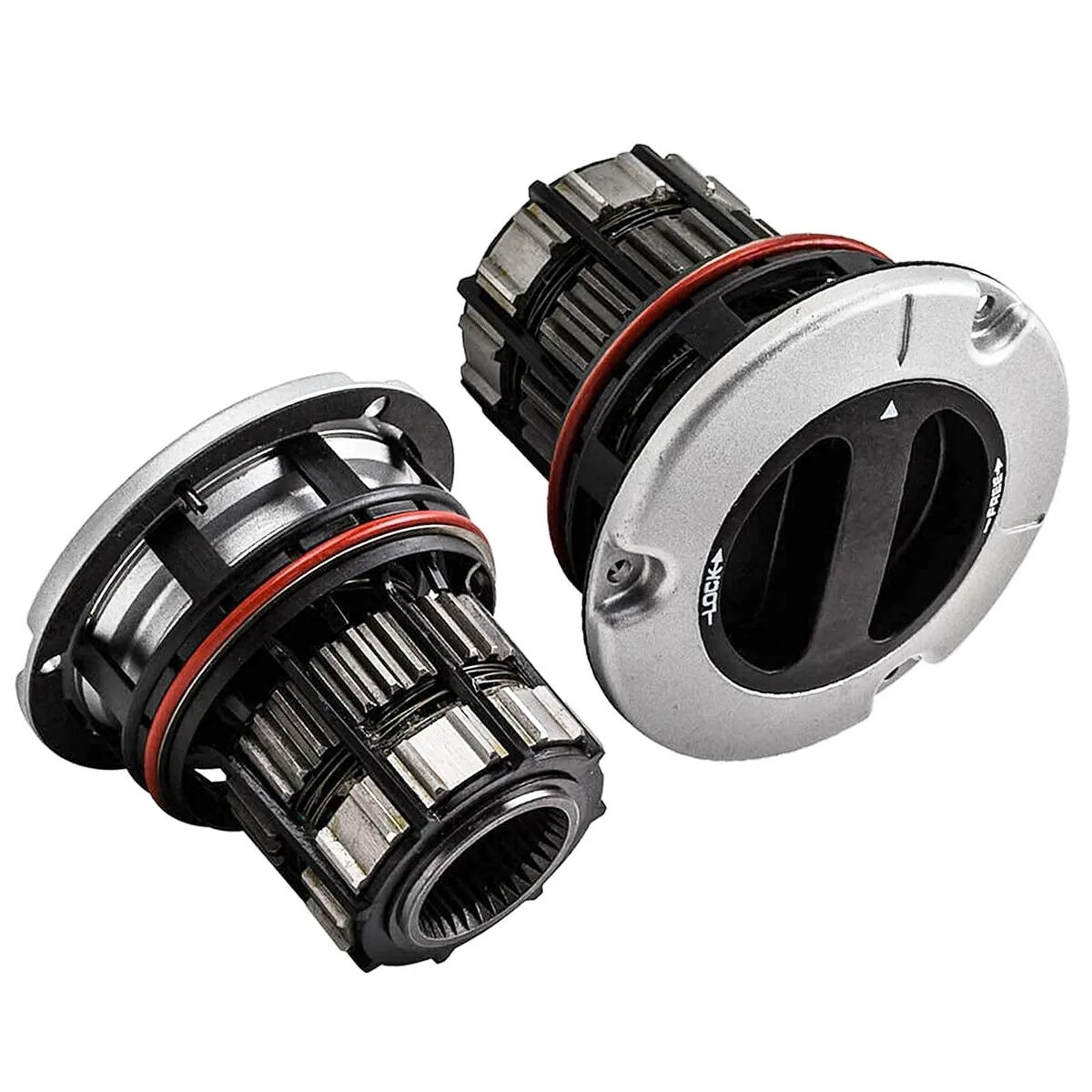
Manual locking hubs are a common Alaska upgrade. You get out and turn the hub dial to Lock before you need 4WD. They're mechanical.
They don't freeze. They're more reliable at extreme temperatures.
Prevention
Switch to manual locking hubs if you live in interior Alaska. They cost $200 to $500 installed. They're worth every penny when you're stuck at -40°F.
Also, replace your transfer case fluid with a synthetic rated for extreme cold. Standard fluid thickens and resists engagement.
Maintenance: Keeping Your Engagement System Reliable Through Winter
Transfer Case Fluid Changes
Change transfer case fluid every 30,000 miles. In Alaska, consider dropping that to every 20,000 miles. Severe winter driving stresses the fluid.
Synthetic fluid handles cold better.
Hub Maintenance
If you have automatic hubs, service them every two years. Disassemble, clean, and regrease with low-temperature grease. Moisture inside hubs causes corrosion that prevents engagement.
Undercarriage Washes
Salt and sand used on Alaska roads accelerate corrosion on shift mechanisms and sensors. Wash your undercarriage regularly. Our guide on prepare touchless washing offers tips for effective cleaning without damaging components.
Check Wiring and Sensors
Electronic shift systems rely on sensors and actuators. Corrosion on connectors causes intermittent engagement. Inspect connections annually.
Apply dielectric grease to prevent moisture.
Test Your System Monthly
Engage 4-High and 4-Low once a month even if you don't need them. This cycles the lubricant and confirms everything works. Find a dirt road or snow-covered lot.
Don't test on pavement.
Frequently Asked Questions
Can I drive in 4-High on the highway in Alaska?
Yes, on snow or ice-covered highways. Keep your speed below 55 mph for most systems. Switch to 2WD or 4-Auto when you hit clear pavement.
Above 55 mph, the binding risk increases.
How do I know if my truck has part-time or full-time 4WD?
Check your owner's manual. Part-time systems have a 2WD option on the selector. Full-time AWD systems don't offer 2WD.
If you have a 2WD, 4-High, and 4-Low selector, it's part-time.
What happens if I shift into 4-Low while driving?
You'll hear grinding. You may damage the transfer case gears. Stop immediately.
Put the transmission in Neutral. Shift back to 4-High. If the grinding continues, have the system inspected.
Do I need to use 4WD on dry pavement in winter?
No. 4WD is for loose or slippery surfaces only. On dry pavement, 2WD is sufficient for normal driving. Save 4WD for snow, ice, gravel, and mud.
Why does my 4WD light flash after I shift?
Flashing means the system is trying to engage or has detected a fault. If it stops flashing and turns solid, engagement is complete. If it keeps flashing, you have a sensor or actuator issue.
Get it checked.
Can I leave my truck in 4-Auto all winter?
Yes. 4-Auto is designed for mixed conditions. It sends power to the front wheels when needed and reduces binding on dry pavement. It's the best setting for Alaska winter commuting if your truck has it.
Your Final Decision Guide: Stick to These Rules
- Surface check first. Snow or ice? Use 4-High. Dry pavement? Use 2WD or 4-Auto.
- Speed matters. 4-High under 55 mph. 4-Low under 15 mph. Never shift 4-Low while moving.
- Stop for 4-Low. Always. No exceptions.
- Listen to your truck. Grinding, binding, or chirping means you're in the wrong mode.
- Switch back early. The moment you hit clear road, return to 2WD or 4-Auto.
- Maintain your system. Change fluids. Test monthly. Upgrade to manual hubs for extreme cold.
Follow these rules and your 4WD system will work when you need it most. Ignore them and you're looking at a cold tow and a big repair bill. Alaska roads don't forgive mistakes.
Your drivetrain doesn't either.