ByMax Lee
What to Expect in a Drive Through Car Wash 2026
If you’ve never pulled into a conveyor tunnel before, it’s hard to know exactly what to expect in a drive through car wash, and whether your car will come out clean or scratched. The short answer is that most modern washes are safe and efficient, but the details depend on the type of system you choose and how well you prepare. Our research, combined with data from the International Carwash Association (ICA), shows that over 70% of car owners use an automatic wash at least once a year, making it the most common way to clean a car outside of the driveway.
The key is understanding the two main technologies, touchless and friction, and knowing which one matches your vehicle’s needs. From there, it’s about a five‑minute prep routine and a few smart habits during the wash itself. Let’s walk through every step so you can skip the guesswork.
Bing (Web (fair-use with source credit))
Quick Answer
A drive‑through car wash is a conveyor or rollover system that cleans your car automatically in under ten minutes. You stay inside the vehicle while the machine applies soap, brushes or pressure, rinse, and air dries. The outcome depends on wash type, prep, and your car’s features.
Touchless washes use only chemicals and water. Friction washes use soft cloth or foam brushes. Both can produce good results when used correctly.
What a Drive‑Through Car Wash Actually Is (and Isn’t)
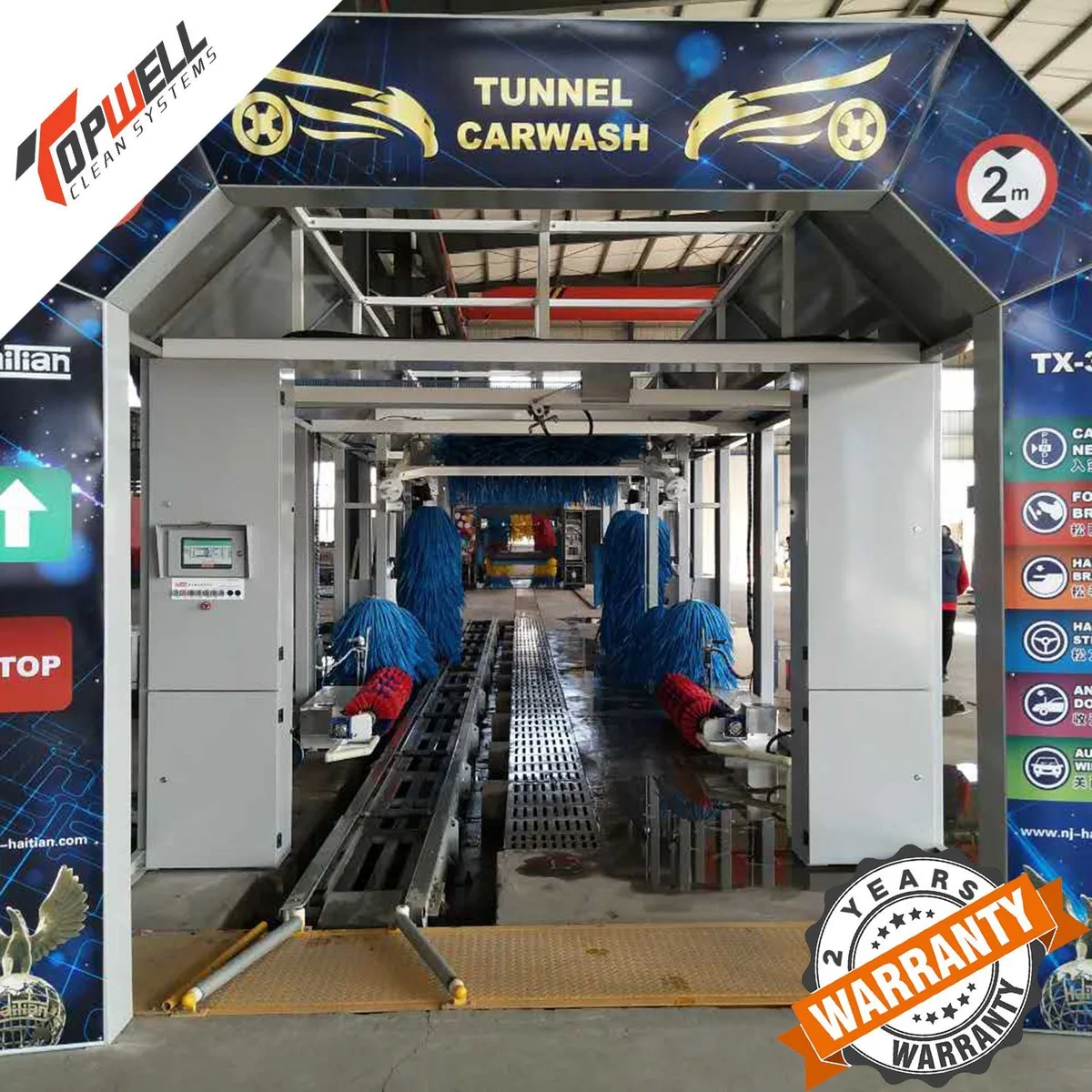
A drive‑through car wash is an automated cleaning station where your car moves through a tunnel (or stays stationary in a rollover bay) while machines handle the washing. It’s not the same as a manual hand wash, a self‑serve bay with a pressure wand, or a mobile detailing service. The main appeal is speed and convenience, you never get out of the car, and the whole exterior wash takes three to eight minutes.
What it is:
- A conveyor system that pulls your vehicle through a series of cleaning arches.
- A combination of chemical sprays, brushes (in friction systems), high‑pressure water jets, and drying blowers.
- A service that usually includes a pre‑soak, soap, rinse, wax, and spot‑free final rinse.
What it isn’t:
- A deep interior cleaning (most express washes only vacuum and wipe dashboards if you choose a full‑service package).
- A paint correction or ceramic coating application.
- A guaranteed scratch‑free experience, quality varies by equipment maintenance and operator technique.
Per ICA standards, a well‑maintained friction wash uses soft cloth material that’s gentler on clear coats than older bristle brushes. Touchless systems rely entirely on chemical dwell time and water pressure, which means they can’t remove heavy grime or tree sap as effectively without extra pre‑treatment. For stubborn contaminants, you might need a dedicated product; our best bug and tar remover for cars is a good example of something to use in a pre‑wash step at home.
Touchless vs. Friction: How to Decide Which Type Fits Your Car
The most important decision you’ll make is which wash technology to use. Each has distinct trade‑offs that affect paint safety, cleaning power, and convenience.
When touchless makes sense
Touchless washes are ideal for cars with delicate paint, expensive wraps, or sensitive accessories. They use only high‑pressure water and strong detergents, no physical contact. That means zero risk of brush swirls or scratches.
They’re also safer for convertibles (soft tops), fixed antennas, and roof racks because nothing touches the panels.
Best for:
- New or freshly detailed paint you want to protect.
- Vehicles with aftermarket vinyl wraps or PPF (paint protection film).
- Cars with fin antennas, roof boxes, or bike carriers.
- Drivers who prioritize paint care over deep cleaning.
The downside is that touchless washes rely heavily on chemical dwell time. If the soap doesn’t sit long enough, or if your car has baked‑on bug splatter or tree sap, you may see residue after drying. You can supplement with a targeted best sap remover for cars beforehand.
When friction (soft‑cloth) works better
Friction washes use soft cloth or foam strips that physically scrub the surface. They’re generally better at removing road film, winter salt, and stubborn dirt because the agitation breaks loose contaminants that pressure alone can’t lift. Modern soft‑cloth systems are much gentler than the older bristle brushes, the ICA reports that properly maintained cloth equipment meets stringent standards for paint abrasion.
Best for:
- Daily‑driven cars with typical road grime and salt.
- Vehicles in northern climates where undercarriage salt removal matters.
- Drivers who want a deeper clean without spot‑treating first.
- Older cars where minor swirls aren’t a primary concern.
The risk is that dirty cloths (on a poorly maintained machine) can trap grit and cause light scratches. Check the wash’s maintenance logs if you’re worried, reputable chains clean their cloth arches daily.
| Aspect | Touchless | Friction (Soft‑Cloth) |
|---|---|---|
| Paint contact | None | Soft cloth / foam |
| Cleaning power | Moderate (chemical‑only) | High (chemical + abrasion) |
| Scratch risk | Very low | Low if maintained |
| Best for | Wraps, new paint, convertibles | Daily use, salt removal |
| Prep needed | May need bug/tar pre‑treatment | Minimal |
Pre‑Wash Prep: The 5 Things You Must Do Before You Enter
Even the best wash can’t fix neglect on your part. These five steps take less than two minutes and can prevent costly damage.
Bing (Web (fair-use with source credit))
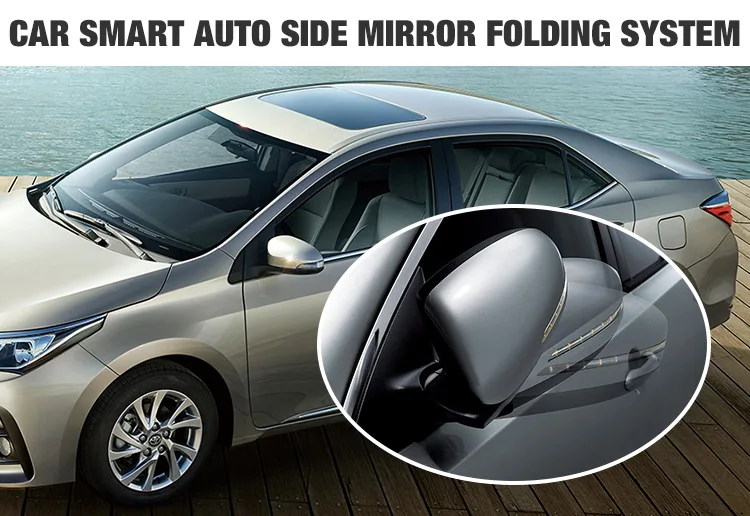
Fold mirrors and retract antennas
Side mirrors that stick out wide are the most common casualty in automatic washes. Fold them in before you enter. Most cars have a power‑fold button on the driver’s door panel.
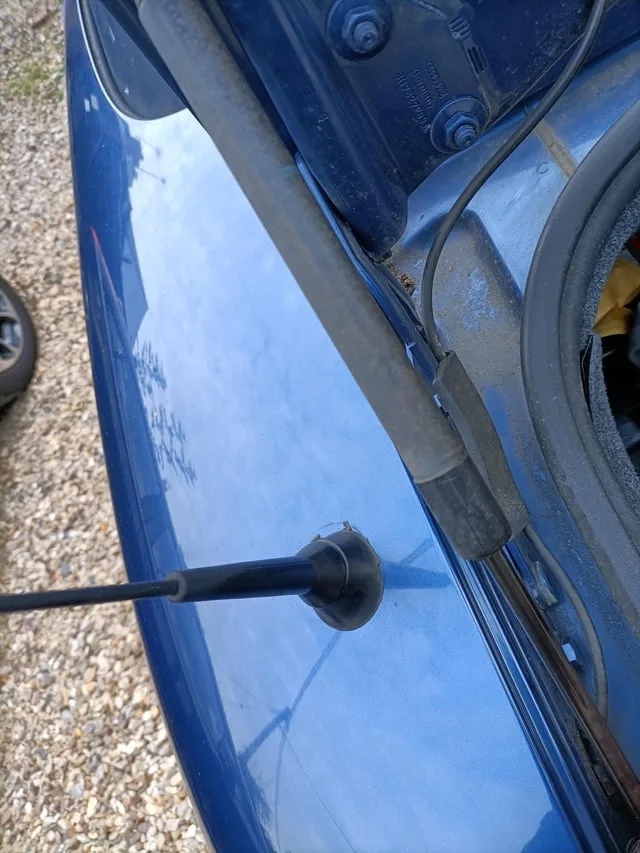
If your antenna is a fixed mast (whip style), retract it or remove it if possible. Some washes have sensors that detect height and width, but they’re not foolproof. A damaged antenna can cost $100, $400 to replace.
Remove loose items and roof accessories
Roof racks, crossbars, bike carriers, and cargo boxes create clearance issues. If the wash’s top brush or dryer catches them, you could break the equipment or damage your roof. Take them off before entering.
Also remove any aftermarket bug deflectors or hood guards that protrude, brushes can snag them.
Check clearance and alignment
Know your vehicle’s height. Most tunnels accommodate vehicles up to about 80 inches (203 cm) tall. If you drive a lifted truck, a van with a roof vent, or a car with a tall spoiler, check the wash’s posted height limit.
Also ensure your vehicle is centered on the guide rails, the conveyor will pull you straight, but you need to enter straight to avoid rubbing tires against the guide.
Put it in neutral (and keep your foot off the brake)
Once you’re on the conveyor, shift to neutral. The car will move forward automatically. Do not press the brake pedal, that can engage the conveyor’s safety sensor and stop the line.
Keep your foot off the brake until the green light tells you to drive out at the end.
Know your wash’s height and width limits
Every drive‑through wash posts its maximum vehicle dimensions near the entrance. Write them down or check the brand’s website if you drive an unconventional vehicle. Exceeding the limit can result in a “no‑go” situation where the wash attendant asks you to back out, or worse, your car gets stuck mid‑tunnel.
For particularly stubborn road tar or asphalt residue, applying a dedicated best tar remover for cars before the wash can improve results without damaging paint.
Step by Step: What Happens Inside the Tunnel
Once you’re in position and the green light signals “go,” here’s the exact sequence you’ll experience.
Bing (Web (fair-use with source credit))
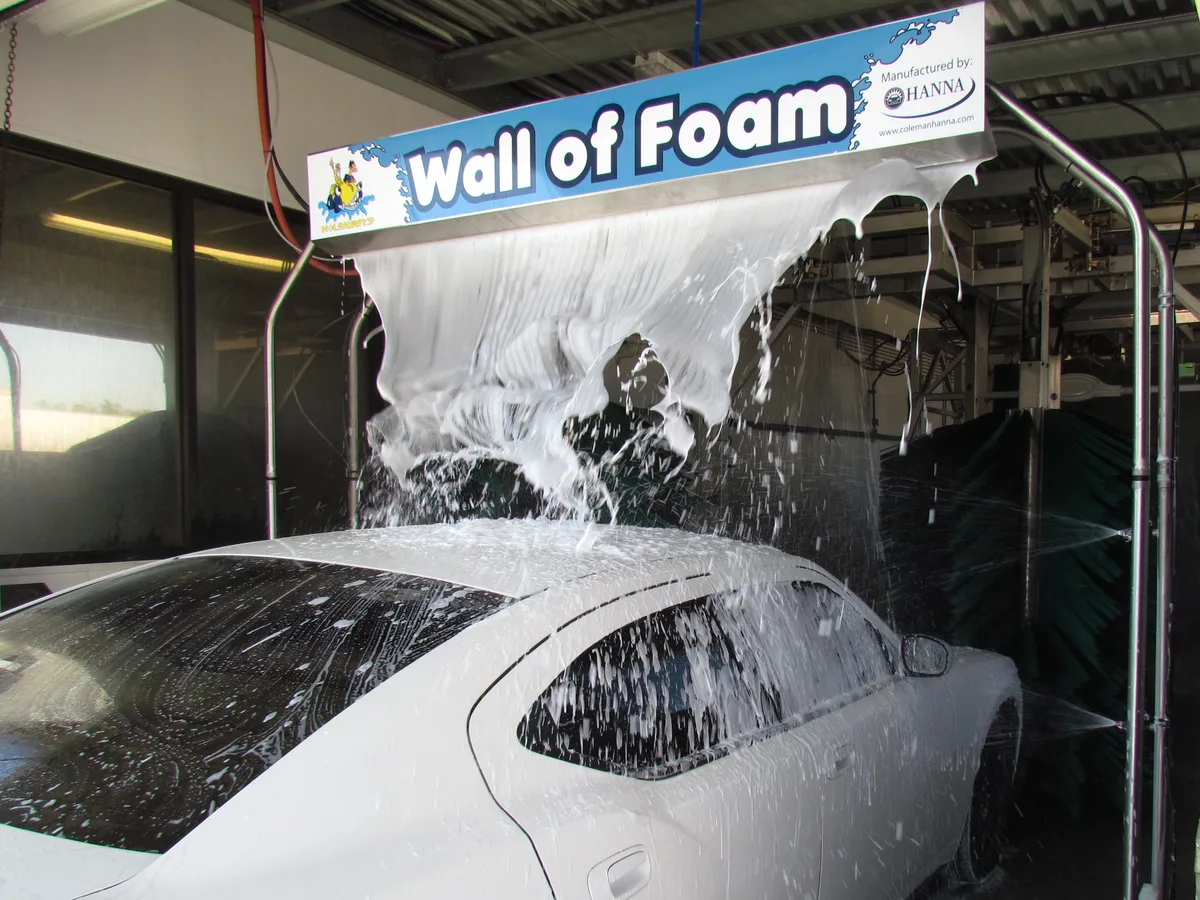
Pre‑soak and bug flush
The first arch sprays a chemical designed to break down bugs and bird droppings. It’s usually a low‑pH solution that softens organic debris. Some tunnels also apply a separate “bug prep” that dwells for a few seconds before the main wash.
Foam and contact (friction) or high‑pressure (touchless)
In a friction wash, you’ll see soft cloth or foam strips moving over your car. They apply a thick soap foam and agitate the surface as your car passes through. In a touchless wash, this step uses high‑pressure nozzles that blast the soap onto the car without any physical contact.
The chemical dwell time here determines cleaning effectiveness, if the soap runs off too fast, expect leftover grime.
Wax, sealant, and tire shine
Next, the system applies a spray wax or polymer sealant. Most washes use a synthetic blend that beads water for one to four weeks. Then a separate arch sprays tire shine (a water‑based or silicone‑based product) onto the sidewalls.
Be aware that tire shine can sometimes overspray onto the lower body panels, a quick wipe at the exit solves that.
Spot‑free rinse
The final rinse uses deionized or reverse‑osmosis water with a total dissolved solids (TDS) level below 10 ppm. This removes all soap residue and leaves no water spots if the drying blowers work correctly. If your wash doesn’t offer spot‑free rinse, you’ll see mineral spots as the car air‑dries.
Drying blowers
The last arch is a set of powerful fans (heated to up to 150°F in some tunnels) that blow water off the surface. They aim at the windshield, roof, and side windows. You’ll hear a loud roar, that’s normal.
Some washes have an additional hand‑drying station at the exit if you paid for a premium package.
After the blowers, the conveyor pushes you out of the tunnel. The attendant (or a light) will signal when it’s safe to shift into Drive and pull away. If you notice streaks or missed spots, use a microfiber cloth and an alcohol free window cleaner for a final touch‑up inside.
Post‑Wash Check: What Could Go Wrong and How to Spot It Fast
Even a perfect wash can leave minor issues. Check these within 60 seconds of exiting so you can address them or report them if needed.
Water spots and streaks, If the spot‑free rinse failed or the blowers missed a section, you’ll see mineral spots on glass and paint. Most can be wiped off with a clean microfiber cloth. Persistent spots may require a dedicated best hard water spot remover for cars.
Missed areas or incomplete drying, Check the rear hatch, door handles, and the area around the gas cap. These are common spots where water pools. Open the trunk and doors briefly to see if water drips onto the seals.
Damage to mirrors, antennas, or paint, Walk around your car. Look for new scratches, chips, or bent accessories. If an antenna is broken or a mirror is loose, note it immediately and talk to the manager.
Most reputable washes have cameras that can review the incident.
Sensor and camera issues, Water can temporarily obscure backup cameras and parking sensors. Wipe them with a dry cloth. If they continue to malfunction, that’s a separate issue not caused by the wash.
By making this quick check a habit, you’ll catch problems early and avoid surprises later. And remember: if your car has heavy tar or asphalt deposits that didn’t come off, a best wire wheel for removing tar from concrete (used carefully) can help with stubborn spots on non‑painted surfaces, but for paint, stick to a dedicated tar remover.
Unlimited Plans: When They Save You Money and When They Don’t
Unlimited wash memberships have become the norm at most chains. You pay a flat monthly fee (usually $15 to $40) and get unlimited exterior washes. For daily commuters or anyone driving through heavy winter salt, the math works in your favor.
When it saves you money:
- You wash more than twice per month. At $10 per wash, two washes cover a $20 plan. Three or more means savings.
- Your car accumulates road salt, bird droppings, or tree sap regularly. Frequent washes protect the clear coat.
- The plan includes free upgrades like undercarriage spray or tire shine that you’d otherwise pay a la carte.
Watch out for restrictions:
- Some plans cap you at one wash per day or limit premium packages to every other visit.
- Introductory monthly rates often jump after three to six months.
- If you let the plan auto‑renew and rarely use it, you’re paying for convenience, not savings.
For most owners, an unlimited membership pays off in winter or if you commute on dusty roads. In milder seasons, a pay‑per‑wash approach is often cheaper.
Vehicles That Need Special Handling
Not every car belongs in a standard drive‑through tunnel. Some require extra caution or a different wash type entirely.
Convertibles and soft tops
Soft tops are delicate. Friction brushes can fray the fabric or loosen seams. Stick with touchless washes only.
If your soft top leaks around the windows, the high pressure can force water inside. Dry the interior immediately if that happens.
Trucks with bed covers or toolboxes
Tonneau covers (especially folding or retractable ones) can flap or tear under the drying blowers. Secure them tightly before entering. Toolboxes mounted behind the cab may exceed the wash’s height limit.
Measure first: most tunnels cap at 80 inches.
Cars with fixed or whip antennas
Fixed antennas can snap off inside the tunnel. Whip antennas can get tangled in the cloth arches. If your antenna doesn’t retract automatically, unscrew it before you enter.
Many modern cars have a fin antenna that’s safe, but double‑check the owner’s manual.
Low‑clearance sports cars
Low front splitters and side skirts can scrape on the conveyor entry ramp. Some washes offer a low‑clearance lane or a manual pull‑forward option. If you drive a lowered car, ask the attendant before paying.
Vehicles with roof racks, roof boxes, or bike carriers
Anything mounted on the roof must come off. Brushes and blowers will catch on straps, bars, or boxes. Remove them or use a self‑serve bay instead.
Common Mistakes That Lead to Damage (And How to Avoid Them)
Even careful drivers slip up. Here are the most frequent errors and what to do instead.
Relying on automatic antenna detection
You assume the wash will sense your antenna and adjust. It won’t. Manual retraction or removal is the only safe approach.
A broken antenna replacement costs $100 to $400.
Not centering the car on the track
If you enter crooked, your tires may rub against the concrete guide rails. That can damage the sidewall or wheel. Line up straight and follow the directional arrows painted on the floor.
Using touchless on heavy mud or tree sap
Touchless washes rely on chemicals alone. Thick mud or dried sap won’t dissolve fast enough. You’ll exit with smears.
Pre‑treat those spots with a dedicated bug and tar remover before the wash.
Leaving windows down or sunroof open
Water and chemicals will flood the interior. Close everything before you pull up. Some washes have sensors that detect open windows, but never count on them.
Ignoring manufacturer warnings in the owner’s manual
Some automakers explicitly advise against automatic washes. For example, Tesla recommends avoiding brush systems on certain models. Check your manual for specific guidance.
If it says no, choose touchless or hand wash only.
Bing (Web (fair-use with source credit))
Drive‑Through vs. Hand Wash vs. Self‑Serve: Which Is Best for Your Situation?
Each method has a clear use case. Here’s how they stack up.
| Aspect | Drive‑Through | Hand Wash | Self‑Serve |
|---|---|---|---|
| Time | 3–10 minutes | 30–60 minutes | 15–30 minutes |
| Cost per wash | $5–$20 | $15–$40+ | $2–$8 |
| Paint safety | Good (touchless) to moderate (friction) | Excellent (two‑bucket) | Good (if you use proper foam) |
| Cleaning power | Moderate to high | High | Moderate |
| Best for | Quick maintenance, salt removal | Deep clean, waxing | Budget, spot cleaning |
When to choose drive‑through: You’re short on time, your car has typical road grime, and you want a consistent, fast result. Unlimited memberships make it even more convenient.
When to choose hand wash: You care about paint perfection, have ceramic coating or a wrap, or need to remove heavy tree sap and tar.
When to choose self‑serve: You want to control the soap and pressure, have a muddy off‑road vehicle, or only need a quick wheel rinse.
Quick Decision Guide: Pick Your Perfect Wash Based on Your Car, Budget, and Time
Use these two decision trees to narrow your choice in under 30 seconds.
Decision tree 1: by vehicle type
- Do you have a convertible, soft top, or fin antenna? → Use touchless.
- Do you have a roof rack, bike carrier, or tall accessory? → Use self‑serve or hand wash.
- Do you drive a standard sedan or SUV? → Both friction and touchless work. Choose friction for deeper cleaning.
Decision tree 2: by priority
- Your top priority is paint safety → Touchless.
- Your top priority is time savings → Express friction wash with unlimited membership.
- Your top priority is deep cleaning (bug removal, salt, tree sap) → Friction wash or hand wash.
- Your top priority is budget → Self‑serve or basic drive‑through pay‑per‑wash.
Frequently Asked Questions
Can a drive‑through car wash scratch my paint?
Yes, it can, especially if the equipment is poorly maintained or you use a friction wash with dirty cloths. Touchless washes carry almost no scratch risk. Check the wash’s maintenance records and choose touchless for delicate paint.
Do I have to get out of my car?
No. In a standard conveyor tunnel, you stay inside the vehicle in neutral. In a full‑service wash, you may exit so attendants can clean the interior, but that’s optional.
Should I hand dry after an automatic wash?
It helps. The drying blowers can leave water in door handles, side mirrors, and the rear hatch. A clean microfiber towel and an anti‑streak glass cleaner can finish the job and prevent water spots.
How often should I wash my car in winter?
Once every one to two weeks if you drive on salted roads. More frequent washes protect the undercarriage from rust. An unlimited membership makes this affordable.
Is it safe to use a drive‑through wash with a wrap or PPF?
Yes, but stick with touchless. Friction cloths can lift the edges of a wrap or PPF over time. Touchless chemicals are generally safe, but check with your wrap installer for specific recommendations.
What if my car is too tall for the tunnel?
Most wash tunnels post a maximum height near the entrance. If your vehicle exceeds it, look for a truck‑friendly wash or use a self‑serve bay. Never force your car into a clearance that seems tight.