ByMax Lee
Guide to Alaska’s Lemon Law in Extreme Environments in 2026
Your vehicle is your lifeline in Alaska. When it breaks down repeatedly in subzero cold, you need more than sympathy. Alaska’s Lemon Law in Extreme Environments gives you clear legal rights.
It is designed for exactly this situation.
The law, found in Alaska Statute 45.45.310 through 45.45.360, sets a straightforward standard. As of 2026, you are entitled to a refund or replacement vehicle if the dealer cannot fix a substantial defect after four attempts or 30 business days out of service. That is your threshold.
Let us break down what that means for you.
Bing (Web (fair-use with source credit))
Quick Answer
Alaska’s Lemon Law covers new vehicles with a substantial defect. You get a refund or replacement after four failed repair attempts or 30 business days out of service. The warranty period is one year or 18,000 miles.
Document every repair. File a demand letter with the manufacturer. Get a lawyer if they refuse to comply.
Your Right to a Refund or Replacement in Alaska
Alaska’s Lemon Law gives you two options. You choose a full refund or a replacement vehicle. The choice belongs to you, not the manufacturer.
If you take the refund, the manufacturer must pay back the full purchase price minus a small usage fee. That fee covers the miles you drove before the first repair attempt. If you want a replacement, it must be a comparable vehicle of equal value.
The refund includes the total purchase price. That covers taxes, registration fees, finance charges, and added options like a block heater or upgraded tires. The manufacturer eats those costs, not you.
The refund or replacement must happen within a reasonable time after you file your claim. Reasonable usually means 30 to 60 days. If the manufacturer drags its feet, you can escalate to arbitration or court.
The law also lets you recover your attorney fees if you win your case. That levels the playing field.
Who Qualifies Under Alaska’s Lemon Law
Not every vehicle qualifies. Alaska’s law covers new motor vehicles sold or leased in the state. That includes cars, trucks, SUVs, motorcycles, and RVs.
It also covers demonstrator vehicles and vehicles used as dealer loaners, as long as the original warranty has not expired.
Here is what does not qualify:
| Not Covered | Reason |
|---|---|
| Used vehicles sold as-is | No original warranty in effect |
| Vehicles over 18,000 miles or 1 year old | Outside the statutory warranty period |
| Fleet vehicles (10 or more in a business) | Excluded by statute |
| Vehicles used primarily off-road | Not motor vehicles under the law |
| Buses, taxis, rental fleet vehicles | Separate commercial exclusions |
The warranty period runs from the original delivery date. If you buy a used car that still has a factory warranty, it may qualify. But most used car sales in Alaska are as-is with no implied warranty.
Always check the original warranty status before assuming coverage.
You also need to be the owner or lessee. If you bought the car for someone else, you still have standing to file. The law protects the person who holds the title or lease agreement.
The 4-Repair or 30-Day Rule (Rebuttable Presumption)
This is the legal heart of Alaska’s Lemon Law. The statute creates a rebuttable presumption that a vehicle is a lemon if either condition is met:
- The manufacturer or dealer has made four or more attempts to repair the same substantial defect.
- The vehicle has been out of service for 30 or more business days for repairs of any combination of defects covered by the warranty.
Business days means Monday through Friday, excluding state holidays. This matters in Alaska where shipping delays are common. If your car sits at the dealer for three weeks waiting for a part from the Lower 48, those days count against the 30-day clock.
The four-attempt rule applies to the same defect. If you bring it in for a dead heater core four times, that counts. If you bring it in once for the heater, once for the battery, and once for the transmission, those do not stack.
You need four attempts on the same problem or 30 total days out of service for any combination.
Manufacturers can try to rebut this presumption. They might argue that the defect was caused by abuse, neglect, or unauthorized modification. That is where your documentation becomes critical.
Every repair order, every invoice, every email exchange matters.
What Counts as a “Substantial” Defect in Extreme Cold
Substantial is the key word. Minor issues like a rattling trim piece or a weak stereo signal do not count. The defect must substantially impair the vehicle’s use, value, or safety.
In Alaska’s extreme environment, that definition gets stretched in practical ways.
Defects that clearly qualify in subzero conditions:
- Complete engine failure at cold start due to manufacturing defect
- Heater system failure with no heat output at 40 below
- Defroster failure causing windows to ice over while driving
- Fuel system gelling or freezing, especially in diesel engines
- 4WD or AWD actuator failure in deep snow
- Battery drain defect that kills the battery overnight in cold
- Windshield delamination from thermal stress
Defects that may not qualify:
- Minor cabin noise
- Slow infotainment screen
- Slight vibration at highway speed
- Paint imperfections
Alaska courts interpret substantial based on how the defect affects your actual use of the vehicle. A heater that barely works at 40 below is substantial. A transmission that slips in deep snow is substantial.
If the defect makes the vehicle unsafe or unreliable in the conditions you face daily, it qualifies.
Bing (Web (fair-use with source credit))
Why a Defect That Disappears in a Warm Shop Is Still a Lemon
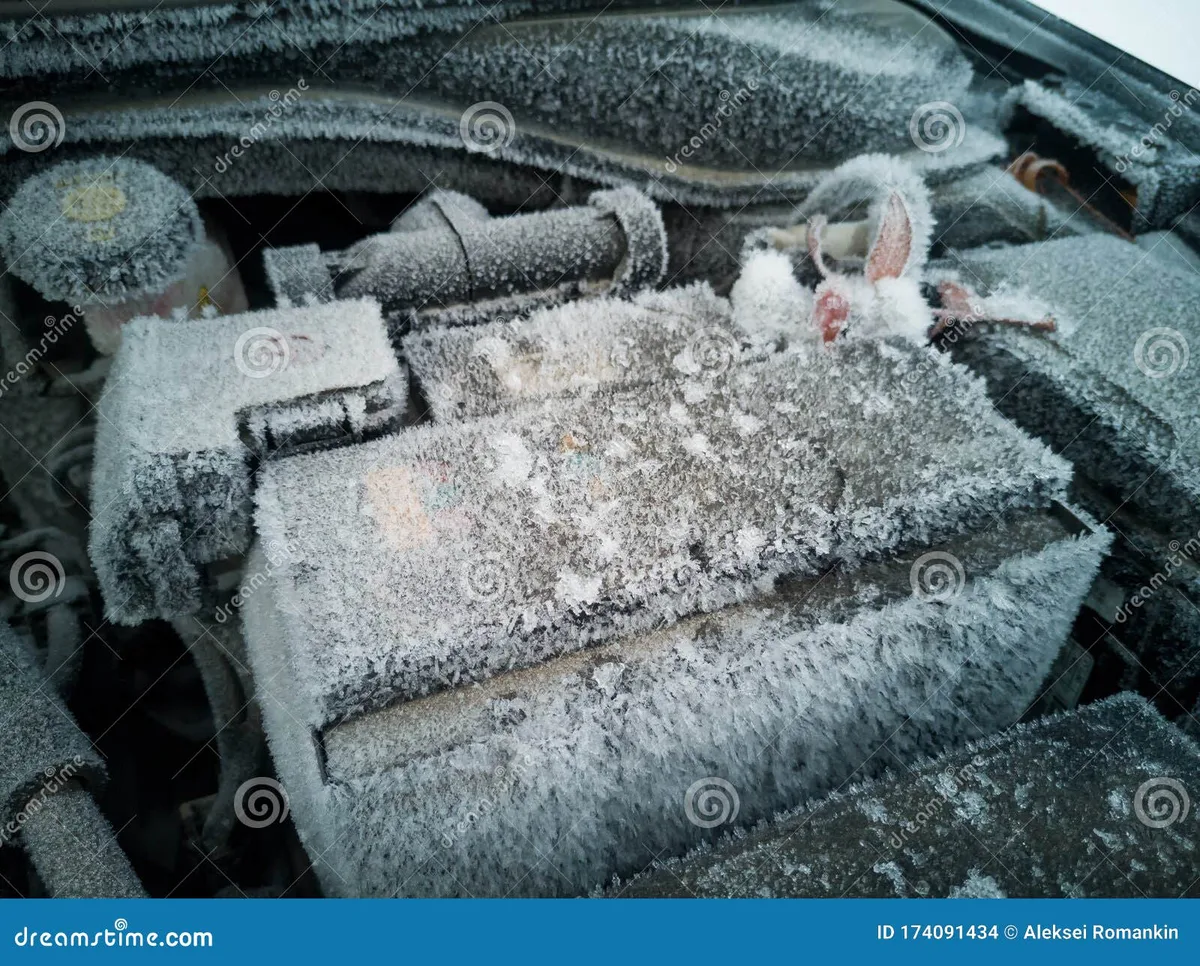
You know the scenario. The car fails miserably at 30 below. The engine will not start.
The heater blows cold. You tow it to the dealer. By the time it reaches the heated shop, everything works fine.
The mechanic drives it around the block, reports no problem found, and sends you on your way.
This is the single biggest frustration for Alaskan car owners. But here is the truth: intermittent cold-related defects are still covered under Alaska’s Lemon Law. The statute does not require the defect to be reproducible at the dealer’s shop under warm conditions.
What you need to do:
- Document the ambient temperature when the defect occurred.
- Take photos or video of the outside temperature and the symptom.
- Write down exactly what happened and when.
- Record the VIN, mileage, and date of each failure.
- Get a copy of any diagnostic codes, even if no codes were stored.
Manufacturers sometimes argue that the defect never manifested during their inspection. That argument fails if you can show consistent failures under specific cold conditions. In our research, the most successful claims include a cold-soak log that proves the defect pattern.
If the dealer refuses to acknowledge the defect, ask them to perform a cold-soak test. That means leaving the vehicle outside overnight at ambient temperature and testing it first thing in the morning. Most dealers in Alaska can do this.
If they refuse, document the refusal in writing.
You can also take the vehicle to an independent mechanic who specializes in cold-weather diagnostics. An independent diagnosis carries weight in arbitration and court. The cost is usually recoverable as part of your claim.
Alaska’s Unique Challenges: Remote Locations, Limited Dealers, and Winter Delays

Bing (Web (fair-use with source credit))
Alaska presents challenges that most states never deal with. If you live in Anchorage or Fairbanks, you have access to multiple dealers. If you live in Bethel, Nome, or a remote village, your situation is different.
You might have only one dealer within 300 miles. You might have no dealer at all.
The law accounts for this indirectly. The 30-day out-of-service clock still runs even if the delay is caused by parts shipping or weather. A part that takes two weeks to arrive by barge or air freight still counts toward your total.
The manufacturer cannot use remote location as an excuse to extend the clock.
Winter creates its own delays. Roads close. Flights get cancelled.
Ferries stop running. If your vehicle is stuck at a dealer in Anchorage and you live in the Interior, you may be without transportation for weeks. Document every delay and every communication.
That paper trail strengthens your claim.
The Step-by-Step Claim Process for Alaskan Owners

Bing (Web (fair-use with source credit))
Here is how the process works from start to finish.
Step 1: Document everything. Keep every repair order, invoice, and diagnostic report. Write down the date, mileage, outside temperature, and symptom description for every failure. Take photos and video.
Step 2: Count your attempts and days. Track how many times you brought the vehicle in for the same defect. Track how many business days it spent in the shop. Use a calendar and be accurate.
Step 3: Write a formal demand letter. Send it to the manufacturer by certified mail with return receipt. Explain the defect, the number of repair attempts, the days out of service, and your demand for a refund or replacement. Include copies of your documentation.
Step 4: Allow one final repair attempt. The manufacturer gets one last chance to fix the defect after receiving your letter. This is called the cure period. If they fix it, the claim ends.
If they do not, you proceed.
Step 5: File a complaint. Contact the Alaska Department of Law, Consumer Protection Unit. File a formal complaint. They can investigate and facilitate a resolution.
Step 6: Go to arbitration. The manufacturer may require you to use their arbitration program. You have the right to reject their decision if it is non-binding. You can then pursue court action.
Step 7: Hire a lawyer if needed. If the manufacturer refuses to comply, get a lemon law attorney. Attorney fees are recoverable under Alaska law if you win.
Common Mistakes That Kill a Lemon Law Claim
| Mistake | Why It Hurts Your Claim |
|---|---|
| Accepting repair without written documentation | No proof of attempt count |
| Continuing to drive an unsafe vehicle | Manufacturer blames you for further damage |
| Missing the warranty expiration | Claim denied automatically |
| Letting a dealer keep the car for weeks without logging dates | Loses out-of-service day count |
| Not sending a formal demand letter | Manufacturer ignores informal complaints |
Avoid these pitfalls. The difference between a successful claim and a rejected one often comes down to paperwork.
How the Usage Fee Is Calculated
If you get a refund, the manufacturer deducts a usage fee. The formula is simple. Take the purchase price, divide it by 100,000 miles, and multiply by the number of miles you drove before the first repair attempt.
For example, a $40,000 vehicle with 5,000 miles before the first repair results in a $2,000 usage fee. You get $38,000 back plus taxes and fees. That is fair.
You paid for use before the problem started, so you only pay for that portion.
When You Need a Lawyer vs. When You Don’t
You can file a lemon law claim on your own. The initial steps, documentation, demand letter, and complaint filing do not require a lawyer. Many Alaskans handle these steps themselves.
You should get a lawyer when:
- The manufacturer refuses to respond to your demand letter.
- The arbitration decision is unfair or biased.
- You need to file a lawsuit in Alaska Superior Court.
- The vehicle has a safety defect that could cause injury.
Lemon law lawyers in Alaska typically work on contingency. They take 30 to 40 percent of the settlement if they win. If they lose, you pay nothing.
That makes legal representation accessible even if your budget is tight.
Repair Attempts vs. Safety Defects: Different Rules Apply
Safety defects get special treatment under Alaska’s Lemon Law. If the defect creates an immediate risk of death or serious injury, the rules change. You do not need four attempts.
You do not need 30 days out of service. A single failed repair attempt may be enough.
Examples of safety defects in extreme environments:
- Brake failure in icy conditions
- Steering failure at highway speed
- Sudden engine shutdown while driving
- Tire blowout due to manufacturing defect
- Airbag failure or unintended deployment
If you have a safety defect, document it separately. Send a demand letter immediately. Do not wait for four repair attempts.
The law prioritizes safety over process.
What Happens If the Manufacturer Refuses to Comply
Some manufacturers ignore demand letters. Some reject valid claims. If that happens, you have options.
First, file a complaint with the Alaska Department of Law. Their Consumer Protection Unit can pressure the manufacturer. They may investigate and issue a civil penalty.
Second, pursue arbitration. Alaska allows both manufacturer-sponsored and state-sponsored arbitration. You can choose which one to use.
Arbitration is faster and cheaper than court.
Third, file a lawsuit in Alaska Superior Court. If you win, the court can order the manufacturer to refund your money or replace the vehicle. You can also recover your attorney fees and court costs under the Magnuson-Moss Warranty Act.
The key is to keep moving forward. Do not let the manufacturer stall you into giving up.
Frequently Asked Questions
How long do I have to file a lemon law claim in Alaska?
You must file within the warranty period, which is one year from original delivery or 18,000 miles, whichever comes first. Some claims take months to process, so start early.
Does Alaska’s Lemon Law cover used cars?
No, unless the used car still has an active factory warranty. Used cars sold as-is are not covered. Always check the warranty status before you buy.
Can I get a refund instead of a replacement?
Yes. The choice is yours. You can demand a full refund minus a usage fee, or a replacement vehicle of comparable value.
The manufacturer cannot force you to take one over the other.
What if the defect only happens in extreme cold?
That still counts. Alaska courts recognize intermittent cold-related defects. You need to document the temperature, the symptom, and the failure.
A cold-soak log is your best evidence.
Do I need to send a demand letter before filing?
Yes. You must send a written demand letter to the manufacturer by certified mail. This gives them one final chance to fix the defect.
If they cannot, you can proceed with your claim.
How much does a lemon law lawyer cost in Alaska?
Most work on contingency. You pay nothing upfront. If you win, they take 30 to 40 percent of the settlement.
If you lose, you pay nothing. This makes legal representation affordable.
For more guidance on maintaining your vehicle throughout this process, check out our detailed guide on how to prepare your car for touchless washing in winter conditions. You might also find our manual cleaning equipment guide useful for keeping your vehicle in good shape while you work through your claim. If you are dealing with paint protection film, our car shampoo for PPF article offers practical maintenance tips.
For ceramic coated vehicles, see our guide on what to use to wash my engine spot less and our breakdown of how ceramic coating protects against salt.