ByMax Lee
Guide to Remote Salvage and Towing Legalities: Simple Steps
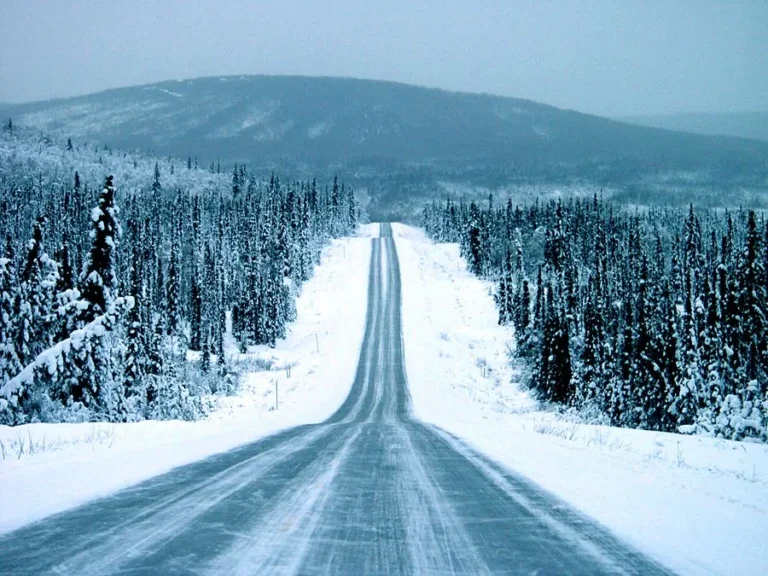
You're driving down a gravel stretch of the Glenn Highway, or maybe you're deep on a mining road north of Fairbanks, and you spot it, a vehicle parked in the same spot for weeks, maybe months. Tires flat. Windows fogged.
No plates visible. You start wondering: can I take it? Fix it up?
Claim it? Or maybe you're the one who left it there after a breakdown, and now you're worried about liability, towing costs, or losing your rig entirely. That's where Remote Salvage and Towing Legalities in Alaska get complicated fast.
One wrong move and you're facing a theft charge, a civil lawsuit, or a lost title you'll never get back.
Alaska is the only state where large portions of the road system are completely unserved by licensed towing companies. As of 2026, the Alaska Department of Transportation reports that roughly 35 percent of state-maintained roads have no formal tow service within a two-hour response window. That leaves thousands of car owners guessing about their legal options.
The answer isn't "finders keepers." It's a specific set of statutes, deadlines, and paperwork that most Alaskans don't know exist, until it's too late.
Why Getting This Wrong Can Cost You Thousands
Let's be blunt. If you recover a vehicle without following Alaska's legal process, you're not a salvage operator. You're a potential defendant.
The vehicle's owner can sue you for conversion, the legal term for taking someone else's property without permission. In Alaska, conversion damages often include the full market value of the vehicle plus storage fees and court costs. We've seen cases where someone pulled a snowmachine out of a ditch, stored it for a winter, and ended up paying thousands in damages because they never filed the right paperwork.
The financial risk doesn't stop there. If you're a tow operator working without proper licensing from the Alaska Department of Transportation and Public Facilities, you can face fines up to $5,000 per incident. Private landowners who dispose of abandoned vehicles without following state statute can be held liable for environmental cleanup if fluids leak into the ground.
And if you buy a salvage vehicle without going through the Alaska DMV's branded title process, you'll never register it. That's a $500 paperweight sitting in your yard.
The bottom line: Alaska's laws are strict, but they're also clear. You just have to know which code applies to your situation.
Quick Answer
Alaska's salvage and towing laws require three things. First, you must determine proper ownership before recovery. Second, you must notify the owner through certified mail.
Third, you must wait the statutory lien period before selling or transferring the vehicle. The Alaska DMV handles salvage title applications. Licensed tow operators follow additional DOT PF rules.
Without these steps, you face civil liability and criminal charges.
What Alaska Law Says About Salvage Titles and Abandoned Vehicles
Alaska Statute 28.10.051 is the main law covering abandoned vehicles. It defines an abandoned vehicle as one left unattended on public property for more than 48 hours or on private property without the landowner's consent for more than 24 hours. That's a short clock.
If you spot a vehicle on your property in the morning, you can legally begin the removal process by that evening. But only if you follow the notice requirements.
Salvage titles work differently in Alaska than in many lower 48 states. When an insurance company totals a vehicle, the Alaska DMV issues a salvage certificate. That certificate means the vehicle cannot be registered for road use until it passes a rebuilt vehicle inspection.
The inspection checks frame integrity, airbag deployment status, and major structural repairs. Without passing, you're stuck with a parts-only vehicle.
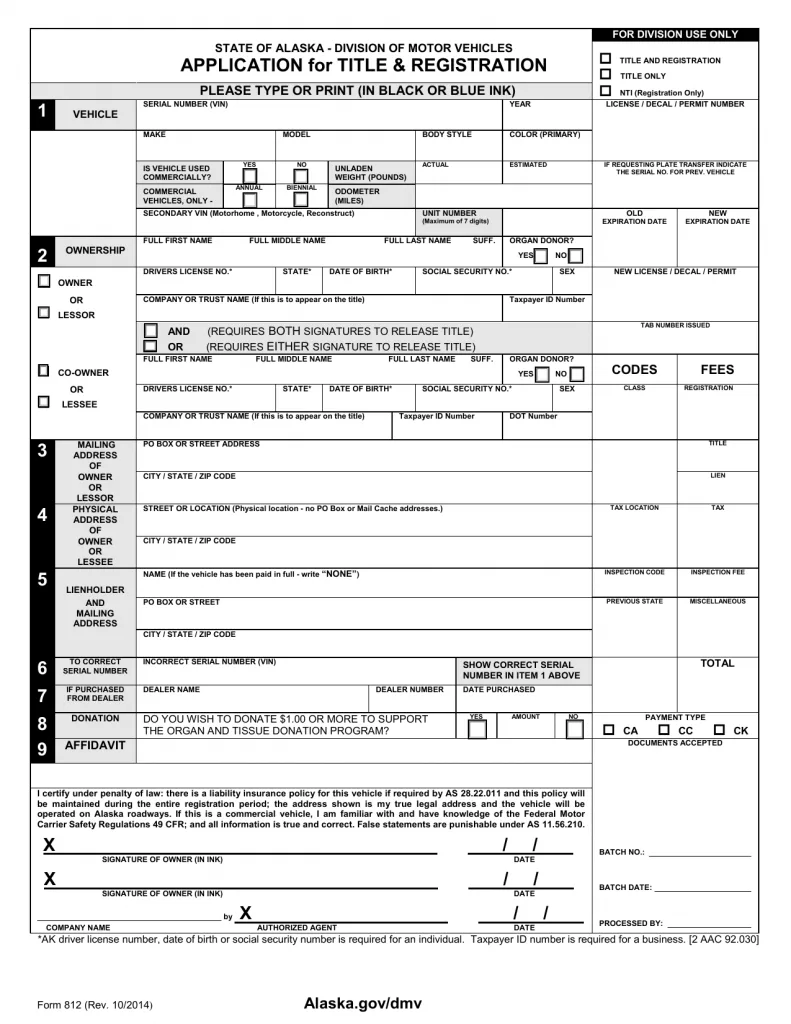
If you recover an unclaimed vehicle that wasn't insured, say an abandoned truck on a remote mining claim, you apply for a certificate of title through the salvage process. The DMV requires a completed Application for Certificate of Title (Form 820), proof of ownership or lien, and payment of applicable fees.
The key difference between "salvage" and "abandoned" matters for your legal obligations. A salvage vehicle has an owner somewhere, usually an insurance company or a lienholder. An abandoned vehicle, by Alaska's definition, has no identifiable owner after reasonable search.
Each route uses a different paperwork path.
What about vehicles on tribal land?
This is where things get especially tricky. Tribal lands in Alaska, from the Kenaitze Indian Tribe to the Central Council of Tlingit and Haida Tribes, operate under their own jurisdiction for vehicle abandonment and salvage. State laws don't automatically apply on tribal land.
If you recover a vehicle on tribal land without permission from the tribal government, you could be cited for trespass before you even get to the title question. The safest approach is to contact the tribal government's law enforcement or natural resources office first. They'll tell you whether to follow state process or their own code.
Alaska's Legal Framework: Key Statutes, Agencies, and Jurisdictions
Three agencies control salvage and towing legalities in Alaska. Knowing which one to call saves you weeks of wasted effort.
Alaska DMV handles all title and registration matters. They issue salvage certificates, process lien affidavits, and manage the rebuilt vehicle inspection program. If your question is about paperwork, start here.
Alaska DOT PF licenses commercial tow operators. If you're running a towing business, you need their certification. They also manage right-of-way access on state highways and can authorize removal of vehicles blocking traffic.
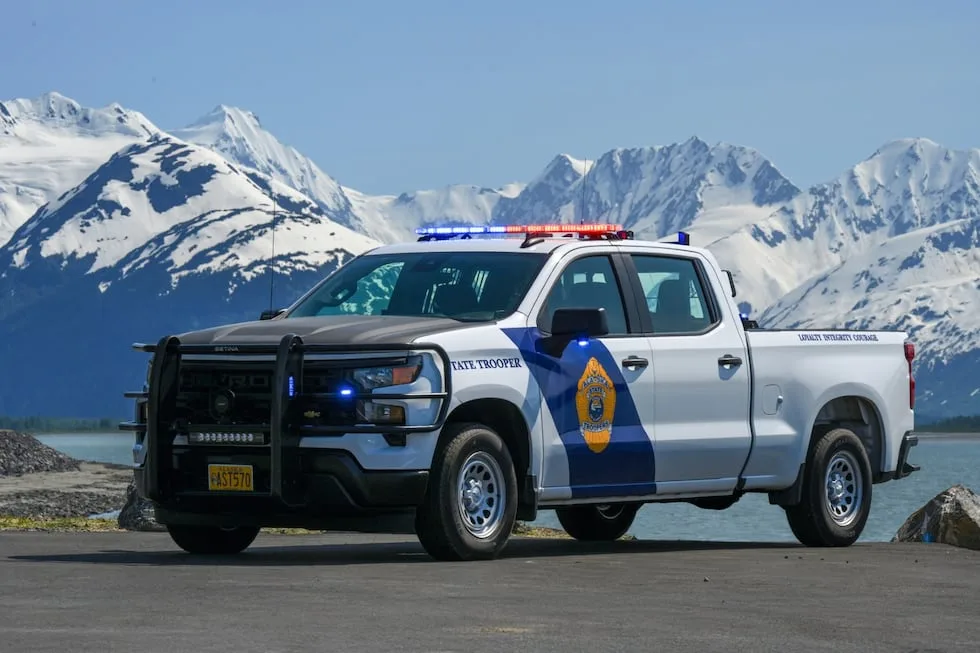
Alaska State Troopers enforce vehicle abandonment laws, investigate stolen vehicle claims, and can issue removal orders for vehicles that pose a safety hazard.
Here's a quick breakdown of which agency handles what:
| Situation | Agency to Contact | Key Statute |
|---|---|---|
| Vehicle abandoned on state highway | State Troopers / DOT PF | AS 28.10.051 |
| Vehicle abandoned on your private property | Local law enforcement / DMV | AS 28.10.051 |
| Salvage title application | Alaska DMV | AS 28.10.261 |
| Tow company licensing | DOT PF | AS 45.65 |
| Disputed lien or ownership | Courts | AS 45.65.030 |
| Vehicle on tribal land | Tribal government | Varies by tribe |
As of 2026, Alaska does not have a statewide maximum storage fee for towing companies. That means fees can vary wildly, from $25 per day in some rural lots to $100 per day in Anchorage-area facilities. Always ask for a written fee schedule before authorizing any tow.
Step-by-Step: How to Legally Recover or Take Ownership of an Abandoned Vehicle
This process works whether you're a private landowner, a hunter who found a stuck truck, or a tow operator working remote Alaska. Follow these eight steps exactly. Skip one, and you risk losing the vehicle or facing legal action.
Step 1: Verify ownership
Run the VIN through the Alaska DMV database. You can do this online or in person at any DMV office. If the vehicle is registered, the DMV will provide the owner's name and last known address.
If it's not registered, check with the State Troopers for any stolen vehicle reports. Always document your search. Save screenshots, print email confirmations, and keep a log of who you called.
If the owner later claims you didn't try hard enough, that paper trail is your only defense.
Step 2: Determine if the vehicle is truly abandoned
Under Alaska law, a vehicle is abandoned if it has been left unattended for more than 48 hours on public property or more than 24 hours on private property without the landowner's consent. If the vehicle is on your own land, you can start the process immediately. If it's on public land, call the State Troopers first to confirm no one has reported it stolen.
Step 3: Notify the owner
Alaska law requires notice by certified mail, return receipt requested. Send it to the owner's last known address. Include the vehicle description (make, model, VIN, license plate if any), your intent to claim or dispose of the vehicle, and the deadline for the owner to respond.
The owner has 30 days from the date of mailing to reply. If the certified letter comes back undelivered, you move to Step 4.
Step 4: Post public notice
If certified mail fails, and in rural Alaska, that's common, you must post notice in a newspaper of general circulation where the vehicle is located. Run the notice once a week for three consecutive weeks. The notice must include the same information as the letter plus your intent to file a lien or apply for salvage title.
Step 5: Wait the lien period
Alaska's lien period for abandoned vehicles is 30 days from the date of the first newspaper publication or the certified mail delivery date. You cannot sell, scrap, or transfer the vehicle during this period. Use this time to collect documentation: photos of the vehicle in its original location, a witness statement if someone else saw it abandoned, and copies of all notices.
Step 6: File a lien affidavit with the DMV
After the 30-day period expires with no owner response, file a lien affidavit (Form 820) with the Alaska DMV. Attach copies of your certified mail receipt, the newspaper notice, and any correspondence. The DMV will review your application and issue a salvage certificate or a certificate of title depending on the vehicle's condition and your intended use.
Step 7: Decide what to do with the vehicle
You have three options. First, keep the vehicle for personal use after completing a rebuilt vehicle inspection and obtaining a clean title. Second, sell the vehicle at a public auction or private sale.
Third, scrap the vehicle. If you scrap it, you must provide the DMV with proof of disposal from a licensed recycler. If you sell it, the buyer receives the salvage certificate and must handle the rebuilt inspection themselves.
Step 8: Pay the fees
The Alaska DMV charges a salvage title application fee of $15 as of 2026. Transfer fees for a salvaged vehicle run about $15 to $25 depending on the county. Lien sales add a $10 processing fee.
These are small costs compared to the legal risk of skipping the process.
If you've recently recovered a vehicle from a muddy trail or remote road, give it a thorough cleaning before any inspection. Washing off mud and debris is a smart move. You can find good tips on manual cleaning equipment using in car wash to get the job done right without damaging the paint or undercarriage.
Risks of Doing It Wrong: Liability, Conversion, and Criminal Charges
The biggest legal risk in Alaska's salvage world is conversion. That's the civil tort for taking someone's property without permission. Even if you genuinely believed the vehicle was abandoned, a court can still find you liable.
The owner doesn't need to prove you intended to steal it. They only need to prove you took control of it without legal authority.
Conversion damages in Alaska include the vehicle's fair market value at the time of the taking, plus any loss of use. That adds up fast. A 2015 Ford F-150 sitting abandoned on a trail might be worth $15,000.
If the owner sues you and wins, you're writing a check for that amount plus attorney fees.
Criminal charges are less common but real. If you strip parts from an abandoned vehicle or sell it without going through the DMV process, you could face charges under Alaska Statute 11.46.120 (theft) or 11.46.360 (criminal mischief). Both are class A misdemeanors, carrying up to one year in jail and a $10,000 fine.
Repeat offenses or vehicles valued over $25,000 can bump charges to felonies.
There's also environmental liability. If you move a vehicle that's leaking oil, coolant, or fuel without proper containment, you're responsible for the cleanup. The Alaska Department of Environmental Conservation can fine you up to $25,000 per day for uncontained hazardous spills.
That's not hypothetical, it's happened to private landowners who dragged abandoned cars out of creek beds.
When to Handle It Yourself vs. Calling a Licensed Tow Company
You don't always need a professional tow company. But knowing when you do saves headaches.
Handle it yourself when:
- The vehicle is on your private property and you're comfortable with the legal process
- You have the equipment to recover it safely without causing environmental damage
- The vehicle's value is low (under $1,000) and you plan to scrap it
- You've confirmed it's not stolen through the State Troopers
Call a licensed tow company when:
- The vehicle is on state highway right-of-way or public land
- You don't have proper recovery gear (winch, straps, safety chains)
- The vehicle is in a location that requires road closure or traffic control
- You're not comfortable with the lien filing process and want professional help
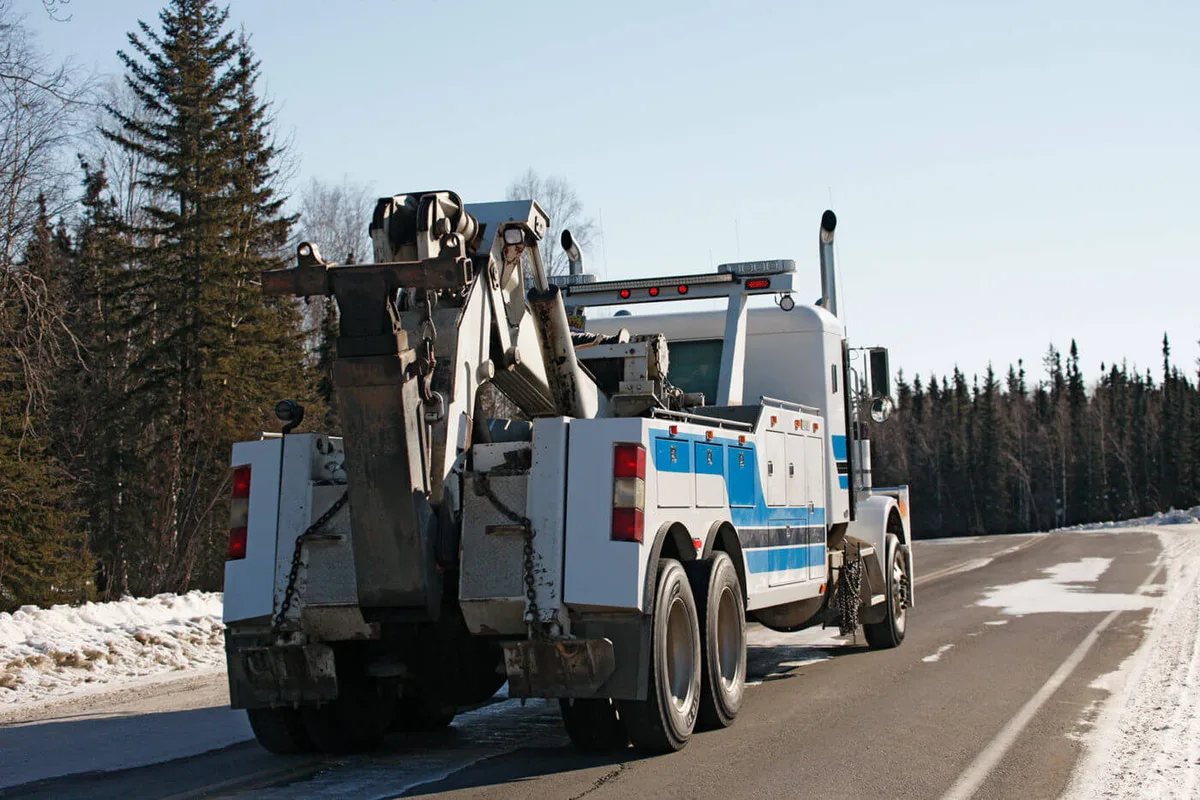
Licensed tow operators in Alaska must carry liability insurance of at least $300,000 per incident. They also have established relationships with the DMV and State Troopers, which means they can often move paperwork faster than a private individual. The trade-off is cost.
A remote recovery in bush Alaska can run $500 to $2,000 depending on distance and terrain.
If you're planning a remote trip into Alaska's backcountry, it's smart to prepare touchless washing for your vehicle before you go. Clean rigs are easier to inspect for damage after recovery, and mud-free undercarriages help you spot leaks or frame issues right away.
Real Scenarios: Bush Recovery, Tribal Lands, Ice Road Towing
Alaska is not one jurisdiction. It's a patchwork of state land, federal parks, tribal territories, and municipal zones. How you handle salvage and towing depends on where you are.
Bush Alaska recovery: Villages off the road system, places like Bethel, Nome, Dillingham, rely on barge or air transport for vehicle recovery. There are no tow trucks. If a vehicle breaks down outside a village, the owner often abandons it.
Salvage in these areas follows the same state law but practical challenges abound. You may not have certified mail delivery or a local newspaper for public notice. In that case, the alternative is a posting at the village post office and the local tribal council office.
The DMV accepts this as alternative notice if you document it properly.
Tribal lands: Tribal governments have their own codes. The Kenaitze Indian Tribe near Soldotna requires written permission from their natural resources department before any vehicle is removed from tribal land. The Central Council of Tlingit and Haida Tribes operates its own vehicle registration system.
If you recover a vehicle on tribal land without following tribal procedure, you're trespassing. The vehicle stays put until both the tribal government and the State Troopers agree on jurisdiction. This is not a fast process.
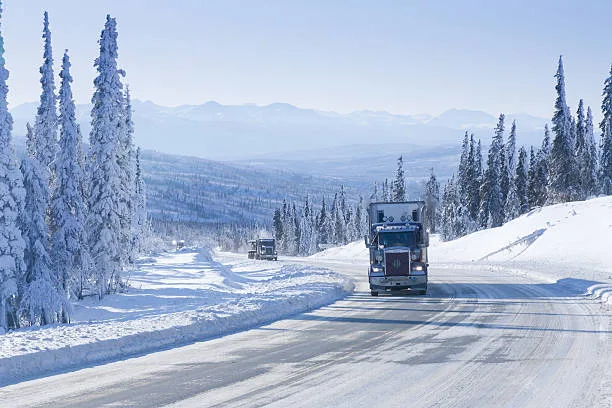
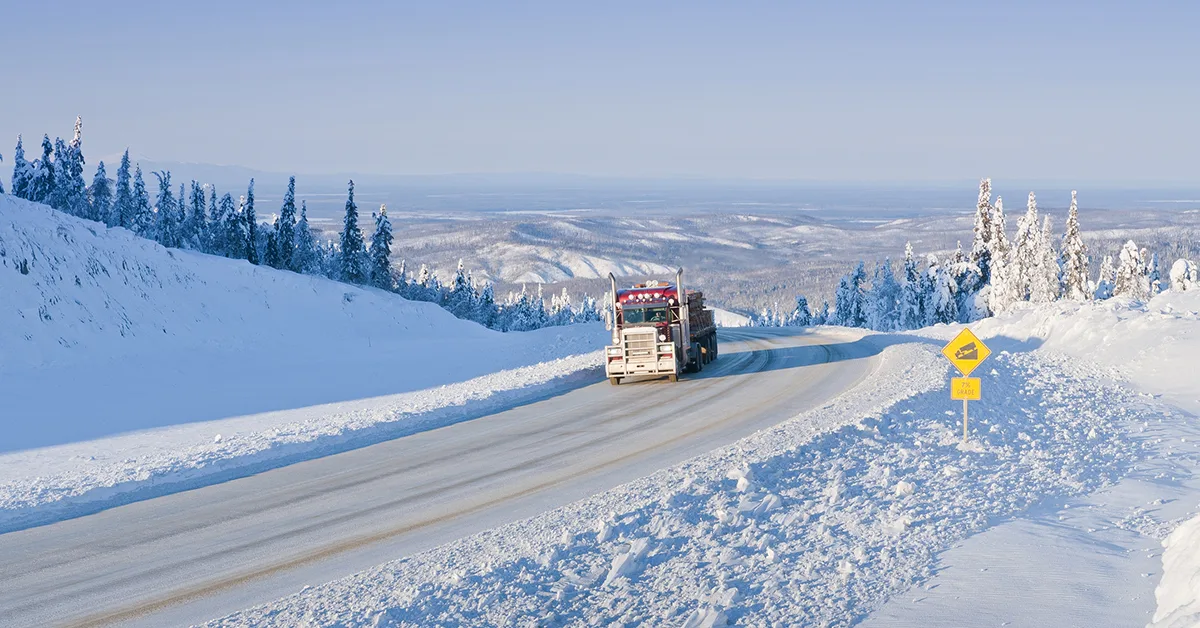
Ice road towing: Winter roads across the Arctic, the Dalton Highway, the Nome Ice Road, the Alaska Marine Highway's winter ferry connections, create unique legal questions. Ice road towing companies operate under a winter-only license from DOT PF. If you recover a vehicle on an ice road during the closed season (typically April to November), you cannot cross the road without a special permit.
Vehicles abandoned on ice roads are considered public hazards, and DOT PF can remove them immediately without the standard 30-day notice. Emergency removal does not transfer ownership. You still need to go through the DMV process to claim the vehicle.
If you're planning to buy a salvaged vehicle recovered from these conditions, inspect it carefully. After towing, vehicles often carry heavy road grime and deicing chemicals. A car power washer spray gun is a smart investment for cleaning off the corrosive residue before rust sets in.
Costs You Should Expect: Tow Fees, Storage Liens, and DMV Title Fees
Here's the real-world cost breakdown for a typical remote salvage scenario in Alaska as of 2026.
| Cost Item | Typical Amount | Notes |
|---|---|---|
| Initial tow (within 20 miles) | $150 – $400 | Rural surcharges apply |
| Per-mile fee beyond base | $5 – $15/mile | Ice road rates are double |
| Daily storage (rural lot) | $25 – $50 | No state cap |
| Daily storage (metro lot) | $50 – $100 | Anchorage, Fairbanks |
| Certified mail notice | $10 – $15 | Per attempt |
| Newspaper publication | $50 – $150 | Three-week minimum |
| DMV salvage title fee | $15 | Form 820 |
| DMV lien processing | $10 | Additional fee |
| Legal consultation (if needed) | $200 – $500 | One-hour session |
Budget at least $500 for the full process on a low-cost recovery. Remote recoveries involving ice road access or air transport easily exceed $2,500. That's before you put a dollar into repairs.
One cost people forget: cleaning the recovered vehicle before inspection or resale. A vehicle pulled out of an Alaska bog or off a gravel bar will be caked in mud, organic matter, and possibly fuel residue. You can save money by make my own car wash soap and doing the cleaning yourself with safe, high-quality ingredients.
Expert Tips: Working with the Alaska DMV and State Troopers
Here's what saves you time and stress.
Call the DMV before you file anything. The Alaska DMV's salvage division has a dedicated phone line for title questions. They can tell you whether your situation qualifies as abandoned or salvaged. They'll also flag any existing liens or stolen vehicle reports.
That ten-minute call can save you a month of wasted effort.
Talk to the State Troopers early. If you find a vehicle that looks abandoned, call the trooper post for your area. They'll run the VIN and tell you if it's connected to any open case. If it's not, they'll often give you a case number you can reference in your paperwork.
That case number adds credibility to your claim that you attempted due diligence.
Document everything with photos. The DMV rejects about one in five lien applications because the applicant can't prove the vehicle was truly abandoned. Photos of the vehicle in its original location, showing flat tires, snow accumulation, broken windows, or vegetation growth, are your best evidence. Take photos from multiple angles and include a date stamp if possible.
Use certified mail with tracking. Regular mail doesn't cut it. Alaska law explicitly requires certified mail, return receipt requested. If the postal service can't deliver because the address is wrong, that's acceptable.
But you need the green return card showing attempted delivery.
Don't assume a vehicle is abandoned just because it looks rough. Many Alaskans park vehicles seasonally. A truck left on a trail through winter might be a summer hunting rig the owner intends to retrieve. Assuming abandonment without checking the VIN is the fastest way to get yourself into a legal mess.
If you're dealing with a vehicle that's been sitting in the elements for months, the exterior is likely caked with grime and organic debris. A careful initial wash protects the paint and makes inspection easier. Check out our guide on what to expect in a drive through car wash if you prefer a professional cleaning route after recovery.
Frequently Asked Questions
Can I keep a vehicle I find abandoned on my Alaska property?
Yes, but only after following the full legal process. You must notify the owner by certified mail, post public notice, wait 30 days, and file a lien affidavit with the Alaska DMV. Without those steps, the vehicle does not belong to you.
What happens if I tow an abandoned vehicle without permission?
You can be sued for conversion and face damages equal to the vehicle's value plus legal costs. In extreme cases, you may face theft charges. Always check the VIN with the State Troopers before taking control of any vehicle.
How long does the Alaska salvage title process take?
The full process typically takes 45 to 60 days from the date you find the vehicle. The 30-day lien period is mandatory. After that, DMV processing adds 10 to 20 business days depending on office workload.
Do I need a license to operate a tow truck in Alaska?
Yes, commercial tow operators must be licensed by the Alaska Department of Transportation and Public Facilities. Private individuals towing their own vehicle do not need a license, but they must follow all traffic and recovery safety laws.
Can I scrap an abandoned vehicle immediately?
No. You must complete the lien process or obtain the owner's written permission before scrapping. Scrapping without a clear title can result in fines and liability for the vehicle's value.
What if the abandoned vehicle is on tribal land in Alaska?
Tribal land follows tribal law, not state law. Contact the tribal government's law enforcement or natural resources office before taking any action. State salvage procedures do not apply until the tribe confirms jurisdiction.
Final Checklist: Your Action Steps for Legal Salvage and Towing in Alaska
This checklist doubles as your quick reference for any salvage or towing situation in Alaska.
- Run the VIN through Alaska DMV database
- Check with State Troopers for stolen vehicle reports
- Confirm the vehicle meets Alaska's abandoned definition (48 hours on public land, 24 hours on private land)
- Send certified mail notice to the last known owner
- Post public notice in a local newspaper (three weeks)
- Wait 30 days from notice date
- File lien affidavit (Form 820) with Alaska DMV
- Pay salvage title fee ($15 as of 2026)
- Complete rebuilt vehicle inspection if registering for road use
- Dispose of or sell the vehicle with proper documentation
- Keep copies of every form, receipt, and photo for your records
- If in doubt, consult with a local attorney who handles Alaska property law
Stick to this process, and you're operating within the law. Cut corners, and you're gambling with your time, your money, and your record. Alaska's remote salvage system is designed to protect owners and give honest recoverers a fair path to ownership.
Use it the right way, and you'll come out ahead.
For more practical advice on keeping your vehicle in top shape, whether you're cleaning a recovery mud-bath or just maintaining your daily driver, check out the Roadworthylabs blog for real-world tips from Alaska car owners.