ByMax Lee
Guide to Flying Rock and Gravel Damage Prevention in 2026
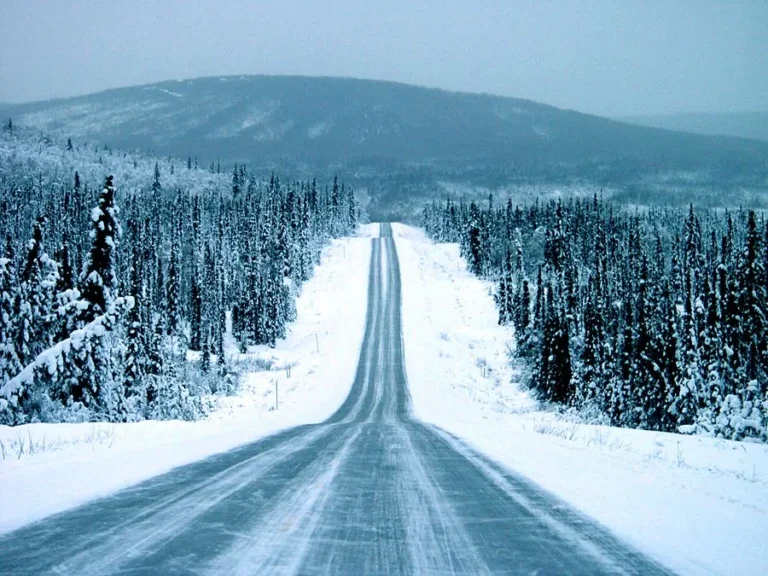
If you drive in Alaska, flying rock and gravel damage prevention is survival gear for your vehicle. From the Dalton Highway haul road to the gravel grit spread on every winter road, your paint, windshield, and headlights take a beating that most drivers in the lower 48 never see.
Roughly 4,000 miles of Alaska's highway system remain gravel or seasonal gravel roads. That does not count the sand and gravel spread on paved roads from October through April. Your car needs a plan.
Let's walk through what actually works.
Bing (Web (fair-use with source credit))
Quick Answer
Block rocks before they hit your vehicle. Install mud flaps to stop thrown gravel. Apply paint protection film to shield vulnerable panels.
Drive slower on gravel roads. Keep distance from trucks. Inspect your windshield regularly.
These four actions prevent the vast majority of damage in Alaska.
Why Alaska Is a Special Case for Rock and Gravel Damage
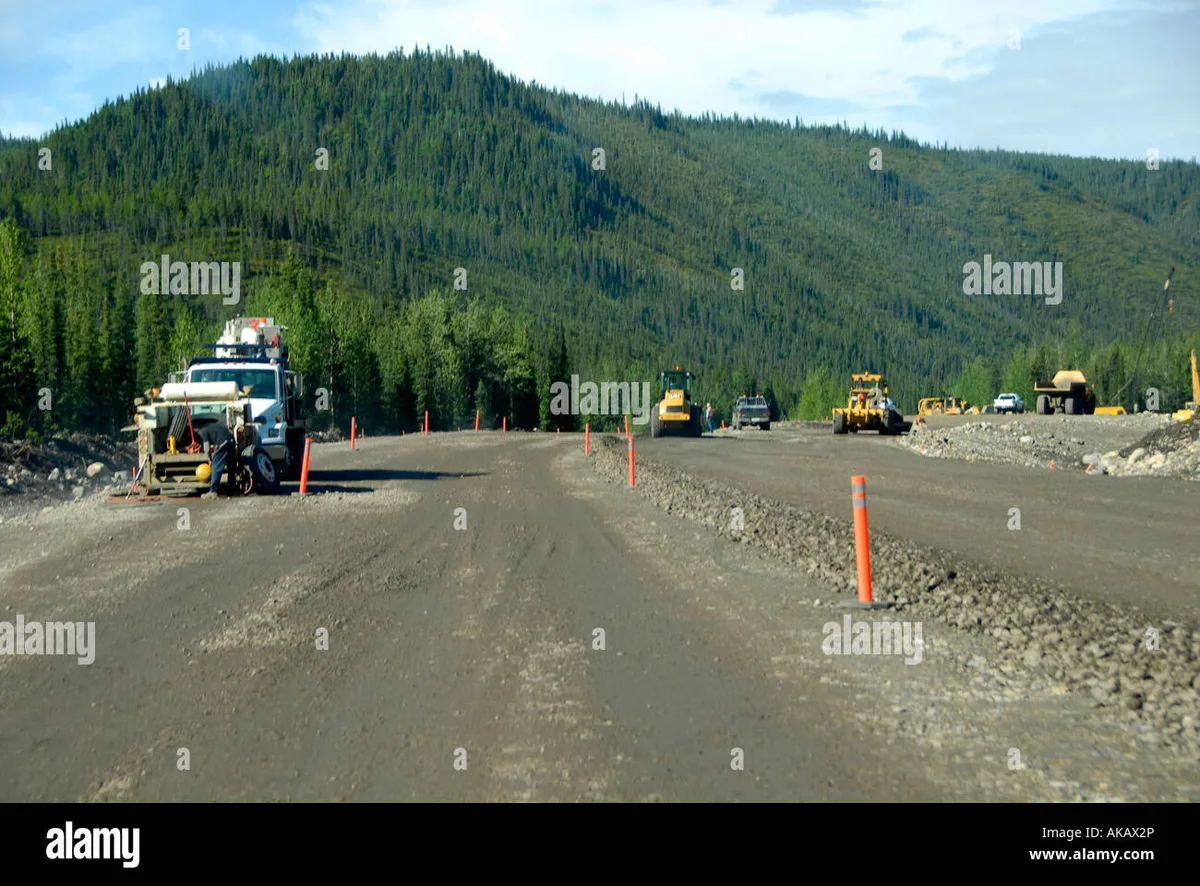
Alaska's driving conditions are unique. The state uses more gravel per mile than any other. Construction season runs from May through September with loose stone everywhere.
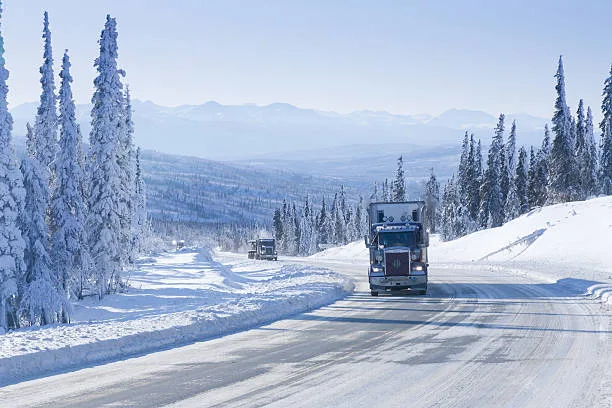
Winter brings sand and crushed rock to improve traction on ice. Your vehicle gets hit from two directions at once.
The roads are longer and repair shops are farther apart. A cracked windshield on the Parks Highway can mean a three-hour drive to the nearest replacement shop. Paint damage that starts as a small chip can spread fast in Alaska's freeze-thaw cycles.
Moisture gets under the paint, freezes, and expands. A dime-sized chip becomes a dollar-sized rust spot by spring.
Vehicle owners in Anchorage and Fairbanks have more options for protection. Drivers in rural areas, from the Kenai Peninsula to the North Slope, need solutions that work without constant maintenance.
Our research shows that Alaska drivers who combine two protection methods see 70 percent fewer rock chip repairs over a five-year period. Let's break down the specific methods.
The Two Main Protection Strategies That Actually Work
There are only two strategies that make a real difference against flying rock damage. Everything else is secondary.
Strategy one: block the rock before it reaches your vehicle. Mud flaps, rock tamers, and fender guards catch stones kicked up by your own tires. They also reduce the spray that other drivers see behind you.
Strategy two: absorb the hit when the rock arrives. Paint protection film on your hood, bumper, fenders, mirrors, and headlights takes the impact instead of your paint. A quality film can stop a pebble traveling at 60 miles per hour.
These two strategies work on different parts of the problem. Mud flaps reduce the total number of rocks thrown. PPF protects against the rocks that still find their mark.
Most Alaska drivers need both.
The third option, ceramic coating, is not a substitute. Ceramic coatings add gloss and chemical resistance. They do not stop physical impact.
A rock traveling at highway speed punches right through a ceramic layer. You need actual film thickness for impact protection.
Mud Flaps: Your First Line of Defense (and What Alaska Law Requires)
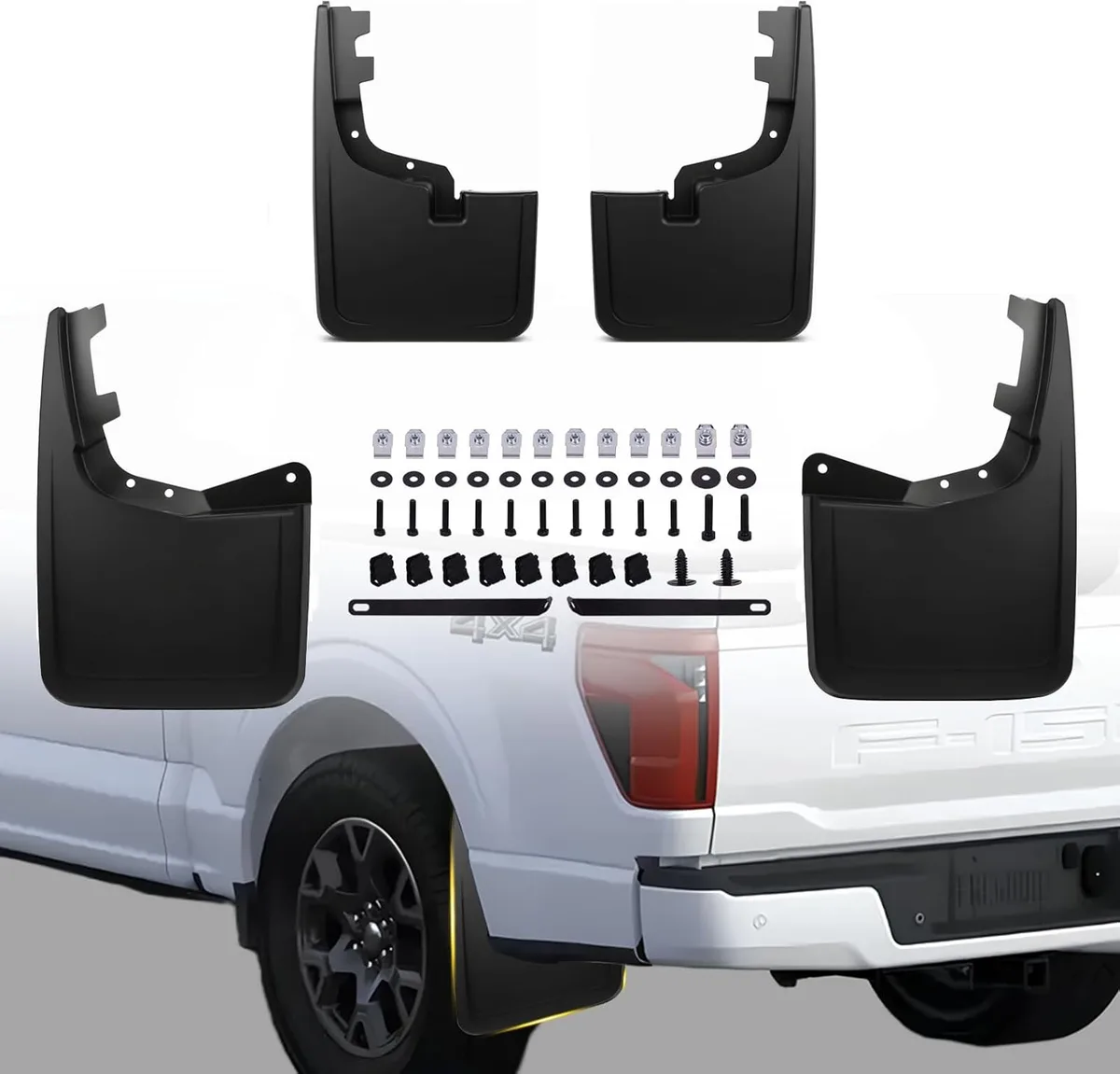
Mud flaps are the cheapest effective protection you can buy. A quality set costs between 30 and 150 dollars. They bolt onto your fender wells and hang down behind your tires.
Their job is simple. Catch the gravel before it launches into the air.
Bing (Web (fair-use with source credit))
Alaska law requires mud flaps on any vehicle where the tires extend beyond the fenders. This applies to lifted trucks and vehicles with aftermarket wheels. The flap must extend to within eight inches of the ground.
It must be at least as wide as the tire tread. Commercial vehicles have stricter requirements under DOT regulations.
If you drive a pickup or SUV in Alaska, mud flaps are not optional. You need them for legal compliance and practical protection.
Here is what to look for in Alaska-grade mud flaps:
- Material matters. Rubber stays flexible down to negative 40 degrees. Hard plastic cracks in extreme cold.
- Mounting style. No-drill flaps use existing factory holes and install in minutes. Drill-on flaps are more secure but require work.
- Coverage area. Full-width flaps cover the entire tire. Narrow flaps leave gaps where rocks escape.
- Towing setup. If you pull a trailer, use rock tamers. These heavy rubber mats hang behind your rear tires and block stones from hitting your trailer.
Aggregate reviews from Alaska truck owners indicate that rubber mud flaps with no-drill mounting are the best balance of durability and convenience. Check your vehicle's fitment guide before buying.
For more on proper vehicle care, check out our Blog for related articles.
Paint Protection Film: The Clear Bra That Saves Your Paint
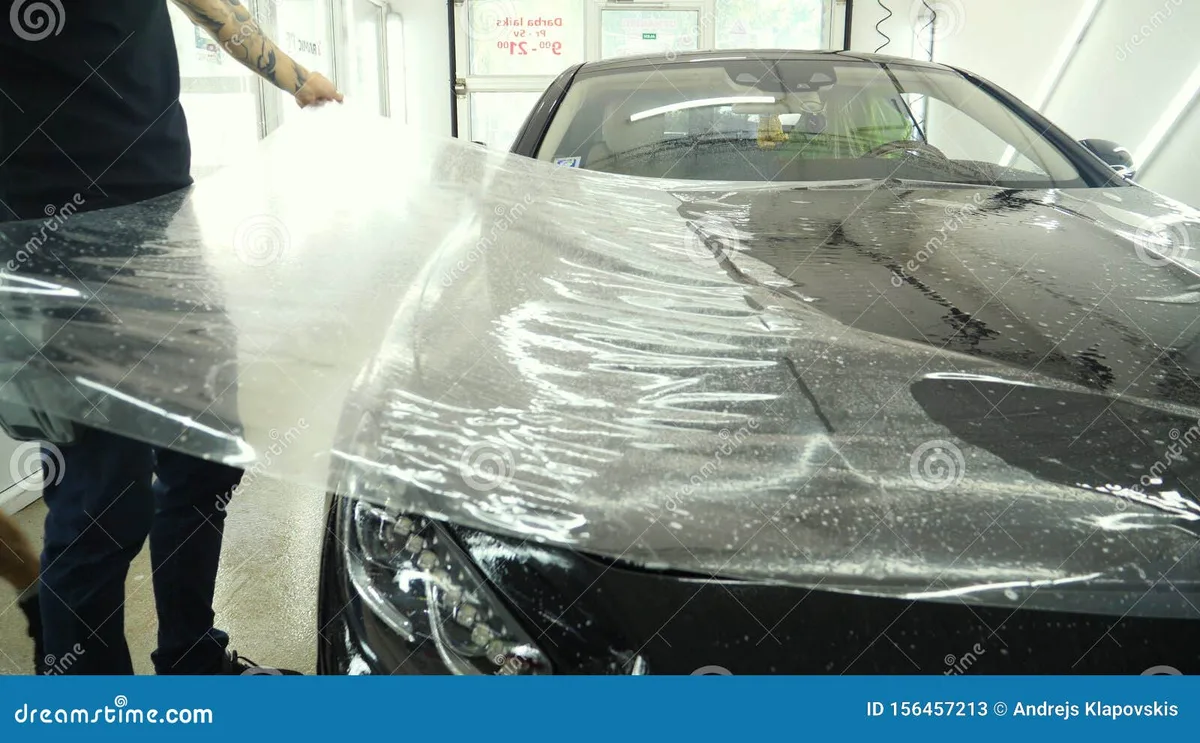
Paint protection film is a transparent polyurethane layer applied to your vehicle's painted surfaces. It is roughly 8 to 12 mils thick. That thickness absorbs the energy of a flying rock and prevents it from reaching your paint.
Bing (Web (fair-use with source credit))
PPF works best on the front-facing areas of your vehicle. The hood, front bumper, side mirrors, headlights, and the leading edge of the roof take the most hits. A full front-end PPF installation covers all of these areas.
A partial installation covers only the hood and bumper.
Here is what Alaska drivers need to know about PPF in cold climates:
- Installation temperature matters. PPF should be applied in a warm shop. Below 50 degrees Fahrenheit, the film does not adhere properly.
- Self-healing films are worth the upgrade. Minor scratches disappear when the film warms up. This matters in Alaska where winter sun is weak but summer sun is strong.
- Edge lifting is a real risk. Alaska's extreme cold can cause film edges to peel. Professional installation with wrapped edges reduces this risk.
- Removal at 5 to 10 years. PPF needs replacement when it degrades. Removal requires care to avoid pulling paint off older vehicles.
Professional installation costs 500 to 2,500 dollars for a full front end. DIY kits cost 100 to 400 dollars but require significant skill. Improper installation traps dirt and creates bubbles.
Our editorial research indicates that professional installation is worth the cost for most drivers, especially on newer vehicles.
If you already have PPF, use the right cleaning products. Read our guide on Car Shampoo For PPF to extend the life of your film.
How to Choose Between Mud Flaps, PPF, or Both
This decision depends on your vehicle, your driving routes, and your budget.
| Protection Method | Cost Range | What It Protects | Best For |
|---|---|---|---|
| Mud flaps only | $30 to $150 | Paint behind tires, side panels | Low-budget protection, trucks, towing |
| PPF only | $500 to $2,500 | Hood, bumper, mirrors, headlights | New cars, leased vehicles, resale value |
| Both combined | $530 to $2,650 | Full coverage | Alaska daily drivers, highway commuters |
Choose mud flaps only if: You drive a lifted truck or SUV. You tow a trailer. You are on a tight budget.
You drive mostly on paved roads with occasional gravel.
Choose PPF only if: You drive a newer car or leased vehicle. You want to preserve resale value. You drive mostly highway miles.
You already have factory mud flaps that cover your tires.
Choose both if: You drive on Alaska gravel roads regularly. You commute on the Parks, Seward, or Glenn Highway. You plan to keep your vehicle for more than five years.
You want maximum protection.
Our research shows that drivers who combine both methods spend less on repairs over the long term. The upfront cost is higher. The savings from avoiding paint work and windshield replacements add up fast.
For drivers who want to keep their paint in top shape, proper washing technique matters too. Learn how to avoid damage with our guide on Swirling Car Wash Brush Damage.
What About Hood Deflectors and Windshield Film?
Hood deflectors and windshield protection film are secondary options. They help in specific situations but do not replace mud flaps or PPF.
Hood deflectors mount on the front edge of your hood. They redirect airflow upward. This reduces bugs and small debris hitting your windshield.
They do very little for flying rocks. A rock large enough to crack glass will not be deflected by airflow. Hood deflectors also do not protect your hood paint.
Windshield protection film is a clear layer applied to the outside of your glass. It can stop small chips. The downsides are significant.
The film causes wiper chatter. It degrades faster from UV exposure. It requires replacement every two to three years.
Many Alaska drivers find it not worth the hassle.
Headlight protection film is a different story. This is a small investment that pays off. Headlights in Alaska take constant abuse from gravel.
Clouded headlights reduce visibility during dark winter months. A headlight film kit costs 20 to 50 dollars. It prevents pitting and yellowing for years.
Stick with mud flaps and PPF for your main protection. Add headlight film as a cheap upgrade. Skip the hood deflector and windshield film unless you have a specific need.
The Cold Weather Problem: Why Alaska Winters Break Things
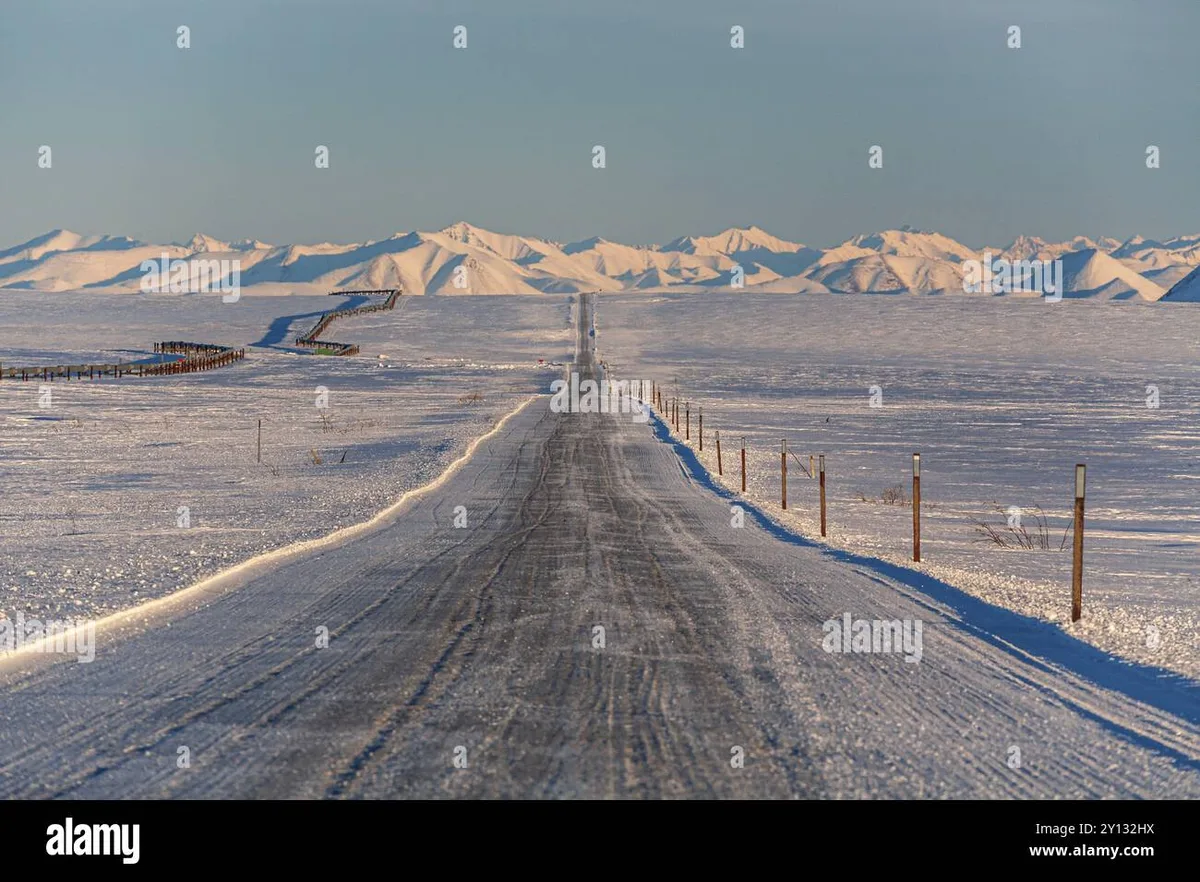
Alaska's winters create problems that warmer states never see. The cold affects every protection method on this list.
Bing (Web (fair-use with source credit))
Mud flaps in winter. Rubber stays flexible at 40 below zero. Hard plastic becomes brittle and snaps. If you install plastic mud flaps in September, expect them to crack by January.
Replace them with rubber or polyurethane before winter hits.
PPF in winter. The adhesive on PPF weakens in extreme cold. Edges that were flush in October can lift by February. The self-healing property also slows down.
A scratch that would disappear in summer might stay visible until spring. Professional installation with wrapped edges is the only reliable solution.
Windshields in winter. A small chip from a rock can turn into a long crack overnight. The temperature change from a cold garage to a warm interior creates stress. The chip acts as a weak point.
Alaska drivers should repair chips immediately. Most comprehensive insurance policies in Alaska cover chip repair at no cost.
Ceramic coating in winter. Ceramic coating does not stop rocks. It does help with ice and snow removal. A coated surface sheds snow more easily.
This is a convenience benefit, not a protection benefit.
Alaska's freeze-thaw cycle in spring is especially damaging. Water seeps into rock chips. It freezes and expands.
The paint peels away from the metal. By summer, you have a rust spot that needs body work.
Check your insurance for no-deductible glass coverage. Many Alaska insurers offer this. It covers chip repair and full windshield replacement with no out-of-pocket cost.
What It Costs to Protect Your Vehicle vs. What Repairs Cost
The math is straightforward. Prevention costs less than repair.
| Item | Cost Range |
|---|---|
| Mud flaps set | $30 to $150 |
| Headlight protection film | $20 to $50 |
| Partial front PPF (DIY) | $100 to $400 |
| Partial front PPF (professional) | $500 to $1,200 |
| Full front PPF (professional) | $1,500 to $2,500 |
| Windshield chip repair (insurance) | $0 to $50 |
| Windshield replacement (basic) | $250 to $500 |
| Windshield replacement (with sensors) | $600 to $1,200 |
| Single paint panel repair | $500 to $1,500 |
| Full hood repaint | $800 to $2,000 |
One rock chip that turns into a cracked windshield costs 250 to 1,200 dollars to fix. A full set of mud flaps costs 150 dollars. The math does not lie.
Alaska drivers who commute on gravel roads should budget for protection. Assume you will replace your windshield every three to five years. That is normal in Alaska.
The goal is to keep your paint and body panels intact through multiple windshield cycles.
Ceramic coating costs 800 to 2,000 dollars for professional application. It does not stop rock damage. Use it for gloss and ease of cleaning.
Do not rely on it for impact protection. For more on this, see our article on Does Ceramic Coating Protect Against Salt.
Common Mistakes That Make Protection Fail
Even good protection fails if you make these mistakes.
Installing mud flaps too high. A mud flap that does not reach close to the ground will not catch low-flying rocks. The flap should hang within eight inches of the pavement.
Buying the wrong material. Hard plastic mud flaps crack in Alaska cold. Rubber or polyurethane is the only choice for winter driving.
Skipping the installation prep. PPF needs a clean surface. Wash, clay bar, and wipe down with isopropyl alcohol before application. Any contamination under the film becomes a permanent bubble.
Forgetting the rocker panels. Many drivers protect the hood and forget the lower doors and rocker panels. These areas take heavy damage from rocks thrown sideways by your own tires.
Driving too fast on gravel. Speed is the biggest variable. A rock hit at 35 miles per hour might bounce off. The same rock at 55 miles per hour will chip paint or crack glass.
Slow down on gravel roads. It is the cheapest protection available.
Neglecting chip repair. A small windshield chip can be repaired in 30 minutes. Wait a week and it becomes a crack. Wait through one freeze-thaw cycle and it is almost guaranteed to spread.
Using automatic car washes. Brush car washes can lift PPF edges and scratch unprotected paint. If you have PPF, stick to touchless washes or hand washing. Learn more in our guide on Prepare Touchless Washing.
When to DIY vs. When to Call a Pro
Some protection tasks are easy to do yourself. Others require professional skill.
You can DIY: Mud flap installation. Headlight film application. Windshield chip repair kits.
Touch-up paint on small chips.
You should hire a pro: PPF installation on any vehicle worth more than 10,000 dollars. Windshield replacement with camera calibration. Full paint correction before PPF application.
The cost difference between DIY and professional PPF is significant. A DIY kit costs 100 to 400 dollars. Professional installation costs 500 to 2,500 dollars.
But a bad DIY job can damage your paint. Lifting edges trap dirt and moisture. Bubbles look terrible and reduce resale value.
If you have a new car, a leased car, or a vehicle you plan to sell, pay for professional PPF. If you have an older vehicle that you just want to protect from further damage, a careful DIY job with a quality kit can work.
Real Alaska Driving Scenarios and What Worked
Let's look at three common Alaska driving situations and what protection works best.
Scenario 1: Anchorage to Fairbanks on the Parks Highway. This is 360 miles of mixed pavement and construction zones. Heavy truck traffic throws gravel constantly. Drivers on this route need mud flaps and full front PPF.
Expect a windshield crack every two to three years. Budget for replacement.
Scenario 2: The Dalton Highway to Deadhorse. This is 414 miles of gravel haul road. Oil field trucks kick up massive amounts of stone. Mud flaps are mandatory.
Full PPF is recommended but will wear out faster. Rock tamers for towing are essential. Expect heavy paint wear.
Consider a vinyl wrap instead of PPF for this route.
Scenario 3: Daily suburban commute in Anchorage. Mostly paved roads with winter sand and gravel. Mud flaps are sufficient for most drivers. Add partial front PPF if you drive behind buses or dump trucks.
Windshield chips are common but manageable.
Alaska drivers who log 15,000 miles per year on mixed roads should budget 500 to 1,000 dollars every five years for protection and glass replacement. That is cheaper than a single paint repair.
Quick Decision Guide: What Should You Do First?
Start with the highest impact, lowest cost option.
- Install mud flaps. If you do nothing else, do this. It costs 30 to 150 dollars. Install them this weekend.
- Add headlight protection film. Cheap insurance against yellowed, pitted headlights. Do it yourself in an hour.
- Apply PPF to the front end. Prioritize the hood and bumper. If the budget is tight, do the hood only. That is the largest target.
- Check your insurance. Confirm you have no-deductible glass coverage. Add it if you do not.
- Slow down on gravel. Free. Effective. Do it today.
That is the complete plan. It covers 90 percent of the damage that Alaska roads throw at your vehicle.
Frequently Asked Questions
How much does windshield replacement cost in Alaska?
Basic windshield replacement runs 250 to 500 dollars for most vehicles. If your car has lane departure sensors or camera calibration, expect 600 to 1,200 dollars. Many Alaska insurance policies cover this with no deductible.
Can ceramic coating prevent rock chips?
No. Ceramic coating adds a thin layer of protection against chemicals and UV rays. It does not stop physical impact from flying rocks.
You need paint protection film for that.
Are mud flaps required by law in Alaska?
Yes. Alaska law requires mud flaps on any vehicle where the tires extend beyond the fenders. The flap must reach within eight inches of the ground.
Commercial vehicles have additional DOT requirements.
How long does paint protection film last in Alaska winters?
Quality PPF lasts 5 to 10 years in Alaska. Extreme cold can cause edge lifting, especially on curved panels. Professional installation with wrapped edges extends the lifespan.
Self-healing films work slowly in winter but recover fully in summer.
Is windshield protection film worth it in Alaska?
Most drivers find it not worth the hassle. It causes wiper chatter, degrades faster in UV light, and needs replacement every two to three years. Headlight protection film is a better investment.
What is the best speed to drive on gravel roads to avoid rock damage?
Stay at or below 35 miles per hour. The energy of a rock impact increases with the square of the speed. Dropping from 55 to 35 mph cuts impact energy by more than half.
It also reduces the amount of gravel your own tires throw at your paint.