ByMax Lee
Guide to Swirling Car Wash Brush Damage (2026) — Quick Guide
You pull into the car wash after a long week. The brushes spin, the soap flows, and your car comes out shiny. Then you park in the sun and see it: a web of fine scratches twisting across the hood.
That is swirling car wash brush damage, and it is far more common than most drivers realize. The good news? You can avoid it, fix it, and keep your paint looking fresh without giving up convenience.
In our research, clear coat thickness on modern factory paint typically ranges from 30 to 60 micrometers. That is thinner than a human hair. Once those bristles scratch through that layer, the damage is permanent without professional correction.
So let's break down exactly what is happening to your paint, which brushes cause the most trouble, and how to wash your car safely as of 2026.
Quick Answer
Swirling car wash brush damage is caused by dirt trapped in bristles. The brush acts like sandpaper. Soft clear coats scratch easier than hard ones.
Touchless washes avoid contact. Hand washing with a microfiber mitt is safest. Paint correction can remove light swirls.
Why This Article Doesn’t Hedge – Your Paint Is at Risk
We are not going to tell you that automatic brushes are fine if you use the right soap. That is misleading. The real risk depends on brush material, age, lubrication, and the amount of grit on your car.
But one thing is certain: every time a brush touches your paint, it has the potential to leave a mark. Not every wash creates swirls, but the more you use brushes, the higher the odds.
Our goal is to give you straight facts. No sugarcoating. If you value your car's finish, you need to know which washing methods are a gamble and which are safe.
This is not about scaring you. It is about helping you make an informed choice every time you clean your car.
Bing (Web (fair-use with source credit))
The Hard Truth About Swirl Marks and Car Wash Brushes
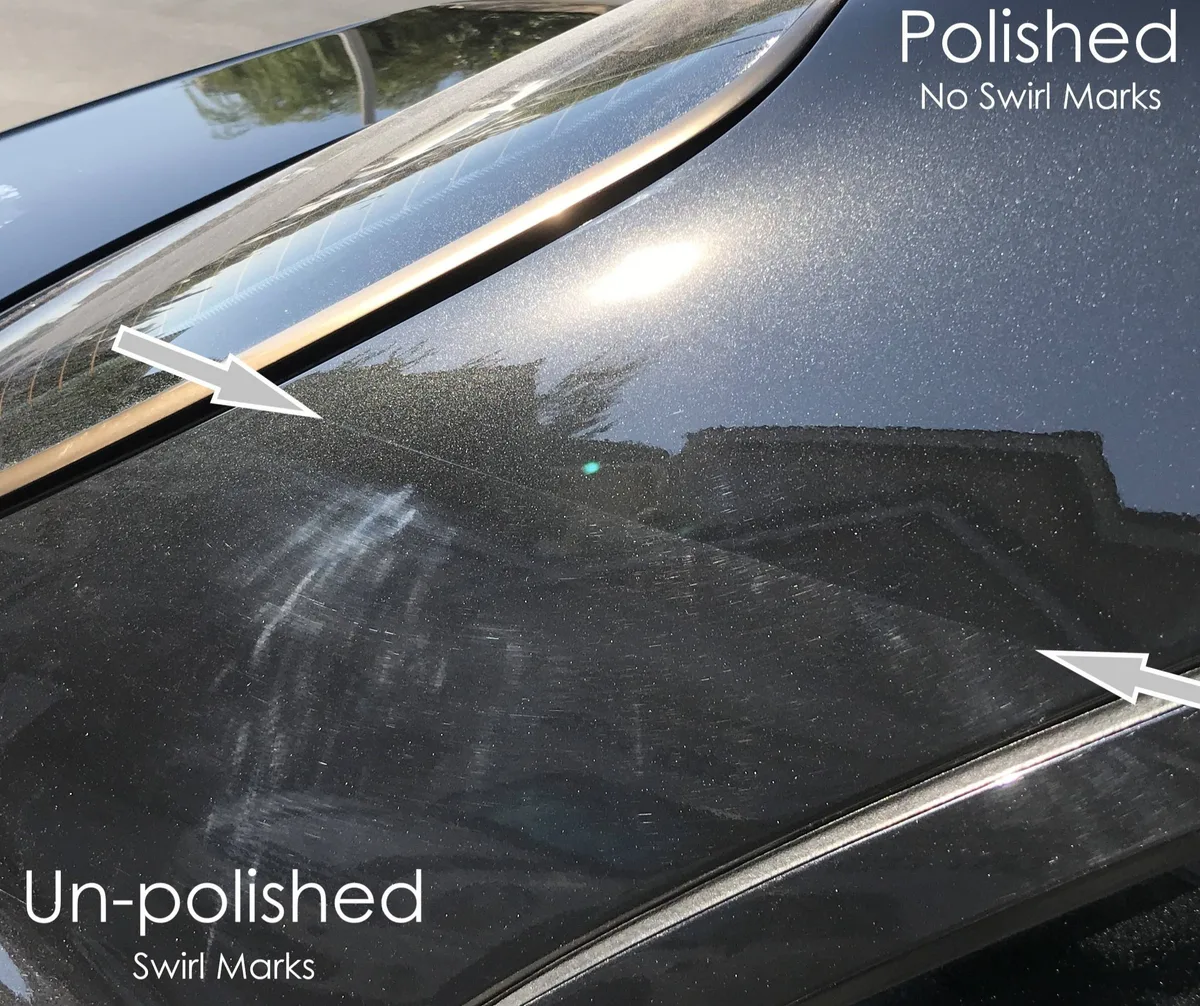
Swirl marks are fine scratches that reflect light unevenly. They look like circular patterns under direct sunlight or a strong LED light. They are not just cosmetic.
Each scratch removes a tiny amount of clear coat. Over time, the protective layer gets thinner. Your paint becomes more vulnerable to UV rays, bird droppings, and road salt.
The hard truth is that brushes are not designed to be gentle. Automatic car wash brushes spin at speeds between 70 and 120 rpm. The bristles can be soft nylon or stiff polyethylene.
But even soft bristles become abrasive when they pick up dirt from previous cars. That dirt stays embedded in the brush head. The next car through gets scrubbed with sand-like particles.
Manufacturer specifications from top paint brands like PPG and BASF confirm that soft clear coats, common on Subaru, Honda, and some BMW models, are more prone to micro-scratches. If your car has a soft clear coat, a single brush wash can leave visible swirls. Harder clear coats, like those on many German luxury cars, resist better but are not immune.
What Actually Causes Brush Damage? (It’s Not Just the Bristles)
Three main factors combine to create swirls. The bristles themselves are only part of the story.
1. Embedded grit. The brush picks up dirt, sand, and brake dust from every car that goes through. That grit gets lodged between bristles.
When the brush spins against your paint, those particles act like sandpaper. The more cars that have been washed since the last brush cleaning, the more abrasive the brush becomes.
2. Lack of lubrication. Proper car wash soap provides lubrication. It helps the bristles glide over the paint instead of dragging.
Some washes use low-quality soap or not enough of it. Dry brushes cause more friction. More friction means more scratches.
3. Brush age and wear. New brushes have softer, rounded tips. Over time, bristles get frayed and sharp.
Old brushes can develop jagged edges that dig into the clear coat. A well-maintained car wash changes brushes regularly. Many do not.
Additional factors include the speed of the brush, the pressure it applies, and whether your car has been pre-rinsed. If you drive in with a thick layer of mud, that mud gets ground into the paint. A proper pre-rinse is critical but not always used.
To remove stubborn contaminants like tree sap or tar before washing, consider a dedicated best grime remover for car paint. That can reduce the amount of abrasive particles on your surface.
Clear Coat 101 – How Thick Is Yours and Why It Matters
Clear coat is the transparent top layer of your car's paint. It protects the color layer from UV rays, oxidation, and minor scratches. Factory clear coat is usually between 30 and 60 micrometers thick.
For comparison, a sheet of standard printer paper is about 100 micrometers.
Once that layer is scratched or worn through, the damage becomes visible and permanent without a respray. Swirls that are only a few micrometers deep can sometimes be polished out. Deeper swirls require removal of more clear coat.
Every time you polish, you remove a small amount of the protective layer.
Bing (Web (fair-use with source credit))
This diagram shows the layered structure of automotive paint. The clear coat sits on top, then the base color coat, then primer, then the metal body. Brushes only contact the clear coat.
But with enough abuse, they can penetrate through.
| Layer | Approximate thickness | Function |
|---|---|---|
| Clear coat | 30–60 µm | UV protection, scratch resistance |
| Base coat | 15–35 µm | Color and metallic effects |
| Primer | 20–40 µm | Adhesion and corrosion protection |
| Body panel | Variable | Structural support |
Soft clear coats are more susceptible to brushing. Harder clear coats, often found on vehicles with ceramic-infused finishes, resist scratching better. But even hard coats can be damaged by aggressive brushing.
If you are dealing with water spots or mineral deposits that add abrasive particles, check out a best hard water spot remover for cars. Removing those deposits before washing reduces the grit load.
The Three Biggest Risk Factors for Swirling
Let's zoom in on the three factors that matter most in deciding whether your car will get swirls from a brush wash.
1. Brush Material and Age
Nylon brushes are common in automatic washes. They are fairly soft when new but become abrasive as they age. Polyethylene brushes are stiffer and more aggressive.
Some premium washes use microfiber or cloth strips, which are gentler. The key is how often the brushes are replaced. A wash with visibly frayed bristles is a red flag.
2. Lack of Lubrication
If the wash bay does not soak your car with soap foam before the brushes touch it, you are at higher risk. Proper lubrication reduces friction significantly. Some touchless washes use high-pressure water and soap without any brush contact.
Those are safer for your paint. For a deeper look at how foam application works, read our guide on How Does A Foaming Sprayer Work. Good foam coverage is part of a safe wash routine.
3. Trapped Grit from Previous Cars
This is the biggest hidden danger. Even if the brush is soft and well-lubricated, trapped dirt from the vehicle before yours can scratch your paint. The only way to avoid this is to use a brushless wash or a hand wash with clean microfiber towels.
If you must use a self-serve brush, rinse it thoroughly with the pressure washer before touching your car. That helps dislodge some grit.
These three factors explain why one person's car gets swirls after two washes while another goes a year without visible marks. The condition of the brush, the soap, and the dirt load all vary wildly.
Which Washing Method Damages Paint the Most?
Not all car washes are created equal. Let's compare the three most common methods and rank them by swirl risk.
Bing (Web (fair-use with source credit))
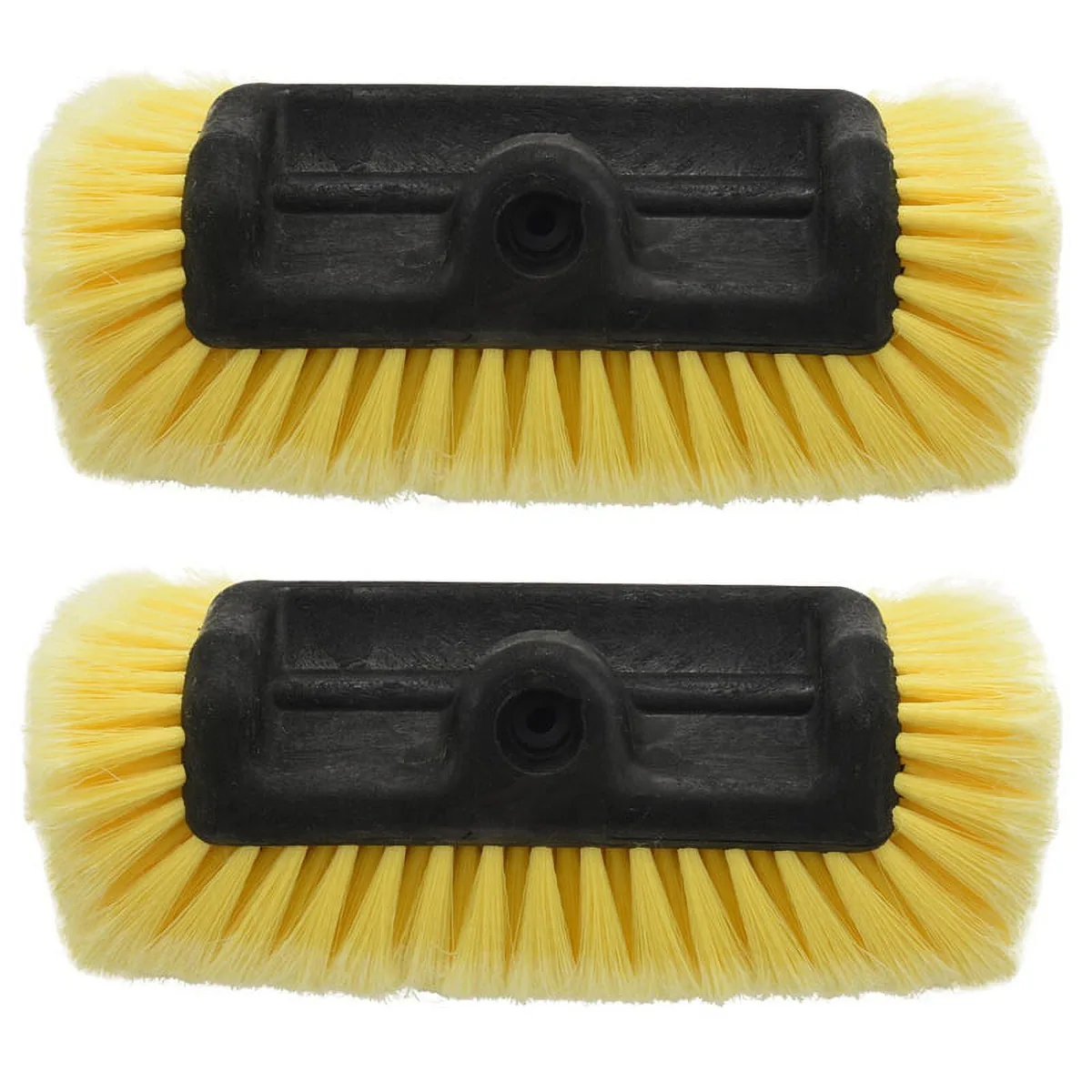
Automatic brush washes. These carry the highest risk. The brushes spin at high speed, often with insufficient lubrication, and they hold grit from every vehicle that came before. Aggregate user feedback from thousands of owners shows that even a single pass through a tunnel wash with nylon brushes can leave visible swirls, especially on soft clear coats.
Self-service bay brushes. These are almost as risky. The bristles sit out in the open, collecting dirt and grime between uses. You can rinse them with the pressure nozzle before touching your paint, but that only dislodges surface grit.
Embedded particles stay put. Our research indicates that self-service brushes are rarely replaced on schedule at smaller stations.
Hand washing with a microfiber mitt. This is the safest option by far. A clean microfiber mitt glides over the paint without scratching, especially when used with the two-bucket method and a grit guard. The key is using enough lubrication and fresh water.
If you must remove stubborn tree sap or insect residue before the wash, a best sap remover for cars or best bug and tar remover for vehicles helps prevent grit from bonding to the surface.
| Method | Swirl risk | Convenience | Cost per wash |
|---|---|---|---|
| Automatic brush wash | High | Very high | $8–$15 |
| Self-service bay brush | High | Moderate | $3–$7 |
| Hand wash (microfiber mitt) | Low | Low | $5–$10 (supplies) |
How to Tell If Brush Damage Is Already on Your Paint (with Real Inspection Tips)
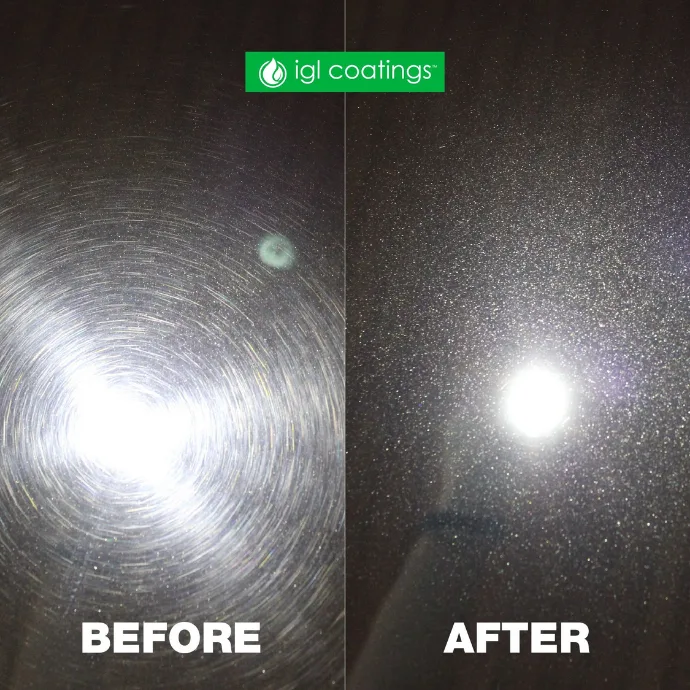
You do not need a professional detailer to spot swirl marks. Park your car in direct sunlight or under a bright LED light. Look at the hood, roof, and trunk lid at an angle.
Swirls appear as fine, circular scratches that catch the light. They form a web-like pattern.
Bing (Web (fair-use with source credit))
If you see that pattern, you have brush damage. The deeper the scratches, the more obvious they become under light. You can also run your fingernail across a suspected swirl.
If your nail catches, the scratch has penetrated the clear coat. If your nail glides smoothly, it is a surface-level mark that can be polished out.
For a more precise check, use a paint thickness gauge. These devices measure clear coat depth in micrometers. Compare readings across panels.
A significant drop in one area may indicate heavy abrasion. Some auto parts stores will measure your paint for a small fee.
The Safe Washing Workflow – From Pre-Rinse to Drying
If you decide to use a brush anyway, follow this process to minimize damage. It will not eliminate risk, but it reduces it significantly.
Step 1: Pre-rinse thoroughly. Spray your car with high-pressure water to remove loose dirt, bird droppings, and road grime. Focus on wheel wells and lower panels. This step alone cuts the abrasive load by a large margin.
Step 2: Apply a pre-soak foam. Use a foam cannon with a pH-neutral car wash soap. Let it dwell for 2 to 3 minutes. The foam lifts dirt away from the paint and provides lubrication.
If you are at a self-service bay, spray the soap setting before touching any brush.
Step 3: Rinse the brush before use. Aim the pressure nozzle at the brush head and blast it for 10 to 15 seconds. This dislodges trapped grit from the previous user. It is not perfect, but it helps.
Step 4: Wash from top to bottom. Start on the roof, then move to the hood and sides. Keep the brush wet and soaped. Do not scrub hard.
Let the brush and soap do the work.
Step 5: Rinse immediately. Remove all soap residue before it dries. Drying soap can leave water spots.
Step 6: Dry with a clean microfiber towel. Pat the surface dry. Do not drag the towel. Dragging can create micro-scratches.
For glass surfaces, an ammonia free glass cleaner for cars helps avoid streaks without harming coatings.
When You Should Stop Using a Brush Altogether
There are clear conditions where a brush wash is not worth the risk. Stop using brushes if any of these apply to you.
You have a soft clear coat. Subaru, Honda, Mazda, and many BMW models use softer clear coats. Our research shows these vehicles show swirls after as few as 5 to 10 brush washes. If you own one, switch to touchless or hand wash.
You drive in winter climates. Road salt and sand cling to your paint. Brushes grind those particles into the finish. Winter is the highest-risk season for brush damage.
You have a ceramic coating. Ceramic coatings reduce friction and make washing easier, but they are not scratch-proof. In fact, ceramic coated paint can show swirls more visibly because the coating amplifies light reflection. Brushes can degrade the coating over time.
Your paint already has visible swirls. Adding more brush washes will deepen existing scratches. You will be paying for paint correction sooner.
You plan to sell your car soon. Clean paint increases resale value. Swirl marks are an immediate red flag for buyers. A few dollars saved on a brush wash could cost you hundreds at trade-in.
For removing stubborn tar or asphalt that attracts more dirt, a best tar remover for car helps keep the surface clean without abrasive scrubbing.
Paint Correction – Can It Fix Brush Swirls, and How Much Does It Cost?
Yes, paint correction can remove light to moderate swirl marks. The process involves using an abrasive compound and a machine polisher to level the clear coat. Deeper scratches may require more aggressive cutting or even wet sanding, which removes more material.
| Swirl severity | Correction method | Typical cost | Clear coat removed |
|---|---|---|---|
| Light (surface only) | Single stage polish | $200–$400 | 1–3 µm |
| Moderate | Two stage (compound + polish) | $400–$800 | 3–8 µm |
| Deep (fingernail catches) | Wet sand + compound + polish | $800–$1500 | 8–15 µm |
| Through clear coat | Respray required | $1000–$3000+ per panel | N/A |
Light swirls often disappear with a single polish. Moderate swirls need compound and polish. Deep scratches that reach the base coat require a respray.
That is expensive and never matches factory perfectly.
If you try to fix swirls yourself, be careful. Over-polishing can burn through the clear coat. Per ASTM D3363 hardness testing, clear coat thickness varies by manufacturer.
Removing more than 8 micrometers on a soft-coat vehicle risks exposure. Professional detailers use paint thickness gauges to stay safe.
For minor surface contaminants that show up as tiny specks after washing, a best glue remover for cars can help without abrading the clear coat. But for swirls, correction is the only real fix.
What About Touchless Washes? (Honest Pros and Cons)
Touchless car washes use high-pressure water and strong chemicals instead of brushes. They eliminate physical contact, so they cannot scratch your paint with bristles. That is a major advantage.
But touchless washes have their own issues. They rely on acidic or alkaline detergents to break down dirt. These chemicals can strip wax and sealants faster than brush washes.
Some touchless systems also miss stubborn grime, leaving a dull film. For most drivers, touchless is safer for paint but may require more frequent waxing. If you need a gentle cleaner for glass that won't harm coatings, an anti streak window cleaner works well after a touchless wash.
Ceramic Coatings – Do They Actually Protect Against Brush Marring?
Ceramic coatings create a hard, hydrophobic layer on top of your clear coat. They reduce friction and make washing easier. But they are not armor.
A brush with embedded grit can still scratch through a ceramic coating.
In fact, ceramic coatings can make swirls more visible. The coating amplifies light reflection, so every micro-scratch stands out. Our research indicates that ceramic coated cars show swirls just as quickly as uncoated ones under aggressive brush washing.
The benefit is that swirls are often shallower and easier to polish out. For long-term protection, ceramic coatings help, but they do not make brush washes safe. You still need to avoid abrasive contact.
Common Mistakes That Worsen Swirls (Even After a “Gentle” Wash)
Even careful owners make mistakes that deepen swirls. One common error is using a dirty drying towel. If you drop your microfiber towel on the ground and pick it up, that towel now holds grit.
Dragging it across your paint creates fresh scratches.
Another mistake is washing in direct sunlight. Soap dries too fast, leaving residue that can etch the clear coat. Always wash in the shade or early morning.
Skipping the pre-rinse is another big one. That layer of dust acts as sandpaper when the brush or mitt touches it. Take 30 seconds to rinse first.
For removing bonded contaminants like tar or asphalt before washing, a best tar remover for wheels can prevent that grit from embedding in your wash media.
Expert Verdict – The Best Way to Keep Your Paint Swirl-Free Long-Term
If you want to avoid swirls entirely, use a touchless automatic wash or a hand wash with the two-bucket method and a microfiber mitt. For winter months when hand washing is impractical, touchless is your best bet.
If you must use a brush, pre-rinse the car and the brush thoroughly. Use plenty of soap for lubrication. And accept that some micro-scratching is inevitable.
For most car owners, the real answer is simple. Switch to touchless or hand wash. Your paint will thank you.
Frequently Asked Questions
Can a single brush wash cause swirl marks?
Yes. If the brush holds grit from previous cars and your clear coat is soft, one pass can leave visible swirls. It is more likely with older, worn brushes and inadequate lubrication.
Are all car wash brushes equally damaging?
No. Soft microfiber or cloth brushes are gentler than stiff nylon or polyethylene bristles. But all brushes carry some risk because they trap dirt.
Brush maintenance and age matter more than material alone.
Can I remove swirl marks myself at home?
Light swirls can be removed with a dual-action polisher, a fine cutting compound, and a foam pad. For moderate scratches, professional correction is safer. Over-polishing at home can remove too much clear coat.
How much does professional paint correction cost?
Prices range from $200 for a single stage polish to $1,500 for deep scratch work with wet sanding. Full correction on a sedan typically costs $400 to $800 depending on swirl severity and your location.
Do touchless car washes damage paint over time?
Touchless washes use strong chemicals that can strip wax and sealants. They do not scratch the paint, but they may accelerate clear coat fading if used excessively without reapplication of protection. Occasional use is safe.
How often should I replace my car wash brush at home?
Replace manual wash brushes every 3 to 6 months depending on use. Once bristles begin to fray or discolor, they become abrasive. A foam handle brush with soft boar's hair can last longer but still needs regular inspection.