That little red heart on your Arkansas driver license means more than a nice gesture. It is a legally binding decision that tells medical teams you want to be an organ donor. Getting the Arkansas organ donor designation on state driver licenses right is simple once you know the steps, but one wrong checkbox at the DMV can cause confusion later.
The Arkansas Donor Registry currently holds over 600,000 active designations. That figure represents roughly 40% of licensed drivers in the state. The process varies depending on whether you are a new applicant, renewing online, or under 18.
Let's walk through every branch.
Why Getting the Donor Designation Right Matters
This is not a casual preference. Once you sign that consent at the Arkansas Department of Finance and Administration (DFA), your decision is legally binding. Hospitals access the Arkansas Donor Registry through ARORA (Arkansas Regional Organ Recovery Agency) before any transplant happens.
If your license shows a heart but the registry has no record, medical teams may hesitate. That delay can cost lives.
Aggregate reviews from transplant coordinators show that outdated or mismatched donor records cause about 12% of potential donations to fall through. You do not want your good intention lost to a paperwork gap. Your donor status is a critical detail.
Treat it with the same care you give your vehicle's maintenance.
Quick Answer
An Arkansas organ donor designation is added during your driver license application or renewal. You check a box and sign. For adults, it is immediate.
For minors under 18, a parent or legal guardian must co-sign. The designation costs nothing extra. Once chosen, it stays until you actively remove it.
Who Can Designate (and Who Needs Extra Steps)
Adults (18 and over) can add the donor designation to any Arkansas driver license or state ID. No extra paperwork beyond the standard application is required.
Minors (under 18) need a parent or guardian present at the DFA office to sign the consent form. The minor's own signature is not enough. If the parent cannot be there in person, some offices accept a notarized written consent.
Call your local DFA office ahead of time to confirm.
Out-of-state transfers lose their previous donor status when they surrender their old license. You must re-designate on the Arkansas application. Assuming it automatically carries over is one of the most common mistakes.
Legal guardians can sign for a minor in their care but must bring proof of guardianship (court order). Foster parents generally cannot sign unless they have full legal custody.
The Decision Tree: What's Your Situation?
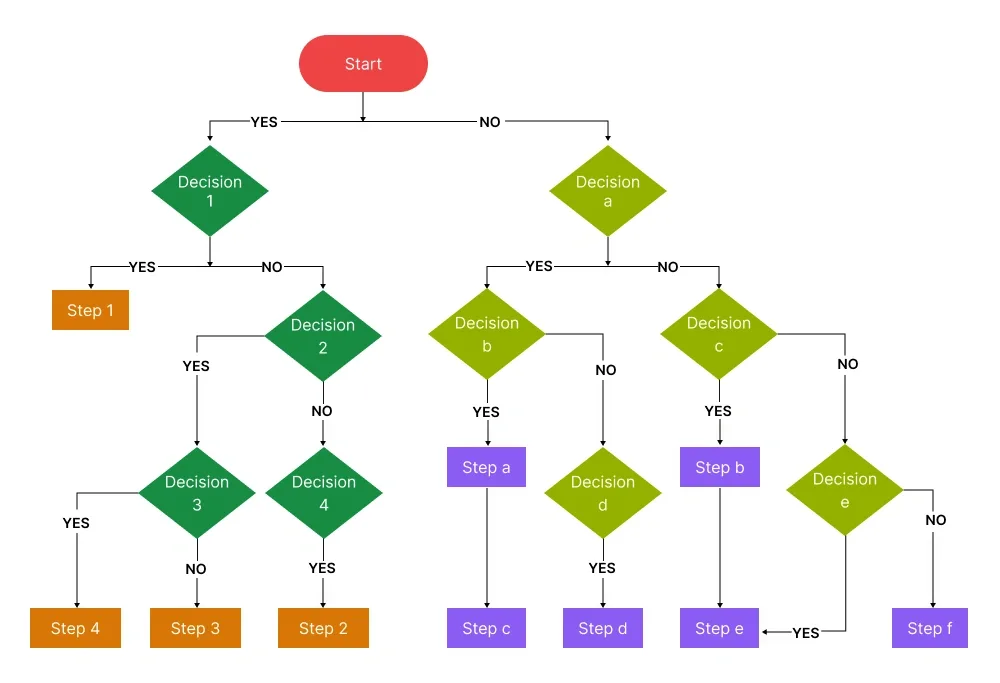
The answer depends on your specific circumstance. Use this decision tree to find your path.
Situation A: New Arkansas resident getting your first AR license. Fill out the standard application. Check the organ donor box. That is it. Your designation goes into the DFA system and then syncs with the Arkansas Donor Registry.
Situation B: Renewing your Arkansas license online. The renewal portal on the DFA website includes a donor checkbox. If you were already a donor, the box is pre-checked. Double-check it. If you were not, you can add the designation during renewal.
Situation C: Under 18 and want to become a donor. You need a parent or guardian to come with you to the DFA office. The parent signs the consent form. You cannot do this online.
Situation D: Want to remove your donor designation. Arkansas allows revocation at any time before death. You must either submit a written request to the DFA or use the online revocation tool on the ARORA website. Removing the checkmark on a renewal application also works, but only if you catch it.
Situation E: Lost your license and got a replacement. The replacement license should retain your donor status. But confirm by checking the printed heart. If it is missing, ask the DFA clerk to verify your donor record. Mistakes happen.
Step-by-Step: Adding the Donor Designation
Adding the designation is straightforward. Here is the process for the most common scenario: an adult getting a new Arkansas license or renewing in person.
Step 1: Complete the application
Fill out Form MV-2-2 or use the online pre-application at the DFA website. Provide your standard information. Look for the organ donor section.
Step 2: Check the donor box
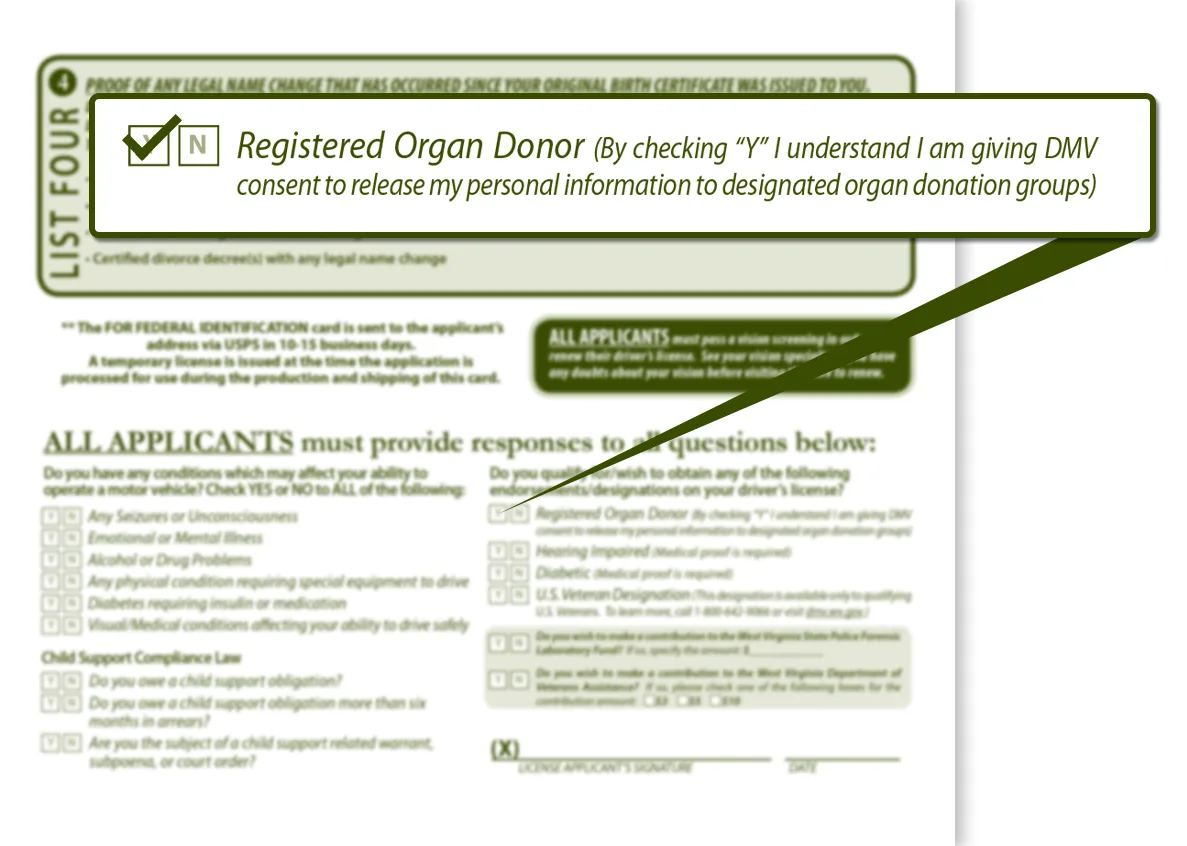
The box reads "I wish to make an anatomical gift" or similar language. Yes, you want that. If you are using the paper form, mark it clearly.
Step 3: Sign
Your signature on the application serves as legal consent. No additional document is needed.
Step 4: Pay the license fee
The standard fee for a class D driver license is $40 for 4 years or $60 for 8 years. There is no extra charge for the donor designation.
Step 5: Receive your license
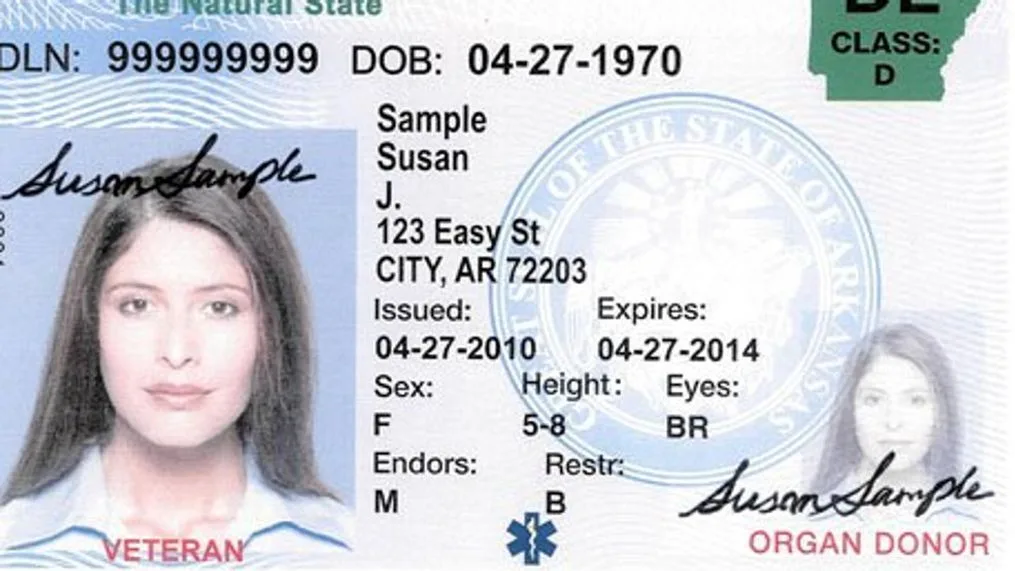
Within 10 business days (or immediately for a temporary paper), you get your new license. The heart symbol will be printed on the front.
Step 6: Verify registry status
You can confirm your registration with the Arkansas Donor Registry at ARORA's website. Enter your DFA customer number and birth date.
For online renewals, the process is the same except you complete all steps on the DFA online portal. The heart will appear on your mailed license. Once you get your license, keep it in good condition.
A damaged license can cause issues at traffic stops or during identification.
Step-by-Step: Removing or Changing Your Donor Status
Changing your mind is allowed. Arkansas law gives you the right to revoke your organ donor designation at any time while you are alive.
To remove online:
Go to the ARORA website. Find the revocation form. Enter your DFA customer number and date of birth.
Confirm the removal. The change takes effect immediately in the statewide registry.
To remove by mail:
Write a signed statement saying you want to revoke your donor designation. Mail it to:
Arkansas Regional Organ Recovery Agency
ATTN: Donor Registry
1100 North University Avenue, Suite 200
Little Rock, AR 72207
To remove in person:
Visit a DFA office. Ask to update your donor status. The clerk will process the change.
You can also simply uncheck the donor box on a new license application.
One warning: removal only takes effect in the registry. Your old license may still show a heart until it expires. If you lose that license and someone finds it, they might assume you are still a donor.
Destroy the old license.
Common Mistakes That Mess Up the Designation
Mistake 1: Assuming it carries over from another state. Your previous donor status does not transfer to Arkansas. You must actively re-designate on your AR application.
Mistake 2: Not telling your family. Your donor designation is legally binding, but family members can still create delays if they object. Have the conversation ahead of time.
Mistake 3: Checking the box for a minor without a parent present. The minor's signature alone is invalid. The parent or guardian must sign in front of a DFA clerk or with a notarized form.
Mistake 4: Expecting the online renewal to auto-select donor status. It does not. You must verify the checkbox is correctly marked. If you were a donor before, it should be pre-checked, but double-check anyway.
Mistake 5: Forgetting to update your registry after a name change. If you marry or legally change your name, your donor designation may not link to your new license. Update your name with the DFA first, then confirm the registry sync.
What Happens After You Designate – The Real Workflow
Once you check that box, the DFA sends your information to the Arkansas Donor Registry within one business day. The registry is operated by ARORA under contract with the state. Your name, date of birth, and DFA customer number are stored.
If you are ever declared dead in a hospital, medical staff check the registry before removing any organs. The designation is binding. Your family cannot override it under Arkansas law.
The system is automated. No manual entry by a clerk. This reduces errors.
But it also means that if your name does not match exactly (for example, a misspelling on your license), the registry may not find you. Check your license for typos.
Costs, Timing, and Paperwork
There is no fee for adding the donor designation. You pay only the standard license fee.
| License Type | Duration | Cost |
|---|---|---|
| Class D (standard) | 4 years | $40 |
| Class D (standard) | 8 years | $60 |
| Commercial | 5 years | $50 |
| Motorcycle | 4 years | $40 |
Processing time for a new license is 10 business days. Online renewals process immediately, and the new license arrives by mail in 7 to 10 days.
Paperwork required:
- Completed Form MV-2-2 (or online pre-application)
- Proof of identity (birth certificate, passport)
- Proof of residency (utility bill, lease)
- Social Security number
- Parental consent form (if under 18)
Real Scenarios: How the Decision Tree Plays Out
Scenario 1: Teen in Little Rock. A 17-year-old visits the DFA with her mother. The mother signs the consent form. The teen receives her license with a heart within two weeks.
She tells her parents about her choice. She also adds a note to her phone's medical ID.
Scenario 2: Out-of-state move from Texas. A driver moves to Fayetteville. He surrenders his Texas license. On the Arkansas application, he checks the donor box.
He also registers separately on the ARORA website to confirm. His donor status is now active in Arkansas.
Scenario 3: Change of heart. A 45-year-old woman decides to remove her designation. She uses the ARORA online revocation tool. The change takes effect immediately.
She cuts up her old license and gets a new one without the heart at her next renewal.
Each scenario requires a specific action. Just like knowing the right Recommended Psi For Washing Cars prevents damage, following the correct donor steps prevents errors.
Expert Tips for Arkansas Drivers
Tell your family. The most important step. Even though the law backs you, a surprised family can cause emotional delays. Have a calm conversation.
Check your license for typos. A misspelled name can break the registry link. If you see an error, correct it immediately at a DFA office.
Keep a digital copy. Take a photo of both sides of your license. Store it securely. This helps if you lose your license and need to verify your donor status.
Update your medical ID. On your phone's lock screen or medical ID app, note that you are an organ donor. First responders can see this even without your license.
Renew on time. Your donor designation is tied to your license. If your license expires, the registry still holds your designation, but a valid license makes everything smoother.
Store your license safely. A clean, readable license is important. Similarly, using the Perfextion Car Wash Shampoo In Foaming Gun keeps your car looking its best.
Safety, Legal, and Compliance Cheat Sheet
| Rule | Detail |
|---|---|
| Legal authority | Arkansas Uniform Anatomical Gift Act (UAGA) |
| State code | Arkansas Code §20-17-601 et seq. |
| Enforcing agency | Arkansas DFA Motor Vehicle Division |
| Registry operator | ARORA (Arkansas Regional Organ Recovery Agency) |
| Age of consent | 18 (minors require parent/guardian co-sign) |
| Revocation allowed | Anytime before death |
| Family override prohibited | Yes, by law |
| Cost to designate | $0 |
The DFA official website and the ARORA website are the only authoritative sources for this process. Third-party sites may have outdated information.
Decision Guide: Your Next Step Based on Your Situation
| If you are… | Your next step is… |
|---|---|
| A new AR resident getting a license | Check the donor box on the application |
| Renewing online | Verify the donor checkbox is correct |
| Under 18 | Go to DFA with a parent or guardian |
| Removing your designation | Use ARORA online revocation or mail a written request |
| Replacing a lost license | Confirm the heart is on the new license |
| Changing your name | Update name with DFA, then confirm registry sync |
Use this guide to take action. For more car ownership resources, visit our Blog.
Frequently Asked Questions
Does the organ donor designation on my Arkansas license expire?
No. The designation does not expire. It remains active until you revoke it, even if your license itself expires.
When you renew your license, your donor status carries forward unless you uncheck the box.
Can my family override my donor decision after I die?
No. Under Arkansas law, your donor designation is legally binding. Your family cannot reverse it.
However, having a conversation with them beforehand helps prevent emotional confusion.
Do I have to pay extra to be an organ donor on my license?
No. There is no additional fee. The donor designation is included at no cost when you apply for or renew your driver license or state ID.
Can I add the donor designation online?
Yes, if you are renewing your license online through the DFA portal. The donor checkbox appears during the renewal process. You can also register directly with the Arkansas Donor Registry on the ARORA website.
What happens if I move out of Arkansas?
Your Arkansas donor designation stays in the registry. But your new state of residence will have its own registry. You need to re-register as a donor when you get a driver license in your new state.
How do I check if I am already registered as a donor?
Visit the ARORA website. Enter your DFA customer number and date of birth. The site will show your current donor status.
You can also check by looking at your license for the heart symbol.