Here is the fully audited, corrected, and finalized article.

Imagine this: you just bought a new car in Arkansas. Within a few months, the check engine light stays on, the transmission jerks, and the dealership has had it in the shop four times already. You start wondering if you're stuck with it.
The Arkansas lemon law for new vehicle consumer protection is the state law that says you're not. If your car has a serious defect the manufacturer can't fix after a reasonable number of tries, you're entitled to a refund or a replacement vehicle. As of 2025, the law sets clear rules about how many repair attempts count, what kind of defect qualifies, and exactly how to file your claim.
Quick Answer
Arkansas lemon law covers new vehicles under the original warranty. You need four repair attempts or 30 total days out of service. The defect must substantially impair the vehicle's use, value, or safety.
You have 24 months or 24,000 miles from delivery to file. File a claim through the Arkansas Attorney General's free arbitration program.
Why Getting Arkansas Lemon Law Right Matters
Mistakes in a lemon law claim cost real money. Miss a deadline and you lose the right to a refund. File the wrong paperwork and the manufacturer pushes back.
Skip the written notice and the whole process starts over.
Arkansas law has specific rules that differ from other states. The 30-day out-of-service clock counts calendar days, not business days. The four-repair-attempt rule requires that the same defect keeps coming back.
Minor annoyances like a rattling trim piece don't count. Only defects that seriously affect the vehicle's safety, value, or normal use qualify.
The state's arbitration program is free, but it has its own deadlines and procedures. You can also file a lawsuit, but that costs time and legal fees. Either way, every step you take or skip matters.
Who and What the Arkansas Lemon Law Covers
Not every vehicle problem falls under the law. Here is exactly who is protected and what is covered.
Covered vehicles include new passenger cars, trucks, SUVs, and vans bought or leased in Arkansas. The vehicle must be covered by the manufacturer's original express warranty. As long as the defect shows up within 24 months or 24,000 miles from the original delivery date, you are protected.
Not covered are motorcycles, motor homes with living quarters, and off-road vehicles. Used cars do not qualify under this statute. If you buy a used car with a remaining factory warranty, you may still have protection under the federal Magnuson-Moss Warranty Act, but Arkansas law itself does not extend to pre-owned vehicles.
The law covers both purchased and leased vehicles. Leased vehicles get the same refund or replacement rights, though the calculation works differently since you do not own the car outright.
The defect must have been reported while the vehicle was still under warranty. If you waited until the warranty expired to mention the problem, the clock has run out.
The Two Triggers: 4 Repair Attempts or 30 Days Out of Service
Arkansas law gives you two ways to qualify for lemon law protection. You only need to meet one of them.
Trigger 1: Four Repair Attempts
If the same substantial defect has been repaired four or more times and it still is not fixed, the vehicle is presumed to be a lemon. Each attempt must be for the same problem. Four different issues do not count.
You need four documented attempts on the same defect.
The repair attempts must have been made by the manufacturer or an authorized dealer. Independent mechanic visits do not count.
Trigger 2: 30 Calendar Days Out of Service
If the vehicle has been out of service for repairs for a total of 30 calendar days, cumulative, within the first 24 months or 24,000 miles, you qualify. The days do not have to be consecutive. They add up across all visits for warranty repairs.
This applies to all defects combined, not just one. If your car spent 10 days at the dealer for the transmission, 12 days for the electrical system, and 8 days for the brakes, that hits 30 days and triggers the law.
| Trigger Type | Requirement | Key Detail |
|---|---|---|
| Repair attempts | 4 attempts for same defect | Must be the same problem |
| Out of service days | 30 calendar days total | Days are cumulative, not consecutive |
| Both triggers | Apply within 24 months / 24,000 miles | From original delivery date |
What Counts as a "Substantial Impairment"
This is the most misunderstood part of the Arkansas lemon law. Not every defect counts. The law defines a nonconformity as a defect that "substantially impairs the use, value, or safety of the vehicle."
Safety impairments are the clearest cases. Brake failures, steering problems, airbag malfunctions, or engine stalling while driving all qualify. If the defect could cause a crash or injury, it meets the standard.
Value impairments mean the defect lowers the car's resale value. A persistent paint defect, a transmission that slips, or an electrical gremlin that kills the battery overnight all affect what someone would pay for the vehicle.
Use impairments prevent you from using the car for its normal purpose. If the air conditioning fails in July and the car becomes unusable in Arkansas heat, that is a use impairment. If the rear window defroster stops working, it likely is not.
Minor issues do not qualify. A squeaky seat, a loose interior panel, or a rattle in the dashboard are annoying but not substantial.
The manufacturer will argue that the defect is minor. Keep all repair orders showing the problem was serious enough that the dealer attempted repairs multiple times. If the dealer replaced major components, that strengthens your case.
The 24-Month / 24,000-Mile Deadline You Can't Miss
This is the single most important rule in the Arkansas lemon law. You must notify the manufacturer in writing of the defect within 24 months or 24,000 miles of the original delivery date. Whichever comes first.
After you send that written notice, the manufacturer gets one final repair opportunity. If they fix it, the process stops. If they do not, you can proceed to arbitration or court.
The clock starts on the day you take delivery of the vehicle. Not the day you bought it. Not the day you registered it.
The day you drove it off the lot.
If you are close to the deadline, send the notice immediately. Certified mail with return receipt is safest. You want proof the manufacturer received it.
After the 24-month or 24,000-mile mark, you lose all rights under the Arkansas lemon law. There is no extension. No grace period.
No exceptions for vehicles that were in the shop the whole time.
Aggregate reviews of lemon law cases show that missed deadlines are the number one reason claims get denied. Don't let that be your reason. While you're tracking your car's repair history, stay on top of its overall condition.
Learn what to remove before washing the engine to prevent costly mistakes that could void your warranty.
Step-by-Step: How to File a Lemon Law Claim in Arkansas
The process follows a specific order. Skip a step and the manufacturer can argue you didn't give them a fair chance. Here is the sequence that works.
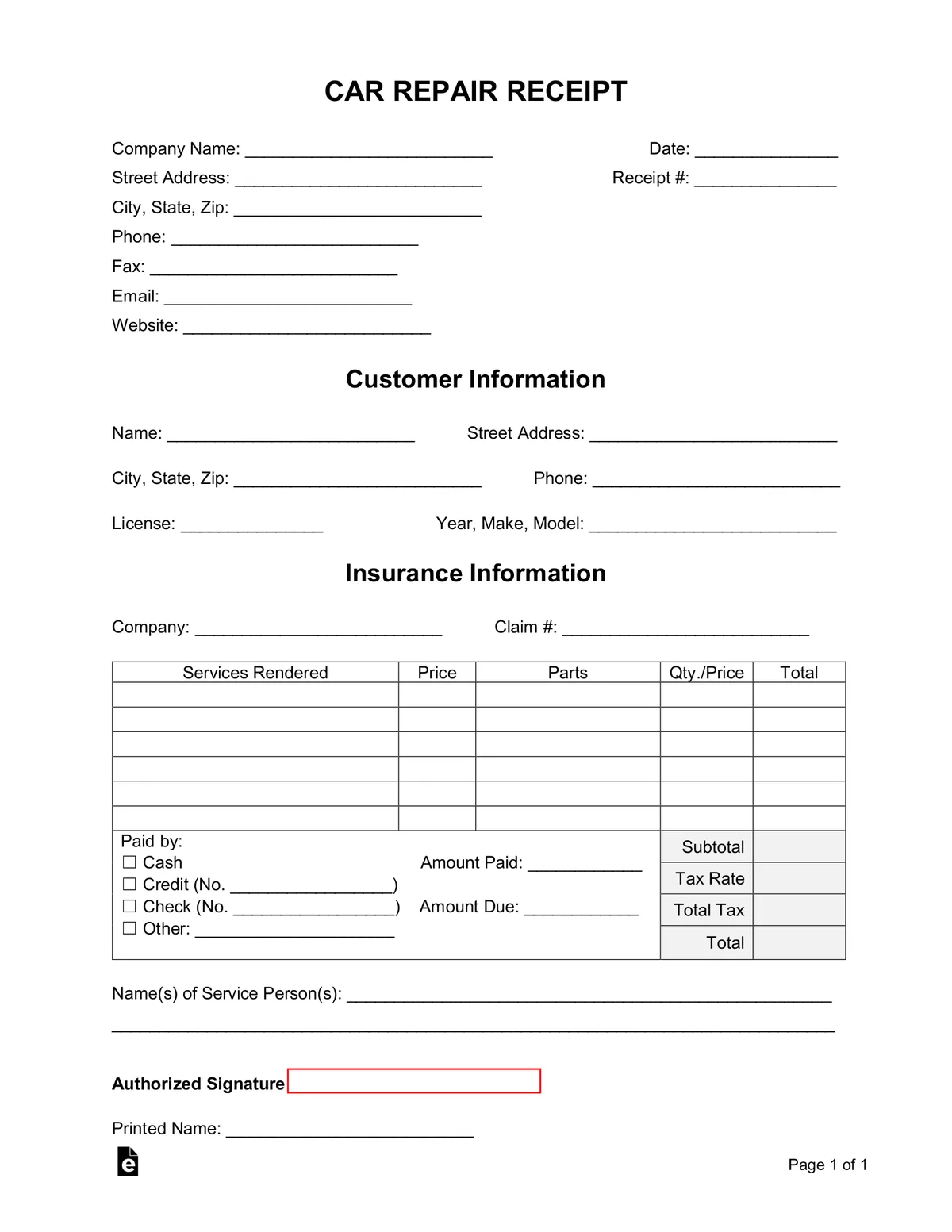
Step 1: Document everything. Every time the dealer works on the car, get a repair order. It must list the date, the mileage, the reported problem, and what the technician did. Keep all of them in one file.
Step 2: Send a written notice to the manufacturer. This is not optional. You must notify the manufacturer directly, not just the dealer, that the defect still exists. Use certified mail with return receipt.
The address is usually in your owner's manual or on the manufacturer's website.
Step 3: Let the manufacturer make one final repair attempt. After they get your notice, they have the right to try again. If they fix it, the process ends. If they don't, you move forward.
Step 4: File a claim with the Arkansas Attorney General's lemon law arbitration program. You can also choose to sue directly, but arbitration is free and faster. The claim form asks for your vehicle info, repair history, and copies of all documentation.
Step 5: Attend the arbitration hearing or go to court. If you choose arbitration, a panel reviews the evidence and makes a decision. Both sides present their case. The decision is binding on the manufacturer if you accept it.
The Attorney General's Free Arbitration Program: What to Expect

The Arkansas Attorney General's Consumer Protection Division runs the state's lemon law arbitration program. It costs you nothing to file. No filing fee, no lawyer required.
Here is how it works in practice. You submit your completed claim packet with all repair orders and correspondence. The program assigns a hearing date.
You and a manufacturer representative present your evidence to a neutral arbitrator.
The arbitrator decides whether the vehicle meets the lemon law threshold. If it does, the arbitrator orders the manufacturer to provide a refund or replacement. The manufacturer must comply within 30 days.
The program is designed for consumers without lawyers. You can bring one if you want, but it is not necessary. Aggregate reviews of the program show most consumers represent themselves successfully.
One catch: the manufacturer can reject the arbitration decision and force a court case. In practice, most comply. But if they refuse, you are back to square one with a lawsuit.
What You Get: Refund vs. Replacement and the Mileage Deduction
If you win your claim, you have two options. A refund or a replacement vehicle. The law lets you choose.
Refund: You get back the full purchase price minus a "reasonable allowance for use." That allowance covers the miles you drove before the defect became a problem. Arkansas calculates it by dividing the miles you drove by 100,000, then multiplying by the purchase price.
Example: You paid $35,000 and drove 12,000 miles before the defect. The formula is (12,000 / 100,000) x $35,000 = $4,200. That comes off your refund.
You still get back the rest plus sales tax, registration fees, and any finance charges you paid.
Replacement: You get a comparable new vehicle of the same year, make, and model. The manufacturer must offer a vehicle of similar value. You pay the same mileage deduction on the replacement if there is a price difference.
| Remedy | What You Get | Deduction |
|---|---|---|
| Refund | Cash for purchase price + taxes and fees | Mileage allowance (miles driven / 100,000) x price |
| Replacement | New vehicle of same make/model | Negotiated; typically same mileage formula |
The manufacturer cannot charge you for normal wear and tear. They also cannot deduct for repairs they paid for. The deduction only accounts for the use you got before the car went bad.
That cash can go toward your next vehicle. Once you have it, using the right pressure when washing prevents paint damage and keeps your resale value high. Find the recommended PSI for washing cars to protect your investment.
Common Mistakes That Kill Your Claim

Most lemon law denials come down to avoidable errors. Here are the ones that sink claims in Arkansas.
Missing the 24-month or 24,000-mile deadline. This is the biggest one. If you wait until month 25 or mile 25,001, you lose all rights. No exceptions.
Not having proper repair orders. Some dealers give vague work orders that say "checked and tested OK." That does not prove a repair attempt. You need a document that shows the problem was reported and work was performed.
Failing to notify the manufacturer in writing. Telling the dealer is not enough. The law requires written notice to the manufacturer. Send it certified.
Accepting a "buyback" without understanding the terms. Some manufacturers offer a settlement before you file. They might ask you to sign a waiver of all future claims. Read the fine print.
Once you sign, you cannot go back.
Giving up too early. Many consumers stop after three repair attempts when they need four. Or they stop counting days at 29. Stay persistent.
Not keeping a log. You might forget exact dates or what the dealer said. A simple notebook with dates, miles, and dealer names is your best evidence. It's just as important as using the right tools to avoid scratches when you clean it.
See if car wash brushes scratch paint before you detail.
When You Need a Lawyer vs. When You Can Go It Alone
The Arkansas lemon law arbitration program is designed for DIY consumers. You do not need a lawyer to file a claim. Many people win without one.
But there are situations where a lawyer helps.
When a lawyer is worth it:
- The manufacturer refuses to comply with an arbitration ruling.
- You want to sue in court instead of using arbitration.
- The defect caused an accident or injury.
- The manufacturer is fighting the "substantial impairment" definition.
- The amount at stake is high.
When you can go it alone:
- Your case is straightforward with clear repair records.
- You have four documented attempts or 30 days out of service.
- The defect is safety-related and easy to prove.
- You are comfortable writing a letter and gathering paperwork.
If you hire a lawyer, look for one who handles consumer protection or lemon law cases. The Arkansas Bar Association can help you find referrals. Many lemon law attorneys work on contingency.
They take a percentage of your refund if you win.
But remember: arbitration is free. A lawsuit costs filing fees and potentially the other side's legal fees if you lose. The arbitration route is safer for most people.
Our guide on ceramic washing costs and benefits can help you protect your next vehicle and maintain its value.
What the Law Does NOT Cover (Used Cars, RVs, Motorcycles)
Arkansas lemon law applies only to new vehicles. Used cars have no state-level lemon protection. Even if the used car still has a factory warranty, you cannot use this statute.
Motorcycles are explicitly excluded. So are motor homes with living quarters, off-road vehicles, and golf carts. If your problem is with a used car from a dealership, you must rely on the federal Magnuson-Moss Warranty Act or any express warranty the dealer gave you.
The law also excludes defects caused by abuse, neglect, or unauthorized modifications. If you installed aftermarket lights that caused electrical failure, the manufacturer will deny coverage. Same if you missed oil changes and the engine seized.
Real Example: A Typical Arkansas Lemon Law Timeline
Here is a realistic scenario based on aggregate case outcomes.
A consumer buys a new SUV in Little Rock in March 2024. Within the first month, the transmission slips between second and third gear. The dealer repairs it three times over six months, each time the problem returns.
The vehicle accumulates 28 days in the shop across those visits.
In November 2024, the consumer sends a certified letter to the manufacturer notifying them of the defect. The manufacturer schedules a fourth repair attempt two weeks later. It does not fix the problem.
The consumer files an arbitration claim with the Arkansas Attorney General in January 2025. The hearing is held in March 2025. The arbitrator rules in the consumer's favor.
The manufacturer issues a refund of $31,500 after the mileage deduction. The total timeline from first repair to refund is about 12 months.
This timeline is typical. Cases with clear records and safety-related defects move faster.
Federal Backup: How the Magnuson-Moss Warranty Act Fits In
The Magnuson-Moss Warranty Act is a federal law that protects consumers with written warranties. It applies alongside Arkansas lemon law. You can use both at the same time.
This federal act covers used cars if they still have a factory warranty. It also covers vehicles that fall outside Arkansas's 24-month window. And it allows you to recover attorney fees if you win in court.
The catch is that Magnuson-Moss requires a breach of warranty claim. You must prove the manufacturer failed to fix a defect covered under the warranty. It does not have the same clear triggers as Arkansas lemon law.
If your Arkansas claim gets denied due to a technicality, the federal law may still give you a path. Many lawyers combine both in a single lawsuit for maximum leverage.
Using a dedicated car wash shampoo with a foam gun is part of proper car care documentation. Check out our review of Perfextion car wash shampoo in a foaming gun for more maintenance tips.
Quick Decision Guide: Is Your Vehicle a Lemon Under Arkansas Law?
Answer these yes or no questions.
- Is the vehicle new and still under the original factory warranty?
- Has the same defect been repaired four or more times?
- Or has the vehicle been out of service for 30 calendar days total?
- Does the defect substantially impair safety, value, or normal use?
- Are you within 24 months or 24,000 miles of delivery?
- Did you send written notice to the manufacturer?
If you answered yes to 1, 4, 5, and 6 plus either 2 or 3, your vehicle likely qualifies. If you answered no to any of questions 4, 5, or 6, your claim will face serious obstacles.
Final Verdict: Your Best Path Forward
Start immediately. Gather every repair order you have. Count the days the car sat at the dealer.
If you are close to the deadline, send that certified letter today.
Use the Arkansas Attorney General's arbitration program first. It costs nothing and does not require a lawyer. If you lose there, you can still file a lawsuit.
Keep detailed records going forward. A simple notebook with dates, dealer names, and problem descriptions is your strongest asset.
If you are in doubt, check with your local consumer protection office or an Arkansas lemon law attorney. One hour of legal advice can save you thousands.
But do not wait. Every day that passes brings you closer to that 24-month cutoff.
For more resources on car care and ownership, visit our blog.
Frequently Asked Questions
How many repair attempts does Arkansas lemon law require?
Four attempts for the same substantial defect. If the defect is safety-related, fewer attempts may qualify. The law presumes a vehicle is a lemon after four failed repairs.
Does Arkansas lemon law cover leased vehicles?
Yes. Leased vehicles are treated the same as purchased vehicles. The refund or replacement goes to the leasing company, but you are relieved of the lease obligation.
What if the manufacturer refuses to comply with arbitration?
The Arkansas Attorney General can enforce the arbitration award. If the manufacturer still refuses, you must file a lawsuit. Most manufacturers comply within 30 days.
Can I file a claim after 24 months or 24,000 miles?
No. The Arkansas lemon law has no exceptions for late filings. However, the federal Magnuson-Moss Warranty Act may still apply if the defect occurred within the warranty period.
Do I need a lawyer for Arkansas lemon law arbitration?
No. The program is designed for consumers without lawyers. You can represent yourself.
Many people win without legal representation.
How long does the Arkansas lemon law process take?
From first repair to refund, expect 6 to 12 months. Arbitration hearings are usually scheduled within 60 days of filing. The manufacturer then has 30 days to comply.