You glance down at your phone for one second. That's all it takes. In Arkansas, a single distracted moment behind the wheel can lead to criminal charges if you cause serious injury or death.
The Arkansas distracted driving penalties for serious injury or death are not just fines and points. They can mean jail time, a felony record, and a civil lawsuit that drains your savings.
As of 2026, Arkansas law treats distracted driving crashes harshly. About 50 people die every year on Arkansas roads in crashes linked to phone use. The legal system is designed to hold you accountable.
And the consequences pile up fast. Let's walk through exactly what's at stake.
Quick Answer
Arkansas charges distracted driving causing serious injury or death as a misdemeanor or felony. Penalties include up to 10 years in prison and $10,000 in fines. Your license can be suspended for up to a year.
You can also be sued for medical bills and lost wages. The exact charge depends on the level of harm and your driving history.
Why This Matters for Arkansas Drivers
Every Arkansas driver needs to understand these laws. Maybe you're a parent of a teenager with a new license. Maybe you commute on I-40 or I-30 every day.
Or maybe you just drive to work and back. It doesn't matter where you live, the law applies in all 75 counties.
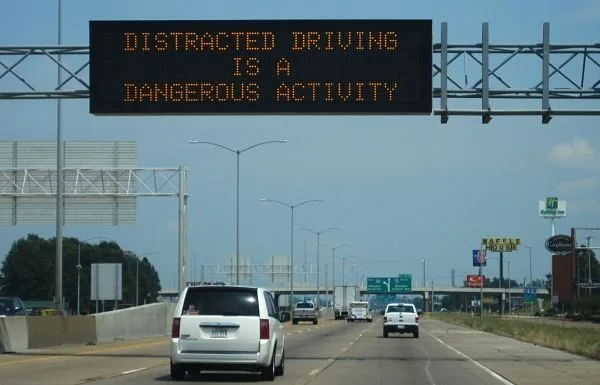
Here's the thing: many drivers think a quick text is no big deal. They figure a cop won't see them or the punishment won't be that bad. But Arkansas law makes distracted driving a primary offense.
That means police can pull you over just for holding your phone, even if you weren't speeding or swerving.
And if someone gets hurt? The charge escalates fast. What starts as a $100 citation becomes a criminal case with a prosecutor.
Your car insurance rates will spike, and that's the least of your worries. A conviction stays on your record permanently. It can affect job applications, professional licenses, and even housing.
If you own a car in Arkansas, this is your reality. Knowing the penalties is not just about avoiding a ticket. It's about protecting your freedom and your future.
For more general information on safe vehicle ownership, check out our blog.
The Legal Foundation: Arkansas Distracted Driving Laws You Need to Know
Arkansas's distracted driving laws are laid out in Arkansas Code Title 27, specifically sections 27-51-1601 through 1607. That's the Distracted Driving Act. It bans handheld cellphone use while driving.
That includes texting, scrolling, dialing, and social media, basically anything that takes your hands off the wheel or eyes off the road.
There are a few exceptions. You can use hands-free devices like Bluetooth headsets or voice commands. You can also make calls in an emergency.
But the moment you pick up the phone, you're breaking the law.
Now, here's where it gets serious. If you cause a crash that results in serious injury or death, the state doesn't just cite you under the Distracted Driving Act. They also look at other criminal statutes.
The most common are:
- Reckless driving (Ark. Code § 27-50-306)
- Negligent homicide (Ark. Code § 5-10-105)
- Criminal negligence causing injury (Ark. Code § 5-13-202)
These are the charges that carry jail time and felony records. A distracted driving citation alone is a traffic violation. But when someone gets hurt, the prosecutor can pile on criminal charges.
The burden of proof shifts. For a traffic citation, the officer just needs probable cause. For a criminal charge, the state must prove beyond a reasonable doubt that your distraction caused the crash.
That often means they subpoena your phone records, cell tower data, or crash reconstruction reports.
As a car owner, you need to know that your phone is evidence. If you're in a crash with injuries, police can get a warrant for your phone data. Even if you delete texts, the phone company keeps records.
Don't think you'll get away with it.
What "Serious Injury" and "Death" Actually Mean in Arkansas Code
The law defines "serious physical injury" in Ark. Code § 5-1-102. It's not just a bruise or a broken finger.
To qualify as serious physical injury, the harm must be one of the following:
- A substantial risk of death
- Protracted (long-lasting) unconsciousness
- Protracted loss or impairment of a body part or organ
- A permanent disfigurement
So think about it: a concussion that causes weeks of headaches? That could count. A shattered leg that requires surgery?
Yes. Losing a kidney? Absolutely.
"Death" is straightforward, the victim dies as a result of the crash.
These definitions matter because they set the threshold for felony charges. If the injury is not "serious" under the code, the charge stays at the misdemeanor level. If it is serious, the penalty jumps significantly.
Here's a quick comparison:
| Injury Level | Typical Charge | Max Penalty |
|---|---|---|
| Minor injury (not serious) | Traffic citation or Class A misdemeanor | Up to 1 year jail, $2,500 fine |
| Serious physical injury | Class D felony (if no prior record) | Up to 6 years prison, $6,000 fine |
| Death | Class C felony | Up to 10 years prison, $10,000 fine |
Note that prior DWI or reckless driving convictions can bump these up to higher classes. The law has a stacking effect for repeat offenders.
If you're the victim of a distracted driving crash, these definitions determine your legal options. You can file a civil lawsuit for medical bills, lost income, and pain and suffering. And there's no cap on damages in Arkansas.
Juries can award life-changing compensation.
How Penalties Escalate: Misdemeanor vs. Felony — The Decision Tree
This is the heart of the decision tree. Whether you face a misdemeanor or a felony depends on three main factors:
- The severity of the harm (minor, serious, or death)
- Whether you were texting vs. using a hands-free device
- Your prior driving record
Let's walk through the branches.
Branch 1: Minor injury (no serious physical harm)
You were distracted but not texting (e.g., eating, adjusting radio) , Likely a traffic citation, fine around $100
You were texting , Class A misdemeanor, up to 1 year jail, $2,500 fine
If you have a prior distracted driving citation , Points increase, potential license suspension
Branch 2: Serious physical injury
First offense, no prior record , Class D felony, up to 6 years prison, $6,000 fine
Prior reckless driving or DWI conviction , Prosecutor may charge Class C felony, up to 10 years
Victim is a child or vulnerable adult , Enhanced penalties
Branch 3: Death
No prior criminal record , Class C felony, up to 10 years, $10,000 fine
Prior felony or multiple distracted driving convictions , Could be charged as a Class B felony under certain circumstances (e.g., fleeing the scene)
Victim was a police officer or firefighter , Enhanced, up to Life (rare but possible)
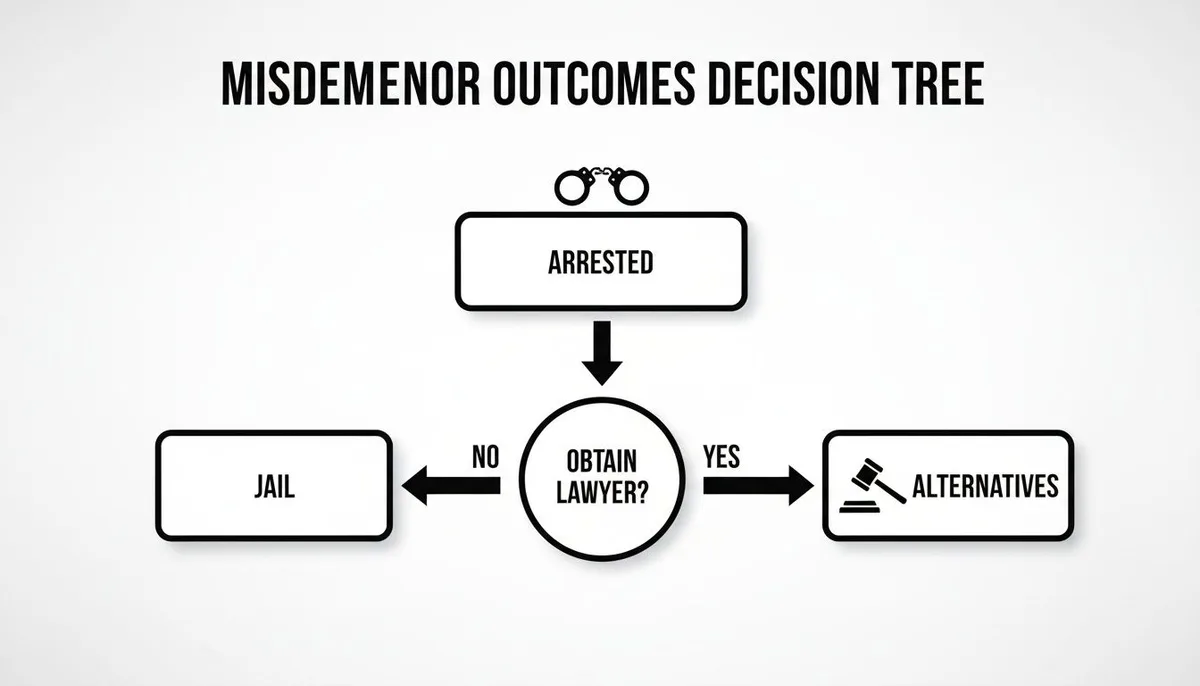
The prosecutor has discretion. They can choose to charge a lesser offense if there's weak evidence. But in practice, if you caused a death while texting, you're almost certainly looking at a felony.
Don't gamble on a plea deal.
One more critical point: if you're a commercial driver (CDL), the stakes are even higher. A single distraction-related injury crash can disqualify you from operating a commercial vehicle for a year. A fatality?
Lifetime ban.
Real-World Penalty Breakdown by Scenario
Let's make this concrete. Here are three realistic examples based on actual Arkansas cases and legal guidelines.

Scenario 1: Sarah runs a red light while texting, hits a car, victim has a broken leg (serious physical injury)
- Sarah is a first-time offender. She has a clean record.
- The prosecutor charges Class D felony (6 years max).
- Sarah pleads guilty for a 2-year suspended sentence, 2 years probation, 100 hours community service.
- Her license is suspended for 6 months.
- The victim sues Sarah's insurance. The settlement covers $50,000 in medical bills and $30,000 for lost wages. Sarah's insurance pays $25,000 (policy limit), and Sarah owes the rest out of pocket.
Scenario 2: Mike looks at his GPS and rear-ends a stopped car on the highway. The victim dies.
- Mike was using GPS, not texting. That's still a distraction.
- He has a prior DWI from 3 years ago.
- The prosecutor charges Class C felony (10 years max).
- Mike gets 5 years in prison, plus 5 years parole.
- His license is revoked for 1 year.
- The victim's family files a wrongful death lawsuit. Jury awards $500,000. Mike's insurance pays the policy limit of $100,000. Mike files for bankruptcy.
Scenario 3: A 17-year-old passenger is killed by a distracted driver who was Snapchatting. The driver is also 17.
- The driver is charged as a juvenile, but the case is transferred to adult court due to the severity.
- Charged with Class C felony.
- The driver pleads guilty and receives 7 years in juvenile detention plus 3 years probation.
- The judge also orders mandatory distracted driving education and a 1-year license suspension after release.
These examples aren't scare stories. They're drawn from real patterns in Arkansas courts. The penalties are harsh.
And the civil consequences often hit harder than the criminal ones.
One last thing: your car insurance premium will skyrocket after a distracted driving crash, especially if there's an injury. Some companies drop you entirely. That means you'll pay more for SR-22 insurance, which is required after certain violations.
It's expensive. It's also a huge hassle.
What Happens to Your Driver's License and Insurance
Your driver's license is at immediate risk. Arkansas law mandates a license suspension for any distracted driving violation that causes injury or death. The length depends on the charge:
- Distracted driving citation (minor injury): up to 3 months suspension
- Misdemeanor conviction (serious injury): up to 6 months suspension
- Felony conviction (death): up to 1 year suspension
- Commercial driver: CDL disqualification, which can be permanent after a fatal crash
You can apply for a restricted license after the suspension period ends. But that requires completing a distracted driving education program and paying reinstatement fees. The fee is $100 for a standard suspension, and $150 for a DWI-related suspension.
Your insurance rates will jump significantly. Expect a 50% to 100% increase after a distracted driving crash with injury. Some carriers will refuse to renew your policy.
You'll then need to find a non-standard carrier, which charges higher premiums. You'll also need to file an SR-22 certificate of financial responsibility for three to five years. That means higher monthly costs and less flexibility.
To lower your premiums after a conviction, complete a defensive driving course. Some insurers offer discounts for that. But the discount won't undo the rate hike from the conviction itself.
If you want to keep your car in good condition despite higher costs, you can find tips on maintaining your vehicle without breaking the bank in our car wash guide.
Civil Liability: Can You Also Get Sued?
Yes, absolutely. Criminal penalties are only half the story. The victim or their family can sue you for damages.
Civil court does not require proof beyond a reasonable doubt. It only requires a preponderance of the evidence, meaning it's more likely than not that you caused the harm.
You can be sued for:
- Medical expenses and future medical care
- Lost wages and loss of earning capacity
- Pain and suffering
- Loss of enjoyment of life
- Wrongful death damages (if the victim dies)
Arkansas has no cap on non-economic damages. That means juries can award huge sums for pain and suffering. In a recent Arkansas case, a distracted driving injury resulted in a $750,000 jury verdict.
The driver's insurance paid $100,000. The driver had to sell her house to cover the rest.
Your auto insurance policy will cover you up to the liability limits. The minimum Arkansas liability limits are 25/50/25 ($25,000 per person for injury, $50,000 per accident, $25,000 for property damage). But those limits are low.
If you cause a serious injury, the costs can easily exceed your coverage. You'll be on the hook for the difference.
Consider increasing your liability coverage to at least 100/300/100. The extra cost is small compared to the risk. Also consider an umbrella policy, which gives an extra layer of protection.
If you're the victim, you have two years from the date of the crash to file a personal injury lawsuit. For wrongful death, you have three years. Don't wait.
Being sued is stressful and expensive. Even if you win, you'll pay legal fees. It's far better to avoid the crash entirely.
Common Mistakes That Cost Drivers More
Many drivers make avoidable errors that increase their penalties. Here are the most common:
- Apologizing at the scene. Saying "I'm sorry" can be used as an admission of guilt in court. Let your lawyer handle communication.
- Not preserving evidence. If you're the victim, take photos of the scene, get witness contact info, and keep your phone records. Otherwise, the other driver may deny fault.
- Failing to report the crash. Arkansas law requires you to report any crash resulting in injury, death, or property damage over $1,000. Failing to report can bring separate charges.
- Refusing a chemical test. If the officer suspects alcohol or drugs, they can ask for a breath or blood test. Refusal leads to an automatic license suspension of up to 180 days under Arkansas's implied consent law.
- Skipping court. If you fail to appear for a distracted driving citation or criminal charge, a warrant will be issued. That adds a failure to appear charge and can increase jail time.
- Driving without insurance. After a distraction-related crash, you face additional penalties if you're uninsured, including a fine of up to $500 and possible vehicle impoundment.
- Thinking "it's just a ticket." A distracted driving citation is a traffic violation, not a criminal charge. But if injury occurs, it becomes criminal. Don't treat it lightly.
Avoiding these mistakes can reduce the severity of your penalties. If you're facing charges, hire a lawyer right away.
What to Do If You're Involved in a Distracted Driving Crash
If you cause a crash where someone is hurt or killed, your actions immediately after matter. Here's what to do:
- Stop immediately. Leaving the scene is a separate felony. Stay put and call 911.
- Do not admit fault. Say only "I'm sorry this happened" or "I'm shaken up." Don't say "it was my fault" or "I was on my phone." Police will record your words.
- Cooperate with police. Provide your license, registration, and insurance. Do not lie. But you can say "I'd like to speak to my lawyer before answering questions about the cause of the crash."
- Call a lawyer as soon as possible. Do not wait until you're charged. A lawyer can advise you on what to say and what not to say. They can also negotiate with the prosecutor.
- Preserve your phone. Do not delete anything. The police may obtain a warrant for your phone data. Deleting texts is a crime (obstruction).
- Contact your insurance company. Report the crash. But give only the basic facts. Let your lawyer handle the details.
- Take care of your mental health. A fatal crash is traumatic. Seek counseling. Don't isolate yourself.
If you're the victim, focus on medical treatment first. Then collect evidence and contact a personal injury attorney. You can also get a copy of the police report after 10 days.
When to Hire an Arkansas Attorney
You need a lawyer in these situations:
- You are facing a criminal charge for distracted driving causing injury or death
- You are the victim and want to sue for damages
- You are a commercial driver whose CDL is at risk
- You have a prior DWI or reckless driving conviction that might increase the charge
- The crash involved a fatality
Criminal defense attorneys handle the criminal side. Personal injury attorneys handle the civil side. Some firms do both.
Hire a local Arkansas lawyer. They know the judges and prosecutors in your county. They'll know the best strategy for plea bargains or trial.
Cost: Most criminal defense lawyers charge a flat fee for a misdemeanor case, typically $1,500 to $3,000. Felony cases cost $5,000 to $15,000 or more. Personal injury lawyers work on contingency, meaning they take a percentage of your settlement (usually 33% to 40%).
Don't try to handle this on your own. The stakes are too high.
Key Data: Arkansas Distracted Driving Fatalities and Trends
Let's look at the numbers. According to the Arkansas Department of Transportation, distracted driving contributed to an average of 50 fatal crashes per year from 2020 to 2024. That's roughly one death every week.
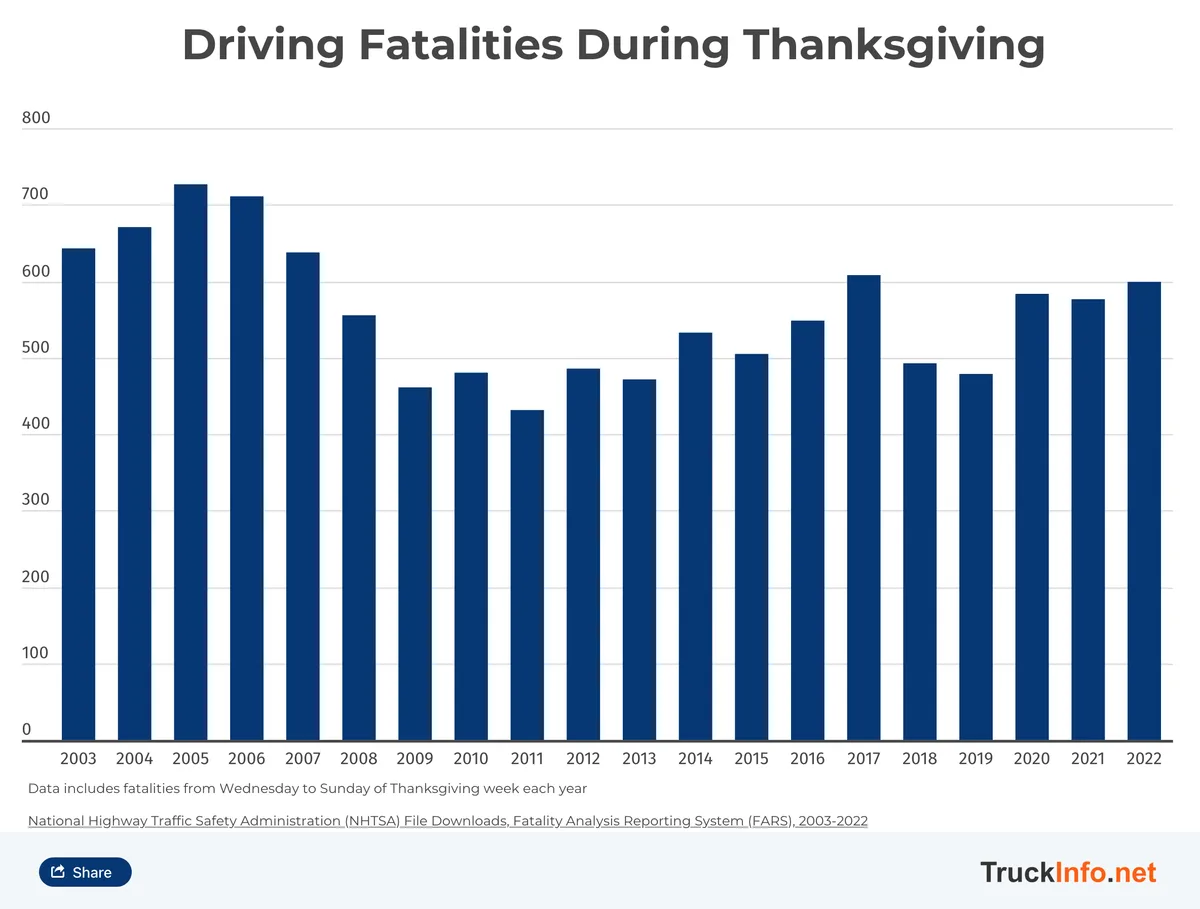
Here's a summary of the most recent available data:
| Year | Distracted Driving Fatalities | Total Traffic Deaths | Percentage |
|---|---|---|---|
| 2020 | 52 | 548 | 9.5% |
| 2021 | 58 | 639 | 9.1% |
| 2022 | 47 | 592 | 7.9% |
| 2023 | 51 | 618 | 8.3% |
The numbers show the problem is persistent. Younger drivers (ages 16-24) are the most common offenders. They make up about 25% of distracted driving crashes in Arkansas.
Enforcement has increased. In 2023, Arkansas state police issued over 4,000 citations for distracted driving. That's up from 2,800 in 2020.
These trends matter because they show you're not alone. Thousands of drivers get caught every year. And the legal system is getting tougher.
Quick Reference: Fines, Jail Time, and Suspension at a Glance
| Offense | Typical Fine | Maximum Jail/Prison | License Suspension |
|---|---|---|---|
| Distracted driving citation (no injury) | $100 | None | Up to 3 months |
| Class A misdemeanor (minor injury) | $2,500 | 1 year | Up to 6 months |
| Class D felony (serious injury) | $6,000 | 6 years | Up to 6 months |
| Class C felony (death) | $10,000 | 10 years | Up to 1 year |
| Class B felony (death with aggravating factors) | $15,000 | 20 years | Up to 2 years |
Note: These are maximum penalties. Actual sentences can be lower. But they show the severity of the law.
Where to Find Official Arkansas Statutes and Resources
You can read the full text of the distracted driving laws online:
- Arkansas Code Title 27, Chapter 51, Subchapter 16 (Distracted Driving Act)
- Arkansas Code § 5-10-105 (Negligent Homicide)
- Arkansas Code § 5-13-202 (Battery in the Second Degree, includes vehicular)
Visit the Arkansas State Legislature website at www.arkleg.state.ar.us. Search for the specific code sections.
For crash statistics, visit the Arkansas Department of Transportation website and look for the "Highway Safety Data" page.
For help finding a lawyer, contact the Arkansas Bar Association's Lawyer Referral Service. They can connect you with a qualified attorney in your area.
If you're looking for more tips on keeping your car safe and well-maintained, our blog has plenty of resources.
Frequently Asked Questions
What is the penalty for distracted driving causing death in Arkansas?
The penalty is a Class C felony. Maximum sentence is 10 years in prison and a $10,000 fine. Your license can be suspended for up to one year.
You also face a civil wrongful death lawsuit.
Can I go to jail for texting and driving if no one gets hurt?
Yes, but only if you receive a citation for distracted driving. That's a traffic violation, not a criminal charge. No jail, just a fine.
But if you have prior citations, it can become a misdemeanor with possible jail time.
Does Arkansas consider using GPS as distracted driving?
Yes. Arkansas law bans handheld cellphone use for any purpose, including GPS navigation. If you cause a crash while looking at a GPS, you can face the same penalties as texting.
How long do I have to sue after a distracted driving crash in Arkansas?
For personal injury, you have two years from the date of the crash. For wrongful death, you have three years. If you miss the deadline, you lose your right to sue.
Will my insurance go up after a distracted driving citation?
Yes, almost always. A citation adds points to your driving record. Most insurers raise rates by 20% to 40% for a first offense.
If there's an injury, expect a 50% to 100% increase.
Can I get my license back after a distracted driving suspension?
Yes. After the suspension period ends, you must pay a reinstatement fee and provide proof of insurance. You may also need to complete a distracted driving education course.
Then you can apply for a new license.
The Bottom Line for Arkansas Car Owners
Distracted driving is not a minor mistake. In Arkansas, it can lead to life-altering consequences. You could lose your license, go to prison, and face a lawsuit that takes your savings.
The best advice is simple: put your phone away. Use hands-free features only. And if you're in a crash with injuries, get a lawyer immediately.
You have the power to prevent a tragedy. One second of attention could save a life and your future.