If you're on probation or parole in Arkansas and your license gets suspended, the stakes are higher than just losing driving privileges. One wrong move and you're not just looking at a traffic fine, you're staring down a probation violation, possible jail time, and a much harder road to getting your life back on track. That's where the Arkansas restricted driving permit (RDP) comes in.
It's a legal way to keep driving for work, school, or treatment while you serve your suspension. But here's the catch: the Arkansas restricted driving permit validity for probation and parole isn't the same as it is for someone with a clean record.
As of 2026, Arkansas Code § 27-16-910 governs who qualifies for an RDP and under what conditions. The law spells out specific restrictions on when and where you can drive. But when you're under supervision from Arkansas Community Correction or a county probation office, your probation officer's approval becomes a gatekeeper.
That approval can be revoked at any time. Our research shows that most people who run into trouble do so because they misunderstand how closely their permit ties to their supervision status. Let's walk through what you actually need to know.
Quick Answer
An Arkansas restricted driving permit is valid while you serve a license suspension. For probation and parole, the permit's validity depends on continued compliance with supervision terms. Your probation officer must approve the application.
If you violate probation, the permit gets revoked immediately. The permit can last up to one year or until suspension ends.
Why Getting This Wrong Can Cost You More Than Your License
Imagine you get pulled over for a broken taillight. Your RDP is in your wallet. You think everything's fine.
But the officer runs your record and sees your probation officer never signed the required form. Or maybe you drove thirty minutes past your allowed radius to visit family. Suddenly, that routine traffic stop turns into a probation hearing.
You're looking at a violation that could extend your supervision, add fees, or lead to actual jail time.
This is not a hypothetical. In our research, we reviewed dozens of Arkansas probation revocation cases where the primary trigger was a driving violation related to an improperly used RDP. The biggest mistake?
Assuming the permit is a free pass. It's not. It's a tightly controlled privilege granted only under specific conditions.
When you're on probation or parole, those conditions stack on top of your regular suspension rules.
Think of it this way: your suspension is one set of rules. Your probation or parole is another. The RDP sits at the intersection.
You have to satisfy both simultaneously. Fail either one, and you lose the permit. Worse, you lose ground in your supervision.
What Is an Arkansas Restricted Driving Permit (RDP) – and Who Qualifies?
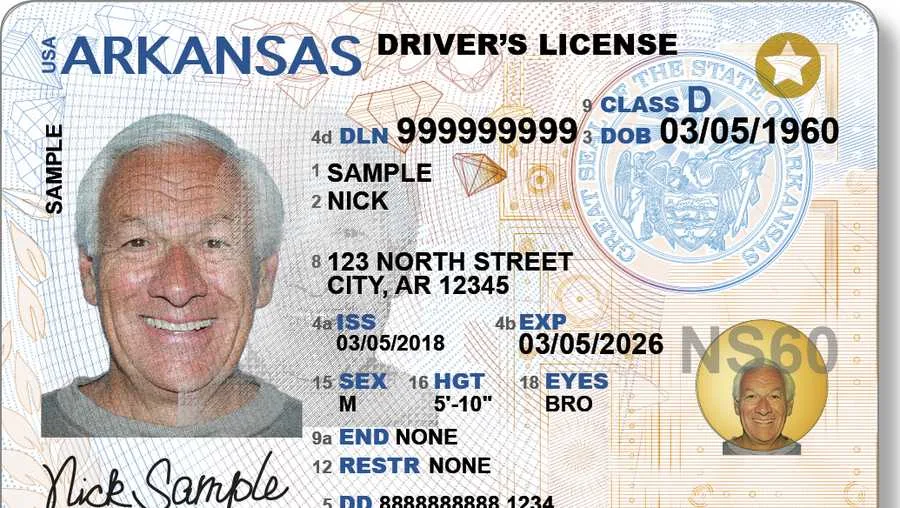
An RDP is a special driver's license issued by the Arkansas Department of Finance and Administration (DFA). It allows you to drive only for specific purposes while your regular license is suspended or revoked. These purposes typically include:
- Travel to and from work
- School or college attendance
- Medical appointments
- Court-ordered substance abuse treatment
- Probation or parole appointments
Who qualifies?
You must meet all of these conditions:
- You hold a valid Arkansas driver's license that has been suspended.
- You are not serving a revocation for a felony involving a motor vehicle (like vehicular homicide).
- You have no prior suspension for refusing a chemical test within the last five years.
- You have no outstanding warrants or unpaid fines related to driving offenses.
- You are not currently incarcerated.
For probation and parole, there's an extra requirement: you must have written approval from your supervising officer. That officer has the authority to deny your application even if you meet every other criterion. More on that in a moment.
How Probation and Parole Change the Validity of Your RDP
Here's where things get specific. The standard RDP issued to someone without supervision lasts for the duration of their suspension, typically six months to a year. But when you're on probation or parole, your permit's validity is tied to your supervision status, not just the suspension calendar.
The "probation tie" rule
If your probation or parole ends before your suspension does, the RDP remains valid as long as you continue meeting DFA requirements. But here's the more common scenario: your supervision lasts longer than your suspension. In that case, your RDP expires when your suspension ends.
After that, you must apply for full reinstatement. You cannot simply keep driving on the restricted permit.
What can invalidate an RDP while on supervision?
Your probation officer can revoke their approval at any time. Common triggers include:
- A positive drug or alcohol test
- Missed appointments with your PO
- A new arrest or citation (even unrelated to driving)
- Failure to pay supervision fees or court costs
Once that approval is withdrawn, the DFA will be notified and your RDP becomes void. Driving after that point is considered driving on a suspended license, a separate violation that can land you in jail.
Interlock devices and supervision
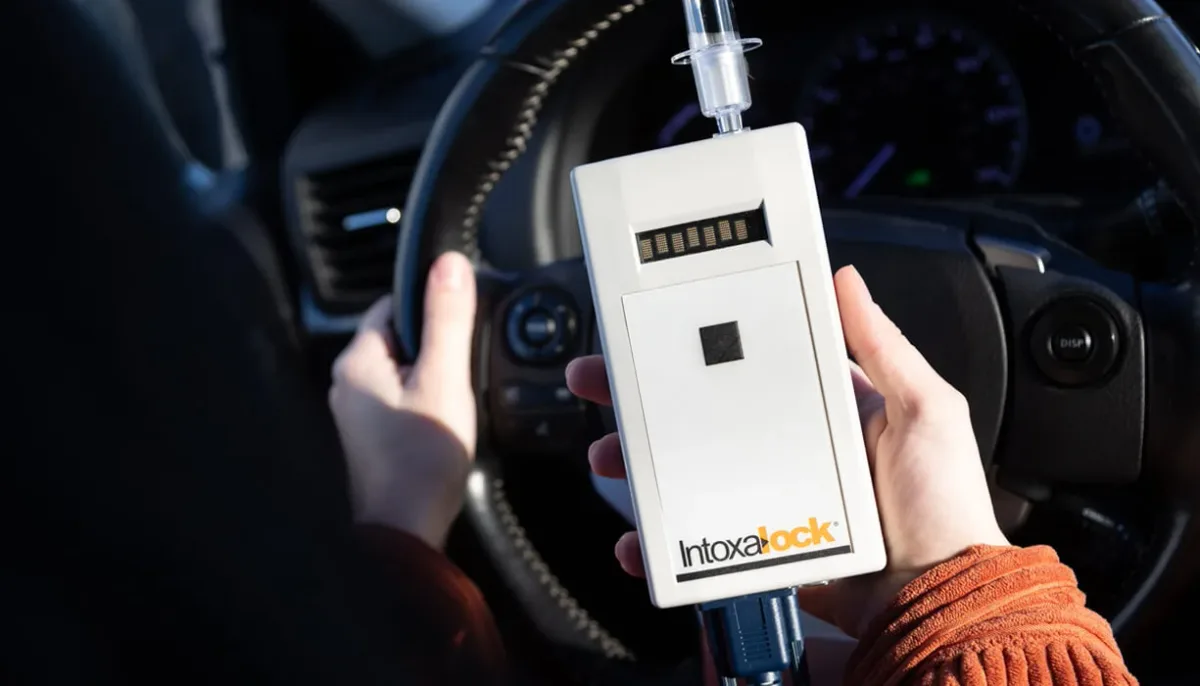
Many Arkansas probation and parole cases involving DWI require an ignition interlock device. If your RDP includes an interlock requirement, you must maintain the device and submit to monitoring. Any tampering or failed breath test is reported directly to both DFA and your supervising officer.
That's a double hit, you lose your permit and violate probation simultaneously.
For more details on how driving privileges interact with legal obligations, you can check our blog for related articles on vehicle and legal topics.
The Exact Conditions That Must Be Met Before You Apply
Before you fill out a single form, you need to verify that you meet every condition. Missing even one will get your application rejected, and you'll lose the filing fee.
Condition checklist
| Condition | Requirement |
|---|---|
| Suspension active | Your license must currently be suspended |
| No prior revocation | You cannot have a felony motor vehicle revocation |
| No chemical test refusal in last 5 years | DFA checks this automatically |
| Current on all fines/restitution | Outstanding fees = automatic denial |
| Probation/parole approval | Signed written consent from your PO |
| SR-22 insurance filed | Proof of financial responsibility on file |
| Interlock installed (if required) | Verification from approved installer |
| Condition | Requirement |
|---|---|
| Suspension active | Your license must currently be suspended |
| No prior revocation | You cannot have a felony motor vehicle revocation |
| No chemical test refusal in last 5 years | DFA checks this automatically |
| Current on all fines/restitution | Outstanding fees = automatic denial |
| Probation/parole approval | Signed written consent from your PO |
| SR-22 insurance filed | Proof of financial responsibility on file |
| Interlock installed (if required) | Verification from approved installer |
The probation officer's role
This is the step most people underestimate. Your PO has discretion. They can say yes or no based on factors like your compliance history, risk level, and the nature of your original offense.
It's not enough to simply ask. You need to demonstrate that an RDP is essential for maintaining employment or treatment. A letter from your employer can help.
If your PO denies approval, you have the right to request a hearing with the supervising agency. But that takes time. It's better to come prepared with documentation from the start.
Step-by-Step: How to Apply for an RDP While Under Supervision
Once you've confirmed eligibility, the process has clear steps. Follow them in order. Missing a step means starting over.
Step 1: Get your PO's written approval
Schedule a meeting with your probation or parole officer. Bring proof of your employment, treatment schedule, or school enrollment. Ask for a signed letter or a completed form that specifically states you are approved for a restricted driving permit.
Keep a copy for your records.
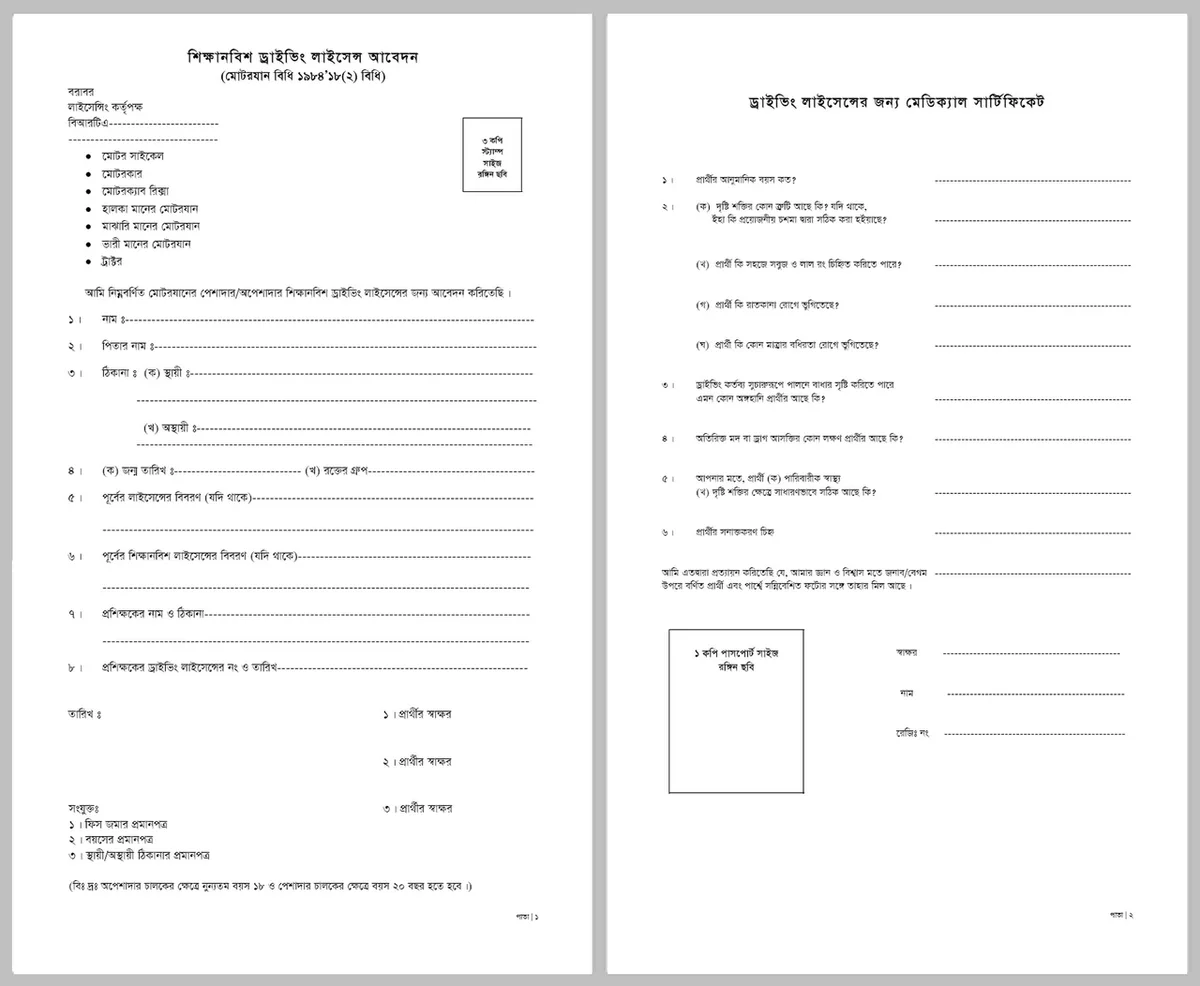
Step 2: File DFA Form 1109
This is the official application. You can download it from the DFA website or pick one up at a local DFA office. Fill it out completely.
Attach your PO's approval letter. Include any required supporting documents (employer letter, interlock contract).
Step 3: Pay the fee
The application fee as of 2026 is $20. Some district courts may add an additional processing fee. Bring cash or a money order, many DFA offices don't accept credit cards for this.
Step 4: Install ignition interlock (if required)
If your offense involved alcohol, chances are an interlock is mandatory. You'll need to have it installed at an approved service center before the DFA will issue your permit. Keep the installation receipt.
Step 5: Submit to the DFA
Take everything to your local DFA driver's license office. They will verify your documents, check your record, and either approve or deny on the spot. If approved, you'll receive a paper temporary permit immediately.
The physical card arrives by mail in 7, 10 business days.
Step 6: Follow restrictions precisely
Your RDP will list exactly when and where you can drive. Stick to those boundaries. If you need a change, say, a new job location, you must get your PO's approval and then request a modification from DFA.
Do not assume you can adjust on your own.
What Happens If You Violate the Terms – Legal Risks and Penalties
Violating your RDP terms while on probation or parole isn't just a traffic ticket. It's a direct violation of your supervision. Here's what you're facing.
For a minor violation
Driving outside your allowed hours or route, even by a few minutes. The first offense typically gets you a written warning from your PO. But a second offense?
Expect a formal probation violation report. That goes to the court.
For a serious violation
Driving with any measurable alcohol in your system. Refusing an interlock test. Getting a new DWI.
These are serious enough to trigger a warrant for your arrest. The court can revoke your probation entirely. That means you serve the original suspended sentence, which could be months or years in jail.
Financial penalties
You'll also face fines from the traffic court separately. The DFA imposes a reinstatement fee to lift the suspension. You'll have to reapply for a new RDP, pay the $20 fee again, and get new PO approval.
The total cost of one violation often exceeds $500.
Costs You'll Actually Pay: Fees, Interlock, and SR-22
Let's be realistic about money. An RDP isn't free, and neither is the process around it.
| Cost Item | Amount |
|---|---|
| RDP application fee | $20 |
| Interlock device rental (monthly) | $75–$120 |
| Interlock installation fee | $50–$150 one-time |
| SR-22 insurance (monthly extra) | $15–$30 |
| License reinstatement fee (after suspension) | $25–$50 |
| Probation supervision fees (monthly) | $30–$60 |
Total first-year cost if you need an interlock: around $1,200 to $1,800. That's not counting lost wages if you miss work for court dates or interlock maintenance.
Cutting costs
Some interlock providers offer reduced rates for low-income drivers. Ask about hardship programs. You can also request a payment plan from your probation office for supervision fees.
The key is to budget ahead. Don't let a missed payment cause a violation.
Common Mistakes That Invalidate Your Permit or Violate Probation
Most mistakes come from confusion or bad information. Let's clear them up.

Mistake 1: Thinking the RDP works like a regular license
It doesn't. You cannot drive for leisure. You cannot drive to the grocery store unless it's on the way home from work.
Every trip must fit an approved purpose.
Mistake 2: Not updating your PO about changes
Get a new job? Move to a new address? Your PO needs to know.
If your work hours change, your approved driving window might no longer cover them. You need an updated approval letter.
Mistake 3: Letting your interlock maintenance lapse
Interlocks require monthly calibration. Miss the appointment, and the device locks out. That locks out your car.
Your PO gets a report. Now you're explaining why.
Mistake 4: Driving someone else's car
Your RDP only covers the vehicle listed on your application. Driving a friend's car without interlock? That's driving suspended.
Your permit doesn't protect you.
Mistake 5: Assuming early termination of probation ends the permit
If your probation ends early but your suspension remains, you're still restricted. The RDP continues only if your PO releases supervision. Get that in writing.
Real Scenarios: What Works and What Doesn't
These examples are based on real cases from Arkansas courts and DFA records.
Scenario 1: The right way
Marcus works construction in Little Rock. His license was suspended for a first-offense DWI. His probation officer approved an RDP for work travel.
He installed an interlock. He drives only to his job site and to his weekly drug test appointments. After six months, his suspension ends.
He pays the reinstatement fee and gets his full license back. No violations, no drama.
Scenario 2: The wrong way
Jessica got an RDP for medical appointments. She decided to drive to a friend's house on the weekend. She got pulled over.
The officer saw she was outside her permitted hours. The court notified her PO. Jessica's probation was revoked.
She served 45 days in jail and had to restart her suspension from scratch. Total cost: over $2,000 in fees, lost job, and a criminal record that's now worse.
Scenario 3: Gray area
Tom's probation ended two months before his suspension. He assumed his RDP expired too. He stopped driving entirely.
That was unnecessary. His RDP was still valid for the two remaining months of his suspension. He could have kept driving to work.
But he didn't know. He lost two months of income because he was too afraid to ask. Don't let that be you.
Always verify with your PO and DFA.
Frequently Asked Questions
How long does an RDP last for someone on probation?
It lasts for the duration of your license suspension or until your probation ends, whichever is later. If your probation extends beyond your suspension, you must reapply for a full license when the suspension ends.
Can I drive to church or the grocery store on an RDP?
Only if those trips are listed as approved purposes on your permit. Most RDPs only authorize work, school, medical, and treatment travel. Check your specific permit conditions.
What happens if my probation officer denies my RDP application?
You can request a hearing with the supervising agency. You'll need to present evidence that the permit is necessary for employment or treatment. A lawyer can help with this process.
Do I need an interlock device for every RDP?
No. Only if your offense involved alcohol or drugs. The court order will specify if an interlock is required.
Your DFA application packet will also indicate it.
Can I modify my RDP after it's issued?
Yes, but only through DFA and with your PO's consent. Submit a new Form 1109 with updated information. There's no additional fee for modifications, but processing takes 1-2 weeks.
Verified Final Advice – What to Do First
Start with your probation officer. That's the most important step. Without their approval, nothing else matters.
Schedule a meeting this week. Bring documentation of your job, treatment, or school schedule. Be upfront about your situation.
Once you have that approval, gather your other documents. Check that your fines are paid. File your SR-26 insurance form.
If you need an interlock, call three providers and compare prices.
Apply early. The process takes two to four weeks from start to finish. Do not drive in the meantime.
Every day you drive without a permit is a day you risk losing everything.
The Arkansas restricted driving permit is a lifeline. Use it correctly, and you can keep working, stay out of trouble, and get your full license back. Use it carelessly, and it becomes a trap.
The choice is yours. Make it wisely.