ByMax Lee
Guide to No Rinse Car Wash
You're standing in your driveway with a dirty car and no hose. Or maybe you've got a hose, but you're tired of spending 45 minutes on a wash that leaves water spots anyway. That's where a no rinse car wash enters the picture.
It's a method that lets you clean your car using just a bucket of water and some specialized solution, no rinsing required.
This isn't a gimmick. Manufacturer specifications and aggregate user reviews confirm that when done correctly, no rinse washing is safe for your paint. In many cases, it's gentler than traditional methods.
A typical no rinse wash uses about two gallons of water compared to 50 or more with a hose. As of 2026, this approach has become the go-to for apartment dwellers, water-restricted areas, and anyone who values their Saturday afternoon. Let's walk through whether it's right for you and exactly how to do it without turning your paint into a spiderweb of scratches.
Bing (Web (fair-use with source credit))
Is No Rinse Car Wash Actually Safe for Your Paint?
That's the first question everyone asks. The honest answer is more nuanced than a simple yes or no.
The safety of a no rinse wash depends entirely on how you execute it. The products themselves are formulated with polymers that encapsulate dirt particles. Instead of scrubbing grit directly against your clear coat, the solution lifts that dirt into a tiny lubricated bubble.
Your microfiber towel then wipes that bubble away rather than dragging sandpaper across your paint.
Research and verified buyer feedback from thousands of users show that a properly done no rinse wash causes less marring than a traditional bucket wash with a dirty sponge. In a traditional wash, that sponge collects grit and holds it against your paint for the entire job. With no rinse, you're constantly rotating fresh, clean towels that have never touched the dirty surface.
But here's the catch. It's not safe for every situation. If your car is caked in mud from a trail run, no rinse isn't your answer.
Heavy dirt requires a pre-rinse or a different approach entirely.
How Does a No Rinse Wash Actually Work?
The chemistry is straightforward once you understand it.
Bing (Web (fair-use with source credit))
No rinse products contain surfactants and polymers. When you spray or wipe the diluted solution onto your paint, the surfactants break the bond between dirt and the surface. The polymers then surround each particle of grit, creating a slick cushion.
That's the encapsulation process.
Here's what that means in practice:
- The dirt doesn't touch your paint. It floats inside a polymer bubble.
- The lubricated surface allows a microfiber towel to glide. No dragging, no grinding.
- The solution dries clear. Since there's no soap residue, you don't need a rinse step.
The key factor is dilution ratio. Most no rinse concentrates are used at roughly one ounce per gallon of water. That's a very weak mixture.
Using too much product actually reduces lubricity and can leave a film. Using too little means you're wiping with inadequate protection. Getting the ratio right is the single most important variable.
If you're coming from a traditional wash routine, you might be skeptical that something so simple can clean a car. But the chemistry backs it up, and the results from experienced detailers speak for themselves.
Should You Use a No Rinse Wash? (Decision Tree)
This is where we figure out if a no rinse wash is the right move for your specific situation. The answer changes based on a handful of conditions.
How Dirty Is Your Car?
- Light dust or pollen? No rinse is ideal. You're essentially doing a dust-off with extra lubrication.
- Light road grime or light mud spray? No rinse works well. Pre-soak generously and use the right method.
- Caked-on mud or thick dirt? Hard pass. You need a pressure washer or hose rinse first. No rinse cannot handle heavy soil without dragging grit across your paint.
- Bug splatter or tree sap? Spot treat first, then no rinse the rest. The polymers help soften bugs, but you'll want to pre-soak those areas.
What's Your Paint Condition?
- Ceramic coated? No rinse is perfect. The slick surface makes encapsulation even more effective.
- Factory clear coat in good shape? Absolutely fine. Many ceramic coating manufacturers recommend no rinse products for maintenance.
- Soft paint (common on some Japanese and German models)? Proceed with extra care. Soft clear coats mar more easily. Use a higher dilution ratio and lighter pressure.
- Already swirled or scratched? No rinse won't make it worse if done correctly, but you're working with compromised paint. Be extra gentle.
Do You Have Water Restrictions?
If you're in a drought-prone area or under a local watering ban, no rinse is often the only way to wash at home. It's also the best option if you live in an apartment or condo with no access to a hose. Check your local regulations, but in most cases, using two gallons from a bucket is fully compliant.
Are You Washing in Direct Sun?
No rinse actually handles sun better than traditional soap because it doesn't dry as fast. But you still want shade if possible. The polymers can flash dry if the panel is hot, leaving residue that requires a quick buff.
Here's a simple rule of thumb. If you can answer "yes" to at least three of the following, no rinse is a great fit for you:
- My car is lightly to moderately dirty
- I don't have easy hose access
- I'm on a water budget or ban
- I have good quality microfiber towels
- I'm patient enough to work panel by panel
The Key Tools You'll Need
A no rinse wash doesn't require a lot of gear, but the tools you choose matter more than with a traditional wash. Skimp here and you'll regret it.
Essential gear:
| Item | What to look for | Why it matters |
|---|---|---|
| No rinse concentrate | Optimum No Rinse (ONR) is the gold standard. Meguiar's D114 is another solid option. | Cheap brands lack polymer quality and lubricity |
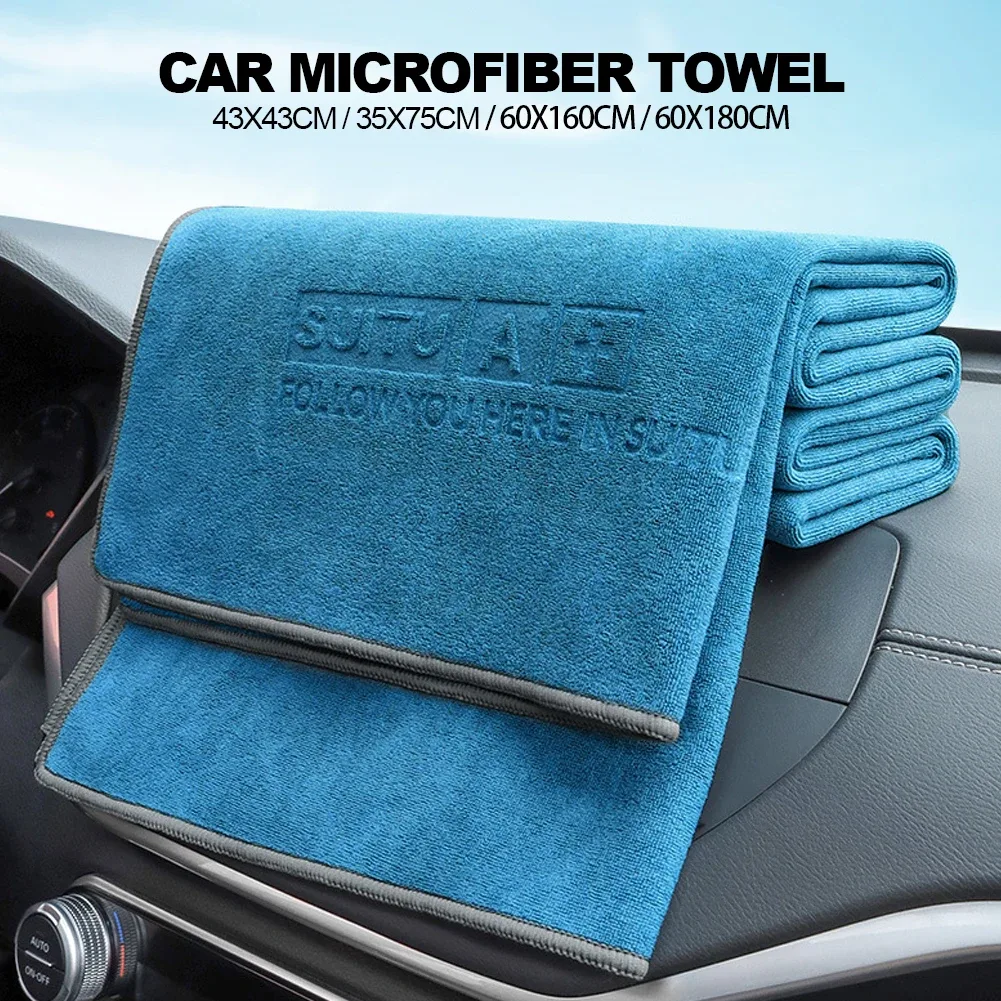
| Microfiber towels | 300-400 GSM, edgeless, plush pile | Rough towels scratch. Cheap towels shed lint |
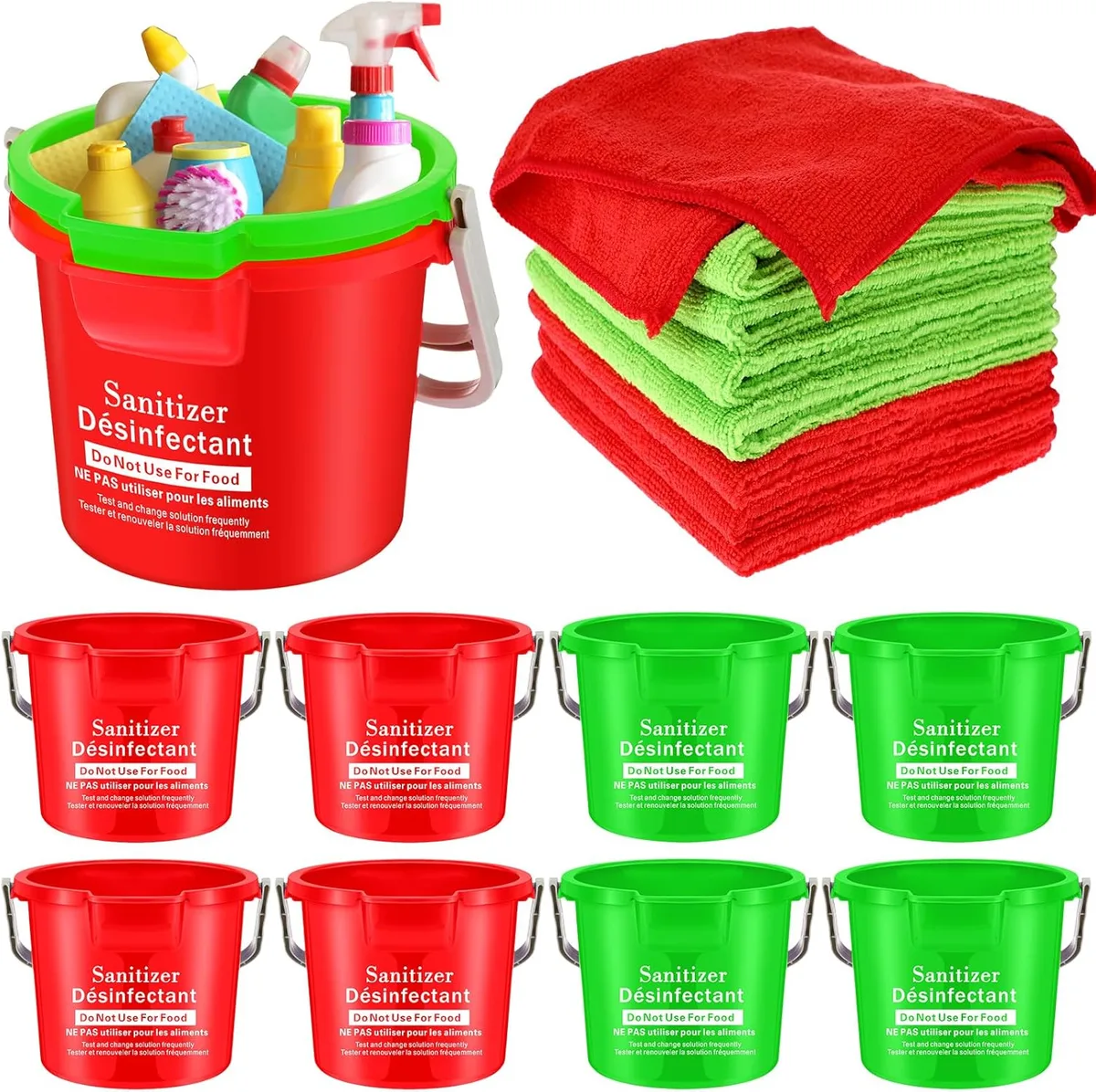
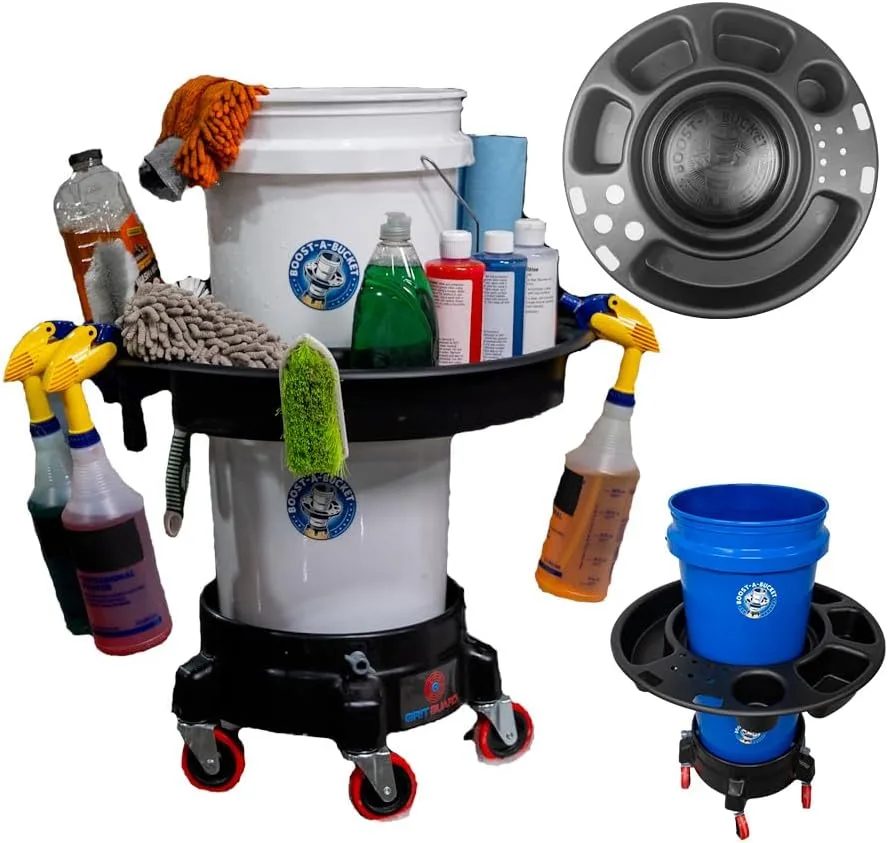
| Bucket | Standard 3-5 gallon with grit guard | Keeps sediment off your wipe towel |
| Spray bottle | Dedicated bottle for pre-soak | Allows even coverage before contact |
Nice to have:
- A second bucket for the Garry Dean method (more on that in a moment)
- A drying towel (500+ GSM waffle weave)
- A quick detailer for spot touch-ups
Do not use old bath towels, cotton rags, or the same microfiber you used for wheel cleaning. If you're unsure about what towels are safe, check our guide on what to wash car rags in for best practices on towel care.
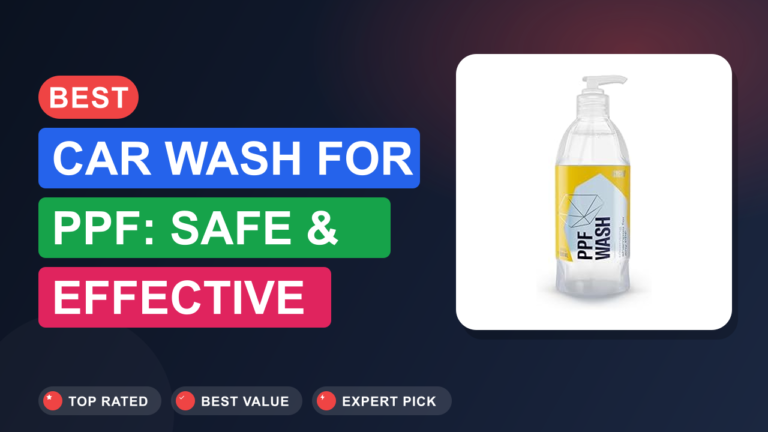
Your choice of no rinse product determines the entire experience. ONR is the most researched and tested product in this category by a wide margin. It's been on the market for over a decade and has a massive user base.
Stick with proven brands when you're starting out.
Step-by-Step: How to Wash a Car with No Rinse (The Right Way)
Now we get to the actual process. This is where most people go wrong, and it's also where you can save yourself from swirl marks.
Bing (Web (fair-use with source credit))
There are two main techniques. I'll explain both, then tell you which one I'd recommend for a beginner.
The Garry Dean Method (Recommended for Beginners)
This method uses many towels but zero bucket water touching your paint.
- Mix your solution. One ounce of no rinse concentrate per gallon of distilled or softened water. Hard water reduces performance, so if your tap water is hard, consider a water softener. We've covered hard water softener for washing car setups if you want to go that route.
- Pre-soak the entire car. Fill your spray bottle with the same solution. Mist each panel lightly before you touch it. Let it dwell for 30 seconds.
- Take 8-10 clean, dry microfiber towels. Fold each into quarters. You now have 32-40 clean faces to work with.
- Spray one panel with pre-soak. Wipe gently with a clean towel face. Use a light drag, not heavy pressure.
- Flip to a fresh face after each pass. Never reuse a face that's touched the dirt.
- Discard used towels into a separate bin. They go straight to the laundry, not back into your wash bucket.
- Dry immediately. Use a clean, dry waffle weave towel on each panel before moving to the next.
The Traditional Bucket Method
Older school, uses fewer towels but requires more care.
- Mix solution in a bucket with a grit guard.
- Pre-soak the car.
- Dip your microfiber wash mitt into the bucket. Wipe a panel.
- Rinse the mitt in a separate bucket of clean water (or squeeze and re-dip into the same bucket if using ONR's guidelines).
- Dry immediately.
The bucket method is fine, but the Garry Dean method gives you more peace of mind because you're never reintroducing dirt into your wash solution. For your first time, go with Garry Dean. It's harder to mess up.
One thing you absolutely must avoid is letting the solution dry on the panel. Work in sections. Do the roof and hood first, then sides, then lower panels.
If you stop for a phone call in the middle, you'll come back to polymer residue that needs a buff.
When No Rinse Is a Bad Idea
Let's be clear about the limitations so you don't learn the hard way.
- Heavy mud or off-road dirt. Don't do it. You need a pressure washer and a high-pressure rinse first. Using no rinse on a muddy car is like wiping your kitchen counter with a dirty sponge.
- Oil or grease stains. No rinse products aren't degreasers. You need a dedicated cleaner for those spots.
- Birds that have been sitting for days. If the droppings have baked on, you need to spot treat with a damp towel or a dedicated bug remover before doing the full wash.
- Very hot panels. If the metal is too hot to touch comfortably, the solution will evaporate before you can wipe it. Wait for cooler conditions or move to shade.
- Using the wrong towels. This is the most common mistake. A scratchy microfiber or a towel with embedded grit from a previous wash will do more damage than a traditional hose wash ever could.
If you're dealing with heavy contamination or you've never washed a car with this method before, start with a lighter touch. You can always do a second pass on a stubborn area. You can't buff out scratches from a careless first attempt.
We've also talked about what happens when you use the wrong cleaning approach in our article on whether dish soap is good for cars. Spoiler: it's not, and the same principle applies here. Stick with products designed for automotive paint.
Common Mistakes That Swirl Your Paint
Even experienced detailers make errors with no rinse washing. Here are the three biggest ones that cause swirl marks.
Wrong Towel Choice
You cannot use an all-purpose microfiber from the hardware store. Those towels are often 200 GSM or lower with rough edges. They feel soft to your hand but abrade clear coat under pressure.
Use only 300-400 GSM edgeless towels designed for paint contact. If you're using a brush instead of a towel, check our analysis on whether car wash brushes scratch paint before you proceed.
Reusing Dirty Water Wrong
The Garry Dean method avoids this problem entirely. But with the bucket method, if you dip a dirty mitt back into your wash bucket, you reintroduce grit into the solution. That grit then gets wiped across your paint.
The fix is simple: use a grit guard in the bottom of your bucket, and rinse your mitt in a separate bucket of clean water before dipping again into the wash solution.
Skipping the Pre-Soak
Some people think they can spray the no rinse solution directly onto a dry panel and wipe immediately. That skips the dwell time needed for encapsulation. Without the pre-soak, you're effectively dry wiping the dirt.
That's a direct path to swirls. Always mist the panel, wait 20-30 seconds, then wipe.
What Type of Car Owner Is This REALLY For?
No rinse washing isn't for everyone. Let's be honest about who benefits most.
Ideal candidates:
- Apartment dwellers without hose access
- People in drought areas or under watering restrictions
- Owners of garage-kept cars that see light dust
- Ceramic-coated car owners looking for maintenance washes
- RV and boat owners dealing with large surfaces
Less ideal candidates:
- Off-road enthusiasts with regularly muddy vehicles
- People with cars parked under trees (heavy sap, bird droppings)
- Anyone unwilling to invest in quality microfiber towels
- Drivers in extremely dusty environments who only wash once a month
If you fall into the ideal group, no rinse will save you time, water, and frustration. If you're in the less ideal group, consider using no rinse for quick touch-ups between traditional washes.
What About the Alternatives? (Waterless vs. Traditional)
Bing (Web (fair-use with source credit))
No rinse isn't the only water-saving option. Here's how it stacks up against the other common methods.
| Method | Water usage | Best for | Risk level |
|---|---|---|---|
| Traditional hose wash | 50-100 gallons | Heavy dirt, full detail | Low if done correctly |
| No rinse wash | 1-2 gallons | Light to moderate dirt | Low with proper technique |
| Waterless wash (spray on, wipe off) | 0 gallons | Very light dust, quick touch-ups | Higher risk on dirty paint |
Waterless wash uses no water at all. You spray a lubricant onto the panel and wipe it off. It's convenient for a quick dust removal, but it's riskier because there's less water volume to encapsulate dirt.
Only use it on cars with very light dust.
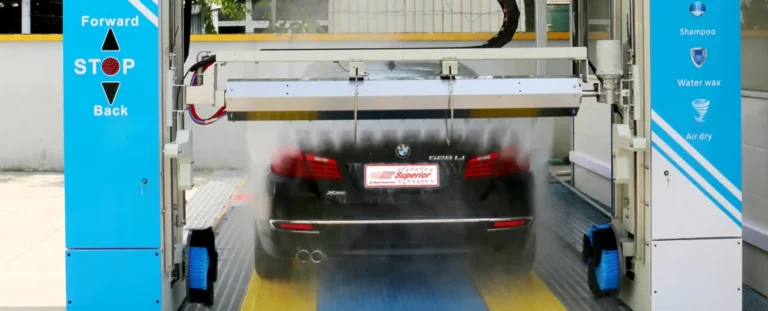
Traditional wash is still the safest method for heavily soiled cars. But it requires a hose, driveway space, and 30-45 minutes.
No rinse hits the sweet spot for most weekly washes. It uses minimal water, works in tight spaces, and is gentle enough for regular use.
If you need a waterless option for spot cleaning between washes, our article on water gun help clean cars covers handheld sprayers that pair well with no rinse solutions.
How Much Does It Cost? (Per Wash Breakdown)
Let's talk numbers. A no rinse wash is cheaper than a traditional wash over time.
- No rinse concentrate (ONR 32 oz): $15-20. At 1 oz per wash, that's about $0.50 per wash. A bottle lasts 32 washes.
- Microfiber towels (12-pack quality): $20-25. They last 30-50 washes with proper care.
- Bucket with grit guard: $15-25 one-time cost.
- Spray bottle: $5-10 one-time cost.
Total per wash (after initial gear): Roughly $0.50-0.75 for the solution plus towel depreciation. Compare that to a drive-through car wash at $10-15 per visit.
The upfront investment for towels and bucket is around $40-60. After that, you're paying pennies per wash. If you already have microfiber towels from other detailing tasks, your cost drops even further.
FAQs People Actually Ask
Can I use no rinse on a ceramic coated car?
Yes. Many ceramic coating manufacturers recommend no rinse products for maintenance. The polymers are safe for coatings and won't strip the hydrophobic layer.
Just avoid wax-heavy no rinse blends if you want to preserve your coating's properties.
Do I need to dry the car after a no rinse wash?
Yes. You don't rinse with water, but you still need to dry. The solution leaves a thin film that should be buffed to a clear finish.
Use a clean waffle weave towel and dry each panel immediately after wiping.
Can I use no rinse in winter?
Yes. This is a major advantage. You can wash your car in a heated garage with just a bucket.
No frozen hoses, no icy driveway. Just make sure the tunnel wash or touchless wash isn't your only option.
Is no rinse safe for matte paint?
Generally yes, but use a product specifically labeled for matte finishes. Matte paint is more porous and can be stained by some polymers. ONR works for matte, but test on an inconspicuous area first.
How often should I wash with no rinse?
As often as you like. Many enthusiasts use no rinse weekly for maintenance and do a deeper traditional wash monthly. The gentle nature of no rinse makes it safe for frequent use.
The Smart Choice for Your Car
No rinse car wash isn't a silver bullet. It's a tool that works brilliantly in the right context and fails in the wrong one. If your car is lightly dirty, you have limited water access, or you want to save time, it's a smart upgrade.
If you're dealing with heavy mud or neglect, stick with a traditional wash.
Start with a quality concentrate like ONR, invest in good microfiber towels, and use the Garry Dean method your first few times. That combination gives you the safest, most consistent results.
For more car care advice, check out our blog where we break down common washing mistakes and product recommendations. Your paint will thank you.