ByMax Lee
Guide to Car Washing Coating
You've seen the videos. The forums are full of guys arguing over wax versus ceramic versus some new graphene stuff. And you're standing in the auto parts aisle with a $40 bottle of something that promises "nine-year protection" but costs less than a tank of gas.
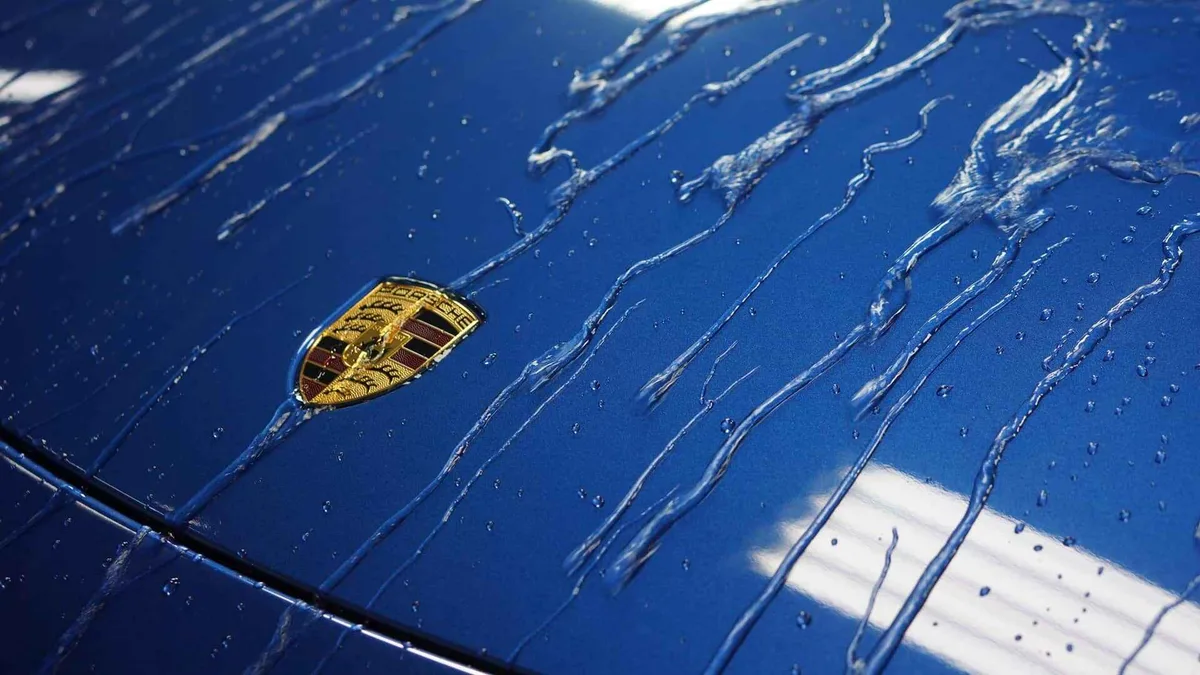
Here's the reality. Car washing coating is the single most overhyped, under-explained purchase in automotive detailing as of 2026. Manufacturer specifications indicate that a true professional-grade ceramic coating (SiO₂-based, applied in a controlled environment) can last 2, 5 years.
But that same "ceramic" label on a $25 spray bottle from a big-box store? Aggregate reviews report it rarely survives 4 months. The difference isn't just price.
It's chemistry, prep work, and cure time. Most people waste money because they buy based on a label instead of their actual driving life. Let's fix that.
Bing (Web (fair-use with source credit))
Think about the last time you waxed your car. Maybe you spent a sunny Saturday afternoon applying paste wax by hand. It looked amazing for a week.
Then after two months and a couple of car washes, the water stopped beading. You had to do it all over again.
That frustration is exactly why people jump to ceramic coatings. But jumping from wax straight to a $1,500 professional ceramic application is like going from a bicycle to a Ferrari: completely different maintenance, different prep, different cost. And if you pick the wrong in-between option (like a spray sealant that claims "ceramic" but isn't), you're still stuck reapplying every few months.
Our research across hundreds of user experiences and manufacturer data sheets shows one clear pattern. The biggest mistake is a mismatch between coating durability and user habits. A person who washes their car every two weeks in a dusty climate needs different protection than someone who runs their car through an automatic wash once a month.
The money you save on a cheap coating evaporates when you have to repurchase it four times a year. The money you spend on an expensive coating is wasted if you don't follow the prep instructions.
We'll walk through each option. What it actually does. How long it truly lasts.
Exactly who should buy it. Then we'll give you a simple way to decide without the marketing noise.
The Four Main Types of Car Washing Coatings
Let's strip away the buzzwords and look at what's really in these bottles. There are four distinct categories. Every product on the shelf falls into one of them, regardless of fancy names like "nano-ceramic hybrid" or "graphene-infused wax."
Bing (Web (fair-use with source credit))
Carnauba Wax – Classic Warmth, Short Life
Carnauba wax comes from the leaves of a Brazilian palm tree. It's the oldest car coating and still loved for one reason: depth and warmth of gloss. A pure carnauba wax gives paint a wet, rich look that synthetics struggle to match.
Here's the trade-off. Real carnauba wax (not a blend with polymers) typically lasts 1, 2 months. The harder the wax (more carnauba content), the longer it lasts, but the harder it is to apply.
Soft paste waxes with high solvent content go on easy but fade fast. If you're a weekend detailing enthusiast who enjoys waxing every few weeks as therapy, carnauba is your choice. For everyone else, it's a beautiful but short-lived commitment.
Synthetic Paint Sealant – The Reliable Daily Driver
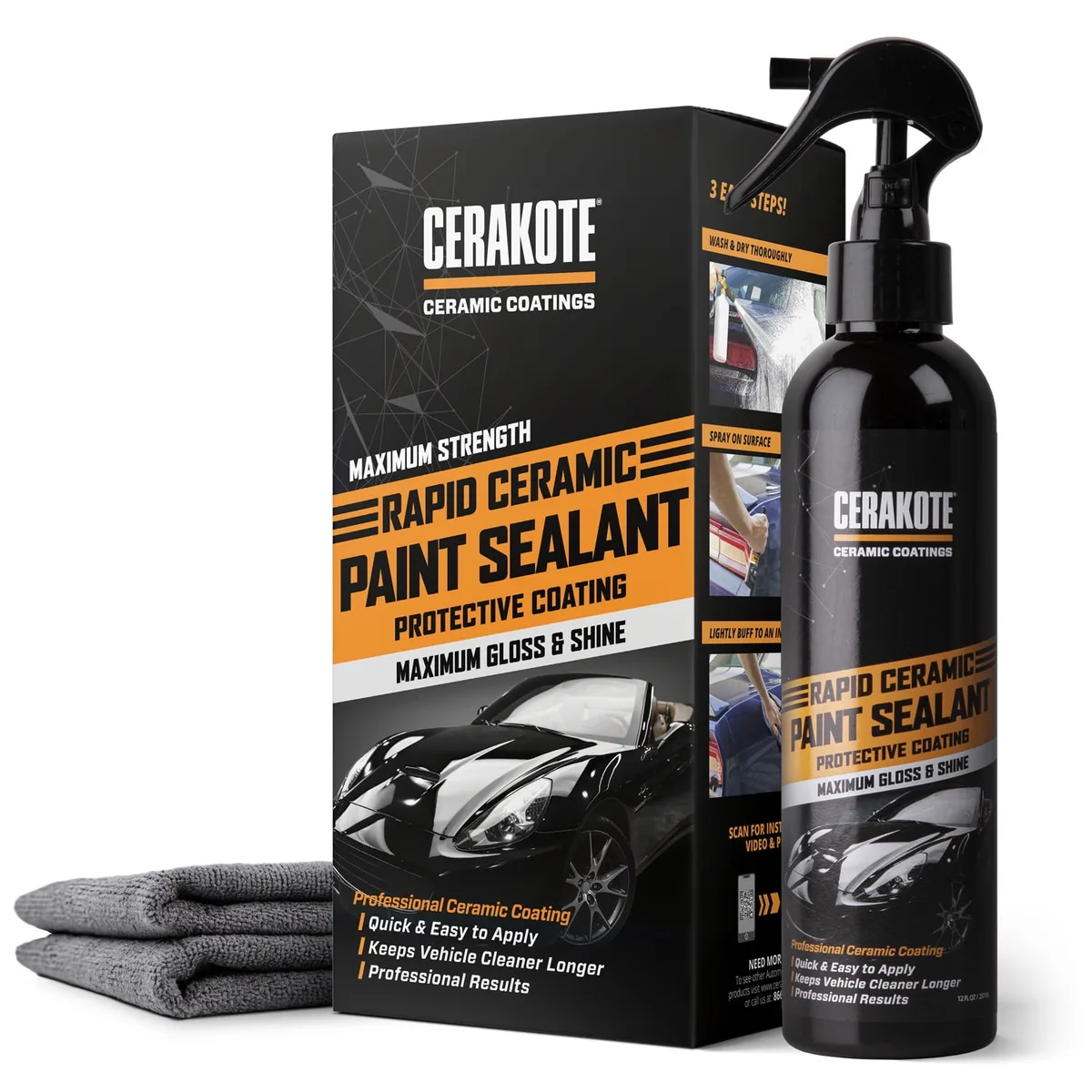
Paint sealants are man-made polymers (often acrylic or urethane-based) that bond to clear coat on a chemical level. They don't have the warm depth of carnauba, but they compensate with dramatically longer durability. A quality sealant lasts 4 to 6 months, sometimes up to a year for high-end formulas.
Sealants are the unsung heroes of the coating world. They're easy to apply (spray or liquid, wipe on, wipe off, no special curing). They cost $20, $60 per bottle that covers 8, 10 applications.
They require no special prep beyond a clean surface. For a daily driver that sits outside and gets washed every couple of weeks, a polymer sealant is the most cost-effective protection you can buy.
Ceramic Coating (SiO₂) – Long-Term Armor
True ceramic coatings are liquid glass. Silicon dioxide (SiO₂) bonds to your clear coat and forms a hard, hydrophobic layer. They're not waxes or sealants in any traditional sense.
Manufacturer specifications from professional-grade ceramic kits list hardness at 9H pencil hardness. That means the coating itself resists scratching better than the paint underneath.
Here's the catch that marketing doesn't mention. Ceramic coatings require flawless paint prep. If you don't clay bar, polish, and thoroughly degrease the paint (using an IPA wipe or dedicated prep solution), the coating won't bond properly.
It will fail within months, not years. Application is also temperature-sensitive (ideally 60°F, 80°F, no direct sun, low humidity). After application, you need 24, 72 hours of cure time without rain, dust, or touching.
Buy ceramic if you want one-and-done protection for 2, 5 years. You must be willing to spend a full weekend on prep and application. Or pay a professional $500, $2,000 to do it right.
Graphene Coatings – Marketing Hype or Real Upgrade?
Graphene coatings appeared a few years ago claiming superior hardness, better heat dissipation, and longer life than standard SiO₂ coatings. The reality is murky. In our research, multiple independent tests show that most graphene consumer coatings are primarily SiO₂ with a tiny graphene additive.
The graphene content is often less than 0.1% by volume.
Does graphene add anything meaningful? Some users report slightly higher slickness and better water sheeting than pure ceramic. But real-world durability comparisons show no significant difference.
And graphene coatings cost 20, 50% more than equivalent ceramic options. Our verdict: a high-quality ceramic coating gives you the same protection for less money.
Side-by-Side Comparison: Durability, Gloss, Ease of Application, Cost
Let's put the numbers side by side.
| Coating Type | Real-World Durability | Gloss Level | Application Difficulty | Cost (per year, DIY) |
|---|---|---|---|---|
| Carnauba Wax | 1–3 months | Very high (warm depth) | Easy | $60–$120 |
| Synthetic Sealant | 4–6 months | High (shiny but cooler) | Easy | $30–$60 |
| Consumer Ceramic Spray | 6–12 months | High (glassy) | Moderate | $30–$80 |
| Professional Ceramic (DIY kit) | 2–3 years | Very high (glassy) | Hard (prep and timing) | $50–$150 first year, free after |
| Pro-Installed Ceramic | 2–5 years | Highest | Not applicable | $500–$2,000 once |
| Graphene Consumer | 6–12 months | High (slick) | Moderate | $40–$100 |
A few notes. Gloss is subjective. Some people prefer the warm, organic look of carnauba to the "hard glass" reflection of ceramic.
Durability numbers come from aggregate user reviews and manufacturer claims adjusted for real-world conditions (outdoor parking, varying weather). Cost per year for wax includes 4, 6 applications. For professional ceramic, that $500, $2,000 is a one-time investment covering 3, 5 years.
What's missing here? Maintenance. All coatings need to be cleaned with pH-neutral shampoo to avoid stripping protection.
Using harsh detergents or automatic car washes with abrasive brushes will shorten any coating's life. If your wash routine is "run through the tunnel," skip the wax and sealant entirely. They'll be stripped in two washes.
A ceramic coating survives automatic washes better, but you'll still want a proper wash routine to keep it clean. For tips on choosing proper wash products, check our guide on the right car wash shampoo for foaming guns.
Which Coating Fits Your Driving Life? (Use Cases)
This section saves you money. Let's match your situation to the right coating.
You wash your car once a month in a garage and enjoy detailing. You're the perfect candidate for carnauba wax. Apply it every 6, 8 weeks. Enjoy the deep glow.
Consider it a hobby. Cost per year: about $80.
You drive a daily commuter, park outside, and want protection without effort. Go with a synthetic paint sealant. Apply it twice a year (spring and fall). Your car stays protected from UV, bird droppings, and road salt without constant reapplication.
Cost per year: about $40. This is the sweet spot for most owners.
You just bought a new (or new-to-you) car and plan to keep it for 5+ years. Invest in a professional ceramic coating. The upfront cost is high, but the paint stays like-new with minimal maintenance. You'll also preserve resale value.
Budget for a professional installer who guarantees their work. Do not try a DIY ceramic kit if you've never polished paint before.
You want the best protection but hate washing cars. Ceramic (pro-installed) is your only real option. It creates a surface that dirt slides off more easily. You can get away with rinseless washes or quick sprays between full washes.
Pair it with proper wash tools. A good quality water spray gun for car wash makes rinsing faster and reduces the chance of scratching.
You live in a harsh climate. Desert heat (UV degradation) and road salt (corrosion) both demand long-term protection. Ceramic coating handles UV better than wax or sealant. If ceramic is out of budget, a quality sealant reapplied every 4 months is still a big improvement over wax.
You drive a white car. White paint doesn't show gloss as dramatically, but it does show embedded dirt and water spots. A coating with strong hydrophobic properties (ceramic or good sealant) helps water sheet off, reducing mineral deposits. If you own a white car, check our guide on whether white cars get dirty easily.
You'll see why a coating helps.
Common Mistakes That Ruin a Coating Before It Cures
You can buy the most expensive ceramic coating on the market. If you make any of these errors, it won't last three months.
Skipping paint decontamination. The number one cause of coating failure. Swirls, old wax residue, and industrial fallout prevent the coating from bonding. A clay bar and iron remover are non-negotiable.
Even a simple wash with dish soap (which we do not recommend) won't remove bonded contaminants. You need mechanical decontamination (clay) plus chemical (fallout remover).
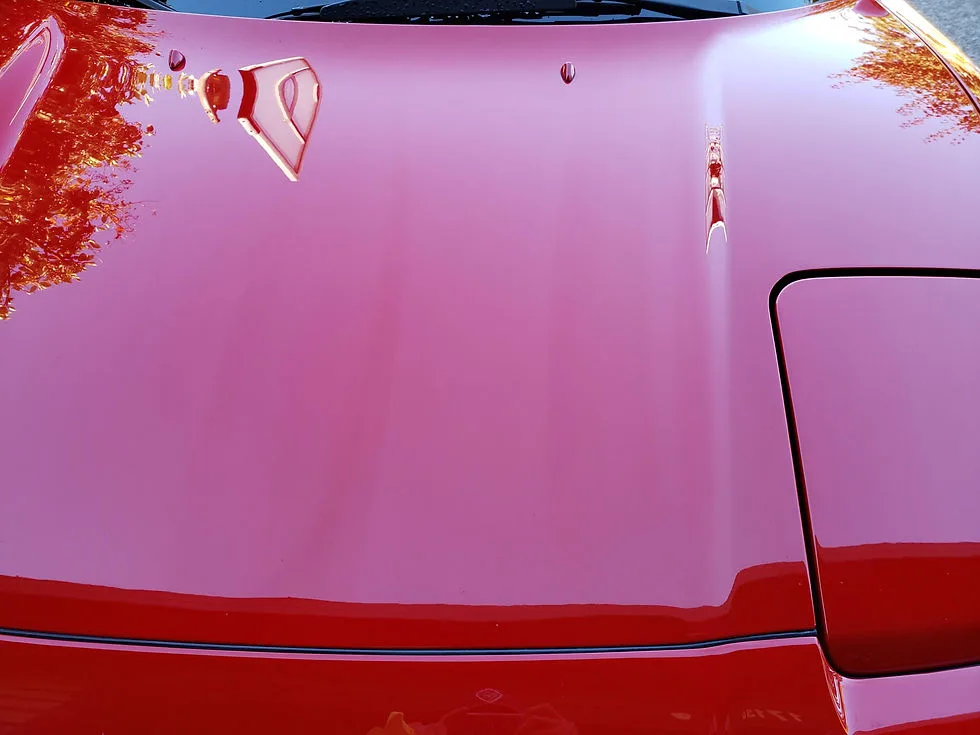
Applying in direct sunlight or hot panels. The coating flashes off (dries) too fast, leaving high spots and uneven coverage. Those high spots are permanent. You'll have to polish the coating off and start over.
Work in shade, on cool paint, with a garage if possible.
Bing (Web (fair-use with source credit))
Using too much product. More is not better. A single drop of ceramic coating the size of a dime covers a 2×2 foot panel. If you flood the applicator, you'll get pooling, uneven thickness, and excess product that traps dust.
Ignoring cure time. A ceramic coating feels dry to the touch after 30 minutes. It is not cured. Full cure takes 24, 72 hours depending on humidity.
If you drive in the rain, park in dew, or even touch the panels during curing, you interrupt the molecular bonding. You'll end up with patches that have reduced hydrophobicity and strength.
Using the wrong wash products after coating. Many car shampoos contain waxes or gloss enhancers that stick to the coating and mask its hydrophobic properties. Over time, those additives build up into a cloudy layer. Use a dedicated pH-neutral, wax-free car shampoo designed for coated paint.
Not prepping plastic trim. Ceramic coating on black unpainted trim (bumper edges, mirror housings) will cause permanent whitening or blotching if you don't mask it off. The coating bonds to porous plastic and can't be removed without aggressive polishing. If you have plastic trim you'd like to restore instead, our blackwash treatment plastic tutorial shows a better approach for those surfaces.
Real Cost Breakdown: From $15 Wax to $2,000 Pro Ceramic
Here's the three-year cost of each option.
A $15 tub of carnauba wax seems cheap. But you'll need 6, 8 applications per year. Add microfiber towels, applicator pads, and your time (about an hour per application).
Three-year total: roughly $300, $400 and 18, 24 hours of work.
A $40 bottle of synthetic sealant covers 8, 10 applications. Apply twice a year. Three-year total: about $120 and 6 hours.
That's the best cost-to-effort ratio in detailing.
A $70 consumer ceramic spray kit (like a 1-year SiO₂ spray) needs one application per year plus prep supplies (clay bar, iron remover, IPA). Three-year total: about $250 and 9 hours.
A professional ceramic installation at $1,000 includes paint correction, full prep, and a 5-year warranty. Three-year total: $1,000 and zero hours of your labor. If you factor in your time at minimum wage, the pro option actually breaks even with wax after about 15 hours.
Here's the catch that changes the math. If you park outdoors, all coatings degrade faster. Wax dies in 4, 6 weeks, not 12.
That drives the three-year cost of wax toward $600. A ceramic coating with a 5-year warranty is suddenly cheaper per year than buying wax every month.
For a more detailed breakdown of ceramic coating benefits versus costs, read our analysis of the benefits of ceramic washing and costs. It breaks down the math for different driving conditions.
How to Prep Your Paint for Any Coating (Critical Step)
You can buy the most expensive coating in the world. If the paint isn't prepped correctly, it won't last a month. Here's the non-negotiable sequence.
Bing (Web (fair-use with source credit))
Wash thoroughly. Use a pH-neutral car shampoo and the two-bucket method. If you use a pressure washer, keep the pressure under 1,500 PSI to avoid damaging clear coat edges. Check our guide on the recommended PSI for washing cars to avoid paint damage.
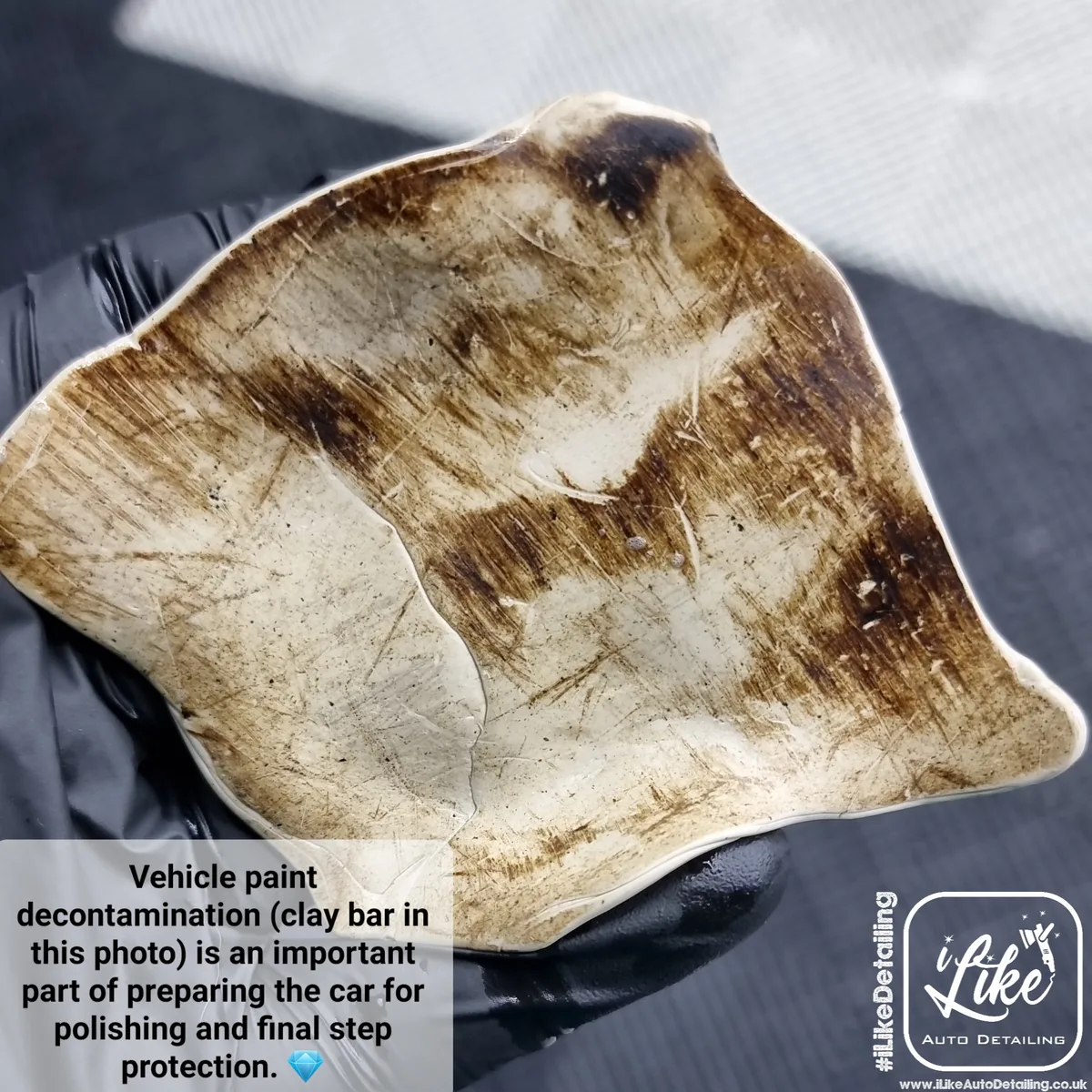
Decontaminate with a clay bar. Spray lubricant, glide the clay bar across the paint. You'll feel bumps as it pulls out embedded contaminants. Fold and knead the clay frequently.
This step removes bonded rail dust, tree sap, and overspray that no wash can touch.
Use an iron remover. Spray on, let it turn purple, rinse off. Industrial fallout (metal particles from brake dust or train tracks) embeds in paint and rusts over time. Clay alone won't fully remove it.
Polish if needed. For ceramic coating, you must remove swirl marks. The coating magnifies imperfections. If you skip polishing, you lock swirls in for years.
For wax or sealant, polishing is optional unless the paint is heavily swirled.
Final wipe with IPA or panel prep. This removes all oils, wax remnants, and polishing residue. Any leftover oil prevents bonding. This step separates a coating that lasts 3 years from one that fails in 3 months.
Making the Final Decision: A Simple Flowchart in Text
No decision tree is perfect, but this one eliminates marketing noise. Answer each question in order.
Question 1: Do you enjoy waxing your car as a hobby?
- Yes. Buy carnauba wax. Apply every 6 weeks.
- No. Go to Question 2.
Question 2: Do you park outdoors 24/7 in harsh sun or road salt?
- Yes. Go to Question 3. You need maximum durability.
- No. Buy a synthetic sealant. Apply twice a year. Done.
Question 3: Is your budget under $200 for the first year?
- Yes. Buy a consumer ceramic spray (SiO₂, not "ceramic-infused wax"). Apply, maintain, reapply next year.
- No. Go to Question 4.
Question 4: Are you willing to spend a full weekend on paint correction and application?
- Yes. Buy a professional-grade DIY ceramic kit (CarPro CQUARTZ, Gtechniq, similar). Follow prep exactly.
- No. Pay a pro $500, $2,000 to install ceramic. You get a warranty and don't risk failure.
That's it. Four questions. One answer.
The One Thing Nobody Tells You About Maintenance
Most coating manufacturers skip an important detail. All coatings require specific wash techniques to last.
Wax and sealant die faster if you use harsh detergents. Many car shampoos contain sodium hydroxide or sulfates that strip wax in 2, 3 washes. Use only pH-neutral, wax-safe shampoo.
A good option is using a dedicated car wash shampoo in a foaming gun to apply gently and evenly.
Ceramic coatings need regular maintenance washes to prevent water spotting. Hard water left to evaporate on a ceramic surface leaves mineral deposits that bond tighter than on bare paint. Those spots require a diluted acid (like distilled vinegar or a dedicated water spot remover) to remove.
If you live in a hard water area, consider using a hard water softener for washing cars or a spot-free rinse system.
You also need a maintenance spray. Every 3, 4 months, apply a spray sealant or ceramic topper to rejuvenate hydrophobic properties. Even a 5-year ceramic coating loses its water beading over time from abrasion (road debris, wash mitts).
A quick spray every quarter keeps it fresh.
Don't use automatic car washes. The rotating brushes scratch the coating microscopically. Over 20, 30 washes, those micro-scratches dull the gloss.
Hand wash with clean microfiber mitts and proper drying towels. Our guide on what to wash car rags in explains how to keep your towels from scratching coated paint.
The bottom line? A coating is not "set and forget." It's "set and maintain." Do the maintenance, and your investment pays off for years. Skip it, and you'll be back at square one wondering why that $70 bottle didn't deliver.