ByMax Lee
Guide to Desolve Car Dirt Without Washing
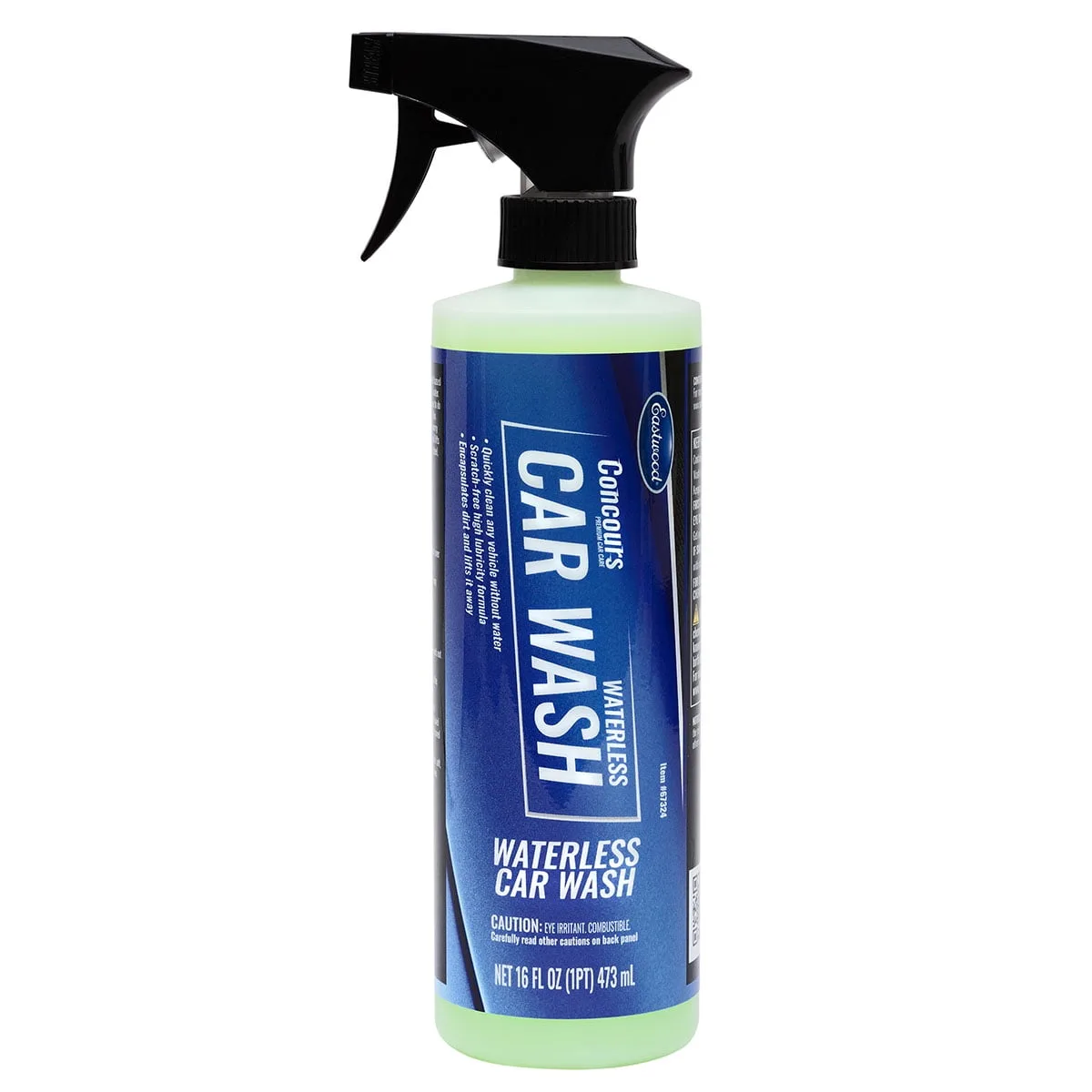
If you’ve ever wanted to dissolve car dirt without washing, no bucket, no hose, no wasted water, you’re asking the right question. Maybe you live in an apartment with no driveway. Maybe you’re under a drought restriction.
Or maybe you just want to knock out a quick cleanup without dragging out the pressure washer.
In our research, a single waterless wash uses roughly 8 ounces of spray and a few microfiber towels. That saves about 15 gallons of water compared to a traditional two-bucket wash. That lines up with EPA residential car-washing estimates.
But here’s the catch: not every no-wash method works for every kind of dirt. Let’s walk through what actually works and what turns your paint into a sanding pad.
Bing (Web (fair-use with source credit))
Why You’d Want to Wash Your Car Without Water (and What That Actually Means)
Real talk: “washing without water” sounds like a marketing gimmick. But the chemistry is solid. Waterless and rinseless products use surfactants, polymers, and lubricants to encapsulate dirt particles and lift them off the paint.
You spray. You wipe. You flip the towel.
No rinse needed.
The biggest reason people go this route is convenience. You can do it anywhere. A parking spot, a garage, the side of the street.
No extension cords. No buckets sloshing around your trunk. As of 2026, waterless products are more advanced than ever.
Some even leave a layer of protection behind.
But “without washing” doesn’t mean zero water. Rinseless washes use a gallon or two in a bucket. Waterless sprays use zero water.
Both are valid. They just serve different situations. Understanding that difference is the whole point of this guide.
The Quick Answer: It’s Not One Method — It’s a Decision Tree
Here’s the thing: there is no single product that dissolves every kind of car dirt perfectly. The correct choice depends on two variables. What’s on the paint, and what the paint is made of.
- Light dust, a waterless spray works great.
- Moderate grime, a rinseless wash with a bucket is safer.
- Heavy mud or road salt, you need a pre-spray step first.
- Bird droppings or tree sap, spot-treat with a dedicated remover before anything else.
Your paint matters too. Ceramic coatings can handle more aggressive wiping. Unprotected clear coat is softer and more prone to scratches.
Matte finishes and PPF require special low-gloss products.
We’ll break each branch below. But the short version is: assess the dirt, then pick the tool.
How Waterless and Rinseless Washes Actually Work (The Chemistry)
Let’s get the science out of the way quickly.
Waterless sprays are a high-lubricity solution of surfactants suspended in a carrier liquid. Usually water plus a small amount of alcohol or polymer. When you spray it on, the surfactants surround each dirt particle and encapsulate it.
The lubricant creates a slippery layer between the dirt and the paint. You wipe it off, and the dirt lifts away instead of grinding into the clear coat.
Rinseless washes work the same way. You dilute them in a bucket of water. You dunk your microfiber towel, wipe a panel, then rinse the towel in the bucket.
The dirt falls to the bottom. A grit guard helps trap it. No need to rinse the panel afterward.
The chemistry leaves no residue.
Both methods depend on one critical factor: enough lubrication. Too little product means not enough slip. That means scratches.
Too much product means streaks and residue. The sweet spot is about 6 to 8 inches of spray distance with enough product to make the panel look wet but not dripping.
The First Split: What Kind of Dirt Are You Dealing With?
Wikimedia Commons / Greg Gjerdingen from Willmar, USA (CC BY)
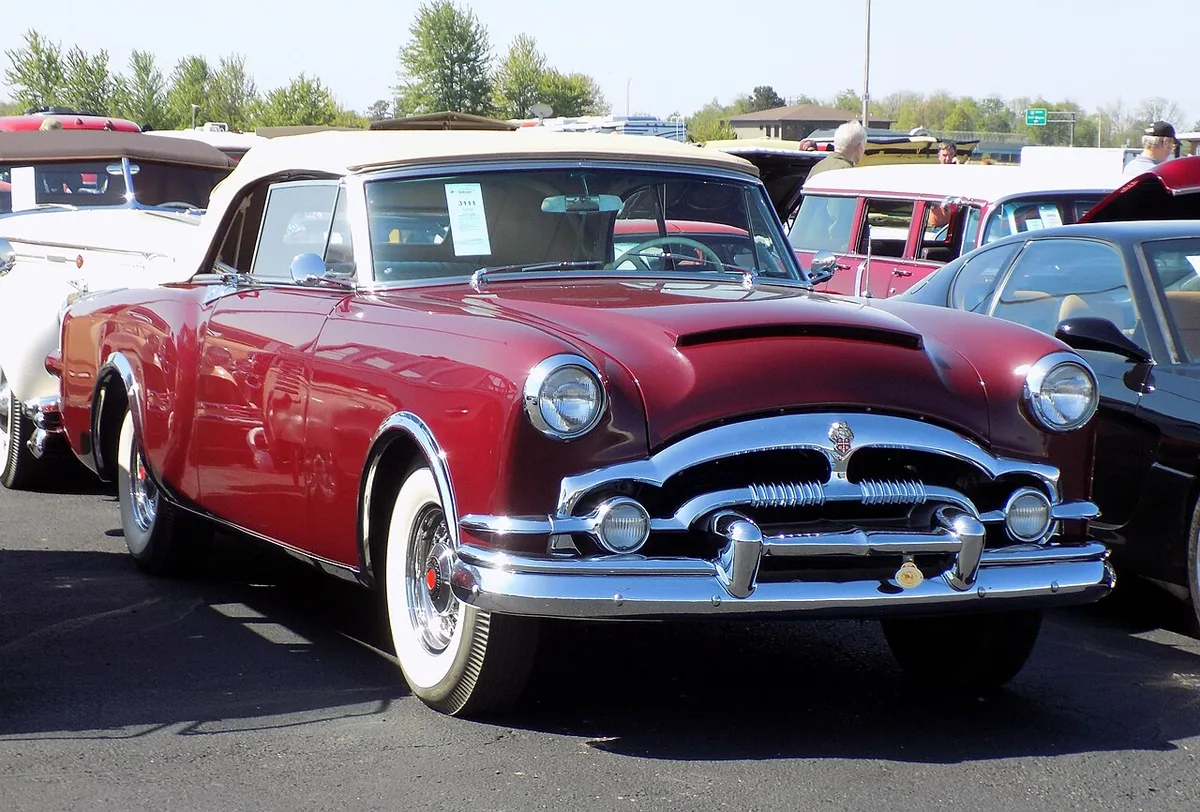
This is where most people mess up. You cannot use the same technique for fresh dust that you would use for caked-on mud. Let’s break it down.
Light Dust and Fresh Grime
This is the ideal scenario for a waterless spray. If you can run your finger across the paint and see only a light dusting with no heavy particles, you are safe. Spray a generous amount.
Let it dwell for 15 to 20 seconds. Then wipe with a plush microfiber towel. Flip the towel frequently.
Heavy Mud, Sand, or Gravel Dust
Stop right there. Do not spray waterless formula on this. You are asking for swirls.
Heavy dirt needs a rinseless wash with a pre-soak. Or honestly, a traditional rinse first. If you absolutely cannot use water, use a rinseless wash diluted at double the recommended concentration.
Spray it on heavily. Let it sit for 60 seconds to loosen the gunk. Then wipe gently.
Even then, you are taking a risk.
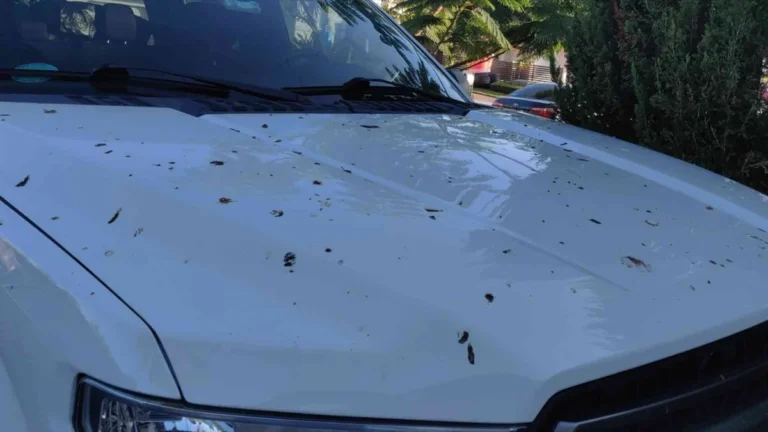
Bird Droppings, Tree Sap, and Bug Splatter
These are chemically bonded. They are not just sitting on top. A waterless spray alone will not cut it.
You need a dedicated bug and tar remover or a clay lubricant. Spray it on. Let it soften for 30 to 60 seconds.
Then wipe. If it is a dried bird dropping, soak a towel in the product and lay it on top for a few minutes before wiping.
Salt Residue (Winter or Coastal Cars)
Road salt is highly corrosive and abrasive. Never dry-wipe it. Pre-rinse with a rinseless wash mixture to dissolve the salt before you touch the paint.
Even if you are using a spray bottle, dissolve it first. A waterless spray on salt is like rubbing sandpaper.
The Second Split: What’s Your Paint Situation?
Your paint’s surface condition is the second big variable. Let’s match it.
Ceramic-Coated or Sealed Paint
Great news. Ceramic coatings and quality sealants make the paint hydrophobic. Dirt clings less.
Lubricants slide easier. You can use a waterless spray confidently. Many coating manufacturers recommend waterless washes for maintenance.
Just use a pH-neutral product. Avoid anything with wax if you want to keep the coating’s original performance.
Uncoated, Unprotected Paint
This is your standard factory clear coat. It is softer and more prone to micro-marring. You need extra lubrication.
Prefer a rinseless wash over a waterless spray for anything beyond light dust. If you do use waterless, apply it liberally. Don’t skimp.
Always use a clean, plush towel. One stray grain of dirt and you are putting a scratch in the clear coat.
Matte Paint, PPF, or Vinyl Wrap
These surfaces are highly sensitive to gloss enhancers and waxes. Many waterless sprays contain gloss-building polymers that will turn matte paint shiny. That is permanent damage.
Use only products labeled matte-safe or wrap-safe. For PPF, you can use a rinseless wash but avoid any abrasive wiping. Stick to a gentle spray-and-blot method.
If you are unsure, test on a small hidden area first. It only takes one wrong wipe to ruin a matte finish.
Your Branch-by-Branch Action Plan
Now we put it all together. Here’s how to match the dirt type and paint condition to the right method. Each branch below assumes you have already checked the dirt and paint using the earlier splits.
Branch A: Waterless Spray Plus Towel (Light Dirt, Any Paint)
This is your go-to for a quick dust-off between washes. You will need a quality waterless spray. Choose a pH-neutral product with no wax if you have a coating.
Grab 3 to 4 clean microfiber towels.
The process: spray one panel at a time. Hold the bottle 6 to 8 inches away. Use enough product to wet the surface thoroughly.
Let it sit for 15 seconds. Fold your towel into quarters. Wipe in straight lines, not circles.
Flip to a clean side for each pass. When the towel feels wet or looks dirty, swap it for a fresh one.
Best for: light dust, fingerprint smudges, pollen, or after a quick rain shower. Avoid this method if the car has not been washed in more than two weeks.
Branch B: Rinseless Wash with Bucket (Moderate Dirt, Unprotected Paint)
Bing (Web (fair-use with source credit))
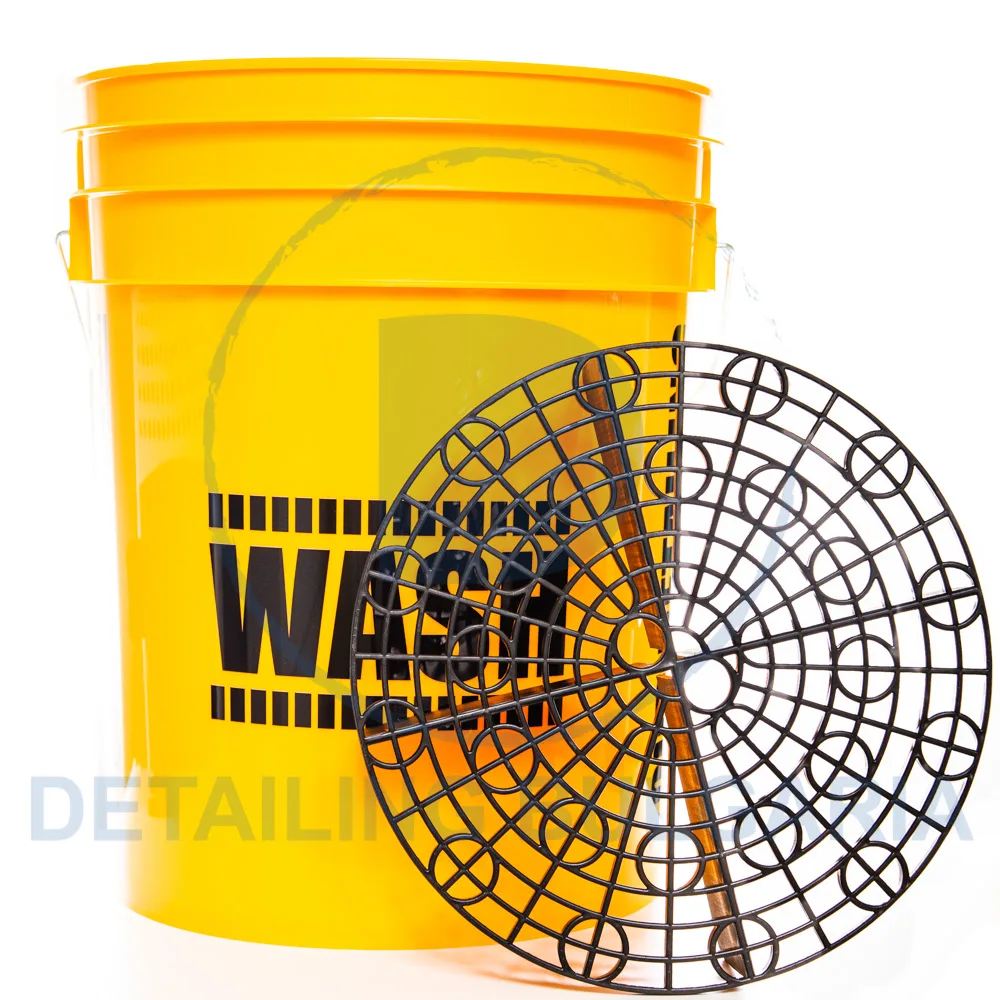
For dirt that is visible but not caked on, a rinseless wash gives you more lubrication and lower risk. You will need a bucket with a grit guard, rinseless concentrate, and 5 to 6 towels.
The process: fill the bucket with 2 to 3 gallons of water. Add the concentrate at the recommended ratio. Usually 1 ounce per 2 gallons.
Dunk a folded towel. Wipe a panel. Then rinse the towel in the bucket.
The grit guard traps dirt at the bottom. Work panel by panel. Dry with a separate towel if needed.
Best for: daily drivers with normal road grime, cars parked outside, or vehicles with soft factory clear coat. It is safer for uncoated paint because the solution has more lubricant than a waterless spray.
Branch C: Pre-Spray Plus Rinseless (Heavy Contaminants)
When you are dealing with mud, salt, or heavy caked-on dust, you need a two-step approach. Spray the heavy areas with a diluted rinseless solution at double strength. Let it dwell for 60 seconds.
Then proceed with the rinseless bucket method.
Why it works: the pre-soak loosens the abrasive particles. They do not get dragged across the paint. Think of it as a chemical softener.
After the dwell time, use the rinseless bucket to finish.
Best for: cars returned from a dirt road, post-winter salt, or any vehicle where you can feel grit on the surface. Do not skip this step if you value your clear coat.
Branch D: Quick Detailer Only (Spot Cleaning After Rain)
Quick detailers are not true cleaners. They are designed to add gloss and light lubrication. Not remove dirt.
Use them only for light water spots or fresh dust that has not settled.
The process: spray directly onto the spot. Wipe gently. Buff dry.
Do not use a quick detailer for anything beyond spot treatment. The lubrication is too thin for panel-wide cleaning.
Best for: a bird dropping that is still wet, a single splat of mud, or a fingerprint. For full-car work, go with Branch A or B.
The Tools That Make or Break Your Results
Bing (Web (fair-use with source credit))
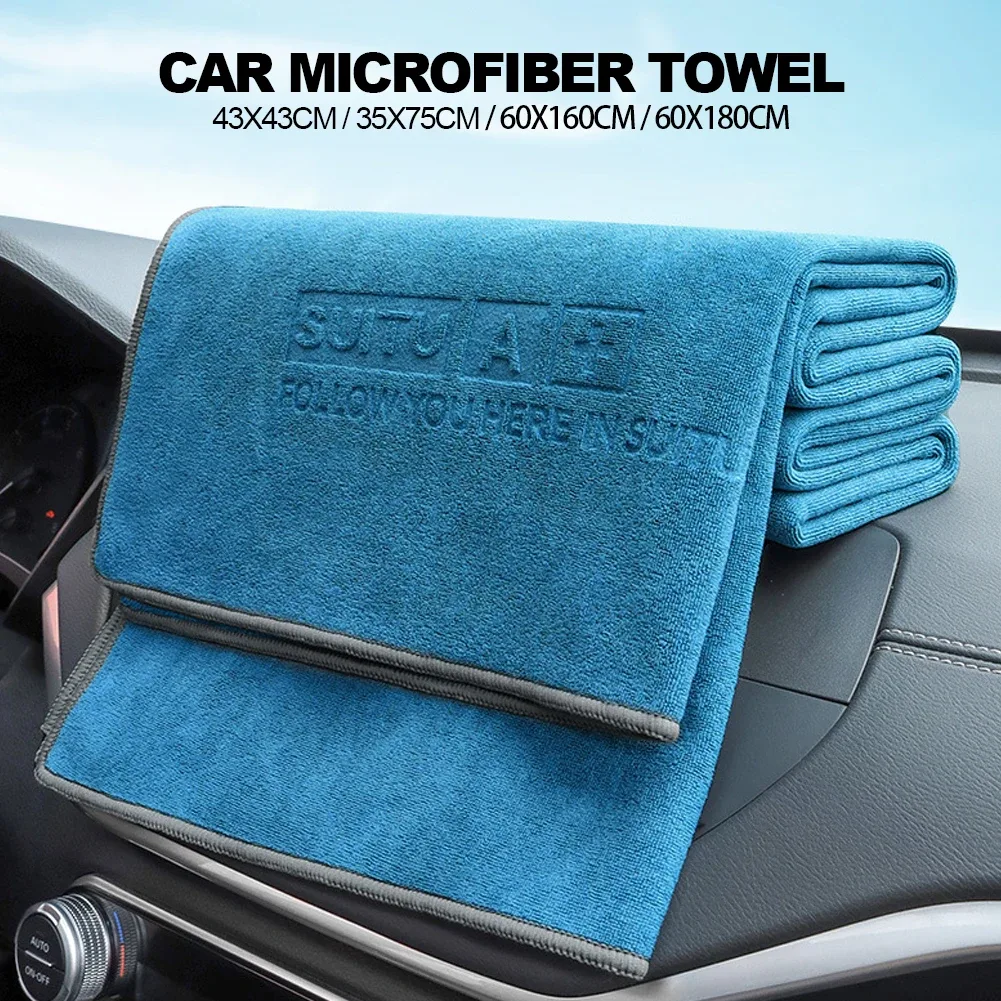
You can use the best product in the world. But if your towels are wrong, you will still get scratches. Here’s what our research consistently shows works.
Microfiber towels. Not all microfiber towels are created equal. For waterless and rinseless washes, you want a 350 to 600 GSM plush towel. The higher GSM means thicker fibers that trap dirt without dragging it.
Avoid cheap 200 GSM towels from hardware stores. They are too thin and will mar your paint.
Quantity matters. One towel per panel is ideal. For a mid-size sedan, you will need at least 5 to 6 towels. Reusing a dirty towel is the fastest way to swirl city.
Grit guard. If you are doing the rinseless bucket method, a grit guard is non-negotiable. It sits at the bottom of the bucket and catches debris. Your towel never touches the dirty water.
Cost: about $8 to $12. Skip it only if you hate your paint.
Quality product. Stick with brands that publish their pH and lubrication specs. Avoid generic waterless wash formulas that mix wax and cleaner together. They leave streaks and can interfere with coatings.
Water gun or sprayer. If you prefer a traditional rinse but want to control water usage, a quality water gun for car wash can help you spot-rinse heavy areas before switching to waterless methods.
Common Mistakes That Turn No-Wash Into a Scratch Fest
We see the same errors over and over in user reports. Here’s what to avoid.
Using too little product. If the panel is not visibly wet, you do not have enough lubrication. More is better. A dry wipe is a scratch waiting to happen.
Reusing a dirty towel. Flip your towel after every pass. When all sides are used, grab a fresh one. One dirty towel can carry grit across three panels.
Working on a hot car. Waterless products evaporate quickly on hot surfaces. The residue dries before you can wipe it. That leaves streaks and trapped dirt.
Always wash in the shade or early morning.
Skipping the pre-inspection. Run your hand gently over a panel before you spray. If you feel grit or bumps, do not use waterless. Switch to the rinseless method with a pre-soak.
Using dish soap as a substitute. Dish soap strips wax and leaves no lubrication. Our research into washing cars with dish soap shows it is far too aggressive for any no-wash method. Stick with dedicated products.
Ignoring your paint condition. If your car has old, neglected paint, check the benefits of ceramic coating and costs before attempting no-wash methods. A coated surface is far more forgiving.
How Much Water and Money You Are Actually Saving (The Real Numbers)
Let’s put some hard figures on this. A traditional two-bucket wash uses about 20 gallons of water. That is per EPA estimates.
A rinseless wash uses 2 to 3 gallons. A waterless spray uses zero.
Water savings per wash:
| Method | Water Used | Reduction vs. Traditional |
|---|---|---|
| Traditional two-bucket | 20 gallons | Baseline |
| Rinseless wash | 2-3 gallons | Up to 90% less |
| Waterless spray | 0 gallons | 100% less |
Cost per wash (assuming you already have towels):
| Method | Cost per Wash |
|---|---|
| Waterless spray | $2 to $4 |
| Rinseless concentrate | $0.50 to $1.00 |
| Traditional soap | $0.25 to $0.50 plus water |
So you are saving water, not necessarily money per wash. But over a year, the convenience of not dragging out a hose is worth something.
Time saved. A waterless wash takes 15 to 20 minutes. A traditional wash takes 45 to 60 minutes. That is a real trade-off.
Three Real-World Scenarios (So You Can See Your Situation)
Apartment Dweller with a Daily Driver
You have no hose, no driveway, and street parking only. Your car gets light to moderate dust from city driving. Best choice: waterless spray (Branch A) for quick weekly touch-ups.
Keep a bottle and a few towels in your trunk. Spray, wipe, done. For heavier grime, use a rinseless bucket in your parking spot.
It uses only a few gallons.
Weekend Enthusiast with a Garage Queen
Your car lives in a garage and rarely sees rain. Dirt is limited to light dust from storage. Best choice: waterless spray (Branch A) with a quick detailer for spot cleaning.
Because the paint is likely well-protected, you can use a high-lubricity waterless product. For the rare full wash, consider a PPF car wash shampoo if you have paint protection film.
Fleet Manager Doing Quick Touch-Ups
You have multiple vehicles that need to look presentable. They do not need a full detail. Time is money.
Best choice: rinseless wash with a bucket (Branch B). It is fast. It uses minimal water.
It works on various paint conditions. Pre-soak any heavy spots (Branch C) if a vehicle came back from a muddy job site.
When to Ignore This Whole Process and Just Use Water
Sometimes waterless methods are the wrong tool. Here’s when you should bite the bullet and do a traditional wash.
Caked-on mud or clay. If you can pick dirt off the paint with your fingernail, a spray will not cut it. Use a pressure washer or garden hose to blast off the bulk first. Then you can follow up with rinseless if needed.
Fresh bird droppings that have baked in the sun. The acid etches the clear coat quickly. A waterless spray will not remove the etching. You need to wash the spot gently, then polish if necessary.
A ceramic coating makes future cleanup much easier.
Heavy road salt after winter driving. Salt is water-soluble. Dissolving it with a rinseless solution is fine. But a full rinse underneath the car is safer.
Salt trapped in crevices continues to corrode.
Cars with heavy tree sap or tar. These require a dedicated solvent, not a general waterless product. Spot-treat with a tar remover first. Then wash the panel.
Bottom line: waterless methods are for maintenance, not rescue. If your car is truly filthy, use water first.
Your One-Minute Decision Guide (Print This)
Here’s a quick reference for your next no-wash session. Copy this or bookmark it.
| If your dirt looks like… | And your paint is… | Use this method |
|---|---|---|
| Light dust, pollen, fingerprints | Any condition | Waterless spray (Branch A) |
| Moderate grime, road film | Uncoated or soft clear coat | Rinseless wash (Branch B) |
| Heavy mud, salt, caked-on dirt | Any condition | Pre-spray + rinseless (Branch C) |
| Wet bird dropping, spot only | Any condition | Quick detailer (Branch D) |
| Baked-on bug or sap | Any condition | Dedicated remover, then rinse |
One final rule: when in doubt, add more lubrication. A wet panel is a safe panel. A dry wipe is a scratch you just bought.
That is the full decision tree. Park it. Spray it.
Wipe it. Done.