ByMax Lee
CT Catalytic Converter Theft Prevention Laws & Etching
Wikimedia Commons / Chris Yarzab (CC BY)
Catalytic converter theft is costing Connecticut drivers thousands in repairs, and thieves target these parts because they contain valuable metals like palladium and rhodium. Connecticut catalytic converter theft prevention laws and etching programs are the state’s answer, making stolen parts easier to trace and harder to sell.
As of 2026, replacement costs average $1,500 to $3,000 per converter, and insurance doesn’t always cover the full bill. The good news is that simple, low-cost measures can deter thieves and help police recover your property.
Quick Answer
Connecticut catalytic converter theft prevention laws and etching programs mark converters with your vehicle’s VIN. This makes stolen parts traceable and less valuable to thieves. Scrap dealers must verify ownership before purchasing converters.
Many police departments offer free etching events. These programs reduce theft rates in participating areas.
Why catalytic converter theft is a growing problem in Connecticut
Thieves steal catalytic converters because they contain precious metals like palladium, rhodium, and platinum. These metals fetch high prices at scrap yards, and converters are easy to remove in under two minutes with basic tools.
Connecticut has seen a sharp rise in thefts, especially in urban areas like Hartford, New Haven, and Bridgeport. Trucks, SUVs, and hybrids like the Toyota Prius are prime targets due to their higher ground clearance and valuable converters.
How Connecticut’s laws fight catalytic converter theft
Connecticut passed Public Act 22-118 in 2022 to crack down on catalytic converter theft. The law requires scrap metal dealers to verify ownership before purchasing converters and keep detailed records of all transactions.
It also mandates that dealers check for VIN markings or other identifying features. Violations can result in fines and license suspension for scrap yards. These measures make it harder for thieves to sell stolen parts and easier for law enforcement to track them.
What the Connecticut catalytic converter etching program does
The state’s etching program marks your catalytic converter with your vehicle’s VIN or a unique serial number. This permanent marking deters thieves because etched converters are harder to sell and easier to trace.
Many local police departments, including those in Hartford and New Haven, host free etching events. Some auto repair shops and dealerships also offer the service for a small fee. The process takes about 15, 30 minutes and provides long-term protection.
How VIN etching actually stops thieves
Bing (Web (fair-use with source credit))
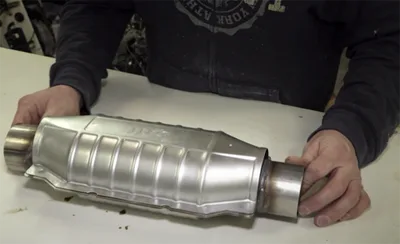
VIN etching works by making stolen converters less valuable to thieves. When a converter is marked with your vehicle’s VIN, scrap yards can verify its legitimacy before purchasing. This reduces the black market demand for stolen parts.
Thieves prefer unmarked converters because they’re easier to sell anonymously. Etched converters also help police identify recovered parts and return them to the rightful owner. According to the National Insurance Crime Bureau, marked converters are significantly less likely to be stolen.
Other anti-theft options and how they compare to etching
Bing (Web (fair-use with source credit))
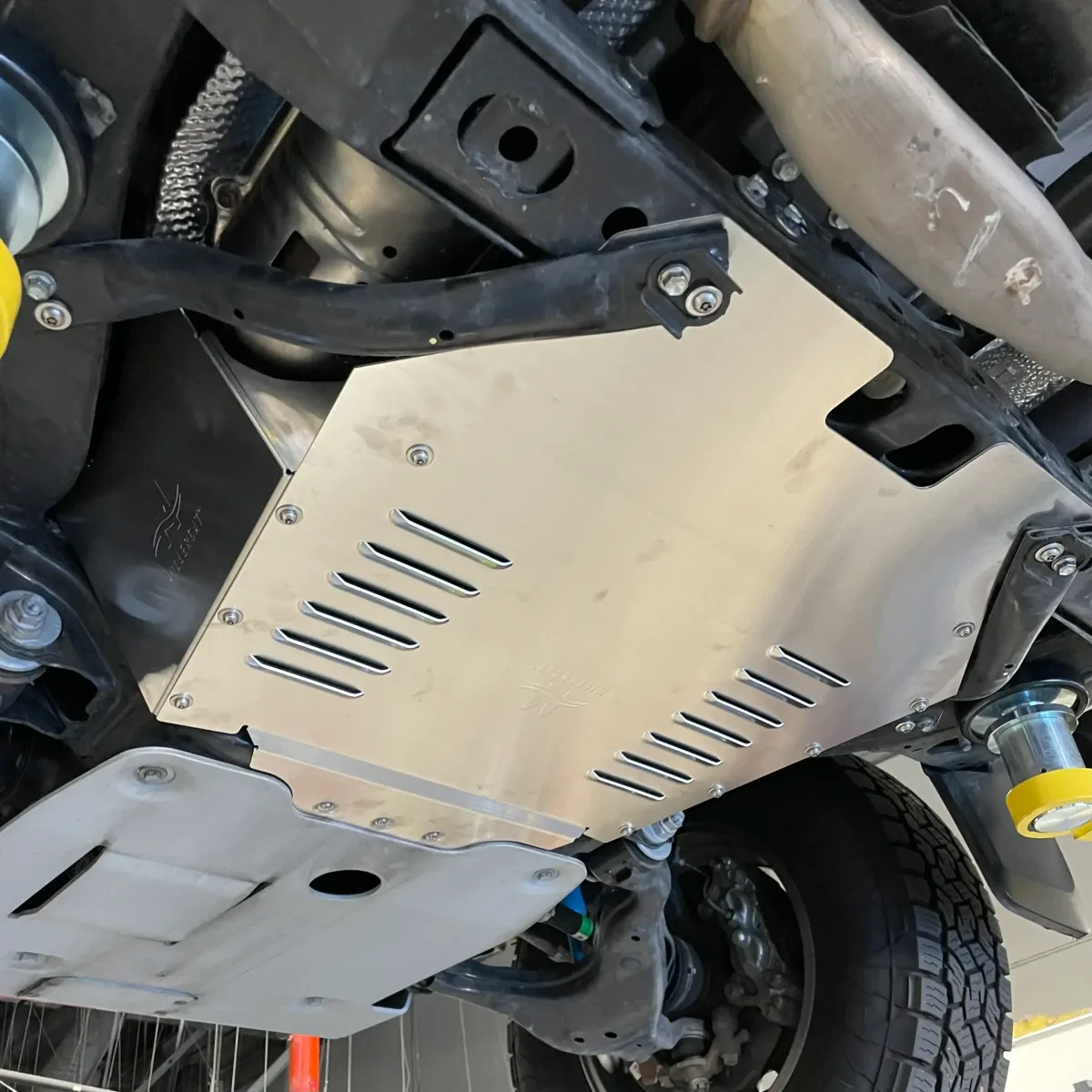
Physical shields and clamps are the most common alternatives to etching. These metal plates or cages bolt around the converter, making removal harder and more time-consuming. They’re effective but cost more than etching, typically $200 to $500 installed.
GPS trackers are another option for high-risk vehicles. These small devices attach to the converter and alert you if it’s moved unexpectedly. However, they require a subscription and may not deter thieves from attempting the theft.
Parking strategies also help. Thieves target vehicles left overnight in driveways or dimly lit streets. Parking in a garage or well-lit area with security cameras reduces the risk significantly.
Step-by-step: How to get your catalytic converter etched in Connecticut

Bing (Web (fair-use with source credit))
First, check if your local police department offers free etching events. Many do, especially in high-theft areas like Hartford and New Haven. You’ll need to bring your vehicle registration and ID.
If no free events are available, visit a participating auto shop or dealership. The process involves cleaning the converter, applying the VIN stencil, and using an etching solution to permanently mark it. The whole process takes about 15 to 30 minutes.
Some programs provide a certificate of etching. Keep this for your records and insurance purposes. The marking is permanent and doesn’t affect the converter’s performance.
Where to find free or low-cost etching in Connecticut
Many police departments host community etching days. Hartford, New Haven, and Stamford have run these programs regularly. Check your town’s website or social media for upcoming events.
Some auto repair shops offer discounted etching if you’re already a customer. Dealerships may include it as part of a service package. Call ahead to confirm availability and pricing.
Nonprofits and community groups sometimes partner with law enforcement to offer free etching. These are often advertised through local news outlets or town bulletins.
What to do if your catalytic converter is stolen
File a police report immediately. Provide your VIN and any etching details if your converter was marked. This helps law enforcement track and recover stolen parts.
Contact your insurance company to start a claim. If your converter was etched, mention this in your report. It may help with recovery and could affect your claim.
Check local scrap yards. Some thieves try to sell stolen converters quickly. If yours was etched, scrap dealers are required to verify ownership before purchasing.
Connecticut scrap metal laws and how they protect you
Public Act 22-118 requires scrap dealers to record the seller’s ID and vehicle information for all catalytic converter purchases. They must also check for VIN markings or other identifying features.
Dealers who fail to comply can face fines and license suspension. This law makes it harder for thieves to sell stolen converters and easier for police to trace them.
The Connecticut Department of Energy and Environmental Protection (DEEP) oversees scrap metal dealer licensing. They conduct inspections to ensure compliance with state laws.
Common mistakes that make your converter an easier target
Parking in the same spot every night makes your vehicle predictable. Thieves often scout neighborhoods for easy targets, and a routine makes their job simpler.
Leaving your car unlocked or windows down gives thieves quick access to the underside. Even if they don’t steal the converter, they might check for other valuables.
Ignoring recall notices can leave your vehicle more vulnerable. Some manufacturers have issued recalls for converters that are easier to remove. Check your VIN on the NHTSA recall database to stay updated.
FAQs about Connecticut catalytic converter theft prevention
How does VIN etching prevent theft?
VIN etching makes stolen converters traceable. Scrap yards can verify ownership before purchasing, and police can return recovered parts to the rightful owner.
Is etching permanent?
Yes, the marking is permanent and won’t wear off under normal conditions. It doesn’t affect the converter’s performance or your vehicle’s warranty.
How much does etching cost in Connecticut?
Many police departments offer it for free. Auto shops and dealerships typically charge $20 to $50 if you need it done professionally.
What vehicles are most at risk?
Trucks, SUVs, and hybrids like the Toyota Prius are prime targets. Their higher ground clearance makes converters easier to access.
Are there any downsides to etching?
The process is quick and low-cost, but it doesn’t physically prevent theft. For maximum protection, combine etching with a shield or parking in a secure area.