If you own a classic car in Delaware, you need plates that are both legal and period-correct. The Delaware Historic Plate Company is the state-authorized manufacturer of black tags for historic vehicles, ensuring compliance with Delaware Division of Motor Vehicles (DMV) standards. These plates are designed to meet strict regulations while maintaining an authentic vintage look.
As of 2026, Delaware requires historic plates to be produced by approved manufacturers only. The Historic Plate Company’s black tags follow state specifications, including embossed characters and non-reflective finishes. This authorization matters because unauthorized plates can lead to rejection or fines.
Quick Answer
The Delaware Historic Plate Company is the DMV-approved manufacturer of black historic tags. Their plates meet state legal standards for vintage vehicles. Unauthorized plates risk non-compliance with Delaware law.
Only approved manufacturers can produce valid historic tags.
Why Delaware’s Historic Plate Authorization Matters
Using the wrong plates on a historic vehicle can get you pulled over or fail inspection. Delaware’s DMV only recognizes tags from authorized manufacturers like the Historic Plate Company. This ensures your classic car stays street-legal while keeping its authentic appearance.
Without proper authorization, even a well-made reproduction plate may not pass muster. The state’s rules exist to prevent fraud and maintain consistency. For collectors, this means peace of mind that their plates won’t cause issues during registration or traffic stops.
Who the Delaware Historic Plate Company Is and What They Do
The Delaware Historic Plate Company specializes in producing state-compliant historic vehicle plates. They work directly with the Delaware DMV to ensure their black tags meet all legal and design requirements. Their plates are made for vehicles that qualify under Delaware’s historic vehicle classification.
Manufacturer specifications confirm their plates use durable materials and period-accurate fonts. This company is one of the few authorized to produce these tags, which simplifies the process for owners. Their focus is on authenticity and compliance, not just aesthetics.
How Delaware’s Black Historic Tags Work
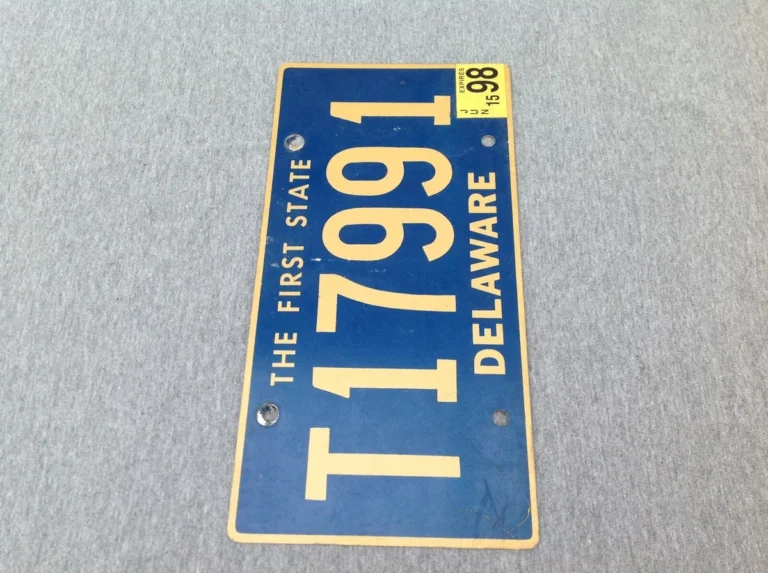
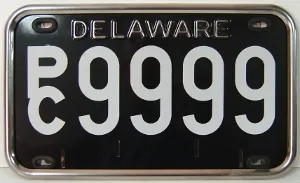
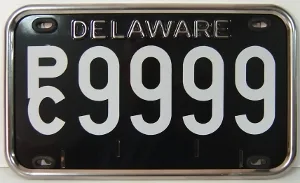
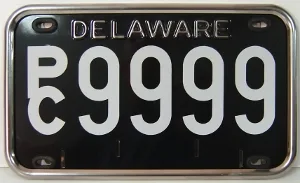
Delaware’s black historic tags are designed for vehicles at least 25 years old. These plates feature a black background with white or silver embossed characters, matching the style of older Delaware plates. They’re non-reflective, unlike modern plates, to maintain historical accuracy.
The tags must be displayed on the rear of the vehicle only, as per Delaware’s historic vehicle laws. They’re not just for show, they’re legal identification that must be visible and legible. The DMV verifies the manufacturer’s authorization before approving the plates for use.
Official vs. Unauthorized Manufacturers: The Legal Difference
The key difference is compliance. Official manufacturers like the Delaware Historic Plate Company have DMV approval, meaning their plates meet state standards. Unauthorized plates, even if they look identical, may not pass inspection.
Using an unauthorized plate can result in a citation or denial of registration. The DMV maintains a list of approved manufacturers, and only their plates are valid for historic vehicles. This rule helps prevent counterfeit plates and ensures consistency across the state.
Delaware DMV’s Authorization Requirements for Historic Plates
The Delaware DMV requires manufacturers to meet specific design and material standards. Plates must use approved fonts, colors, and dimensions to be considered valid. The Historic Plate Company’s black tags adhere to these requirements, which is why they’re authorized.
For a plate to be legal, it must also include the correct state identifier and registration number. The DMV checks these details during the registration process. Verify with the Delaware DMV for the latest updates.
Step-by-Step: Ordering Black Historic Plates from the Authorized Manufacturer
First, confirm your vehicle qualifies as historic under Delaware law. The state typically requires vehicles to be at least 25 years old. Then, visit the Delaware Historic Plate Company’s website or contact them directly to place your order.
You’ll need your vehicle’s registration details and proof of historic status. The manufacturer will verify your information before producing the plates. Processing times vary, but most orders ship within 2 to 3 weeks.
What Delaware’s Black Historic Plates Look Like (Design & Materials)
The plates feature a flat black background with embossed white or silver characters. They use a classic font style that matches Delaware’s mid-20th century designs. The materials are durable metal, built to withstand weather and time.
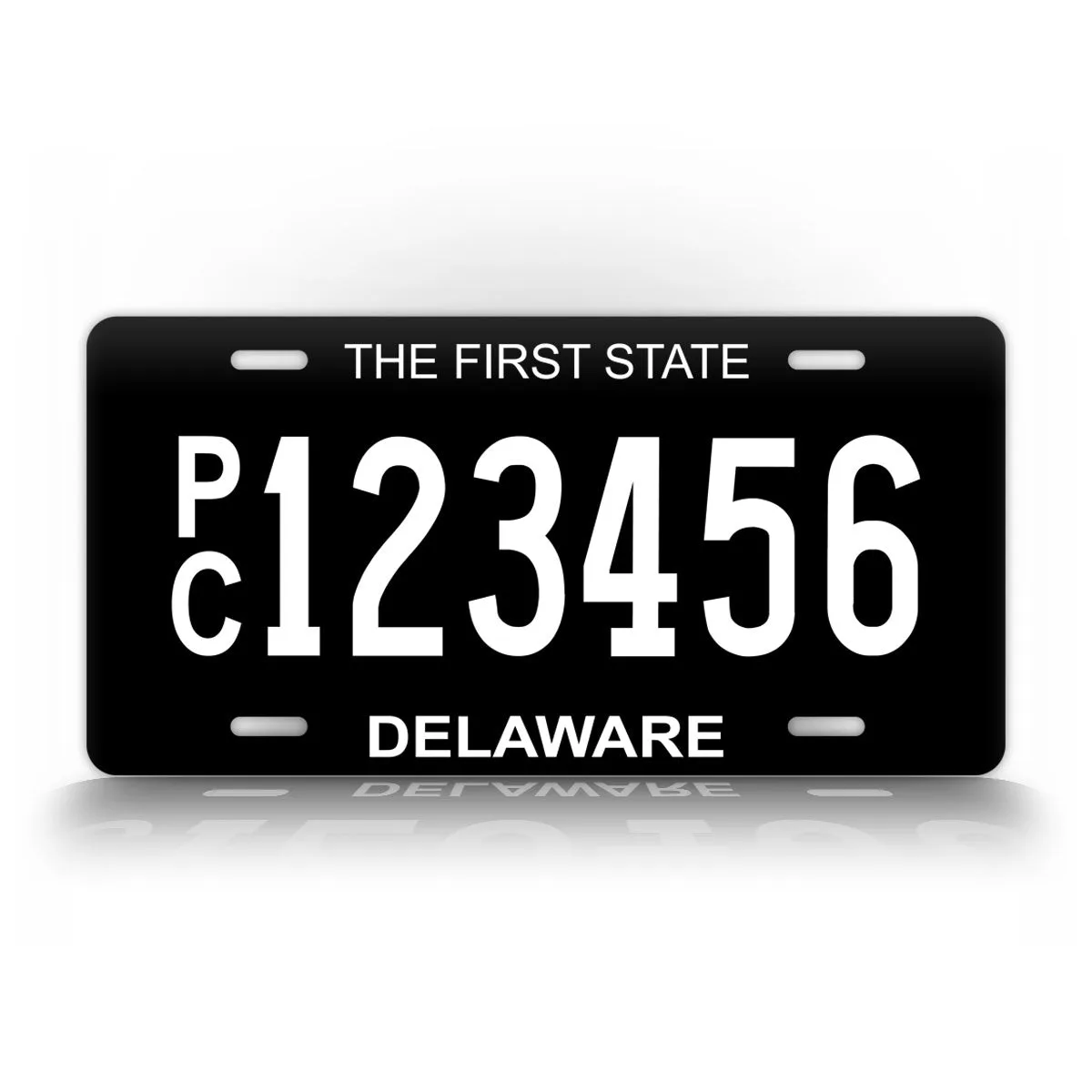
These plates lack the reflective coating of modern tags, staying true to vintage aesthetics. The embossing adds depth and visibility, ensuring they remain legible from a distance.
Who Needs These Plates and Why
Owners of antique or classic cars registered as historic vehicles in Delaware need these plates. They’re required for legal operation on public roads. The black tags also enhance the authenticity of a restored vehicle.
Without proper historic plates, you risk fines or registration issues. These tags also signal to law enforcement that your vehicle meets historic classification standards.
Common Mistakes That Get Your Historic Plates Rejected
Using plates from an unauthorized manufacturer is the top reason for rejection. Even small deviations in design or materials can cause problems. Another common issue is failing to display the plates correctly on the vehicle.
Always double-check that the manufacturer is on Delaware’s approved list. Also ensure the plates are mounted securely and visibly. Improper installation can lead to citations.
Costs, Timelines, and What to Expect When Ordering
Prices for Delaware’s black historic plates typically range from $50 to $100 per set. This includes the manufacturing and shipping costs. Processing times can take up to 3 weeks, depending on demand.
Once ordered, you’ll receive confirmation and tracking information. After installation, keep your receipt and authorization documents in case of inspection. Delaware does not charge additional fees for historic plate registration.
Delaware’s Historic Vehicle Laws You Must Follow
Delaware requires historic vehicles to display approved plates on the rear only. Front plates are not mandatory for historic classifications. The vehicle must also pass a one-time safety inspection.
Annual registration fees are reduced for historic vehicles. However, you must still maintain valid insurance. These laws help preserve Delaware’s automotive heritage while ensuring road safety.
How to Verify a Manufacturer’s Authorization Status
Check the Delaware DMV’s official list of approved manufacturers. The Historic Plate Company should appear there if currently authorized. You can also call the DMV directly to confirm.
Never rely on a manufacturer’s website alone for verification. Some may claim authorization without proper approval. The DMV’s list is the only official source.
Frequently Asked Questions
Are Delaware historic plates valid out of state?
Yes, Delaware’s authorized historic plates are recognized in other states. However, some states may have additional requirements for temporary operation. Always check local laws when traveling.
Can I make my own historic plates?
No, Delaware law prohibits private production of license plates. Only DMV-approved manufacturers like the Historic Plate Company can produce valid tags.
How do I transfer historic plates to a new owner?
The plates stay with the vehicle, not the owner. The new owner must re-register the vehicle and plates under their name. The DMV will verify the plates’ authorization during transfer.
What happens if my historic plates are lost or stolen?
Report the loss to the DMV immediately. You’ll need to order replacements from the authorized manufacturer. Fees may apply for new plates.
Do historic plates expire?
No, Delaware’s historic plates do not expire. However, you must renew your vehicle registration annually. The plates themselves remain valid as long as they stay legible.
Can I use historic plates on a daily driver?
No, historic plates are for vehicles used primarily for exhibitions, parades, or occasional pleasure driving. Regular daily use may disqualify your vehicle from historic classification.