Georgia TAVT estimator and fair market value discrepancy resolution is the process you use when the state's calculated vehicle value doesn't match what you paid. If you've just bought a used car in Georgia, a mismatch can mean an unexpected tax bill at the tag office.
The state sets the Title Ad Valorem Tax at 6.6% as of 2026, applied to the assigned fair market value. That figure comes from the NADA Clean Trade-In base, not your local sale price. Getting it wrong can cost hundreds, so let's look at why these discrepancies happen.

Quick Answer
Georgia TAVT estimator and fair market value discrepancy resolution fixes wrong vehicle tax values. The state uses NADA Clean Trade-In at 80% threshold. You can appeal with bill of sale and MV-1 form.
The Department of Revenue reviews within 30 days. Correct resolutions refund overpaid tax.
Why a TAVT Fair Market Value Discrepancy Can Cost You Real Money
A wrong value on your paperwork hits your wallet fast. The tax is a flat percentage of the state's assigned market value, not just your sale price.
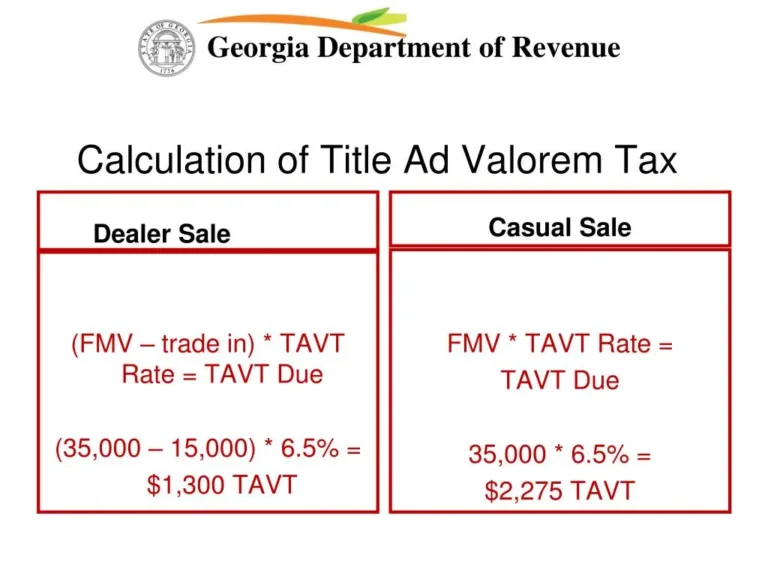
If the estimator shows a higher number than you paid, you overpay at closing. On a $15,000 car, a $3,000 value error adds about $198 in extra tax at the 6.6% rate.
The pain gets worse if you miss the 30-day payment window. Late penalties stack at 10% plus interest under Georgia law.
We've seen private-party buyers blindsided by stale NADA data. Our vehicle compliance blog tracks similar tax issues across states, and Georgia's system is strict.
You also risk a rejected MV-1 form at the county tag office. That means no plate, no legal driving, and more fees to fix it.
How the Georgia TAVT Estimator and FMV Rule Actually Work
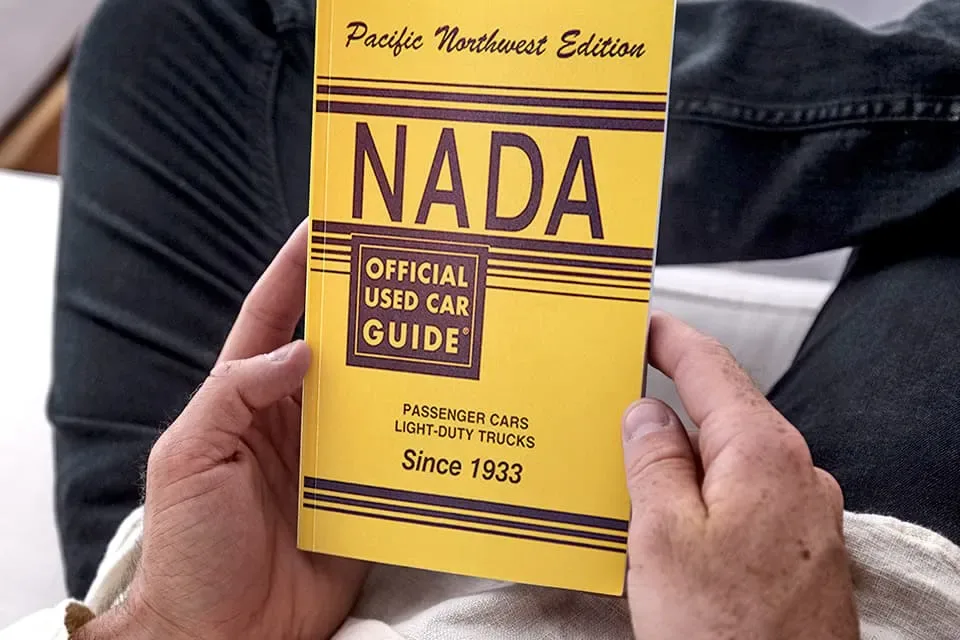
The Georgia DRIVES portal runs the official TAVT estimator for every title transaction. It pulls a VIN-specific value from the NADA Clean Trade-In guide.
The state revenue agency publishes the rate schedule and confirms the 6.6% levy. The estimator does not negotiate or consider your local market conditions.
The 80% NADA Clean Trade-In Threshold
Georgia law uses a simple test for fair market value. If your sale price is at least 80% of the NADA Clean Trade-In value, that price becomes the tax base.
If your price falls below 80%, the state ignores your sale price. It uses the full NADA value instead, which raises your tax.
This rule protects the state from undervalued gifts and family transfers. It also catches messy paperwork from informal sales.
Where the Estimator Pulls Its Numbers
The DRIVES system updates NADA data monthly. It applies the clean trade-in base with no condition adjustment for mileage or damage.
Dealers see the same number on their closing screen. Private sellers and buyers can run the estimator free before visiting the tag office.
Here is how the threshold plays out in practice:
| Sale Price | NADA Value | 80% Threshold | Tax Base Used |
|---|---|---|---|
| $12,000 | $15,000 | $12,000 | $12,000 (match) |
| $10,000 | $15,000 | $12,000 | $15,000 (full) |
| $14,500 | $15,000 | $12,000 | $14,500 (match) |
Other states handle valuations differently, like CT antique plate rules show separate standards for old cars. The Georgia method stays rigid on the NADA base.
Common FMV Discrepancy Triggers on the MV-1 Form
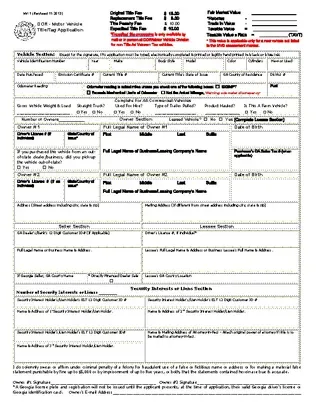
The MV-1 Title/Tag Application is where most errors surface. You list the sale price, date, and vehicle details under penalty of perjury.
A frequent trigger is a typo in the VIN or sale amount. The DRIVES system then fetches a mismatched value tier.
Another is a bill of sale that shows a very low gift value. The 80% rule kicks in and the tax jumps to full NADA.
Out-of-state vehicles get forced into Georgia FMV with no local comps. New residents often see a higher number than their purchase state assigned.
Classic cars with low mileage skew the algorithm. The estimator cannot see a restored engine or a damaged body panel.
Step-by-Step: Resolving a Georgia TAVT FMV Discrepancy
You can fix an inflated value before you pay. The process needs documentation and a clear timeline.
Gather Your Bill of Sale, VIN, and NADA Printout
Pull the signed bill of sale showing the real price. Print the current NADA Clean Trade-In page for your VIN.
Write the VIN clearly on every page. The DOR reviewer checks the number against the DRIVES record.
If you have a private appraisal, include it. Local market comps from classifieds help show the true value.
File the MV-1 Statement and DOR Value Review
Attach a statement of facts to the MV-1 form. Explain why the NADA base is wrong for your specific car.
Submit the package to the county tag office or directly to the DOR. Keep a copy with the date stamp.
The reviewer classifies this as a fair market value review. You do not need a lawyer for most standard cases.
What to Expect in the 30-Day Determination
The Department of Revenue typically responds within 30 days. They either accept your evidence or uphold the original value.
If approved, you pay the corrected TAVT and get your tag. Overpaid amounts trigger a refund check later.
If denied, you can escalate with more comps. A tax pro can help at this stage.
After tags are sorted, a salt removing wash soap keeps the car clean from winter road grit. That step is separate from the tax fix but a good habit.
Mistakes That Stall Your Discrepancy Appeal or Trigger Penalties
Missing the 30-day payment clock is the biggest error. File the review but pay under protest if the deadline nears.
Weak documentation kills claims fast. A handwritten slip without VIN or date gets rejected.
Don't alter the MV-1 after filing. Crossed-out numbers look like fraud and draw audit flags.
Some buyers ignore the notice and drive untagged. That brings citations and possible abandoned car removal steps if the vehicle is left on public land.
Accepting a dealer's verbal promise without paper evidence risks permanent overpay. Get the corrected estimator run in writing.
Per Georgia Code, false value statements carry penalty of perjury. The risk is real, so keep every record honest.
TAVT Rate, Late Fees, and Refund Data You Should Know
The current TAVT rate is 6.6% as of 2026. This percentage applies to the assigned fair market value, not just your sale price.
Late payment triggers a 10% penalty plus interest. The clock starts after the 30-day title window closes.
Refunds arrive after a successful value appeal. The DOR issues a check for the overpaid tax portion.
Here are the core numbers you should track:
| Metric | Value |
|---|---|
| TAVT rate | 6.6% |
| FMV threshold | 80% of NADA |
| Payment window | 30 days |
| Late penalty | 10% plus interest |
| Review turnaround | 30 days |
The NADA guide updates monthly. That means a delay in filing can pull a newer, higher value.
We've seen refunds take 60 to 90 days after approval. Plan your cash flow around that wait.
Dealer-Collected TAVT vs Self-Filed at the County Tag Office
Dealers collect TAVT at closing and submit the MV-1 for you. This suits buyers who want a one-stop process.
Self-filing at the county tag office works for private sales. You control the paperwork and can attach discrepancy evidence directly.
The dealer path is faster for clean transactions. The self-file path gives you more say on value disputes.
Here is a quick comparison:
| Method | Best For | Risk |
|---|---|---|
| Dealer collected | New car buyers | Less oversight on value |
| Self-filed | Private party | Must meet 30-day clock |
If a dealer overstates value, you still file a DOR review. The correction follows the same steps we covered earlier.
Some counties charge a tag fee on top of TAVT. Check your local Tax Commissioner page for the exact add-on.
Legal Compliance and Fraud Risks Under Georgia Code § 48-5C
Georgia Code § 48-5C governs the Title Ad Valorem Tax. False statements on the MV-1 carry penalty of perjury.
The DOR holds audit authority on any vehicle valuation. They can request proof of sale years later.

Intentional undervalue to dodge tax is fraud. Penalties include back tax, fines, and possible criminal charge.
The official agency site explains the statute in plain language. You can read the rules at the Georgia Department of Revenue.
Keep your bill of sale and NADA printout for at least three years. That documentation protects you in an audit.
County agents follow the same state standard. They cannot override the 80% threshold on their own.
Expert Tips for Keeping Your Vehicle Valuation Clean
Run the DRIVES estimator before you sign the sale papers. You'll know the tax base before money changes hands.
Write the VIN on every supporting document. A missing number slows the review by weeks.
Use a clear, dated bill of sale with both names. Handwritten notes without ID get rejected fast.
For out-of-state cars, pull local comps early. The estimator ignores your old state's market entirely.
A simple car wash after registration keeps the body looking sharp. Our review of a gentle foam gun shows easy exterior care.
If the value looks wrong, file the review the same week. Waiting near day 30 limits your refund options.
When to Get a Tax Pro or Contact the DOR Directly
Complex cases with business fleets need a tax professional. Multiple VINs and depreciation curves confuse the basic form.
If your first review is denied, escalate to the DOR in writing. Include stronger comps from licensed dealers.
Contact the agency directly when the county office gives conflicting advice. The state portal offers a message line for value disputes.
We suggest a pro when the gap exceeds $5,000 in assigned value. The potential refund justifies the fee.
Don't call the tag office for legal interpretation. They process paper, they don't rule on statute.
Stick to documented facts in every message. A calm, evidence-based note gets a faster answer.
FAQ: Georgia TAVT Estimator and FMV Discrepancy Questions
How do I run the Georgia TAVT estimator before buying?
You can use the DRIVES portal on any device with the VIN ready. The tool shows the NADA base and the 80% threshold instantly. Run it before signing so you know the tax bite.
This prevents surprise bills at the tag office later.
What if the dealer already paid the wrong TAVT amount?
You can still file a value review with the Department of Revenue. Attach your bill of sale and the dealer closing statement to the MV-1. The refund comes after the state approves the corrected base.
Some folks compare this to handling an abandoned car procedure when paperwork goes wrong.
Can I use a private appraisal instead of NADA?
Yes, a licensed appraisal helps show true market value. The reviewer weighs it against local comps and the 80% rule. It works best for classic or modified vehicles the guide misses.
Keep the document dated and signed for clean evidence.
Does the 80% rule apply to gifted vehicles?
The threshold still applies to gifts and family transfers. If the stated value is below 80% of NADA, the state uses full value. You avoid this by showing a fair price or valid appraisal.
Similar documentation rules apply when you handle an address change deadline in CA after a move. The antique plate eligibility in CT shows how states vary on value proof.
How long does a TAVT refund take after approval?
The DOR typically issues the check 60 to 90 days after the review clears. You get the overpaid tax portion only, not the penalty you avoided. Track the date and call if it slips past 90.
A salt off the paint wash keeps the car looking good while you wait.
What happens if I miss the 30-day payment window?
A 10% penalty plus interest stacks on the owed tax. You can still appeal, but pay under protest to stop the clock. The county tag office will not issue a plate until the base clears.
Our foam gun method keeps the new ride clean during the wait.