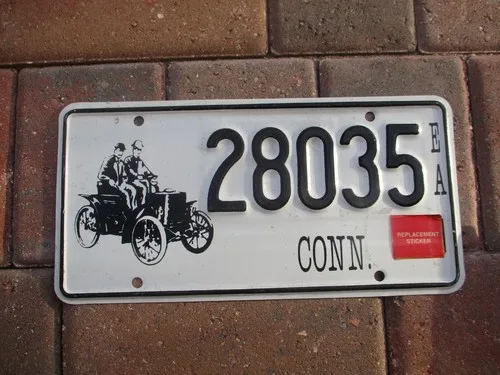
Connecticut historic vehicle and early American plate eligibility rules can be confusing, but the basics are straightforward. The state offers special plates for older cars, but the age cutoff and plate type matter.
As of 2026, vehicles must be at least 20 years old to qualify for historic status, while early American plates have stricter authenticity requirements. Here’s how to know if your car makes the cut.
Quick Answer
Connecticut historic vehicle and early American plate eligibility rules require a car to be 20+ years old. Early American plates must match the vehicle’s model year. Historic plates allow reproductions.
Original plates need verification.
How Connecticut Defines Historic vs. Antique vs. Classic Vehicles
Connecticut uses clear age thresholds. A historic vehicle is 20 years or older. Antique vehicles are often 25+ years old, but the state doesn’t always distinguish them separately for plating purposes.
Classic cars don’t have a strict legal definition in Connecticut, but they’re typically 15, 25 years old. For plating, the 20-year rule is what matters most.
Early American Plate Eligibility: What Counts and What Doesn’t
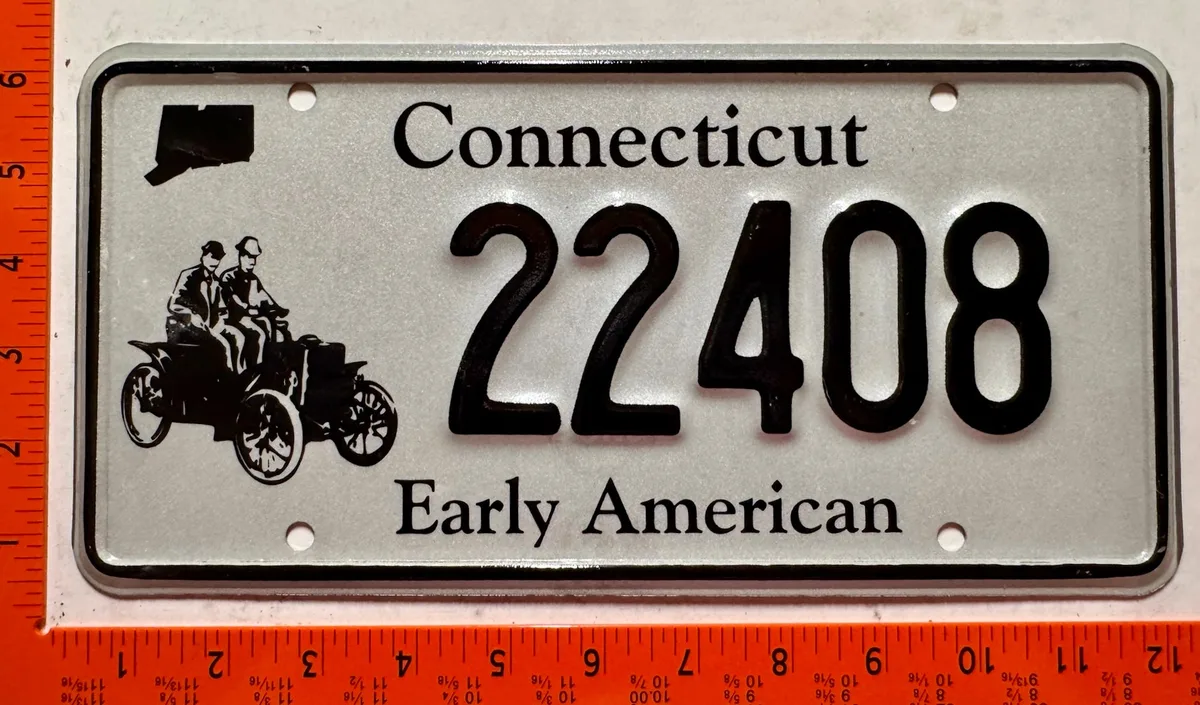
Early American plates are for vehicles that match the plate’s era. The plate must be from the same year or a year the vehicle could have legally used it. Connecticut allows original plates only if they’re legible and in good condition.
Reproductions are permitted for historic vehicles, but they must closely resemble the original design. The DMV may reject plates that don’t meet size, color, or character standards.
Step-by-Step: How to Register for Historic or Early American Plates in CT
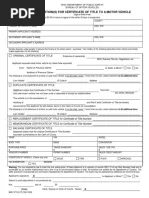
Start by confirming your vehicle’s age. If it’s 20 years or older, you’re eligible for historic plates. For early American plates, ensure the plate matches the vehicle’s model year.
Gather your documents. You’ll need the title, proof of insurance, and a completed Application for Registration and Title (Form H-13B). If using original plates, include a verification form.
Submit everything to your local DMV office. They’ll inspect the vehicle and plates if required. Fees are $20 for a two-year registration.
Required Documents and Inspections You Can’t Skip
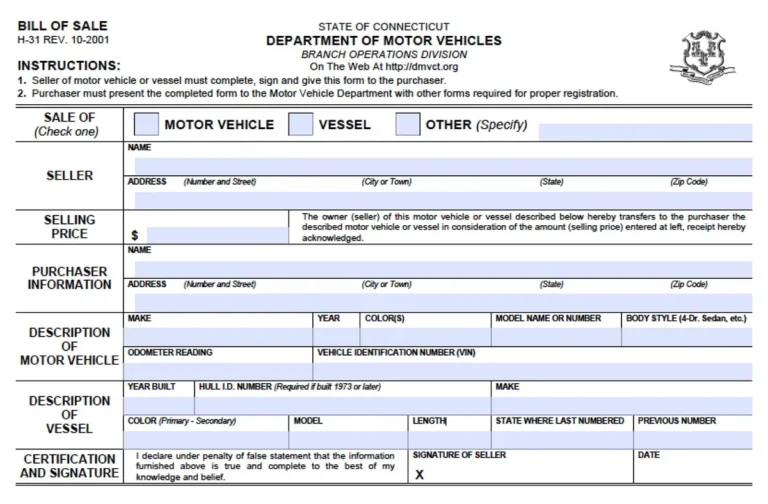
You must provide proof of ownership, usually the title. If the vehicle is newer than 20 years, it won’t qualify. A bill of sale works if the title is unavailable, but additional verification may be needed.
Insurance is mandatory. Connecticut requires minimum liability coverage even for historic vehicles. Some insurers offer specialized classic car policies.
For early American plates, the DMV may inspect the plate’s condition. If it’s faded or damaged, they’ll reject it. Reproductions must meet state specifications for reflectivity and legibility.
Costs, Fees, and Tax Implications for Historic Vehicles in Connecticut
Historic vehicle registration in Connecticut costs $20 for a two-year period. This is cheaper than standard passenger vehicle registration. Early American plates carry the same fee.
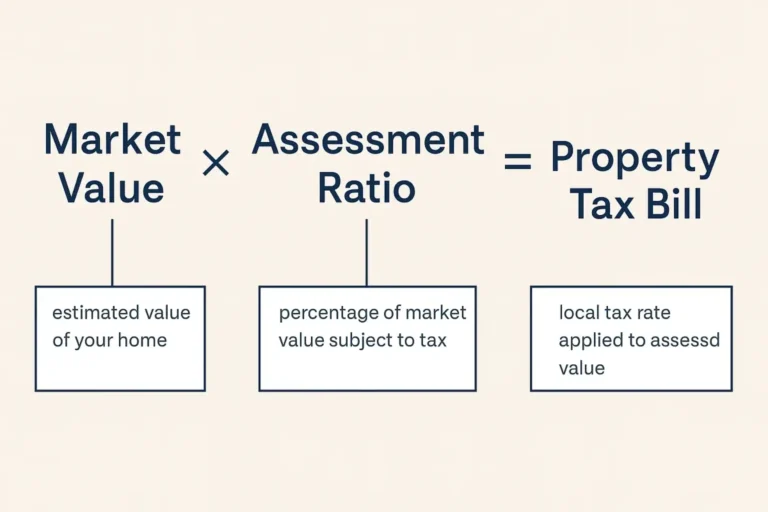
Property taxes may still apply. Connecticut taxes vehicles based on their assessed value, even if they’re registered as historic. Some towns offer exemptions or reductions for antique cars.
Check with your local tax assessor’s office. Rules vary by municipality, and not all offer breaks for historic vehicles.
Emissions Testing and Other Exemptions You Might Get
Vehicles 25 years or older are exempt from Connecticut’s biennial emissions testing. This applies to most historic and antique vehicles. Newer classics may still need testing.
Safety inspections are still required. Even exempt vehicles must pass a basic safety check every two years. This covers brakes, lights, and other critical systems.
Out-of-state vehicles must comply when registered in Connecticut. If you move here with a historic car, you’ll need to meet the state’s rules within 60 days.
Common Mistakes That Get Your Application Rejected
Using the wrong form is a top reason for rejection. The DMV requires Form H-13B for historic vehicles. Double-check before submitting.
Plate condition matters. Faded, cracked, or illegible plates won’t pass inspection. Reproductions must meet state standards for reflectivity.
Missing documentation slows the process. Always bring the title, proof of insurance, and any prior registration. Without these, the DMV can’t process your request.
Original vs. Reproduction Plates: Which Can You Use?
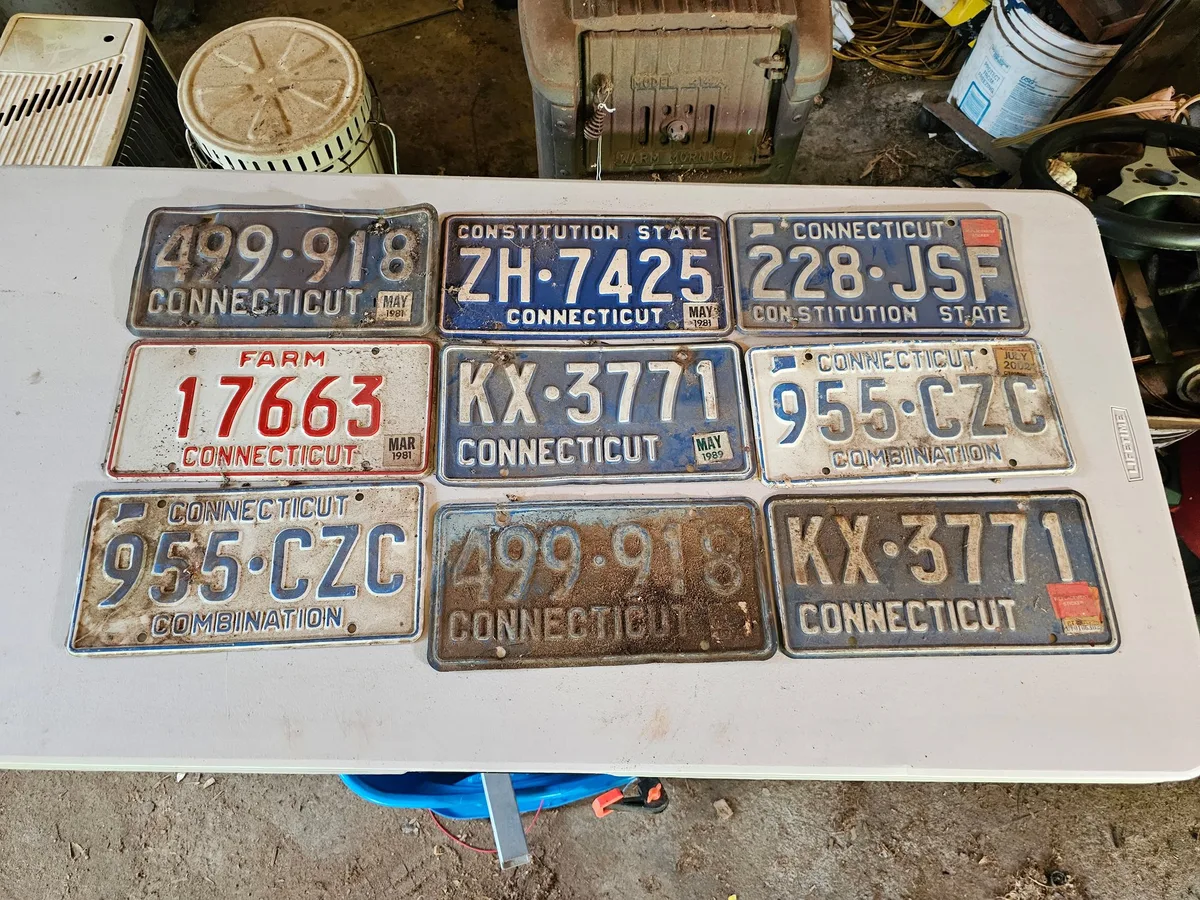
Original plates are allowed if they’re in good condition. They must be legible and match the vehicle’s era. The DMV may require verification of authenticity.
Reproduction plates are permitted for historic vehicles. They must closely resemble the original design and meet size and color standards. Poor-quality reproductions will be rejected.
Early American plates have stricter rules. Originals are preferred, but reproductions may be accepted if they’re accurate. Check with the DMV before ordering custom plates.
Out-of-State Vehicles: How to Transfer Registration to CT
You have 60 days to register an out-of-state vehicle in Connecticut. This applies to historic cars as well. Start the process as soon as you establish residency.
Bring the out-of-state title and proof of insurance. The DMV will verify the vehicle’s age and condition. If it meets the 20-year threshold, you can apply for historic plates.
Some states have reciprocal agreements. If your vehicle was already registered as historic elsewhere, the transfer may be simpler. Still, you’ll need to meet Connecticut’s specific requirements.
Insurance Requirements for Historic and Early American Plate Vehicles
Connecticut requires minimum liability insurance for all registered vehicles, including historic ones. The state minimum is $25,000 per person for bodily injury, $50,000 per accident, and $25,000 for property damage.
Many owners opt for specialized classic car insurance. These policies often include agreed-value coverage, which pays a predetermined amount if the vehicle is totaled. Standard policies may not cover the full value of a restored classic.
Check with your insurer before registering. Some companies require an appraisal or photos of the vehicle. Others offer discounts for limited mileage or storage in a garage.
Where to Get Help: Official CT DMV Resources and Car Clubs
The Connecticut DMV website has the most current forms and requirements. You can download the historic vehicle application and find office locations there.
Local car clubs can offer guidance. Groups like the Connecticut Valley Region of the Antique Automobile Club of America (AACA) often help members with registration questions. They may also host events where you can see eligible vehicles firsthand.
For plate authentication, the DMV is your only official source. They can confirm whether a plate meets state standards. Third-party vendors may sell reproductions, but the DMV has final approval.
Frequently Asked Questions
What’s the youngest a car can be to qualify for historic plates?
A vehicle must be at least 20 years old. The cutoff is based on the model year, not the manufacture date. For example, a 2006 model qualifies in 2026.
Can I use my grandfather’s original 1950s plate on my historic car?
Yes, if the plate is in good condition and legible. The DMV may require verification that it matches the vehicle’s era. Reproductions are also allowed if they meet state standards.
Do historic vehicles need emissions testing in Connecticut?
No, vehicles 25 years or older are exempt. However, they still need a biennial safety inspection. Newer classics may still require emissions testing.
How much does it cost to register a historic vehicle in Connecticut?
The fee is $20 for a two-year registration. This is lower than standard passenger vehicle fees. Early American plates have the same cost.
Can I drive my historic car daily?
Yes, but there are no special restrictions. However, some insurance policies for classic cars limit mileage. Check your policy terms before using it as a daily driver.