ByMax Lee
Georgia Specialty Plates: Application & Annual Mfg Fees
The Georgia specialty license plate application and annual manufacturing fees catch a lot of drivers off guard when they switch from a standard tag. Most folks expect to pay just the regular registration, then get surprised by extra charges at the county window. We've seen the confusion grow as more cause-based designs hit the catalog.
In our research of Georgia Department of Revenue fee schedules, the base manufacturing fee is a flat $25 per specialty plate as of 2026. That one-time charge sits on top of a recurring annual fee that ranges from $20 to $50 depending on the plate. Per Georgia Code § 40-2-150, both fees are collected at issuance.
This split is the first thing to understand before you apply.
What Trips People Up With Georgia Specialty Plates
Most mistakes start with mixing up the two fee types. If you think the specialty plate costs the same as a standard tag, you'll owe more at checkout. The county clerk will not wave the extra charge.
Some drivers forget eligibility proof. If you want a veteran plate, you must show a DD214 form. No document means no plate, even if you qualify.
Others assume every design works on every vehicle. If you ride a motorcycle, many collegiate or wildlife plates are not offered. You'll need to pick from the approved list for your vehicle class.
Timing causes trouble too. If you apply close to your registration birthday, the 6 to 8 week production delay can leave you with a temporary permit. Plan early to avoid driving on expired tags.
Our vehicle tag research covers these snags in detail. The goal is to keep your trip to the tag office painless.
Quick Answer: The Two Fees You'll Actually Pay
The Georgia specialty license plate application and annual manufacturing fees involve two charges. A $25 one-time manufacturing fee applies to every new plate. An annual fee between $20 and $50 goes to the sponsor.
Both are paid at the county tag office during issuance. Renewals only require the annual fee plus standard registration tax.
How Georgia Specialty Plate Fees Work
The state treats the manufacturing fee and the annual fee as separate line items. The $25 base manufacturing fee covers the physical plate production. It goes to the state general fund, not the sponsoring group.
The annual fee is the ongoing support payment. It flows to the college, charity, or agency tied to the design. For example, a wildlife plate sends its annual portion to conservation programs.
Here is the basic split:
| Fee type | Amount | Collected when | Who receives it |
|---|---|---|---|
| Manufacturing | $25 flat | First issue only | Georgia state fund |
| Annual | $20 to $50 | Every renewal | Plate sponsor |
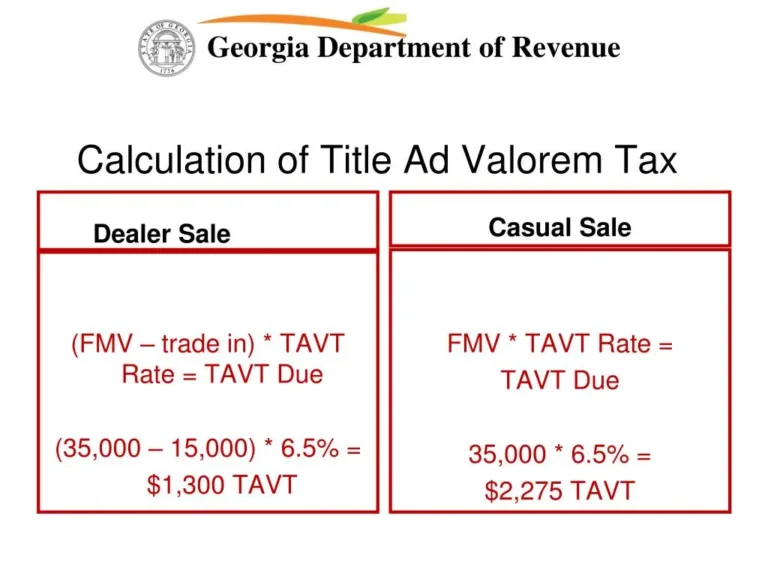
You still owe standard registration taxes on top. Title Ad Valorem Tax (TAVT) applies to new registrations at 7 percent of value. The specialty fees are added after that calculation.
The Department of Revenue posts the official schedule at dor.georgia.gov. If you moved from another state, the same two fees apply after the out-of-state title clears.
Which Plate Fits Your Situation
Your best plate depends on affiliation and vehicle type. We'll walk through the main branches so you can pick fast.
Standard vs Specialty vs Personalized
A standard Georgia plate costs nothing extra beyond registration. If you just need legal identification, skip the specialty route.
A specialty plate shows a cause or group and carries the two fees above. If you want to support a college or wildlife fund, this is the pick.
A personalized plate is different. It uses a standard design but lets you choose letters. That has its own fee and no annual sponsor payment.
Don't confuse it with a specialty design.
Collegiate, Military, Wildlife, and Cause-Based Paths
Collegiate plates need alumni proof or student status. If you graduated from a Georgia university, bring the membership card.
Military plates require discharge papers or active duty orders. Some veteran tags are free of the annual fee, but the $25 manufacturing still applies.
Wildlife plates are open to any resident. They fund habitat work and look great on trucks.

Cause-based plates support health or service groups. If you care about a specific mission, check the DOR catalog for the active list.
Our plate design notes track catalog changes each year. The right choice saves you from a second application later.
Step-by-Step: Applying for Your Georgia Specialty Plate
Follow this workflow to avoid back-and-forth trips. We've mapped it to the real county process.
Check Eligibility and Gather Proof
First, pick your plate from the DOR catalog. If it needs proof, collect that paper now.
- Collegiate: alumni card or transcript
- Military: DD214 or orders
- Cause: sometimes a membership number
Skip this and the clerk will turn you away. If your name differs from the document, bring a matching ID.
Submit Through DRIVES or Your County Tag Office
You can start online via the Georgia DRIVES e-Services portal. If the plate is your first specialty, most counties still want an in-person visit.
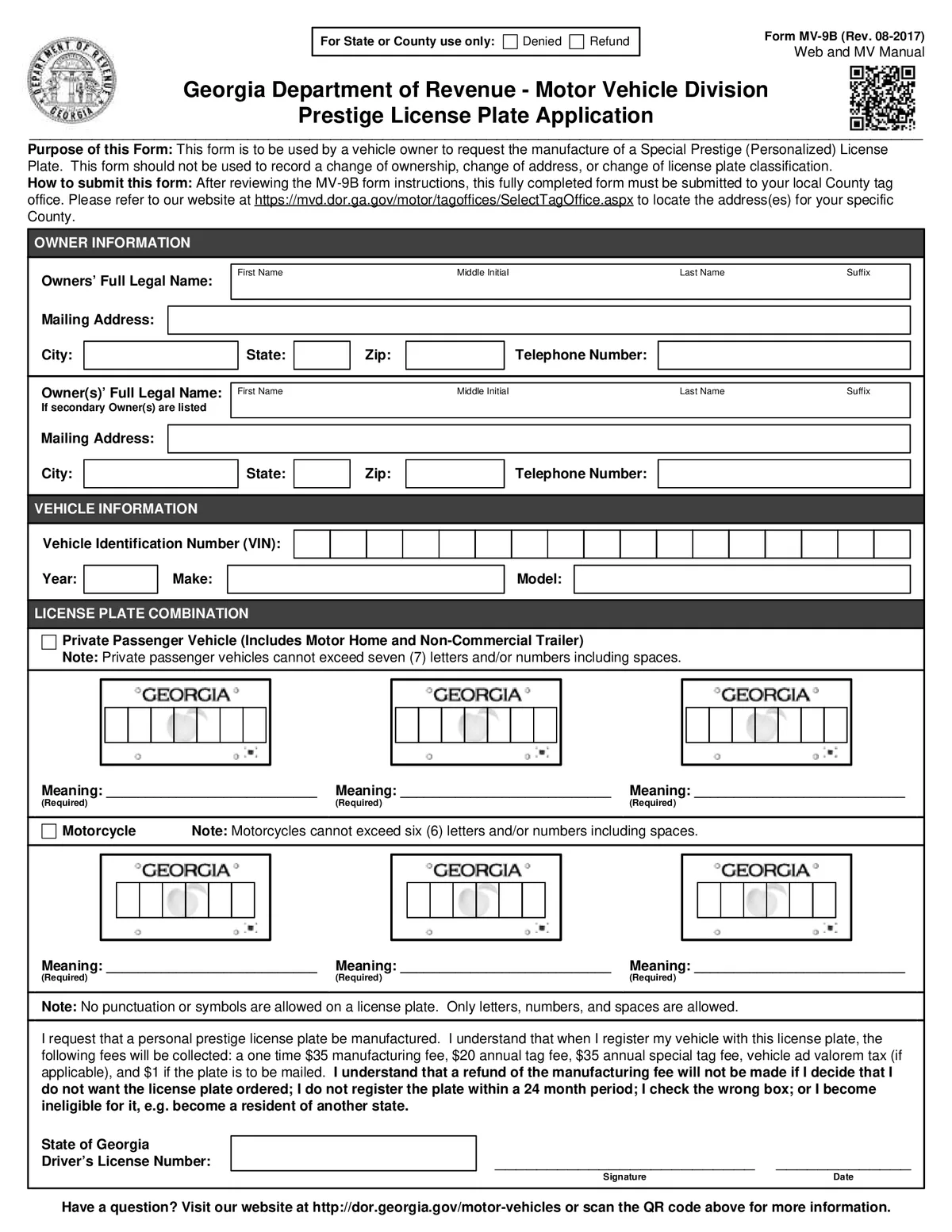
Bring your current registration and proof to the tax commissioner. Fill the MV-9B style form at the desk. The staff will verify the design fits your vehicle.
If you moved within Georgia, update address first. The registration update guide has a short walkthrough on that step.
Pay the Manufacturing Fee and Annual Charge
At submission, pay the $25 manufacturing fee. Then pay the annual fee for your chosen plate.
Expect to also pay TAVT if the vehicle is newly registered. The clerk prints a receipt with both specialty lines itemized.
You'll get a temporary operating permit if the real plate is not in stock. Production runs 6 to 8 weeks. Watch your mailbox for the stamped metal tag.
Costs and Timing You Should Plan Around
The $25 manufacturing fee is fixed, but your total outlay varies by plate. Annual sponsor fees run from $20 to $50 per our review of the 2026 DOR catalog. Add the county admin charge of $1 to $2 and you see the real cost.
Standard registration taxes still apply on top. If your vehicle is new to Georgia, TAVT takes 7 percent of the assessed value. The specialty plate does not change that math.
Here is a simple cost picture for a typical first year:
| Charge | Low end | High end |
|---|---|---|
| Manufacturing (first year) | $25 | $25 |
| Annual sponsor fee | $20 | $50 |
| County admin | $1 | $2 |
| Registration tax | varies | varies |
Production takes 6 to 8 weeks after approval. If you apply in your birthday month, order early to avoid a gap. The seasonal delay tracker on our site logs typical wait times.
A real example helps. A driver picking a $35 wildlife plate pays $25 plus $35 plus $2 admin in year one. At renewal, only the $35 annual and reg tax repeat.
That split is easy once you see it.
Renewing and Transferring Your Specialty Plate
Renewal is simpler than first issue. You pay the annual sponsor fee with your birthday month registration through DRIVES or the county office. The $25 manufacturing fee does not return.
If you miss the annual payment, the county flags your registration. Late penalties build fast, so set a calendar reminder. The plate stays valid only with active registration.
Transferring to a new vehicle needs a county visit. Bring the plate and new vehicle title to the tax commissioner. You pay a transfer fee, not a new manufacturing charge, if the plate is current.
If you sell the vehicle, keep or surrender the plate per county rule. Georgia lets you move it to your next car within the same plate class. That saves the $25 next time.
Common Mistakes That Cost Time or Money
Forgetting eligibility proof is the top error. Without a DD214 or alumni card, the clerk cannot issue the tag. You make a second trip.
Some drivers pay only the standard reg fee at renewal. They skip the annual sponsor line and get a notice later. That adds penalty interest to the original fee.
Assuming every plate fits every vehicle wastes time. Motorcycles and trailers have a short approved list. Check the catalog before you wait in line.
The 6 to 8 week production window surprises many. If you apply late, you drive on a temporary permit past its date. File a month early to stay legal.
False eligibility claims carry real risk. Per Georgia Code, faking veteran status is a misdemeanor. Always bring the genuine document.
Legal Rules for Display and Eligibility
Georgia requires most vehicles to display the plate on the rear only. It must be lit, legible, and bolted securely. A loose or obscured tag draws a citation.
Personalized text on specialty plates cannot be obscene or misleading. The DOR rejects duplicates and offensive phrases. Keep your message clean and unique.
False eligibility claims are a misdemeanor under state law. If you claim military status without proof, you face charges. The county verifies before issuing.
Active registration must back the plate at all times. If you let the reg lapse, the specialty tag is not legal to display. Renew on time every birthday month.

The plate design itself stays state property. You cannot alter colors or add stickers outside the issued format. Curious how other states handle old vehicle tags?
Our historic plate rules page shows a contrast.
Decision Guide: Is a Specialty Plate Worth It for You?
If you support a cause and can spare $45 to $77 yearly, pick a specialty plate. The fee backs a group you value. That is a fair trade.
If you just need the cheapest legal tag, stay with the standard plate. No extra fees apply. Skip the specialty line entirely.
If you want custom letters but no sponsor, choose a personalized standard plate. It costs differently and avoids the annual charge. The tag type breakdown on our site lays it out.
If you ride a motorcycle, check the approved list first. Many designs are car only. Pick a valid one or keep standard.
If you move vehicles often, the transfer step saves the $25 fee. Keep the plate current and move it with you. That is the smart play.
FAQs on Georgia Specialty License Plates
How much is the Georgia specialty plate manufacturing fee?
The state charges a flat $25 manufacturing fee for every new specialty plate as of 2026. This one-time cost applies only at first issuance and covers the physical production of the aluminum tag. The money goes to the state general fund, not the plate sponsor.
Do I pay the annual specialty fee every year?
Yes, the annual sponsor fee repeats at every registration renewal. It ranges from $20 to $50 depending on the plate design you chose. You pay it alongside your standard registration tax during your birthday month.
The $25 manufacturing fee does not return after year one.
Can I apply for a specialty plate online?
You can start the process through the Georgia DRIVES e-Services portal for some plates. Most first time specialty issuances still require an in-person county tag office visit to verify eligibility documents. Renewals are easier and can be done fully online.
Check your county rule before you skip the trip.
What documents do I need for a military specialty plate?
You must show a DD214 discharge form or active duty orders at the county office. Some plates also need a branch verification or veteran ID card. The $25 manufacturing fee still applies, though certain disabled veteran tags waive the annual fee.
Bring a matching photo ID with the paperwork.
How long does it take to get the physical plate?
Production and mailing take about 6 to 8 weeks after the county approves your application. You receive a temporary operating permit to drive legally while you wait. Apply at least a month before your registration birthday to avoid a lapse.
Late filing means a longer gap on the road.