Getting a Hawaii safety inspection failure for illegal window tint or exhaust noise is frustrating but avoidable. Hawaii’s rules are strict, and even small modifications can trigger a rejection sticker. The good news is the fixes are usually simple once you know the exact limits.
Per Hawaii Revised Statutes, front side windows must allow at least 35% light through, and exhaust noise can’t exceed 92 decibels. Miss either, and you’ll be sent away to correct it. Here’s how to stay on the right side of the law.
Quick Answer
Hawaii safety inspection failure for illegal window tint or exhaust noise happens when front side windows block over 65% of light. Exhaust systems louder than 92 dB also fail. Inspectors check both with standardized tools.
Fix the issue, then retest within 30 days.
Hawaii’s Exact Window Tint Rules (What’s Legal vs. Illegal)
Hawaii’s window tint laws are clear but often misunderstood. The front side windows must allow at least 35% visible light transmission (VLT). That means the tint can block up to 65% of light, but no more.
Rear side windows and the rear window have no darkness limit, but they can’t be red or amber. Reflective tint is also restricted, it can’t be more reflective than a standard window.
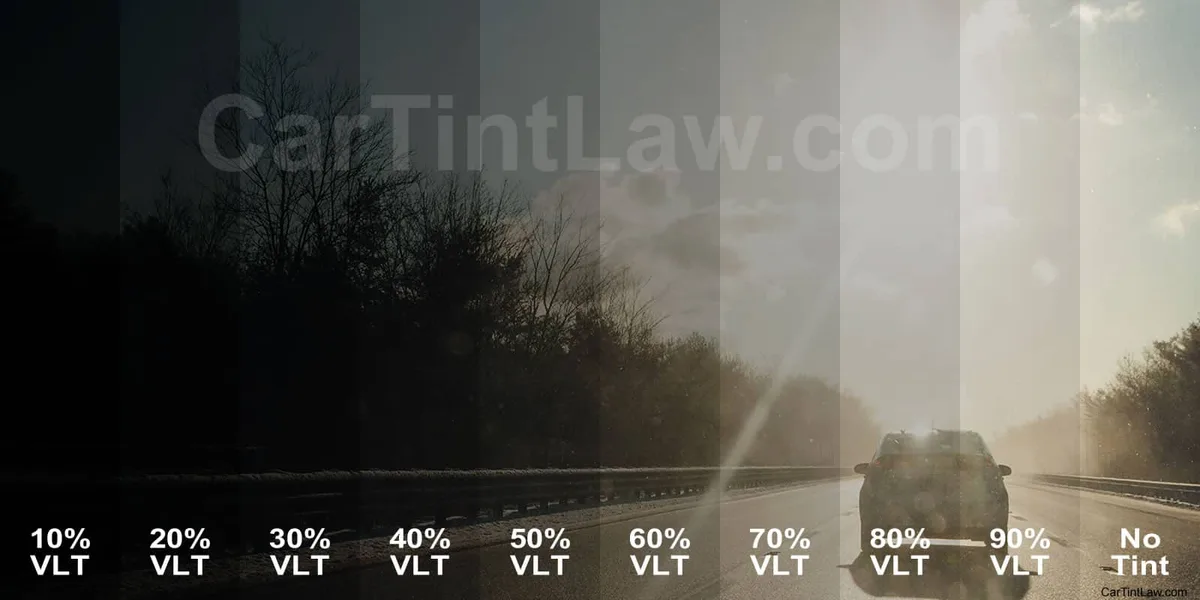
Factory-installed tint is usually compliant, but aftermarket tint often isn’t. If your car has dark front windows, check the VLT percentage before your inspection. A quick test with a tint meter can save you a trip back.
Medical exemptions exist but require documentation from the Hawaii Department of Transportation.
Hawaii’s Exhaust Noise Limits and How They’re Tested
Hawaii’s noise limit for vehicles is 92 decibels (dB), measured at 50 feet. Stock exhaust systems typically stay under this, but aftermarket modifications often push past it.
Inspectors use a decibel meter to test noise levels. They’ll rev the engine to a specific RPM and measure the sound. If it’s too loud, you’ll fail on the spot.
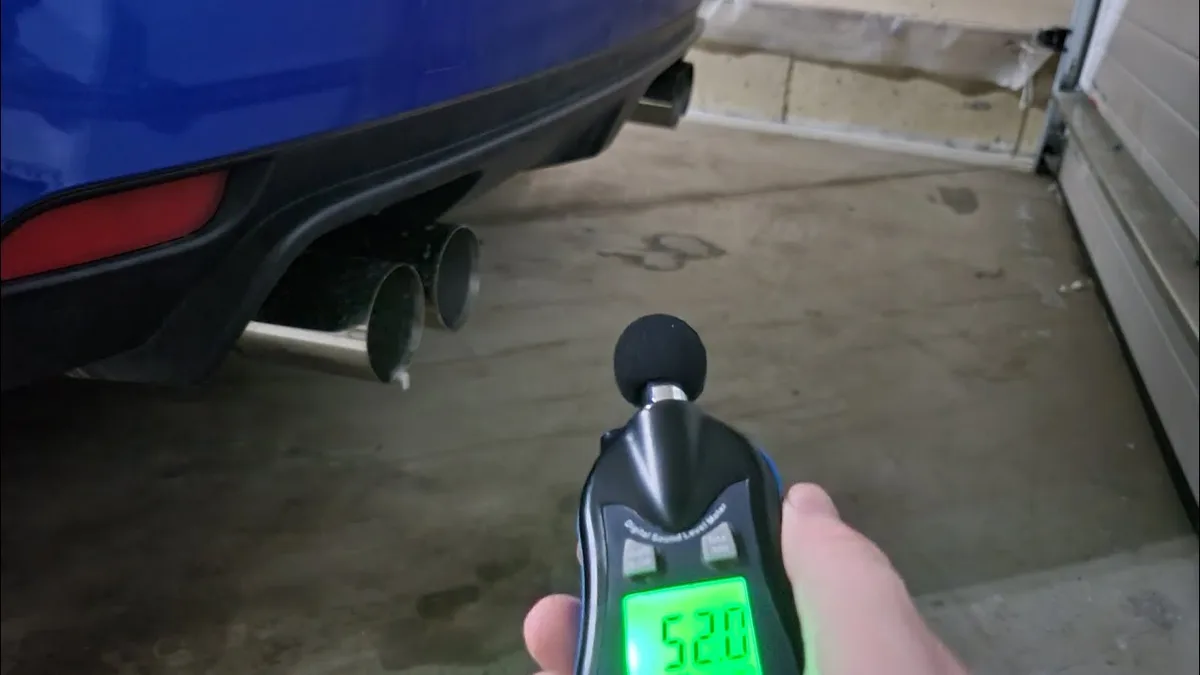
Common culprits for excessive noise include:
- Straight-pipe exhausts (no muffler)
- Modified mufflers or deleted catalytic converters
- Aftermarket exhaust systems without proper sound dampening
If you’ve modified your exhaust, check the noise level before inspection. Many auto shops can test it for you.
Common Reasons for Failure (And How to Spot Them Before Inspection)
Most failures come down to two things: tint that’s too dark or exhaust that’s too loud.
Window tint issues:
- Front side windows below 35% VLT
- Reflective tint exceeding legal limits
- Tint that’s peeling, bubbling, or improperly installed
Exhaust noise issues:
- Aftermarket exhaust systems without noise control
- Missing or damaged mufflers
- Straight-pipe setups
A quick visual check can catch obvious problems. For tint, look for a certification sticker. For exhaust, listen for a deep, rumbling sound that’s louder than stock.
Step-by-Step Fixes for Illegal Tint
If your tint is too dark, you’ve got a few options. The simplest is to remove it entirely. Many auto shops offer tint removal services, usually for $50, $150.
If you want to keep some tint, replace the front side windows with 35% VLT film. Rear windows can stay as dark as you like, as long as they’re not red or amber.
Here’s how to fix it:
- Check the current tint with a VLT meter.
- Remove non-compliant tint if it’s below 35% on front windows.
- Reapply legal tint if you want to keep some darkness.
- Get a certification sticker from the installer.
Step-by-Step Fixes for Exhaust Noise Violations
If your exhaust is too loud, start by identifying the source. A straight-pipe setup or missing muffler is the most common culprit. Reinstalling the stock muffler usually brings noise back under 92 dB.
For aftermarket systems, check if the manufacturer offers a quieter option. Some performance exhausts include sound-dampening features. If not, a professional can weld in a resonator to reduce noise without sacrificing performance.
Here’s the process:
- Test the noise level with a decibel meter at an auto shop.
- Inspect the exhaust system for leaks or missing components.
- Replace or modify the muffler/resonator to meet the 92 dB limit.
- Retest before returning for inspection.
What Happens If You Fail (Fines, Retests, and Next Steps)
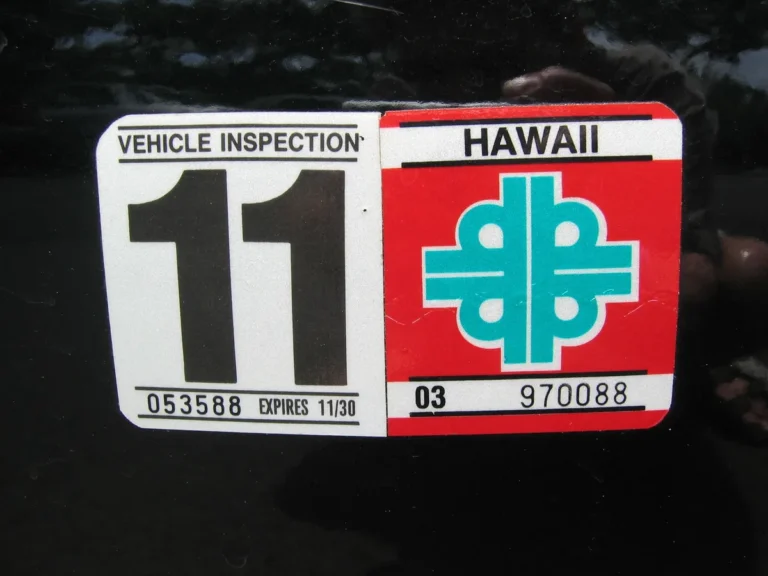
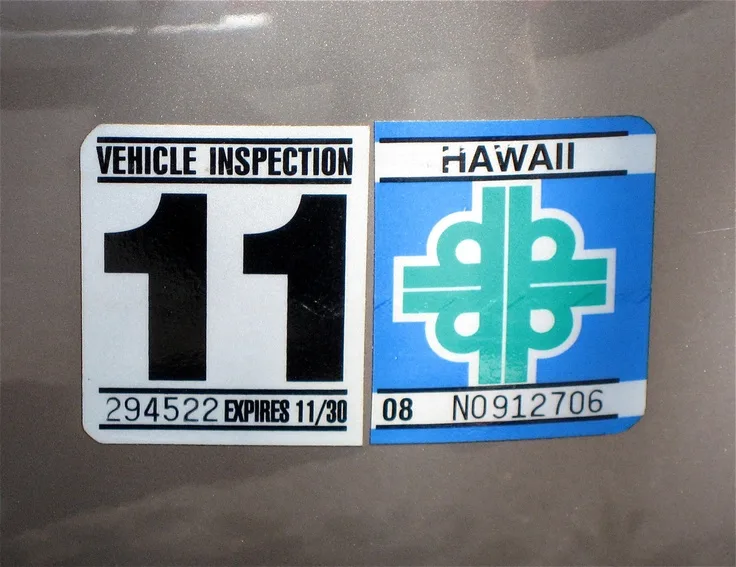
Fail the inspection, and you’ll get a rejection sticker on your windshield. You can’t legally drive the car until it passes, but you do get a grace period to fix the issues.
Most stations offer a free retest within 30 days if you return with the same vehicle. If you’re caught driving with an expired inspection, fines start at $200. Police can also issue a fix-it ticket for illegal tint or exhaust noise, which typically costs $100, $500.
How to Pass the Retest Without Wasting Time or Money
The key to passing the retest is addressing the exact reason for failure. If it was tint, ensure the front windows meet the 35% VLT rule. If it was exhaust noise, confirm the system is under 92 dB.
Bring proof of corrections if possible. For tint, a certification sticker from the installer helps. For exhaust, a receipt from a muffler shop can show you’ve made the necessary changes.
Double-check everything before returning. A quick visual inspection and noise test can save you another trip.
Hawaii’s Inspection Process: What to Expect at the Station
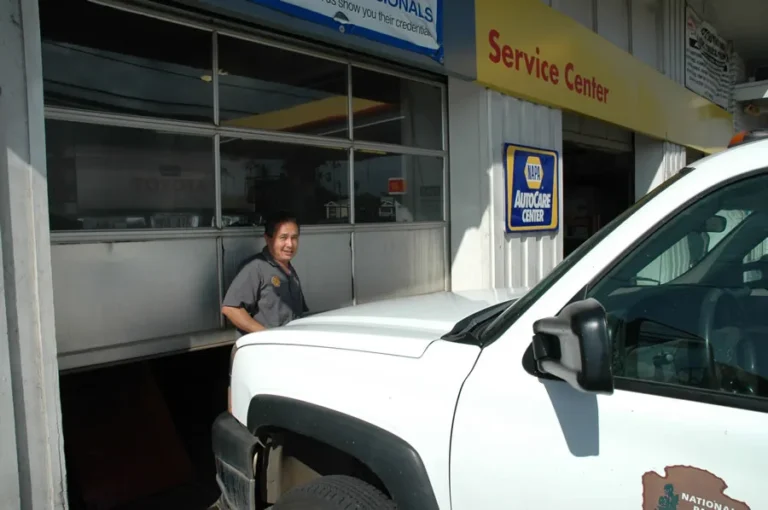
Hawaii’s safety inspection is straightforward but thorough. You’ll drive to an approved station, where an inspector will check your vehicle’s lights, brakes, tires, and other safety features. They’ll also verify window tint and exhaust noise compliance.
The process usually takes 15, 30 minutes. If you pass, you’ll get a sticker for your windshield. If you fail, you’ll receive a list of issues to fix.
Inspections are required every two years for most vehicles. Taxis and commercial vehicles need annual inspections.
Costs You Might Face (Inspection Fees, Fines, and Repairs)
The inspection itself costs about $20, $30. Retests are often free if you return within 30 days.
| Issue | Estimated Fix Cost |
|---|---|
| Tint removal | $50–$150 |
| Legal tint installation | $100–$300 |
| Muffler replacement | $100–$500 |
| Exhaust system modification | $200–$800 |
Fines for driving with an expired inspection or illegal modifications add up quickly. Avoid them by addressing problems as soon as you get the rejection sticker.
Pro Tips to Avoid Failures on Your Next Inspection
Check your tint and exhaust before the inspection date. A $20 tint meter from an auto parts store can confirm your front windows meet the 35% VLT rule. For exhaust, listen for unusual loudness or visit a shop for a decibel test.
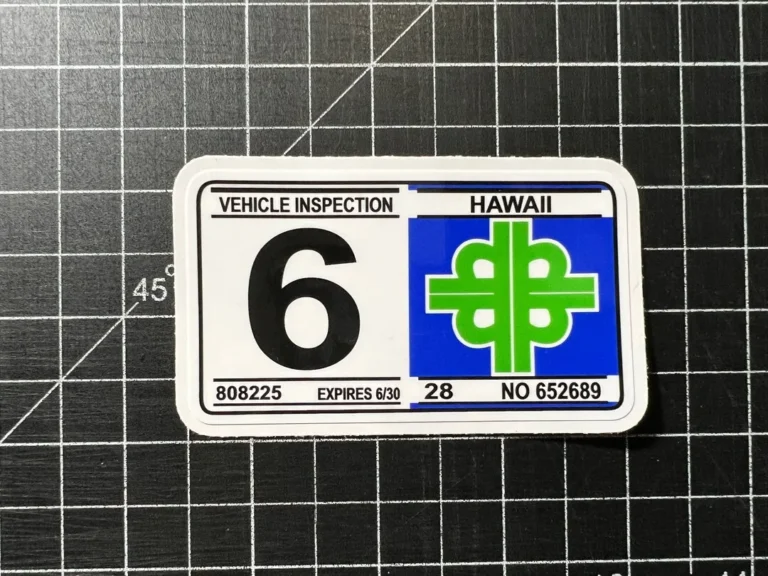
Keep your inspection sticker visible and legible. If it’s damaged or missing, you might get pulled over even if your car is compliant.
Schedule your inspection early in the month. Stations get busier as deadlines approach.
FAQs About Hawaii’s Tint and Exhaust Noise Laws
Can I get a medical exemption for darker tint in Hawaii?
Hawaii allows medical exemptions for window tint, but you need a doctor’s prescription and must apply through the county. The exemption typically allows darker tint on front side windows. Without proper documentation, you’ll still fail inspection.
How loud is too loud for exhaust in Hawaii?
The legal limit is 92 decibels measured at 50 feet. Most stock exhausts are under this, but aftermarket systems often exceed it. If your car sounds significantly louder than others on the road, it’s likely over the limit.
What happens if I drive with an expired inspection sticker?
Driving with an expired inspection can result in a $200, $500 fine. Police can also issue a fix-it ticket, requiring you to get the car inspected and pay additional fees.
Can I remove my tint myself to pass inspection?
You can remove tint yourself, but it’s tricky and time-consuming. A professional shop can do it quickly and cleanly for $50, $150. If you damage the defroster lines or leave adhesive residue, you’ll have bigger problems.
How often do I need a safety inspection in Hawaii?
Most vehicles require a safety inspection every two years. Taxis, rideshares, and commercial vehicles need annual inspections. Check your registration for your specific due date.