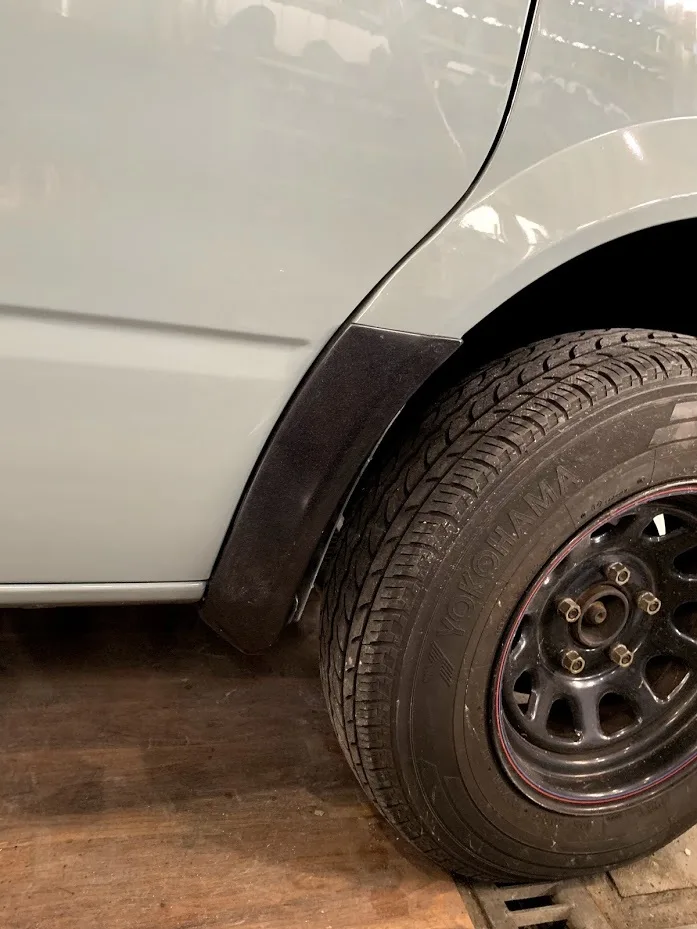
If you’re running oversized tires in Hawaii, you need to know the fender flare and mud guard rules to stay legal. The Hawaii fender flare and mud guard requirements for oversized tires are strict, and non-compliance can mean failed inspections or fines.
Per Hawaii Revised Statutes §291-24, your flares must fully cover the tire tread width, and mud guards are mandatory for vehicles that could kick up debris. Get this wrong, and you risk trouble at your next safety check.
Quick Answer
Hawaii fender flare and mud guard requirements for oversized tires mandate full tire coverage. Flares must extend at least to the edge of the tire tread. Mud guards are required if your vehicle can throw debris.
As of 2026, these rules apply to all street-legal vehicles.
Why Hawaii’s Fender Flare and Mud Guard Rules Matter for Oversized Tires
Hawaii’s roads take a beating from volcanic rock, mud, and salt air. Without proper flares and mud guards, oversized tires can spray debris that damages other vehicles or reduces visibility. The state enforces these rules to keep roads safe and prevent body damage from flying rocks.
These requirements also protect your own vehicle. Uncovered tires can lead to rust, dents, and paint chips from kicked-up gravel. Plus, non-compliant setups fail Hawaii’s mandatory safety inspections, leaving you unable to register or drive legally.
Hawaii’s Core Fender Flare and Mud Guard Laws
Hawaii follows Hawaii Revised Statutes §291-24 for vehicle equipment standards. The law requires that fender flares cover the entire tread width of any tire that extends beyond the vehicle’s original fender line. This means if you’ve lifted your truck or Jeep and fitted bigger tires, your flares must match that width.
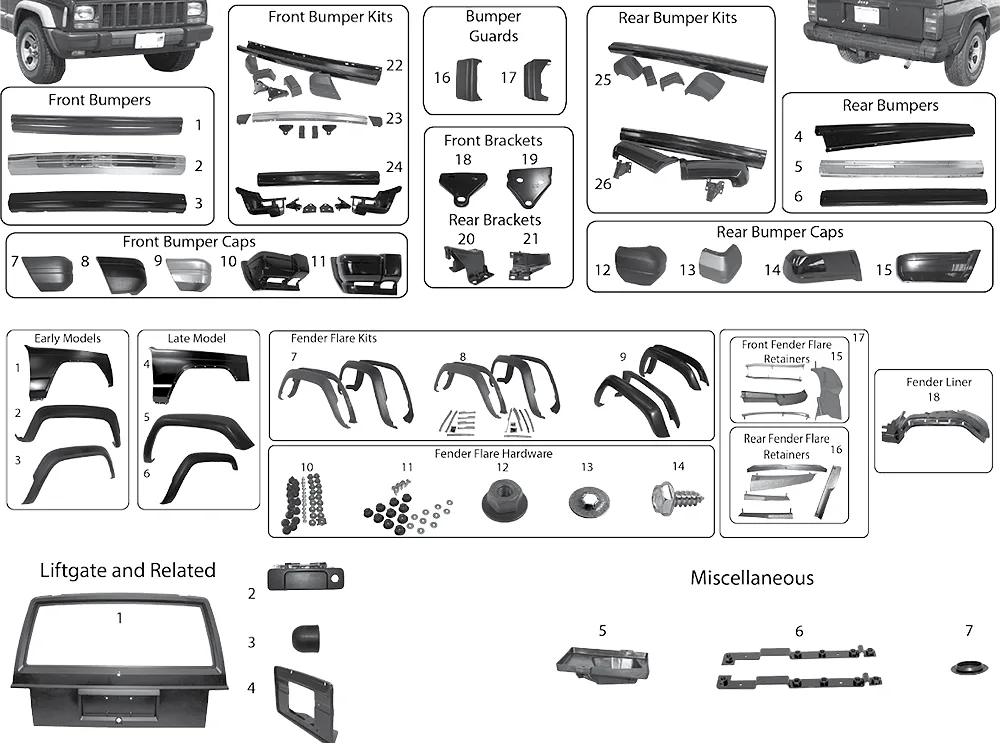
Mud guards, or splash guards, are another requirement. The Hawaii Department of Transportation mandates them for vehicles where tires could propel mud, water, or rocks onto the road. Commercial vehicles and trucks often face stricter scrutiny here.
For off-road use, the rules relax, but only if the vehicle isn’t driven on public roads. The moment you hit a highway or street, full compliance kicks in.
How Tire Size Affects Your Flare and Mud Guard Requirements
The bigger your tires, the wider your flares need to be. Hawaii doesn’t set a fixed flare width but ties it directly to your tire’s tread width. If your tire sticks out past the fender, the flare must cover that extra width completely.
Tire diameter matters too. Larger diameter tires can require taller flares to prevent rub at full steering lock. Measure from the widest point of the tire at full turn to ensure your flare provides enough clearance.
Mud guard length is less about tire size and more about ground clearance. Most aftermarket guards need to hang low enough to block spray but high enough to avoid dragging.
Measuring for Compliance: Flare Width, Tire Coverage, and Ground Clearance
Start by measuring your tire’s tread width at its widest point. Your flare must extend at least to that width, with no part of the tire exposed when viewed from directly above.

For ground clearance, check that your mud guards sit within Hawaii’s limits. If they’re too high, they won’t block spray effectively. If they’re too low, they’ll drag on dips or speed bumps.
Here’s a quick reference for common setups:
| Tire Width | Minimum Flare Width | Mud Guard Clearance |
|---|---|---|
| 10–12 inches | Same as tire width | ≤ 10 inches from road |
| 12–14 inches | Same as tire width | ≤ 10 inches from road |
| 14+ inches | Same as tire width | ≤ 10 inches from road |
Street-Legal vs. Off-Road: When the Rules Change
Off-road vehicles in Hawaii get some leeway. If your rig never touches public roads, you can run wider tires without full-coverage flares. The moment you drive on a highway or street, the rules apply in full.
Hawaii’s Department of Transportation doesn’t recognize off-road exemptions for daily drivers. Even if your truck is lifted for weekend trails, it must meet flare and mud guard requirements to stay street-legal.
Step-by-Step: Picking and Installing Compliant Flares and Mud Guards
Start by measuring your tire’s tread width at its widest point. Your flare must match or exceed that width. For most aftermarket flares, you’ll find the coverage spec in the product details.
Next, check the mounting style. Bolt-on flares are the easiest for DIY installations. Weld-on flares offer a cleaner look but require professional work.
Mud guards typically attach to the frame or bumper with simple brackets.
For mud guards, position them low enough to block spray but high enough to clear curbs. A good starting point is 6 to 10 inches from the road. Test at full steering lock to ensure no tire rub.
Common Mistakes That Get Hawaii Drivers Fined
The most common error is assuming any flare will do. Many aftermarket flares are too narrow for oversized tires, leaving part of the tread exposed. Hawaii inspectors will flag this immediately.
Another frequent issue is improper mud guard height. Guards that are too high won’t block spray effectively. Guards that are too low can drag on uneven roads or speed bumps, which is also a violation.
Skipping the inspection prep is a third mistake. Many drivers install flares and guards but don’t double-check coverage at full steering lock. If the tire extends past the flare when turned, it’s an automatic fail.
Hawaii’s Inspection Process: What They Check (and What They Don’t)
Hawaii’s safety inspection is thorough. Inspectors will verify that your flares cover the full tread width of your oversized tires. They’ll also check that mud guards are present and properly positioned.
They won’t measure to the millimeter, but they will look for obvious gaps. If your flare is clearly too narrow or your mud guard is missing, you’ll be sent away to fix it.
Inspectors also check for sharp edges on flares. Any flare that could pose a hazard to pedestrians or other vehicles will need to be smoothed or replaced.
Costs, Materials, and Where to Buy in Hawaii
Flares and mud guards vary in price based on material and brand. Basic plastic flares start around $100 for a set. Heavy-duty steel flares can run $300 or more.
Mud guards typically cost $50 to $150 depending on size and material.
| Material | Pros | Cons | Cost Range |
|---|---|---|---|
| Plastic | Lightweight, easy to install | Less durable | $100–$200 |
| Fiberglass | Custom fit, good finish | More expensive | $200–$400 |
| Steel | Strong, long-lasting | Heavier, may rust | $250–$500 |
Local auto parts stores in Honolulu, Maui, and the Big Island carry compliant options. Online retailers also ship to Hawaii, but check for added freight costs. Always verify that the product meets Hawaii’s coverage requirements before purchasing.
Expert Tips to Pass Inspection on the First Try
Double-check your flare width at full steering lock. Many drivers measure with wheels straight, only to find the tire sticks out when turned. A quick test at both full left and right lock catches this.
Use a level to ensure mud guards are even. Uneven guards look unprofessional and may not block spray effectively. Most inspectors will notice if one side hangs lower than the other.
Clean your flares and guards before inspection. Dirt and grime can obscure coverage, making it look like you’re out of compliance. A quick wash can save you a return trip.
FAQs About Hawaii’s Oversized Tire and Flare Laws
Do I need flares if my tires are only slightly wider than stock?
Yes. Any tire that extends beyond the original fender line requires full-coverage flares in Hawaii. Even a small overhang means you need compliant flares to pass inspection.
Can I use universal fit flares, or do I need vehicle-specific ones?
Universal flares can work if they meet the coverage requirements. Vehicle-specific flares often provide a cleaner fit but aren’t mandatory. Just ensure the flare fully covers your tire’s tread width.
What’s the maximum tire size I can run without flares in Hawaii?
There is no maximum. If your tires extend past the fender at all, flares are required. Stock tires typically don’t need them, but any upgrade usually does.
Are there exemptions for classic or vintage vehicles?
No. Hawaii’s flare and mud guard rules apply to all street-legal vehicles, regardless of age. Classic cars with oversized tires still need compliant coverage.
How often do I need to recheck my flares and guards?
Every time you modify your suspension or tires. Also, inspect them before your annual safety check. Wear and tear can loosen mounts or reduce coverage over time.
Final Checklist: Are Your Flares and Mud Guards Legal?
Measure your tire’s tread width at its widest point. Your flare must cover this entirely.
Test at full steering lock. No part of the tire should extend past the flare.
Check mud guard height. They should sit 6 to 10 inches from the road.
Ensure all mounts are secure. Loose flares or guards will fail inspection.
Confirm no sharp edges. Flares must be smooth to avoid pedestrian hazards.
Measure your tire’s tread width at its widest point. Your flare must cover this entirely.
Test at full steering lock. No part of the tire should extend past the flare.
Check mud guard height. They should sit 6 to 10 inches from the road.
Ensure all mounts are secure. Loose flares or guards will fail inspection.
Confirm no sharp edges. Flares must be smooth to avoid pedestrian hazards.