Hawaii electric vehicle charging station availability and parking incentives can make or break your EV experience in the islands. Whether you're a resident or a visitor, knowing where to plug in and what perks come with driving electric is key. As of 2026, Hawaii has over 1,200 public charging stations, but coverage varies between Oahu’s urban core and the neighbor islands’ rural stretches.
The good news is that Hawaii offers some of the best parking incentives in the U.S., from free spots to reserved stalls. But electricity costs here are among the highest nationwide.
Quick Answer
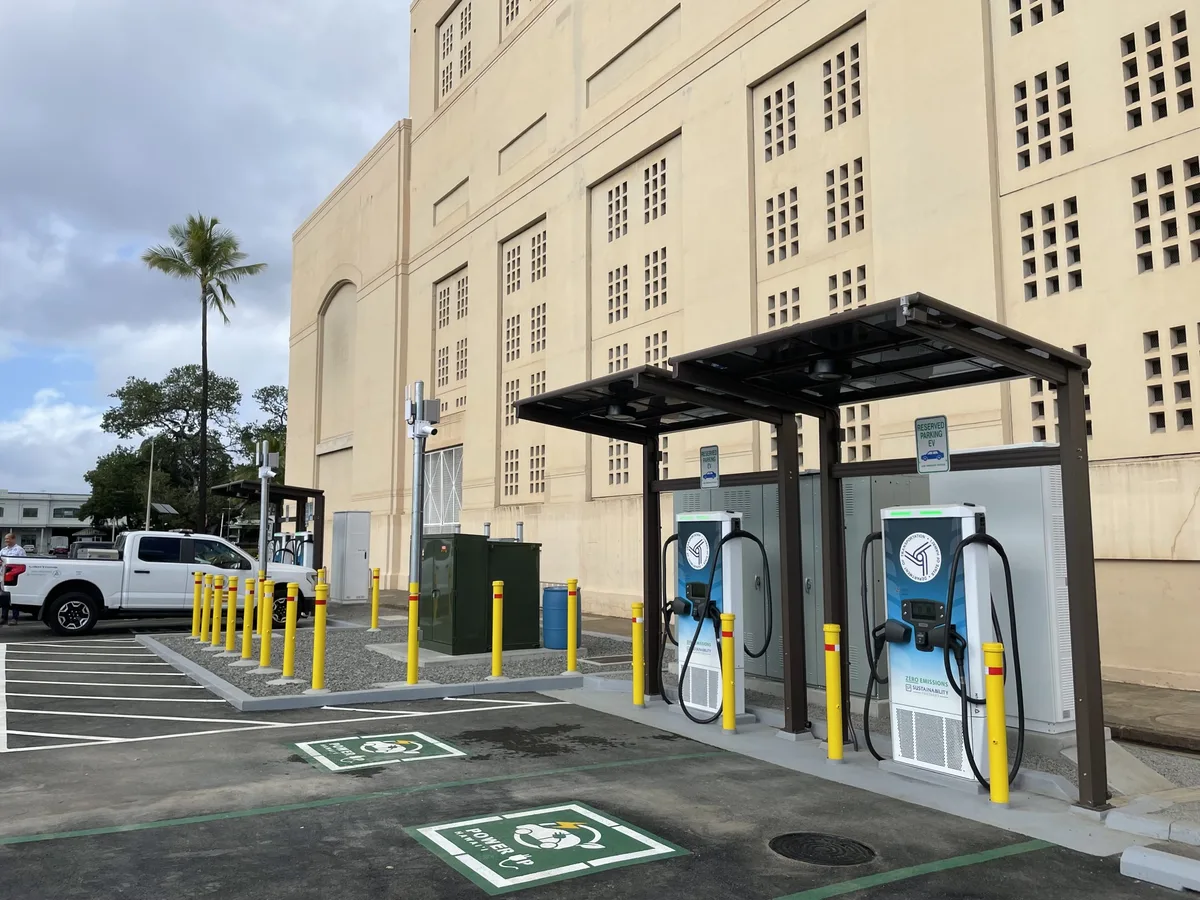
Hawaii electric vehicle charging station availability and parking incentives depend on your location. Oahu has the most stations. Maui and Big Island are growing.
Neighbor islands lag behind. Parking perks include free or reserved spots in many lots.
Where You'll Find Stations: Oahu, Maui, Big Island, Kauai, and Neighbor Islands
Oahu leads with the densest network, especially in Honolulu, Waikiki, and Pearl City. You’ll find Level 2 chargers at shopping centers, hotels, and workplaces, plus DC fast chargers along major highways like the H-1 and H-2.
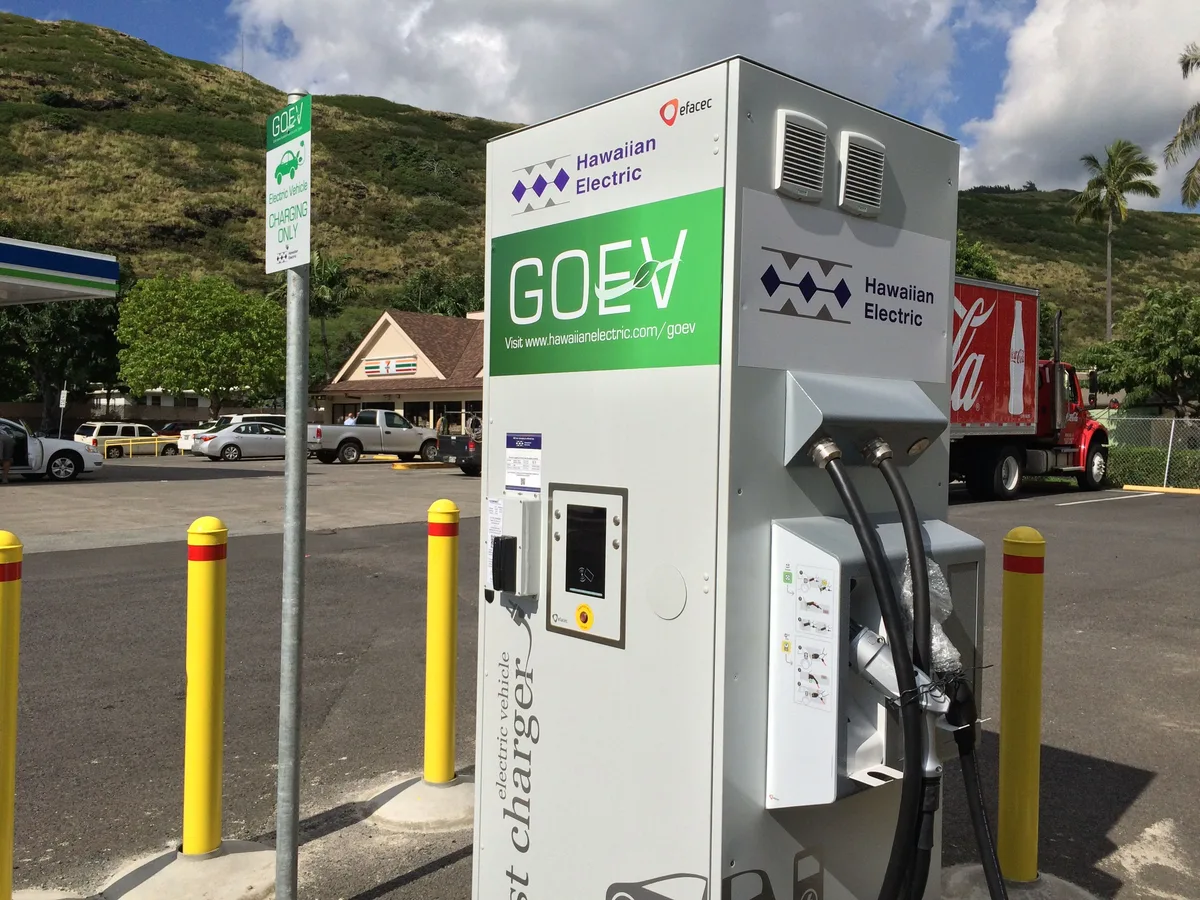
Maui’s charging infrastructure is concentrated in Kahului, Lahaina, and Kihei, with a mix of public and resort-based stations. The Big Island has solid coverage in Hilo and Kona, but rural areas like Puna or Hamakua can be a challenge. Kauai’s network is smaller but expanding, with most stations in Lihue and Princeville.
Lanai and Molokai have very limited options, mostly Level 2 chargers at a handful of public locations. If you’re road-tripping between islands, plan ahead, ferries don’t always accommodate EVs, and inter-island flights won’t help.
For the most up-to-date station locations, PlugShare aggregates real-time data from drivers. The Hawaii State Energy Office also tracks public charging infrastructure.
What Kind of Charger Do You Need? Level 1, Level 2, and DC Fast Charging in Hawaii
Not all chargers are created equal. Level 1 uses a standard 120V outlet and adds about 3-5 miles of range per hour. It’s fine for overnight top-ups at home but impractical for most public use.
Level 2 chargers run on 240V and deliver 12-80 miles of range per hour. These are the most common public stations in Hawaii, ideal for shopping, dining, or workplace charging.
DC fast chargers (50kW and up) can add 60-100 miles in 20 minutes. Hawaii has a growing number of these, mostly along highways and in high-traffic areas. Tesla Superchargers, CCS, and CHAdeMO are the main connector types you’ll encounter.
If you’re driving a non-Tesla EV, check compatibility before relying on a Supercharger. As of 2026, many Tesla stations in Hawaii now support CCS adapters, but it’s not universal.
Hawaii Parking Incentives and EV-Only Rules You Should Know
Hawaii offers some of the best parking perks for EV drivers in the country. Many public lots, beaches, and shopping centers reserve free or discounted spots for EVs. Some hotels and resorts even offer complimentary charging for guests.
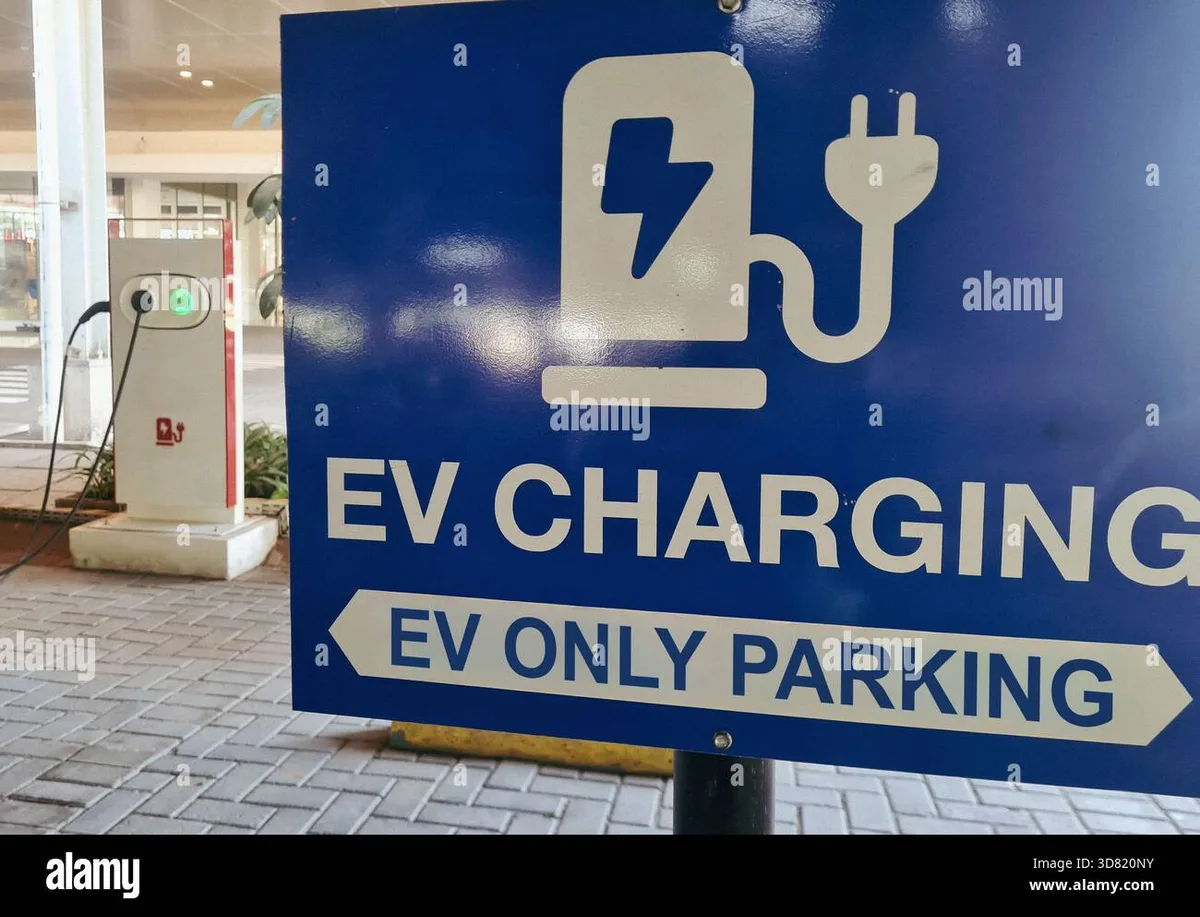
But there’s a catch. "ICEing", when a gas-powered car parks in an EV spot, is a real problem. Fines for ICEing can reach up to $200 in some counties, and enforcement is getting stricter.
Always check the signage for time limits, as some EV spots are metered or have a 2-4 hour maximum.
Honolulu, Maui, and Hawaii County each have their own rules. For example, Honolulu offers free parking at municipal lots for EVs with a valid permit. Maui has a similar program, but availability is limited.
Decision Branch 1: Visiting Hawaii With a Rental EV
If you’re renting an EV in Hawaii, your experience will depend on where you’re staying and where you’re going. Most rental agencies on Oahu and Maui now offer EVs, but options are still limited on the Big Island and Kauai.
Start by confirming the rental includes a charging plan. Some companies provide a credit for public charging, while others expect you to use hotel or destination chargers. If you’re sticking to Oahu or Maui, you’ll have plenty of options.
But if you’re exploring the Big Island’s remote areas, plan your route around available stations.
Tourist-heavy spots like Waikiki, Lahaina, and Kona often have high demand for chargers. Arrive early or use apps like PlugShare to check real-time availability. Some hotels offer free charging for guests, but it’s not guaranteed, always call ahead.
Decision Branch 2: Living in Hawaii Without Home Charging
If you don’t have a home charger, your options depend on where you live. Apartment and condo dwellers can look for shared charging programs. Some buildings install Level 2 chargers for residents, often with a monthly fee.
Public stations are your next best bet. Oahu has the most reliable network, with many grocery stores and malls offering free or low-cost Level 2 charging. Maui and the Big Island have fewer options but are improving.
Workplace charging is another solution. Many employers in Hawaii offer EV charging as a benefit. Check with your HR department or use the Hawaii State Energy Office’s workplace charging guide.
Decision Branch 3: Driving Inter-Island or Long Highway Routes
Long-distance EV travel in Hawaii requires planning. Oahu’s H-1 and H-2 highways have DC fast chargers roughly every 25-30 miles. But on the Big Island, stretches between Kona and Hilo can be 50+ miles without a fast charger.
Use PlugShare or A Better Routeplanner to map your route. These tools account for elevation changes, which can drain battery faster in Hawaii’s volcanic terrain.
If you’re island-hopping, confirm ferry policies. Some routes allow EVs, but others don’t. Flying isn’t an option for bringing your own EV, so rentals are your only choice on neighbor islands.
How to Find and Pay for a Charging Session in Hawaii
Most public chargers in Hawaii require an account with the network. ChargePoint, EVgo, and Electrify America are the biggest players. Download their apps before you need to charge.
Payment methods vary. Some stations accept credit cards at the charger. Others require you to start the session through the app.
A few older stations still use RFID cards.
Pricing models differ too. You might pay per kWh, per hour, or a flat session fee. As of 2026, Hawaii’s electricity rates make public charging more expensive than in most mainland states.
Costs, Rebates, and Registration Breaks: What EV Ownership Saves You
Hawaii offers several financial incentives for EV owners. The state waives the annual vehicle registration fee for EVs. You’ll also save on fuel costs, even with Hawaii’s high electricity rates.
Here’s a quick breakdown of potential savings:
| Incentive | Amount | Notes |
|---|---|---|
| Registration fee waiver | ~$45/year | For pure EVs only |
| Home charger rebate | Up to $500 | Through Hawaiian Electric |
| Federal tax credit | Up to $7,500 | For new EVs, income limits apply |
| Used EV credit | Up to $4,500 | Federal program |
Hawaii’s electricity costs average $0.35-$0.50 per kWh. That’s high, but still cheaper than gas, which often tops $4.50 per gallon in the islands.
Mistakes That Leave You Stranded or Fined
The biggest mistake is assuming every EV spot is free. Some are metered, others require payment. Always check the signage before plugging in.
Another common error is ignoring time limits. Many EV spots have a 2-4 hour maximum. Overstaying can lead to fines or towing.
ICEing is a serious issue. Parking a gas car in an EV spot can earn you a $200 fine in some counties. If you see it happening, report it to local enforcement.
Hawaii EV Charging Apps and Station Data Sources That Actually Work
PlugShare is the most reliable app for finding stations in Hawaii. It shows real-time availability, pricing, and user reviews.
ChargeHub and A Better Routeplanner are also useful. ChargeHub lists stations by network, while A Better Routeplanner helps map out long trips.
Manufacturer apps like Tesla and Ford BlueOval Charge can be helpful if you drive those brands. But they often only show their own network’s stations.
County Programs and Utility Rules Worth Checking Before You Plug In
Each county in Hawaii has its own EV programs. Honolulu offers free parking at municipal lots for EVs with a valid permit. Maui has a similar program but with limited availability.
Hawaiian Electric (HECO) provides rebates for home charger installations. As of 2026, you can get up to $500 back. Maui Electric and Kauai Island Utility Cooperative have similar programs.
Check with your local utility for time-of-use rates. Charging during off-peak hours can save you money. HECO’s off-peak rates are typically lower between 9 PM and 5 AM.
Hawaii County has a unique program for EV owners. They offer free parking at select county lots. But you need to register your vehicle first.
Kauai is working on expanding its charging network. They’ve partnered with local businesses to install more stations. Check their official site for updates.
FAQs on Hawaii EV Charging and Parking Incentives
Are there enough charging stations in Hawaii for road trips?
Oahu has enough for most trips. The Big Island and Maui are improving but still have gaps. Always plan your route around available stations.
Can I charge my EV for free in Hawaii?
Some hotels, malls, and public lots offer free charging. But many stations require payment. Check PlugShare for details.
What happens if I park a gas car in an EV spot?
You’ll likely get a fine. In some counties, it’s up to $200. Enforcement is getting stricter.
Do I need a special permit to use EV parking spots?
Some counties require permits for free or reserved EV parking. Check with local authorities.
How much does it cost to charge an EV in Hawaii?
Pricing varies by network. Expect to pay $0.30-$0.60 per kWh at public stations. Home charging is usually cheaper.