#Understanding the Connecticut Municipal Motor Vehicle Property Tax Assessment Process
The Connecticut municipal motor vehicle property tax assessment process can easily catch new residents off guard. Unlike most states, Connecticut treats your car like real estate and levies an annual property tax on it. If you've ever stared at your tax bill wondering how the town came up with that number, you are not alone.
Towns use a specific formula tied to state guidelines, and understanding it is the key to avoiding overpayment. The state relies on the NADA Official Used Car Guide to set values as of October 1st each year. We will break down exactly how this system works and what you can do if the math looks wrong.
Quick Answer
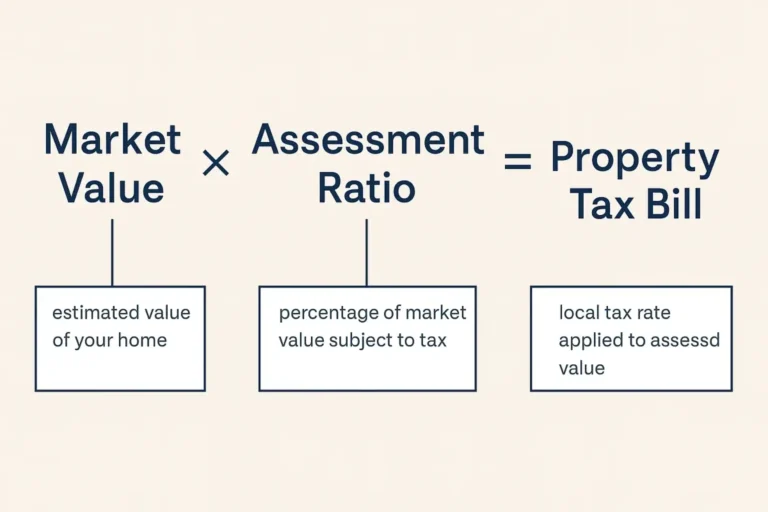
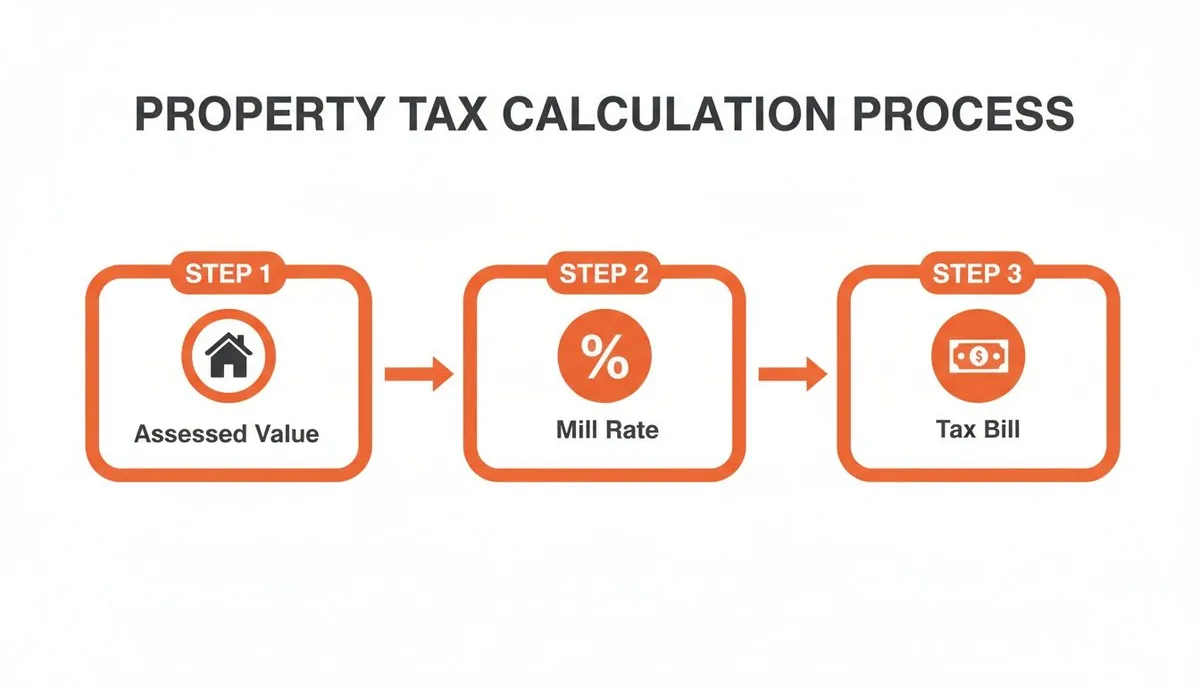
The Connecticut municipal motor vehicle property tax assessment process determines your annual car tax. Towns use the NADA average retail value as of October 1st. They apply a 100% assessment ratio to that base value.
Your local mill rate is then multiplied by the assessed value. This calculates your exact annual tax bill.
Why Your Connecticut Car Tax Bill Might Be Wrong
Your tax bill might be wrong because the system relies on broad averages rather than your specific car. The state requires assessors to use the average retail value from the NADA guides. This value assumes your car is in pristine condition.
If your car has high mileage, body damage, or a salvage title, the NADA value simply does not reflect reality. Yet the town uses it anyway.
Another common issue involves the October 1st lien date. If you moved or registered your car late in the year, the DMV data might not sync properly with the town. You could get billed for a vehicle you no longer own.
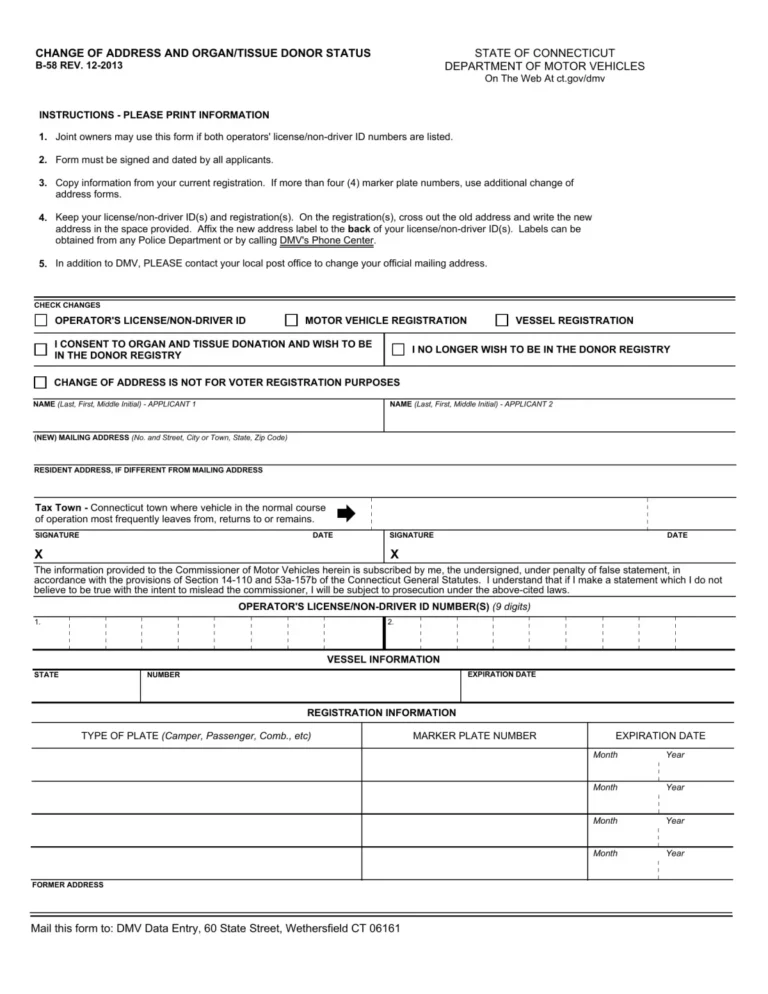
Always review your bill against what you actually owned on October 1st. Updating your address promptly with the DMV ensures your tax bills go to the right place.
How the CT Municipal Motor Vehicle Assessment Process Works
The process runs on a strict timeline managed by the state and your local tax assessor. Everything hinges on the Grand List date of October 1st. Whatever vehicle the Connecticut DMV shows registered to your name on that date is what the town taxes you on.
Here is the basic workflow.
- The DMV sends your registration data to your local town assessor.
- The assessor looks up the NADA average retail value for your specific make, model, and year.
- They apply a 100% assessment ratio to that NADA value.
- The assessor multiplies the assessed value by the local mill rate to get your tax amount.
- You receive a tax bill in June or July for the upcoming fiscal year.
If you just moved to Connecticut, you will face a supplemental tax bill. The state prorates the tax based on the month you registered the vehicle. Having your DMV paperwork in order makes this transition much smoother.
| Step | Action | Date or Timeline |
|---|---|---|
| 1 | DMV data transfer to towns | Ongoing |
| 2 | Assessor sets NADA valuation | October 1st |
| 3 | Assessor calculates assessed value | Late Fall |
| 4 | Tax bills mailed to residents | June or July |
Understanding Mill Rates and Your Actual Tax Bill
The mill rate is the multiplier your town uses to calculate your final tax bill. One mill equals $1 of tax for every $1,000 of assessed value. If your town has a mill rate of 30, you pay $30 for every $1,000 of your car's assessed value.
Towns set their own mill rates based on local budget needs. This is why the exact same car can cost far more in taxes in one town than another.
Let us look at a real example. Say your car's NADA average retail value is $20,000. The assessed value is $20,000 because Connecticut uses a 100% assessment ratio for motor vehicles.
If your town's mill rate is 32 mills, your tax bill is $640. You simply multiply the assessed value by the mill rate, then divide by 1,000.
Keeping your vehicle in good shape can sometimes feel like a losing battle against depreciation, but using the right cleaning products helps maintain that retail value. You can check the current mill rates directly on the Connecticut Office of Policy and Management website.
NADA Average Retail Value vs. Actual Market Value
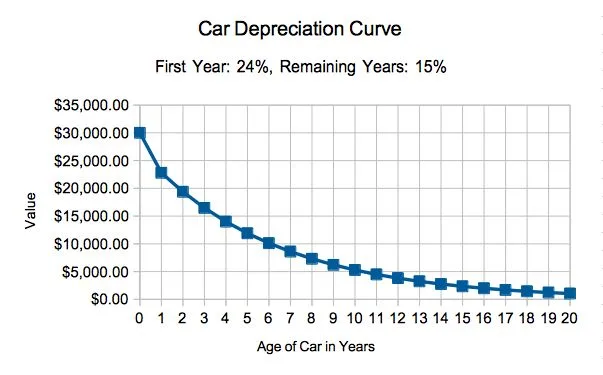
This is where most Connecticut drivers feel the pinch. The NADA average retail value assumes your car is clean, runs perfectly, and has average mileage. It does not care if your engine light has been on for a year or if your interior is trashed.
The actual market value, what you could sell the car for today, is often much lower.
The gap between these two numbers costs you money. If you own a 2015 sedan with 150,000 miles, the NADA guide might still list an average retail value of $10,000 based on lower mileage averages. In reality, that high mileage car might only sell for $6,000.
You pay taxes on the $10,000 figure. Winter road salt can also wreck your car's undercarriage, driving its real value down while the NADA book ignores the rust.
If you want to fight this, you have to prove the car is worth less than the NADA book says. You need documentation like a mechanic's estimate for major repairs, photos of damage, or a formal appraisal from a dealer. As of 2026, the state still mandates this NADA standard, so the burden of proof falls entirely on you as the vehicle owner.
A spotless exterior from a good drying system will not change your tax bill, but maintaining your vehicle's mechanical health gives you a stronger case if you appeal an overvaluation.
Step-by-Step: How to Appeal Your Vehicle Assessment
You have the right to challenge your assessment if the numbers look wrong. The appeal process is straightforward, but it has strict deadlines. You must follow the steps exactly to get your value corrected.
1. Check Your NADA Valuation Before February 20th
Look up your vehicle in the NADA guide exactly as the assessor does. Check the average retail value for your make, model, and year. Compare that number to the assessed value on your tax bill.
You must do this before February 20th. That date is the statutory deadline for motor vehicle appeals. If you miss it, you wait a full year to try again.
2. File with Your Local Board of Assessment Appeals (BAA)
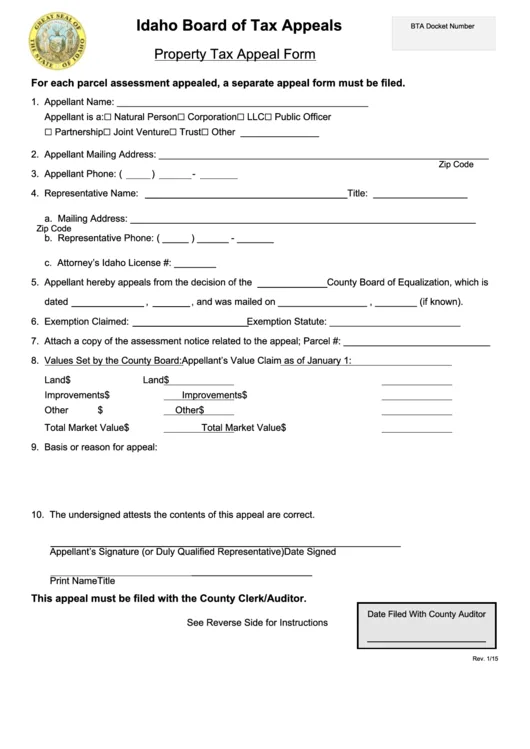
Download the application from your town's website. Fill out the basic vehicle information. State the value you believe is correct based on your evidence.
Send it to your local Board of Assessment Appeals before the deadline.
3. Present Evidence at the Hearing
The BAA will schedule a hearing to review your claim. You must bring proof that your car is worth less than the NADA average retail value. A mechanic's estimate for major repairs works well.
Photographs of body damage or rust help your case. A formal dealer appraisal carries the most weight. The board needs facts, not opinions.
Costly Mistakes to Avoid When Challenging Your Car Tax
Many people lose appeals because they bring the wrong evidence. Others miss the deadline entirely. Avoid these common errors to give yourself a real chance at saving money.
Arguing the mill rate instead of the car value. The BAA cannot change your town's mill rate. They only have the power to adjust the assessed value of the vehicle.
If you complain about high taxes, they will sympathize. They still cannot help you.
Bringing Kelly Blue Book values instead of NADA. Connecticut law specifically mandates the use of the NADA guide. The board will ignore KBB estimates entirely.
You must prove your car is below the NADA average retail value using condition adjustments.
Missing the February 20th deadline. This is the most common and devastating mistake. The state enforces this cutoff strictly.
No exceptions are made for forgetting or being out of town.
Assuming the town will automatically fix errors. If you overpaid because of a data glitch, the town will not hunt you down to refund your money. You must spot the error and initiate the appeal yourself.
Real Scenarios: When an Appeal Actually Saves You Money
Let us look at when an appeal actually works. Real numbers show how much you can save.
High mileage reduction. Say you own a 2018 SUV. The NADA average retail value is $18,000 based on 60,000 miles.
Your actual odometer reads 130,000 miles. You bring a dealer appraisal showing the high mileage drops the real value to $11,000. The BAA reduces your assessment.
You save hundreds of dollars that year.
Unrepaired damage. Imagine a tree fell on your 2020 sedan. The NADA value remains $16,000 because the guide assumes clean condition.
You bring photos of the crushed roof and a $4,000 body shop estimate. The board reduces the value to reflect the damaged state. You only pay tax on the true, lower worth.
Totaled vehicles. If an insurance company totals your car right before the October 1st lien date, you might still get a bill. You must bring the total loss declaration to the BAA.
They will remove the vehicle from the Grand List entirely.
Exemptions and Prorated Refunds: Who Qualifies?
You might not owe the full tax at all. Connecticut offers specific exemptions and prorated refunds for certain situations.
Active military exemptions. If you are a non-resident active duty military member stationed in Connecticut, your vehicle is exempt. The Servicemembers Civil Relief Act protects you.
You must file for the exemption with your town assessor every year.
Disabled veteran exemptions. Connecticut offers property tax exemptions for veterans with specific disability ratings. You must provide documentation from the VA to your local assessor.
The exemption amount varies by town.
Prorated refunds for sold vehicles. If you sell, trade, or junk your car after October 1st, you still owe tax for that portion of the year. However, you can get a prorated credit for the months you no longer owned it.
You must cancel your registration and provide the town with proof of sale. Keeping overall ownership costs down is crucial, and finding affordable insurance options also helps ease that burden.
Legal Risks: DMV Registration Blocks and Tax Liens
Ignoring your motor vehicle tax bill is a terrible idea. The consequences hit hard and fast.
DMV registration blocks. If you fail to pay your car tax, your town will flag your account with the Connecticut DMV. The DMV will then deny your registration renewal.
You cannot legally drive the vehicle with expired plates. The Connecticut DMV enforces this rule aggressively.
Tax liens. The unpaid tax becomes a lien on the vehicle itself. If you try to sell the car, the lien follows it.
The town can also place a lien on your real estate in the same municipality. This creates a cloud on your property title.
Driving risks. If you drive with expired registration due to a tax block, you risk a costly ticket. The police can impound the vehicle.
You then face severe impound consequences that add towing fees and fines to your existing tax debt. It is much cheaper to just pay the bill or appeal it on time.
Expert Tips for Lowering Your CT Vehicle Property Tax
You can take proactive steps before October 1st to minimize your tax burden. Planning ahead makes a big difference in how much you owe.
Time your vehicle purchases carefully. If you buy a car right after October 1st, you will not pay tax on it until the following year. You essentially get a free few months of ownership without a local tax bill.
Conversely, try to sell or trade a high-value vehicle just before the October 1st lien date. The new owner assumes the tax liability for the upcoming year. You walk away with the cash and a lower tax obligation.
Keep meticulous records of your vehicle condition. Take photos of damage or rust immediately. Get a mechanic's write-up for major issues.
This documentation is gold if you appeal.
Check your NADA value every December. You want to know where you stand before the tax bills even print. If the NADA value seems off, start gathering your appeal evidence immediately.
Finally, consider the mill rate before you move. A town with a 25 mill rate will tax the exact same car for half as much as a town with a 50 mill rate. Proper exterior upkeep helps maintain your car, but location dictates the tax bite.
Frequently Asked Questions About CT Car Taxes
When are Connecticut motor vehicle taxes due?
Motor vehicle tax bills are usually due in July. Some towns offer a split payment option where the second half is due in January. Check your local tax collector's website for exact dates.
What happens if I move to a new town in Connecticut?
Your tax follows you based on where the car was registered on October 1st. You pay the old town's mill rate for that year. Next year, you will pay the new town.
Do I pay tax on a leased vehicle?
Yes, leased vehicles are subject to the same municipal property tax. The leasing company usually pays the town and bills you directly. You still have the right to appeal the assessed value.
How do I get a prorated refund if I move out of state?
You must turn in your Connecticut plates to the DMV. The DMV notifies your old town. The town calculates a credit for the remaining months of the fiscal year and issues a refund.
Can I appeal my mill rate?
No, the Board of Assessment Appeals only handles property valuations. The mill rate is set by the town budget. You can attend town budget meetings to voice your opinion on spending, but you cannot appeal the rate on your individual bill.
Decision Guide: Should You Appeal Your Assessment?
Use this simple decision tree to figure out if an appeal makes sense for your situation. The right choice depends on your specific facts.
If your NADA value closely matches your car's actual retail condition, do not appeal. You will waste your time and the board will deny the request.
If your car has major damage, extremely high mileage, or mechanical flaws, you should absolutely appeal. The potential savings almost always justify the hour it takes to file the form and attend the hearing.
If you missed the February 20th deadline, you cannot appeal. Focus instead on making sure your registration is canceled properly if you sold the car. You can secure a prorated credit next year.
If you are a qualifying active duty military member or disabled veteran, skip the appeal. File for your statutory exemption directly with the assessor instead. The Connecticut General Statutes outline these exact exemptions for you.
If your bill shows a vehicle you no longer owned on October 1st, contact the assessor immediately. This is a data error, not a valuation dispute. Provide your plate surrender receipt from the DMV to clear your name from the Grand List.