ByMax Lee
Florida catalytic converter theft prevention and etching program initiatives
If you own a car in Florida, you have probably heard the stories. Someone finds their car sounding like a lawnmower after a thief sliced off the catalytic converter overnight. Florida catalytic converter theft prevention and etching program initiatives give you a practical way to avoid that headache.
The idea is simple: mark your converter with your vehicle's VIN so thieves cannot sell it to scrap yards.
State data from the Florida Department of Highway Safety and Motor Vehicles shows over 20,000 converters were stolen in 2023. Replacement costs run $2,500 to $3,500. The etching program is already cutting theft numbers in communities that hold regular events.
Here is what the program offers, who it works best for, and how to decide if it fits your situation.
Bing (Web (fair-use with source credit))
Quick Answer
The Florida etching program marks your catalytic converter with your vehicle's VIN. It is free at community events. Marked converters are less likely to be stolen.
Police can trace them back to you. It is one of the most cost-effective theft deterrents available.
Why Florida's Catalytic Converter Theft Problem Matters
A few factors make Florida a prime target for converter theft. High population density in cities like Miami, Orlando, and Tampa means lots of parked cars. Trucks and SUVs sit higher off the ground, making it easy to slide underneath with a saw.
Florida's port cities provide quick routes for shipping stolen metals out of the country.
The numbers are clear. According to the National Insurance Crime Bureau, Florida consistently ranks among the top states for converter theft. Miami-Dade County alone saw theft rates jump over 200% between 2020 and 2023.
The average replacement cost hits hard, and many insurance deductibles leave you covering a chunk out of pocket.
This is more than a nuisance. A stolen converter can leave you stranded for weeks while parts are backordered. That is why state lawmakers pushed for prevention programs that go beyond punishing thieves.
They want to make your converter less attractive in the first place.
Other states are using similar approaches. You can read about similar prevention programs to see how the strategy works in different regions.
What the Florida Etching Program Actually Does
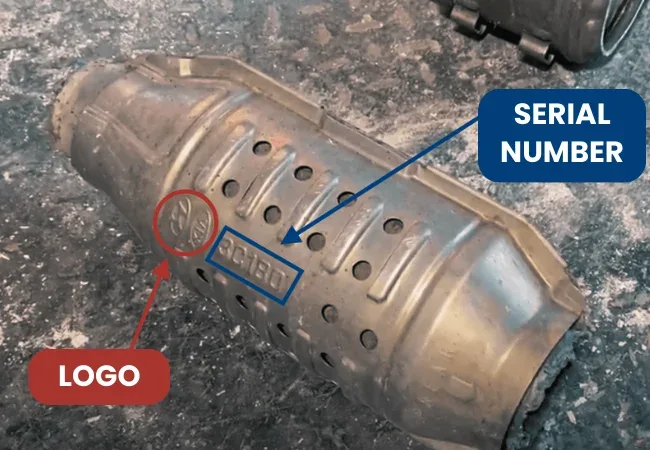
Etching means permanently engraving your vehicle's VIN onto the surface of your catalytic converter. This is done with a chemical etch or a rotary engraver depending on the event. Once marked, the VIN gets entered into a law enforcement database.
If a marked converter is stolen and later recovered, police can trace it back to you instantly.
More importantly, scrap metal dealers are trained to check for VIN markings. Florida law requires dealers to log seller IDs and inspect converters. If someone tries to sell a marked converter, the dealer must refuse the sale and report it.
That removes the profit motive.
The process does not make your converter indestructible. A determined thief with a grinder can still cut it off. But etching changes the equation.
Thieves know a marked converter is a liability. They move to an unmarked target instead.
The Florida Department of Highway Safety and Motor Vehicles runs the program with local police departments. Most events are held on weekends at community centers or police stations. Many locations do not require an appointment.
Some shops offer etching year-round for $25 to $50.
Etching is one layer of protection. We cover broader automotive guidance on our main blog, including other strategies that work alongside it.
Bing (Web (fair-use with source credit))
Who This Program Is Best For (and Who Needs More)
Not every driver faces the same risk. Here is how to figure out where you stand.
High-theft vehicle owners. If you drive a Toyota Tundra, Tacoma, Prius, Ford F-250, or Honda Accord, your converter has high precious metal content and sits in an easy-to-reach spot. Etching is highly recommended. Pair it with a shield if you can.
Street parkers. Parking on the street overnight in a city or dense suburb puts you at elevated risk. Thieves target street-parked cars for the cover of darkness. Etching helps.
A shield gives you much better odds.
Garage parkers. If you park in a locked garage, your risk is much lower. Etching alone is probably sufficient.
Commercial fleet operators. Etching is cheap and scalable for businesses. Many Florida fleet operators have reported noticeable theft drops after marking their entire fleet.
Older vehicle owners. Etching is still useful on older cars. But some aftermarket replacement converters may not have a clean surface area for VIN marking. Check with the event organizer first.
Step-by-Step: How to Get Your Converter Etched in Florida
Step 1: Find a participating event near you
The FLHSMV maintains a list of upcoming etching events by county. Most large police departments in South Florida, Tampa Bay, and Orlando host them monthly. Smaller counties hold them quarterly.
Search online for "catalytic converter etching [your county] Florida" or check your local police department's social media.
Step 2: Bring the right documents
You need your vehicle registration, a valid driver's license or state ID, and proof of insurance. Events are free but you must prove ownership. If you recently moved, bring the updated registration.
Standard forms of identification work here.
Step 3: Prepare your vehicle
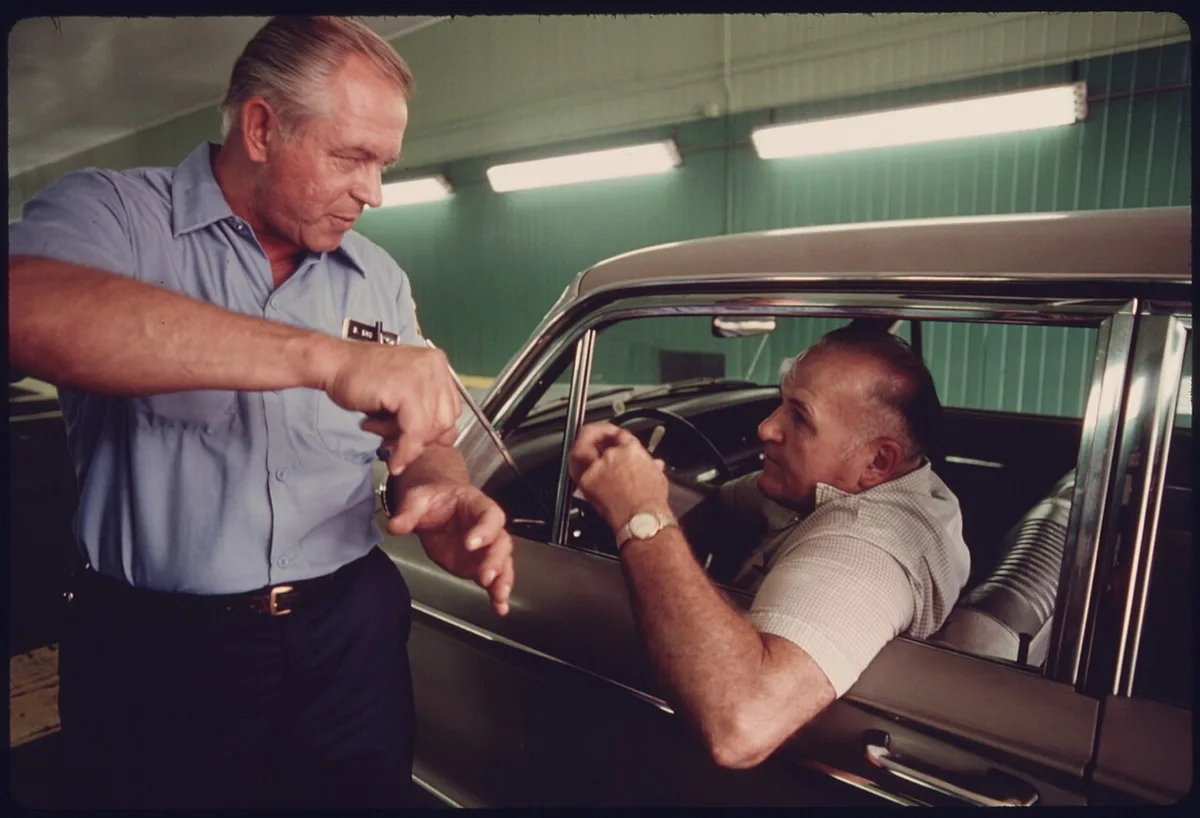
The converter needs to be accessible. Most events lift your car with a jack or put it on ramps. You do not need to do anything beforehand, but a clean converter is easier to mark.
If you have been driving through salty roads, a quick rinse helps.
Step 4: The etching itself
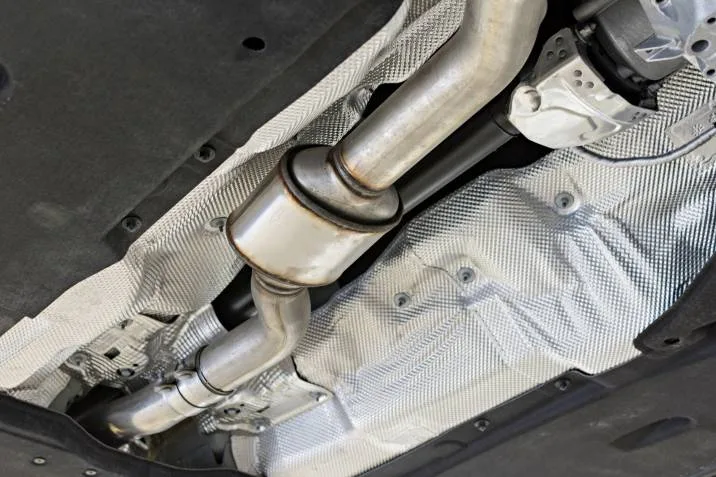
A technician locates your converter, cleans a small area on its surface, and applies the VIN using a chemical stencil or engraving tool. The whole process takes 15 to 30 minutes.
Wikimedia Commons / Lyntha Scott Eiler
Step 5: Registration and decal
After etching, the VIN is logged into the statewide database. You get a window decal that signals to thieves that your converter is marked. Place it on your driver's side window.
The decal alone can deter casual theft.
Step 6: Follow-up
If you replace your converter later, you need to get the new one etched. Notify your insurance company as well. Many carriers offer a small discount on comprehensive coverage for marked converters.
Decision Tree: What's Your Best Theft Prevention Strategy?
Your best strategy depends on three variables: your vehicle's theft risk, where you park, and your budget.
Step 1: Identify Your Vehicle's Theft Risk Level
High risk. You drive a Toyota Tundra, Prius, Ford Super Duty, or Honda Accord. Also high risk: any vehicle sitting high off the ground or with a hybrid powertrain. Etching alone is not enough.
Add a shield.
Moderate risk. You drive a standard sedan or crossover not on the top-target list. Etching provides strong protection. A shield is optional.
Low risk. You drive an older low-value car or a vehicle with a protected undercarriage. Etching is still recommended. Skip the shield.
Step 2: Evaluate Where You Park Most Often
Street or driveway. Highest risk. Go heavy on protection.
Covered parking lot. Moderate risk. Thieves face more exposure but still operate.
Locked private garage. Lowest risk. Basic etching is sufficient.
Step 3: Set Your Budget for Anti-Theft Measures
$0 to $50. Free or cheap etching. That is your best bet.
$150 to $300. Add a catalytic converter shield. This steel plate bolts over the converter and makes it much harder to cut.
$300+. Combine etching, a shield, and a vehicle alarm with motion or lift sensors.
Step 4: Follow Your Decision Path
- High-risk vehicle and street parker: etch plus shield plus consider an alarm.
- High-risk vehicle and garage parker: etch plus shield or at minimum etch.
- Moderate-risk vehicle and street parker: etch first, add shield if affordable.
- Moderate-risk vehicle and garage parker: etch is plenty.
- Low-risk vehicle and street parker: etch is still recommended. Skip the shield.
- Low-risk vehicle and garage parker: etching is free and worth doing.
Common Mistakes That Sabotage Your Protection
The biggest error is thinking etching makes you untouchable. A thief can still cut off a marked converter. The mark just makes it unsellable to legitimate scrap yards.
Another common mistake is skipping the database registration. Some events mark the converter but forget to log the VIN into the statewide system. Double check that your VIN is actually entered.
People also miss the window decal. That sticker tells thieves your converter is marked. If you drive around without it, you lost a free deterrent.
Many owners never re-etch after replacing a converter. If yours gets stolen or fails and you install a new one, the new converter is not in the database. You are back to square one.
Etching Program Costs vs. the Price of Doing Nothing
The math is simple. A free community event costs you nothing but an hour. A paid etching runs $25 to $50.
| Expense | With Etching (prevention) | Without Etching (after theft) |
|---|---|---|
| Marking the converter | $0 or $25–$50 | — |
| Converter replacement | — | $1,500–$3,500 |
| Labor | — | $200–$500 |
| Insurance deductible | — | $100–$500 |
| Rental car or downtime | — | $100–$300 |
| Total | $0–$50 | $1,900–$4,800 |
Even paying for etching at a shop costs 1% to 2% of doing nothing. For fleet operators, the savings multiply quickly.
Bing (Web (fair-use with source credit))
Legal and Insurance Implications You Need to Know
Florida law requires scrap metal dealers to verify seller identity and log every purchase. They are trained to spot VIN markings. A marked converter showing up at a salvage yard means the dealer must refuse it and report it.
On the insurance side, many Florida carriers offer a discount on comprehensive coverage for etched converters. The discount ranges from 5% to 25% depending on your provider. Ask your agent directly.
You may need to send a photo of the etching or a copy of the event receipt.
Comprehensive coverage covers theft. But your deductible still applies. If your deductible is $500 and the replacement costs $2,500, you are still out $500.
Etching could prevent that claim entirely. Check regional insurance programs for Florida-specific options.
Pro Tips: Layering Etching With Other Defenses
Etching works best as part of a layered strategy. Here is what you can add on top.
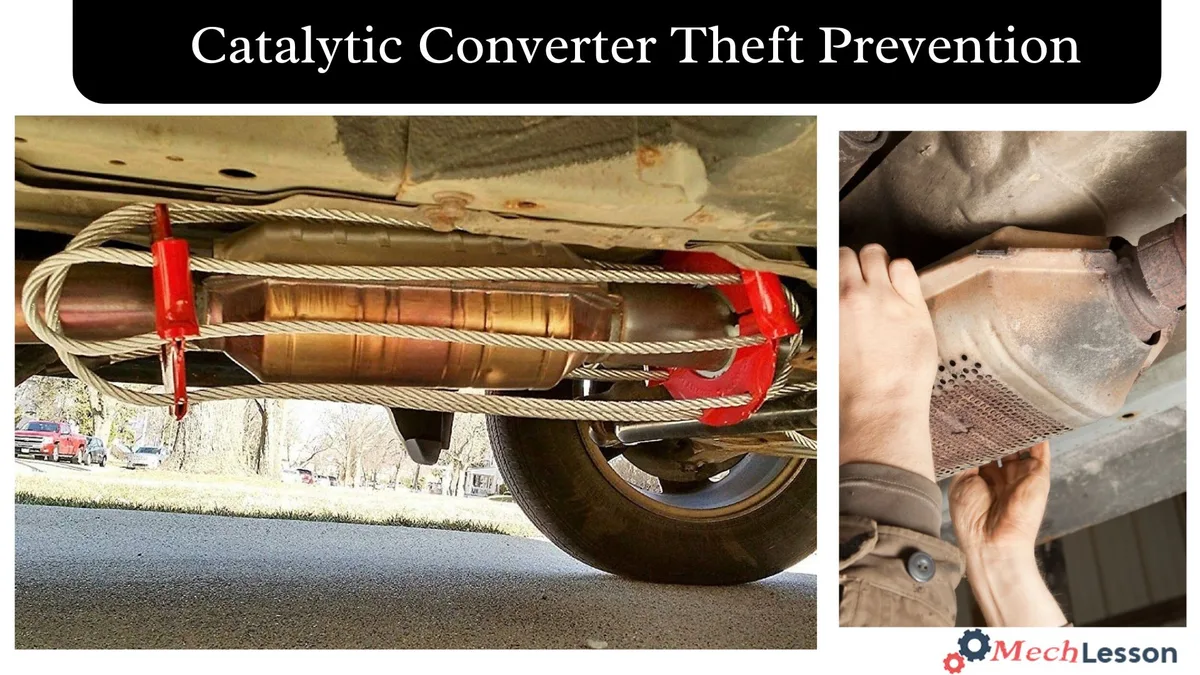
Add a catalytic converter shield. A steel or aluminum plate bolts over the converter. It blocks access to the saw. Shields cost $150 to $300 installed.
Install a motion activated alarm or lift sensor. Some aftermarket car alarms detect when the vehicle is jacked up or tilted. A siren can scare off thieves.
Improve your parking. Park in a garage if possible. If not, choose well lit areas close to building entrances. Vary your parking spot each night.
Add driveway security lights and cameras. A motion activated floodlight costs under $30. A visible camera adds another layer.
Check for community etching events. Neighborhood watch groups sometimes coordinate with local police. Joining one builds awareness across your block.
For more tips and hardware recommendations, browse other theft prevention articles on our site.
Real-World Scenarios: How Different Florida Drivers Made Their Choice
Carlos in Miami drives a 2019 Toyota Tundra. He parks on the street every night. He attended a free etching event at the Miami Police Department. He also bought a shield for $220.
Carlos figures the $220 is less than his $500 deductible.
Jenna in Orlando drives a 2022 Prius. She parks in her apartment's covered garage. She got her converter etched at a county event. She skipped the shield because the garage has cameras and a gate.
Mario runs a small landscaping company in Tampa. He has four Ford Transit vans. He paid $200 to have all four converters etched at a mobile event. He installed shields on the two vans parked on the street.
His insurance agent gave him a 15% fleet discount.
Aisha in Jacksonville drives a 2008 Honda Civic. She got etched for free at a university police event. She parks in her driveway with a motion light. She did not add a shield because the cost would be half the car's value.
Frequently Asked Questions
What is the Florida catalytic converter etching program?
The program marks your converter with your vehicle's VIN at free community events. Law enforcement registers the marking so stolen converters can be traced back to you.
Does etching really prevent theft?
It does not physically block cutting, but it makes the converter unsellable to scrap yards. Most thieves skip marked converters because they cannot profit from them.
How much does it cost to get a converter etched?
Free at state and local police events. Some private shops charge $25 to $50 if you miss an event.
Do I need to re-etch if I replace my converter?
Yes. A new converter is not marked. You need to attend an event or visit a shop to have the new one etched.
Will my insurance company give me a discount for etching?
Many carriers offer 5% to 25% off comprehensive coverage with an etched converter. Call your agent and ask.
Your Next Steps: A Quick Decision Guide
Check your vehicle's theft risk level online. If you own a high-target model, get etching and a shield together. Find a free etching event through the Florida Department of Highway Safety and Motor Vehicles website.
Mark the date and bring your registration and ID. Place the window decal where thieves can see it. Then call your insurance agent about the comprehensive discount.
If you park on the street or in an apartment lot, install a shield on top of the etching. That layered approach stops most theft attempts before they start.