Driving through an Illinois Tollway construction zone means one mistake costs double. The Illinois Tollway Authority enforces strict penalties in active work zones to protect road crews and drivers alike. Speeding just 10 mph over the posted limit triggers a minimum $375 fine.
That amount jumps to $1,000 or more for excessive speed.
As of 2026, automated speed cameras operate 24/7 in these zones, even when workers are not present. The law requires reduced speeds whenever construction signage is posted, not just during active work hours. Understanding exactly where and when these rules apply can save you hundreds of dollars and points on your license.
Quick Answer
Illinois Tollway construction zone double fines start at $375 for speeding. Fines double the standard penalty amounts. Automated cameras enforce limits 24 hours a day.
Workers do not need to be present for fines to apply. Signage must be posted for enforcement to be valid.
Why Illinois Tollway Construction Zone Double Fines Exist
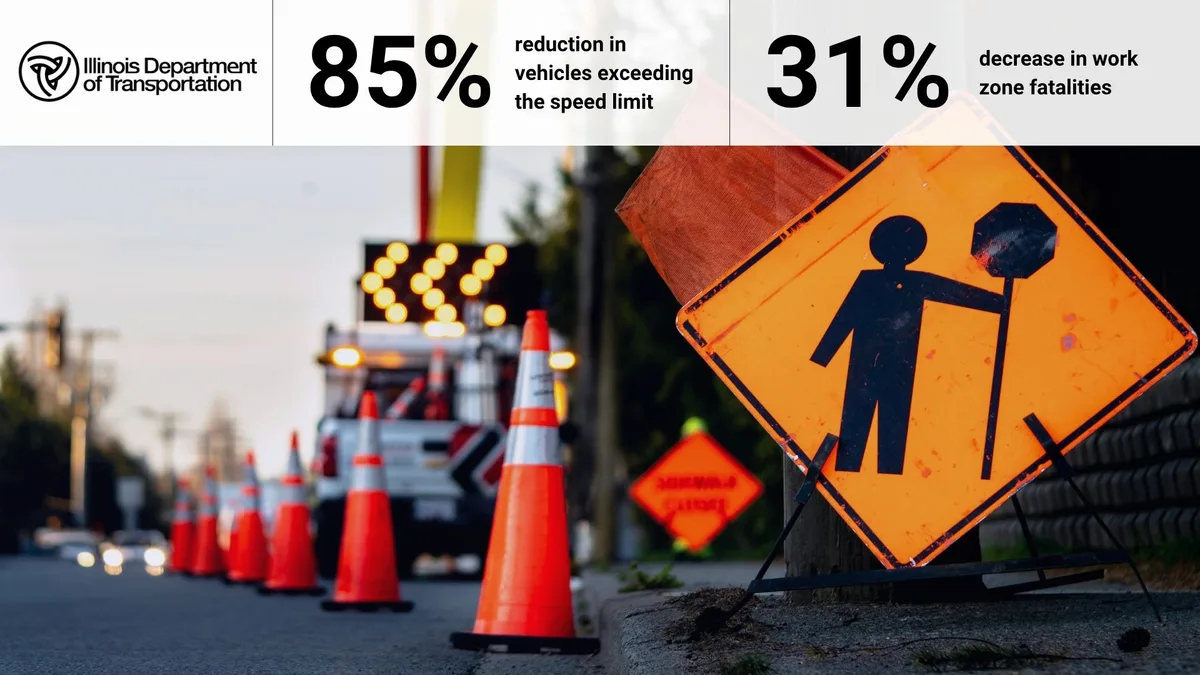
The Illinois Tollway implemented double fines because work zone crashes were rising. Between 2018 and 2022, work zone fatalities in Illinois increased by nearly 30 percent. The Illinois State Police and Tollway Authority responded with stricter penalties and automated enforcement.
Double fines serve two purposes. First, they deter speeding in areas where lanes shift, shoulders disappear, and workers stand feet from traffic. Second, they fund additional safety measures like barrier systems and advanced warning signs.
The legal basis comes from 625 ILCS 5/11-605.1. This statute defines a highway construction zone and mandates enhanced penalties. It also authorizes photo enforcement.
The law treats work zones differently because the risk profile is fundamentally different from normal highway driving.
Where and When Double Fines Apply on the Illinois Tollway
Double fines activate only in marked construction zones on Tollway roads. This includes I-90, I-294, I-88, and I-355. The key trigger is posted signage.
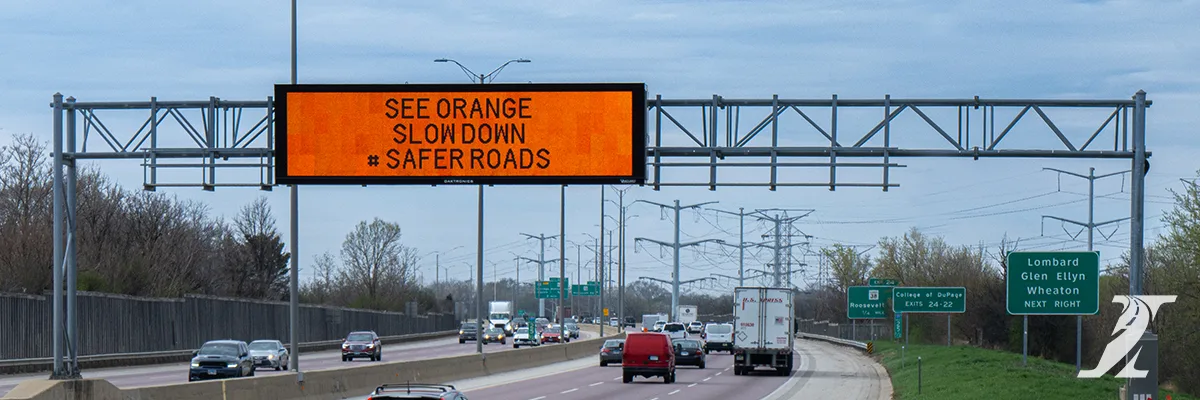
Orange diamond signs reading "Construction Zone" or "Work Zone" must be visible. Speed limit reduction signs must also be posted.
Enforcement runs 24 hours a day, seven days a week. Workers do not need to be present. If the signs are up, the reduced limit and double fines are in effect.
This catches many drivers off guard on weekends or overnight.
The zones cover the entire signed area, from the first "Construction Zone Ahead" sign to the "End Construction Zone" sign. Lane shifts, temporary barriers, and merge points all fall inside the zone.
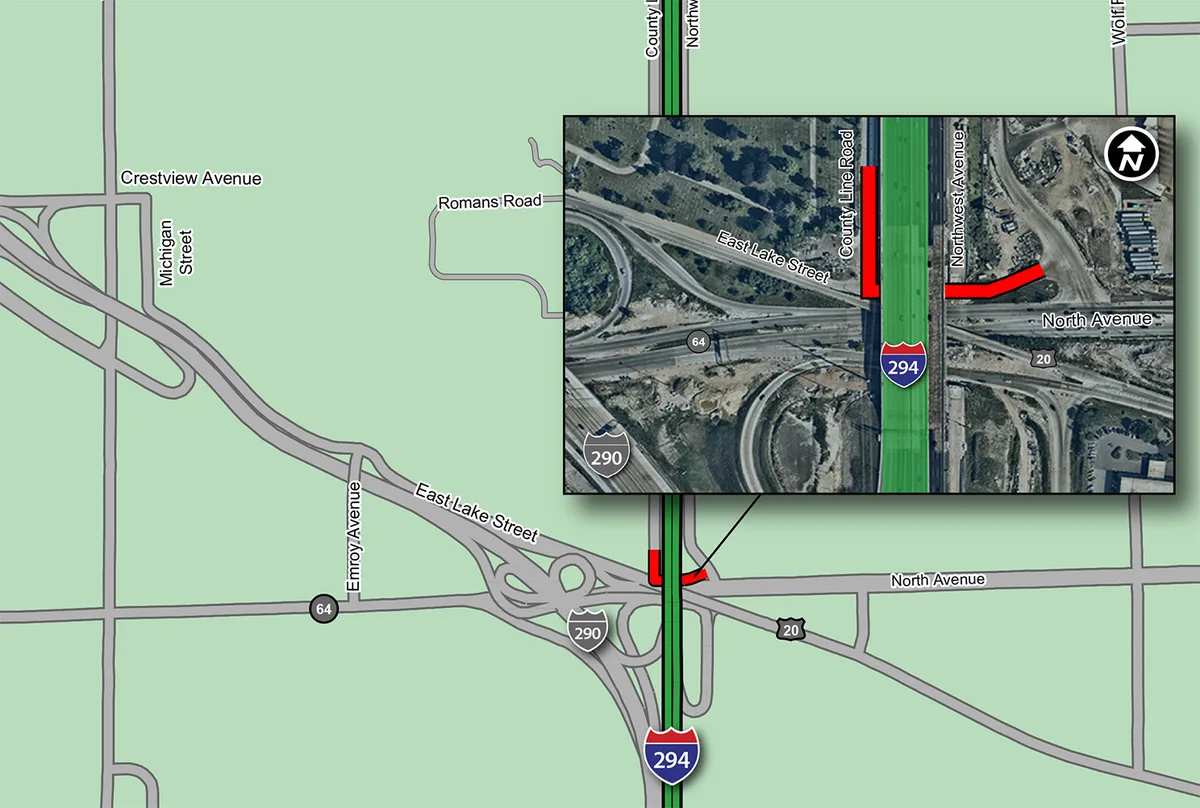
Major active projects as of 2026 include the I-294 Central Tri-State widening and I-90 corridor repairs. Check the Illinois Tollway website for current zone maps before long trips.
How Much You'll Pay: Fine Amounts and Speeding Tiers
The minimum fine for speeding in an Illinois Tollway work zone is $375. That applies to any speed over the posted limit. The standard fine outside a work zone starts at $120.
Fines escalate with speed. Here is the breakdown:
| Speed Over Limit | Minimum Fine | Notes |
|---|---|---|
| 1–10 mph | $375 | Base work zone penalty |
| 11–15 mph | $500 | Increased risk tier |
| 16–20 mph | $750 | Court appearance likely |
| 21–25 mph | $1,000+ | Mandatory court |
| 26+ mph | $1,500+ | Possible license suspension |
Commercial drivers face steeper consequences. A first offense can trigger CDL disqualification. Second offenses within three years bring a 60-day disqualification.
Third offenses bring 120 days.
Fines are paid to the circuit court in the county where the violation occurred. Automated camera tickets arrive by mail. You can pay online, by mail, or contest in court.
How Work Zone Speed Limits and Enforcement Work
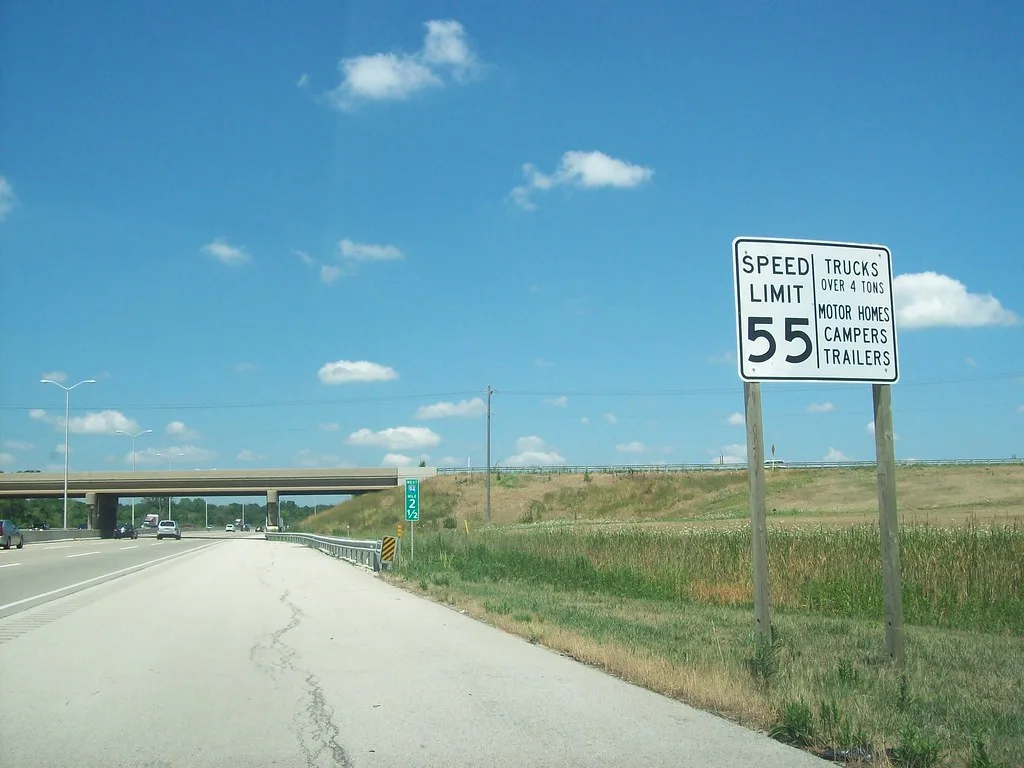
Work zone speed limits on the Illinois Tollway are typically 45 mph or lower. The limit is set by engineering study and posted on white regulatory signs with black lettering. Advisory speeds on curves or ramps are yellow and black but not enforceable as absolute limits.
Enforcement uses three methods. Illinois State Police patrol marked and unmarked vehicles. They use radar and lidar.
Second, automated speed cameras capture license plates of vehicles exceeding the posted limit by 6 mph or more. Third, construction zone speed feedback signs display your speed in real time.
Camera violations are civil penalties, not moving violations. They do not add points to your license. However, the fine is the same $375 minimum.
The registered owner receives the ticket regardless of who was driving.
Camera locations rotate. The Tollway publishes active camera zones weekly. Signs must warn of photo enforcement ahead.
If no sign is present, the camera ticket may be contestable.
The Exact Illinois Laws Behind Double Fines
The primary statute is 625 ILCS 5/11-605.1. It defines a construction zone as any area where IDOT or the Tollway has posted construction signs. It mandates that fines for speeding in these zones are double the standard amount.
The law also requires specific signage. Signs must conform to the Manual on Uniform Traffic Control Devices (MUTCD). This includes advance warning signs, speed limit signs, and end zone signs.
Missing or non-compliant signs can invalidate a ticket.
Photo enforcement authority comes from 625 ILCS 5/11-605.2. It allows automated systems in work zones on Tollway highways. The system must be calibrated annually. Tickets must include date, time, location, speed, and photos of the vehicle and plate.
A 2023 amendment expanded camera use to all Tollway work zones, not just those with workers present. It also increased the minimum fine from $250 to $375.
Court rulings have upheld these laws. In People v. Smith (2021), the Illinois Appellate Court affirmed that posted signage alone triggers the enhanced penalty, regardless of worker presence.
For the full statutes, search the Illinois General Assembly website.
Common Mistakes That Get Drivers Fined (And How to Avoid Them)
The biggest mistake is assuming work zone limits only apply when workers are visible. Cameras enforce the speed limit 24/7 once signs are posted. Many drivers get ticketed on weekends or overnight when no crews are present.
Another common error is ignoring temporary signage. Lane shifts, narrowed shoulders, and merge points require extra caution. Failing to merge early or speeding through a lane closure can trigger fines.
Distracted driving in work zones is a growing problem. Using a phone, adjusting the radio, or eating while driving through a construction area increases the risk of speeding or unsafe lane changes. Illinois law bans handheld phone use in work zones entirely.
What Happens If You Ignore a Work Zone Fine
Ignoring a work zone fine leads to escalating penalties. The court will issue a notice of suspension after 30 days of non-payment. Your driver’s license can be suspended until the fine is paid.
Unpaid fines also trigger late fees. These can double the original amount. The Illinois Secretary of State may place a hold on your vehicle registration, preventing renewal until the fine is resolved.
For camera-based tickets, failure to respond can result in a default judgment. This means the court rules against you automatically. Collection agencies may then pursue the debt, affecting your credit score.
Safety Rules Beyond Speeding: Other Work Zone Violations
Speeding isn’t the only offense with enhanced penalties. Reckless driving in a work zone carries a minimum $500 fine. This includes aggressive lane changes, tailgating, or ignoring traffic control devices.
Failing to yield to workers or construction equipment is another violation. Workers have the right of way in active zones. Disobeying flaggers or barrier crossings can result in fines up to $1,000.
Improper lane usage is also penalized. Driving on the shoulder or crossing temporary barriers can lead to fines and points on your license. These actions endanger both drivers and workers.
How to Check for Active Construction Zones Before You Drive
The Illinois Tollway provides real-time updates on its website. The interactive map shows active construction zones, lane closures, and speed limit reductions. You can filter by highway or date.
The Tollway also offers a mobile app with live traffic and construction alerts. Push notifications warn of delays or upcoming work zones on your route. This is especially useful for frequent commuters.
For longer trips, check 511 Illinois. This state-run service provides traffic and construction updates for all Illinois roads. Dial 511 or visit the website for the latest information.
Real-Life Examples of Work Zone Fines in Action
In 2023, a driver on I-294 was fined $1,200 for speeding 25 mph over the posted limit in a work zone. The automated camera captured the violation at 2 AM when no workers were present. The fine was upheld in court.
Another case involved a commercial truck driver on I-88. He was cited for failing to merge early in a lane closure. The fine was $750, and his company received a warning about future violations.
A third example comes from I-90. A motorist ignored a flagger’s stop sign and drove through an active work area. The fine was $1,000, and the driver’s license was suspended for 30 days.
Frequently Asked Questions
Do double fines apply if no workers are present?
Yes. The law triggers double fines whenever construction zone signs are posted, regardless of worker presence. Cameras enforce the rules 24/7.
Can I contest a work zone speeding ticket?
Yes. You can request a court date to challenge the ticket. Common defenses include missing or improper signage.
How do I know the speed limit in a work zone?
Look for white regulatory signs with black numbers. These are legally enforceable. Yellow advisory signs are not.
Do out-of-state drivers face the same fines?
Yes. Illinois enforces work zone fines equally for all drivers. Out-of-state licenses may still receive points or suspensions.
Are there any exceptions to double fines?
No. The only exception is if signage is missing or non-compliant with MUTCD standards. Otherwise, all violations in marked zones trigger double fines.
How long do work zone fines stay on my record?
Speeding violations in work zones add points to your Illinois driving record. These points typically stay for 4 to 5 years. Camera-based tickets do not add points but still require payment.