Unpaid tolls on the Illinois Tollway can quickly turn into a financial headache if you don't act fast. Illinois Tollway invoice fees and penalties for unpaid toll violations start with a base fee and escalate the longer you wait, so knowing the exact costs and deadlines helps you avoid unnecessary expenses.
As of 2026, the Illinois Tollway charges a $20 base fee per violation, with additional penalties adding up if left unpaid. Here's what you need to know to stay on top of it.
Quick Answer
Illinois Tollway invoice fees and penalties for unpaid toll violations start at $20 per missed toll. Late fees add $5 per day until capped at $100. Unpaid violations can lead to a vehicle registration hold.
You have 14 to 30 days to pay before penalties increase. Paying on time avoids extra costs.
How Illinois Tollway Unpaid Toll Violations Work
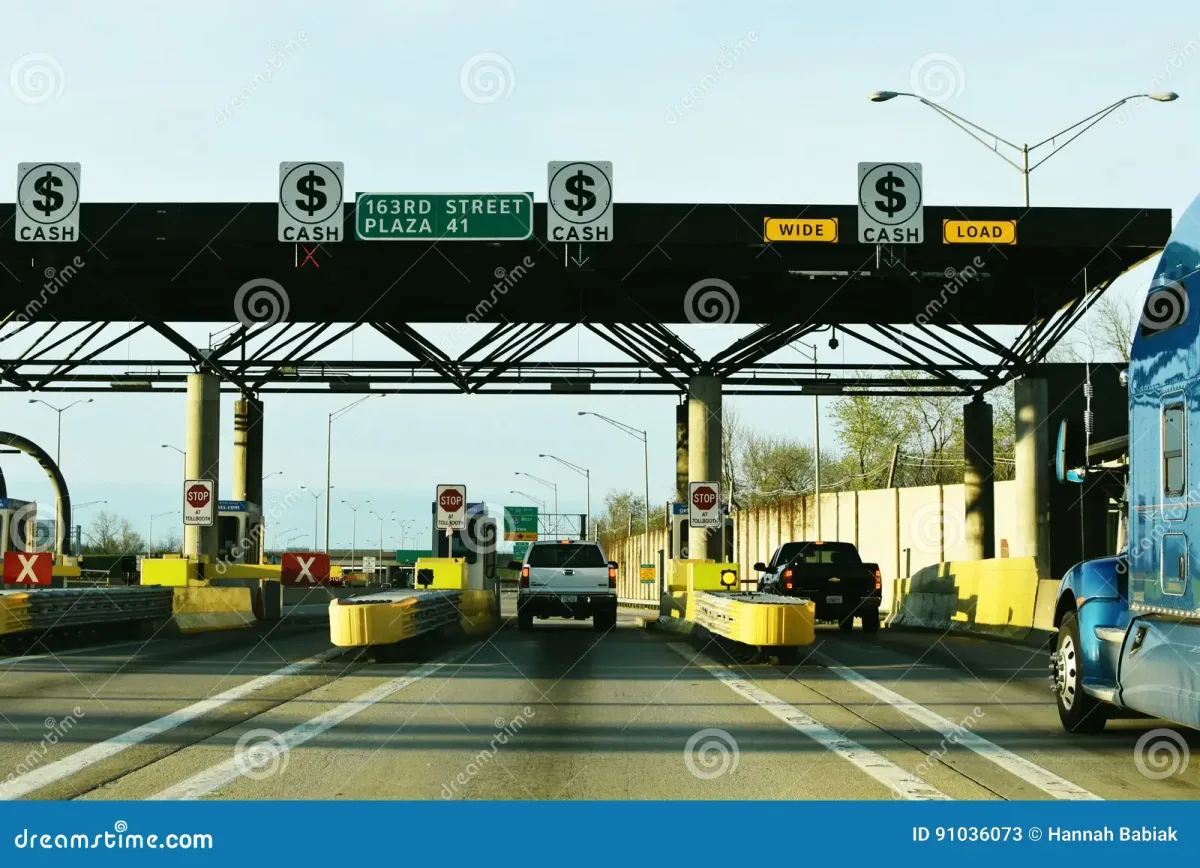
The Illinois Tollway uses a cashless system, meaning you either need an I-PASS transponder or your license plate is photographed for pay-by-plate billing. If you pass through a toll without paying, the system records your license plate and sends an invoice to the registered vehicle owner.
This invoice includes the original toll amount plus a $20 administrative fee. If unpaid, the fee increases by $5 per day until it hits the $100 cap. The Illinois Tollway enforces these rules to ensure compliance and maintain revenue for road maintenance.
The Exact Fees and Penalties You'll Face
Here's the breakdown of what you'll owe if you miss a toll:
- Base violation fee: $20 per unpaid toll
- Late penalty: $5 per day after the due date
- Maximum penalty per violation: $100
- Payment deadline: 14 to 30 days from the invoice date
If you accumulate three or more unpaid violations, the Illinois Secretary of State can place a hold on your vehicle registration. This means you won't be able to renew your plates until all fees are paid.
How the Invoice Process Works
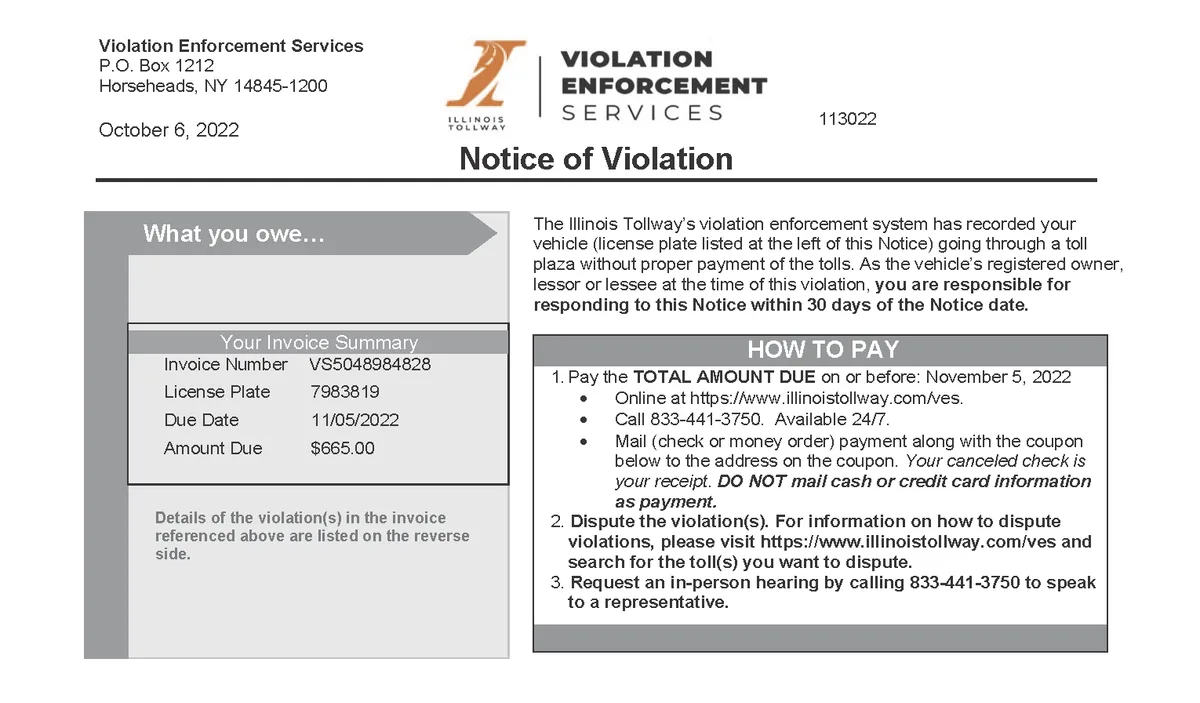
After a missed toll, the system generates a violation notice within 14 days. The notice goes to the address on file with the Secretary of State. It lists the date, time, location, and toll amount plus the $20 fee.
You have 30 days from the notice date to pay or request a hearing. After that, the $5 daily penalty starts. The cap hits at $100 per violation.
Multiple violations stack quickly. A single trip with four missed tolls can reach $400 in penalties if ignored.
What Happens If You Ignore the Invoice?
Ignoring the invoice is a bad idea. The fees keep climbing, and the Illinois Tollway can escalate the matter to collections. Worse, your vehicle registration can be suspended, which means you can't legally drive until the issue is resolved.
The Illinois Tollway also reports unpaid tolls to credit agencies in some cases, which could impact your credit score. Paying promptly is the simplest way to avoid these consequences. Similar registration suspension rules apply in other states, such as Connecticut's process for unpaid local property taxes.
How to Pay an Illinois Tollway Violation (Step by Step)
Paying your violation is straightforward. Here's how to do it:
- Locate your invoice. Check your mail or email for the violation notice, which includes the violation number and amount due.
- Choose a payment method. You can pay online, by mail, or in person.
- Pay online. Visit the Illinois Tollway's payment portal and enter your violation number and license plate information.
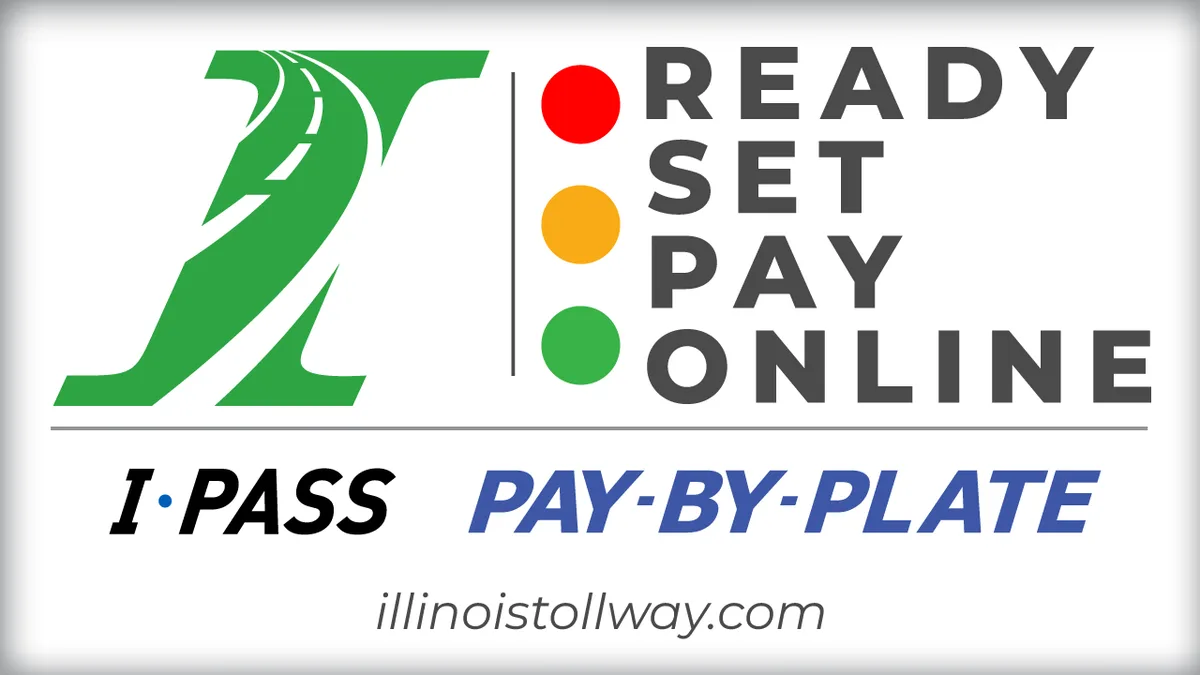
- Pay by mail. Send a check or money order to the address listed on your invoice. Include your violation number.
- Pay in person. Visit a Tollway customer service center if you prefer to pay with cash or card.
How to Dispute a Violation If It's Wrong
You can contest a violation if you believe it's an error. The process starts by requesting a hearing within 30 days of the invoice date.
Gather evidence like toll receipts, transponder records, or proof the vehicle wasn't yours at the time. Submit your dispute online or by mail with a clear explanation and supporting documents. The Illinois Tollway reviews these cases and will notify you of the decision.
How to Avoid a Vehicle Registration Hold
The simplest way is to pay violations before they pile up. Three or more unpaid tolls trigger a registration hold, which blocks your ability to renew plates.
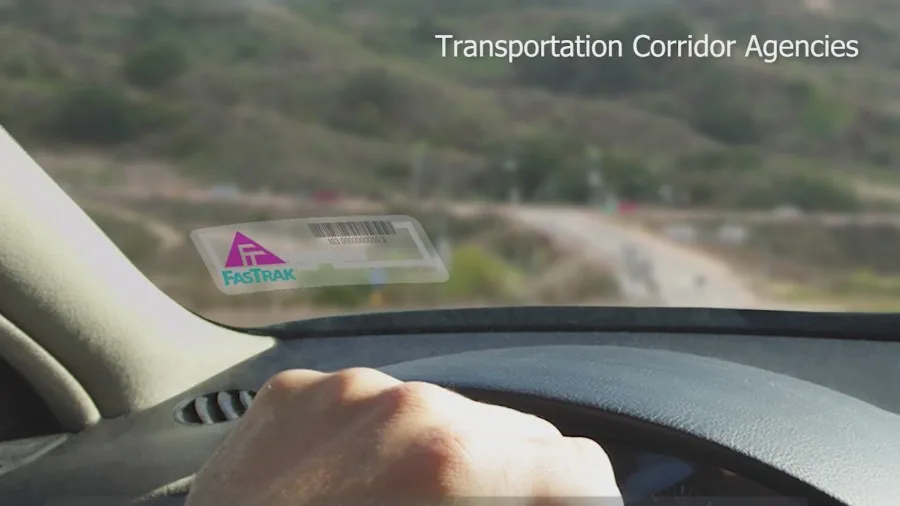
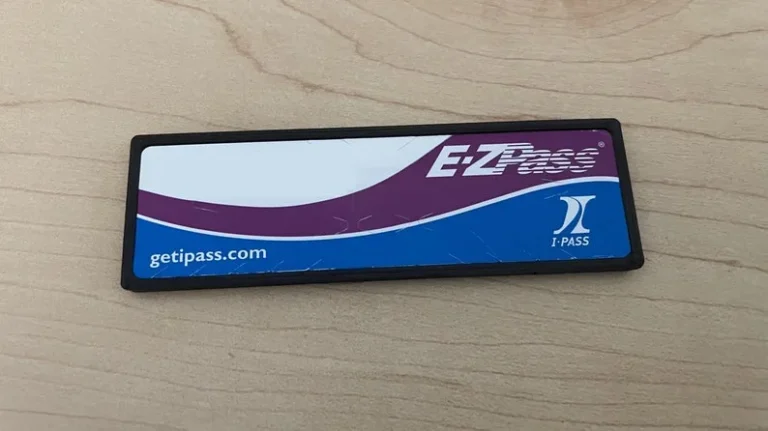
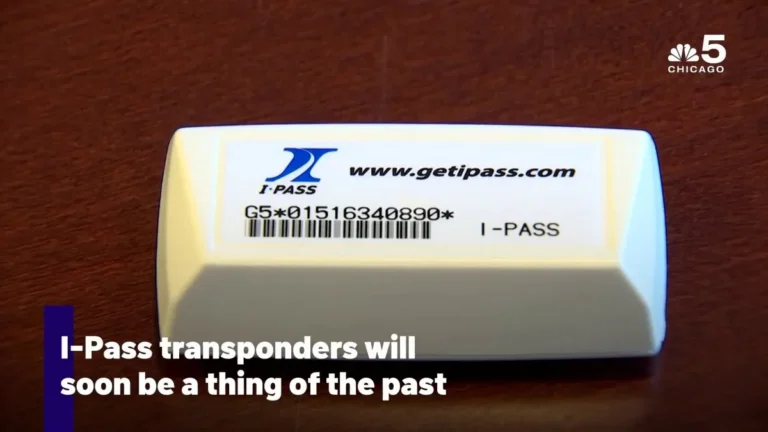
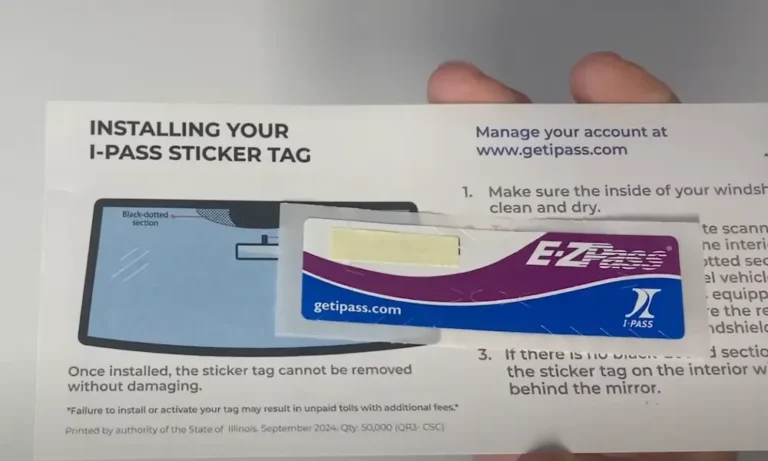
An I-PASS transponder prevents most violations by automatically deducting tolls. If you frequently use the Tollway, setting one up saves time and avoids fees. Check your account regularly to catch any missed payments early.
This proactive approach mirrors how Florida handles continuous insurance coverage requirements to prevent lapses.
The Fastest Way to Check for Unpaid Violations
Use the Illinois Tollway's online portal to look up violations by license plate or I-PASS account. This tool shows all outstanding invoices and their due dates.
You can also call the Tollway's customer service line for assistance. Having your license plate number ready speeds up the process. Regular checks help you address issues before penalties escalate.
What Rental Car Drivers Need to Know
Rental companies often pass toll charges to the driver, sometimes with added administrative fees. If you used a rental car on the Tollway, check your rental agreement for toll policies.
Some rental agencies offer I-PASS transponders for an extra fee. If you decline this, you're responsible for any tolls incurred during your rental period. Keep receipts and monitor your email for violation notices.
Florida's PIP insurance requirements show how state-specific rules catch unprepared drivers.
Illinois Tollway vs. Other States: How It Compares
Illinois' $20 base fee is higher than some states but lower than others. For example, Florida's SunPass system charges a $2.50 administrative fee per unpaid toll, while New York's MTA bridges and tunnels can impose a $50 penalty.
The daily late fee in Illinois is steeper than in many states, which makes prompt payment critical. Unlike some systems, Illinois doesn't charge additional fees for mailed invoices. Always check the specific rules for any toll road you use.
Understanding Florida's PDL minimum coverage helps when comparing state penalties.
Common Mistakes That Cost You More
Assuming the invoice is someone else's problem is a big mistake. Even if you weren't driving, the violation is tied to the vehicle's registered owner.
Waiting until the last minute to pay can lead to missed deadlines and higher fees. Always check the due date on your invoice and act before penalties add up.
FAQs About Illinois Tollway Violations
How long do I have to pay a toll violation?
You typically have 14 to 30 days from the invoice date to pay before late fees start accruing. The exact deadline is printed on your notice.
What happens if I don't pay the violation?
Unpaid violations trigger daily late fees up to $100 per toll. After three unpaid violations, your vehicle registration can be suspended.
Can I pay a violation with a credit card?
Yes, the Illinois Tollway's online portal accepts credit and debit cards. You can also pay by check or money order if you prefer.
How do I know if I have unpaid violations?
Check the Illinois Tollway's website using your license plate or I-PASS account. You can also call their customer service for assistance.
Can I dispute a violation if the toll was charged to the wrong car?
Yes, you can request a hearing if you believe the violation was assigned in error. Provide evidence like toll receipts or vehicle ownership records.
Do rental car companies handle toll violations for me?
Some do, but many pass the charges to the driver with added fees. Check your rental agreement for their specific toll policy.
Where to Get Official Help
The Illinois Tollway website has payment portals, violation lookup, and dispute forms. The Illinois Secretary of State handles registration holds and reinstatements. For general questions, call the Tollway at 800-824-7277.