Black Friday deals are live on Amazon · limited-time discounts, grab them before they’re gone
Grab the deals

ByMax Lee
How to Get Car Wash to Pay for Damage: Proven Steps to Claim Compensation
A car wash can leave more than a clean finish. Automatic brushes, conveyor systems, attendants, pressure washers, chemicals, and careless handling may cause scratches, dents, broken trim, water intrusion, or missing parts.
If you discover damage after a wash, act quickly. Your claim will usually depend on proving four things:
- The car wash had control of your vehicle.
- The damage was not present beforehand.
- The damage occurred during the service or resulted from negligent conduct.
- The amount you are requesting is reasonable and supported by evidence.
This guide explains how to document the loss, approach the business, use insurance appropriately, and escalate the matter if the car wash refuses to pay. For more on this, see our guide on do you pay az sales tax on an.
Common Types of Car Wash Damage
Damage can result from equipment contact, improper cleaning methods, careless employees, or a vehicle being moved incorrectly. Common examples include:
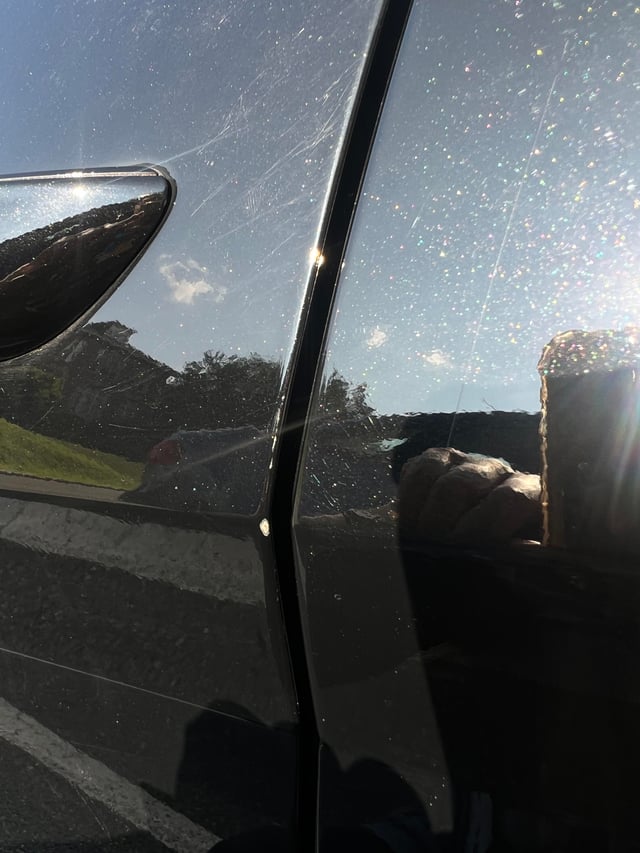
- Deep scratches, swirl marks, or paint transfer
- Dents caused by brushes, rails, gates, or other equipment
- Broken side mirrors, antennas, wipers, badges, or trim
- Cracked lights, windows, or exterior panels
- Bent wheels or damage to tires
- Missing license-plate frames or accessories
- Water inside the cabin, trunk, electrical components, or convertible roof
- Staining or paint damage caused by incorrect chemicals
- Damage caused when an attendant drives, parks, or retrieves the vehicle
Not every defect discovered after a wash was necessarily caused by the wash. Older scratches, loose trim, rust, prior collision damage, and poorly repaired paint can make a claim harder to prove. That is why timing and condition evidence matter.
What to Do Immediately After the Car Wash
1. Stop and inspect the vehicle before leaving
Inspect the car in a well-lit area before driving away. Check the roof, hood, trunk, bumpers, wheels, mirrors, glass, lights, and lower panels. If the vehicle went through an automatic system, examine areas that could have contacted brushes, rollers, rails, or drying equipment.
If possible, compare the vehicle with photographs taken before the wash. A quick walk-around video showing the vehicle, the location, and the newly discovered damage can be particularly useful.
Do not polish, wash, touch up, or repair the affected area before it has been documented and inspected. Cleaning or repairing the damage may remove evidence about what happened.
2. Report the damage before you leave
Tell an employee immediately and request the manager or on-duty supervisor. State the facts without guessing or making accusations:
“I noticed this damage immediately after the wash. I would like it documented and inspected before I leave.”
Ask the business to create an incident report. Request the report number, the manager’s name, and the company’s claims contact. If staff refuse to record the complaint, write down that refusal, including the date, time, and names of the people involved.
A common mistake is leaving the premises and waiting several days to complain. The longer the delay, the easier it is for the business to argue that the damage occurred somewhere else.
3. Preserve the transaction records
Keep every document connected with the service, including:
- Receipt, invoice, membership record, or digital payment confirmation
- Wash package and service description
- Date and approximate time of service
- Location and lane number, if known
- Names or descriptions of employees
- Photographs and videos
- Written communications with the business
- Repair estimates and inspection reports
- Towing or transportation receipts, if applicable
Also write a short timeline while the details are fresh. Include the vehicle’s condition before the wash, what service was purchased, what you noticed afterward, and who inspected the vehicle.
Build Evidence That Connects the Damage to the Wash
The central issue is usually causation: can you show that the car wash caused the damage rather than merely showing that damage existed afterward?
Use before-and-after evidence
The strongest evidence may include:
- Time-stamped photographs taken before and after the wash
- A vehicle inspection, appraisal, or service record from shortly before the incident
- Photos from a previous sale, listing, inspection, or maintenance visit
- Dash-camera footage showing the vehicle before entering the wash
- Photos showing the car’s position in the wash lane
- Statements from passengers or witnesses
- A repair technician’s opinion about the likely cause
Take close-up photographs and wider images that show where the damage is located on the vehicle. Include a common object or measuring tool for scale when useful, but do not touch the damaged surface unnecessarily.
Ask the car wash to preserve surveillance footage
Many facilities use cameras at entrances, payment booths, vacuum areas, lanes, and exits. Contact the manager promptly and make a written request that relevant footage, electronic logs, inspection records, and incident reports be preserved.
You can write:
“Please preserve all surveillance footage, equipment records, employee records, and incident reports relating to my vehicle’s visit on [date] at approximately [time].”
A preservation request does not guarantee that the business will provide the footage, but it creates a clear record that the evidence may be relevant. Businesses may have automatic deletion systems, so do not wait until after a dispute has escalated.
Obtain an independent inspection
A reputable body shop, detailer, glass specialist, wheel repairer, or mechanical technician may be able to identify the likely source and repair method. Ask for a written statement that separates:
- The observed damage
- Whether the damage appears fresh or pre-existing
- The probable cause
- The recommended repair
- The estimated cost
An independent opinion is more useful than a vague statement that the car “looks worse.” For paint damage, ask whether correction, repainting, blending, or panel replacement is appropriate. For water intrusion, request an inspection for hidden electrical, mold, or corrosion damage rather than accepting only surface drying.
If the vehicle is unsafe to drive, prioritize safety and arrange towing. Document why driving was unsafe and keep the receipt.
Review the Car Wash’s Waiver and Posted Rules
Car washes often display terms on signs, receipts, websites, or payment screens. These may address:
- Pre-existing damage
- Loose or aftermarket accessories
- Convertible tops, roof racks, antennas, or automatic braking systems
- Vehicle size or clearance restrictions
- Maximum liability
- Required notice periods
- Arbitration or dispute procedures
- A promise that the customer uses the service at their own risk
Read the exact wording and photograph the signs if they are still displayed. Keep the receipt or screen showing the terms that applied on the service date.
A waiver is not automatically a complete defense. Its effect depends on the wording, how prominently it was presented, whether it covers the conduct involved, and the law in the relevant state. A broad disclaimer may not protect a business from every form of negligent or intentional conduct. Conversely, a clearly disclosed limitation can make recovery more difficult.
Do not assume that a sign saying “not responsible for damage” ends the matter. Ask the business to explain its position in writing and consider local consumer-protection or legal advice if the claimed loss is substantial.
For general consumer-dispute guidance, the Federal Trade Commission’s consumer resources provide useful information about documenting problems and communicating with businesses.
Ask the Manager for a Specific Resolution
Approach the manager professionally and make a specific request. Depending on the evidence, you might request:
- Payment for a reasonable repair
- Direct payment to an agreed repair facility
- Reimbursement for an inspection
- Replacement of a broken part
- Reimbursement of necessary towing or rental costs
Do not demand an arbitrary amount. Obtain one or more itemized estimates from established repair businesses and explain how the estimate relates to the observed damage.
A practical first conversation might be:
“My vehicle was undamaged when it entered the wash, and I documented this damage immediately afterward. I have the receipt, photographs, and a written repair estimate. Please provide your claims process and confirm whether the business will inspect the vehicle or pay the reasonable repair cost.”
Give the business a reasonable opportunity to investigate. However, do not sign a release or accept a payment marked “full and final settlement” until you understand whether it covers hidden damage, supplemental repairs, and other recoverable costs.
Send a Formal Demand Letter
If the manager does not resolve the matter, send a concise demand letter to the business owner, corporate office, insurer, or registered business address. Use email as well as a trackable mailing method when possible.
Include:
- Your name, address, phone number, and email
- Vehicle year, make, model, and identification details
- Date, time, and location of the wash
- Service purchased and receipt number
- Clear description of the damage
- When and how you discovered it
- Evidence supporting your claim
- Repair estimate and requested amount
- A reasonable response deadline
- Your preferred method of payment or repair coordination
Attach copies rather than originals. Keep a complete file of what you sent and proof of delivery.
Sample demand letter
Subject: Request for Compensation for Vehicle Damage on [Date]

Dear [Manager or Business Owner]:

I purchased [type of wash] at your [location] on [date] at approximately [time]. My vehicle is a [year, make, model], and the receipt is attached.

Immediately after the service, I observed [specific damage]. The damage was not present before the vehicle entered the wash. I reported it to [employee or manager] at the location and have attached photographs, the receipt, and a written repair estimate from [repair business].

The reasonable repair cost is $[amount]. Please confirm by [date—typically 10 to 14 days after delivery] whether you will pay this amount, arrange an inspection, or coordinate repairs with the shop.

Please preserve any surveillance footage, equipment records, employee records, and incident reports related to my vehicle’s visit.

I hope we can resolve this directly. I have kept copies of all supporting documents and will consider other available remedies if I do not receive a response.

Sincerely,

[Name]
[Contact information]
Do not exaggerate, threaten employees, or make unsupported legal claims. A factual letter is easier for a business, insurer, mediator, or court to evaluate.
Consider Filing an Insurance Claim
Review your auto policy or contact your insurer to ask whether the loss may be covered. Coverage depends on the policy language, the cause of damage, your deductible, exclusions, and whether the car wash or its insurer is legally responsible.
Potentially relevant coverage can include:
- Comprehensive coverage: Often associated with non-collision physical damage, but the exact policy terms control.
- Collision coverage: Generally concerns collision-related damage, though the facts and policy wording determine whether it applies.
- Rental reimbursement: May help with transportation while a covered repair is completed.
- Property or business liability coverage: The car wash may carry insurance that responds to customer-property claims.
Ask the insurer:
- Whether you should report the incident immediately
- Whether reporting could affect your premium or claim history
- Whether your deductible applies
- Whether an adjuster must inspect the vehicle before repairs
- Whether the insurer will pursue reimbursement from the car wash through subrogation
- Which documents and photographs are required
Do not assume that filing a claim guarantees payment. If the repair cost is close to your deductible, paying for the repair yourself and pursuing the business may be more practical. If the damage is significant, hidden, or likely to worsen, prompt notice to your insurer may protect your options.
The National Association of Insurance Commissioners offers general insurance information, but your policy and state law govern the actual claim.
Get a Repair Estimate and Calculate the Claim Carefully
Obtain a written, itemized estimate from a qualified repair facility. It should identify:
- Parts and labor
- Paint or materials
- Diagnostic charges
- Taxes and fees
- Whether calibration is required
- Whether additional damage may be found after disassembly
For example, a broken mirror may require blind-spot monitoring calibration, while water entering an electrical system may cause later failures. Ask the repairer whether the initial estimate is likely to change once work begins.
You may also have a claim for reasonable related expenses, such as:
- Towing
- Necessary transportation or rental costs
- Inspection fees
- Storage charges caused by the dispute
These costs must be reasonable, documented, and legally recoverable in your jurisdiction. Diminished value—the reduction in resale value after a repair—is more complicated and may require an appraisal or expert evidence. Do not include it automatically without checking local law and supporting the amount.
If you maintain your vehicle yourself, paint-safe washing practices can reduce the chance of creating new scratches while you document or clean unaffected areas. Avoid using those techniques on the damaged area before an inspection.
Escalation Options When the Car Wash Refuses to Pay
File a consumer complaint
Depending on your location, you may be able to contact a state attorney general, consumer-protection office, licensing agency, or local business regulator. A complaint may encourage a response, but it does not always order the business to pay damages.
Provide a chronological summary and attach organized evidence. Do not send dozens of unlabelled photographs; identify each file and explain what it shows.
Use mediation
Mediation allows the parties to negotiate with a neutral third party. It can be less expensive and faster than court, particularly when the dispute concerns a repair bill rather than a major injury or total loss.
Check whether the car wash’s terms require arbitration or specify a dispute-resolution process. Do not ignore a contractual deadline or notice requirement.
Consider small claims court
Small claims court may be appropriate when the amount is within your state’s limit and informal negotiations fail. Rules vary, but you typically need to prove:
- You paid for a service or entrusted the vehicle to the business.
- The business or its employees caused the damage, or failed to use reasonable care.
- The damage was not pre-existing.
- The amount requested reflects a reasonable loss.
- You followed required notice, filing, and service procedures.
Gather the receipt, before-and-after photographs, demand letter, proof of delivery, repair estimates, inspection reports, witness details, and records of communications.
Before filing, check the correct court, filing fee, service method, deadline, maximum claim amount, and whether a business must be sued under its legal entity name. Court staff can explain procedure, but they generally cannot tell you whether your evidence is strong or what legal strategy to use.
State-specific vehicle and insurance rules can differ considerably. For example, liability concepts discussed in Ohio insurance requirements do not automatically determine responsibility for a car-wash property claim. Likewise, uninsured-motorist coverage rules usually address collisions with uninsured drivers, not ordinary service-provider damage. Use those resources only for general context and verify the law where the incident occurred.
A car-wash dispute is also different from a defective-vehicle claim. Lemon-law protections generally concern qualifying vehicle defects and manufacturer repair obligations, not a single incident involving a cleaning business.
Mistakes That Can Weaken a Car Wash Damage Claim
Avoid these common errors:
- Leaving without reporting the damage
- Waiting weeks before taking photographs
- Repairing or polishing the area before an inspection
- Relying only on a verbal conversation
- Throwing away the receipt
- Accusing an employee without evidence
- Accepting a quick payment without understanding the release
- Demanding an unsupported amount
- Ignoring a policy deductible
- Filing in the wrong court or against the wrong business entity
- Posting threats or misleading allegations online
- Assuming a disclaimer automatically defeats the claim
In practice, organized documentation often matters more than an angry complaint. Keep one folder containing the timeline, images, receipt, inspection, estimates, letters, and responses.
How to Reduce the Risk of Future Car Wash Damage
Before using a car wash:
- Inspect the vehicle and photograph existing damage.
- Remove loose accessories, roof racks, antennas, and personal items when appropriate.
- Ask whether the facility accepts your vehicle’s size and equipment.
- Read the posted terms before paying.
- Ask how the business handles damage claims.
- Choose a facility that identifies its operator and provides a clear contact process.
- Avoid using an automated system if the vehicle has loose trim, unusual modifications, a soft top, or manufacturer warnings against that type of wash.
- Keep a record of regular vehicle condition if you lease, sell, or maintain the car professionally.
A touchless system may reduce brush contact but does not eliminate risks from rails, attendants, chemicals, water pressure, or drying equipment. A hand wash may reduce some mechanical-contact risks while introducing others if employees use dirty mitts, aggressive tools, or improper techniques.
Frequently Asked Questions
How do I prove a car wash caused damage?
Use a combination of immediate photographs, before-and-after condition evidence, the receipt, a prompt incident report, witness information, surveillance footage, and an independent repair opinion. The goal is to show both timing and causation. A photo taken immediately afterward proves when you noticed the damage, but it may not alone prove what caused it.
Can I make a claim against an automatic car wash?
Yes. You can request compensation from an automatic, self-service, or staffed facility when evidence supports the claim. The business may argue that the damage was pre-existing, caused by an excluded accessory, or covered by a waiver. The outcome depends on the facts, posted terms, evidence, and applicable state law.
What should I do if the car wash denies responsibility?
Ask for the denial and the reason in writing. Then send a documented demand with your evidence and repair estimate. You can also notify your insurer, request preservation of surveillance footage, consider mediation, file a consumer complaint, or use small claims court if appropriate.
Should I contact my insurance company?
Contact your insurer promptly enough to comply with your policy’s notice requirements, particularly if the damage is substantial or the vehicle is unsafe. Ask about coverage, deductibles, inspection requirements, and whether the insurer may recover its payment from the car wash. Reporting a loss does not necessarily mean you must file a claim, but your policy controls the required notice.
What if I did not notice the damage until I got home?
Report it as soon as possible. Explain when and where you found it, preserve the vehicle’s condition, take photographs, and request that the business preserve camera footage. Your claim may be more difficult than one reported at the exit, but delayed discovery does not automatically eliminate it.
Can the car wash rely on a “not responsible” sign?
Possibly, depending on the wording and local law, but such a sign is not automatically conclusive. It may be limited by consumer-protection rules, unclear drafting, inadequate disclosure, or the type of conduct involved. Have the exact terms reviewed if the amount at stake is significant.
Can I recover the full repair cost?
You may be able to recover reasonable costs necessary to restore the vehicle, subject to proof, policy limits, deductibles, legal limits, and arguments about pre-existing damage. Obtain an itemized estimate and keep receipts. Unrelated upgrades, speculative future losses, and unsupported inconvenience amounts are less likely to be accepted.
Should I post a negative review?
A truthful, factual review may be lawful, but do not exaggerate, threaten employees, reveal private information, or state unproven allegations as facts. Resolve the claim through documentation and formal channels first. Online posts rarely substitute for evidence.
Conclusion
Getting a car wash to pay for damage requires more than showing that your vehicle looked different afterward. Act quickly, report the problem before leaving if possible, photograph the vehicle, preserve the receipt and video evidence, request a written inspection, and obtain a reasonable repair estimate.
If the manager will not resolve the matter, send a formal demand, notify your insurer when appropriate, and consider consumer mediation or small claims court. Review waivers carefully, avoid premature repairs or settlement releases, and keep every communication organized.
Start today by photographing the damage, writing a timeline, and requesting that the car wash preserve its surveillance footage.








