Illinois biennial registration options for specific vehicle types and trailers simplify renewals by cutting your DMV visits in half. Most passenger vehicles, trucks, and motorcycles qualify for this two-year cycle, but trailers and specialty vehicles follow different rules.
As of 2026, the Illinois Secretary of State offers permanent registration for certain trailers, while farm and antique vehicles have their own exemptions and reduced fees. The key is knowing which category your vehicle falls into before you start the process.
Quick Answer
Illinois biennial registration applies to most passenger vehicles. Trailers under 8,000 lbs can often use biennial or permanent plates. Farm vehicles may qualify for exemptions.
Antique vehicles over 25 years old get special rates. Always check your vehicle class first.
How Illinois Biennial Registration Works
Biennial registration means you renew your plates every two years instead of annually. The Illinois Secretary of State sends a renewal notice about 90 days before your current registration expires. You can renew online, by mail, or in person at a local facility.
The system applies to most standard vehicles, but weight, use, and vehicle type can change the rules. For example, commercial vehicles and heavier trailers often follow different schedules.
Vehicle Types That Qualify for Biennial Registration
Most passenger vehicles automatically qualify for biennial registration. This includes:
- Cars and SUVs
- Light-duty trucks (under 8,000 lbs)
- Motorcycles
- Vans and minivans
The Illinois Secretary of State groups these under standard registration. You’ll pay a fee based on vehicle type and receive plates valid for two years.
Trailers: Biennial vs. Permanent Registration
Trailers have two main registration paths in Illinois. Biennial registration works like passenger vehicles, with renewals every two years. Permanent registration is a one-time fee for trailers under 8,000 lbs that don’t require a title.
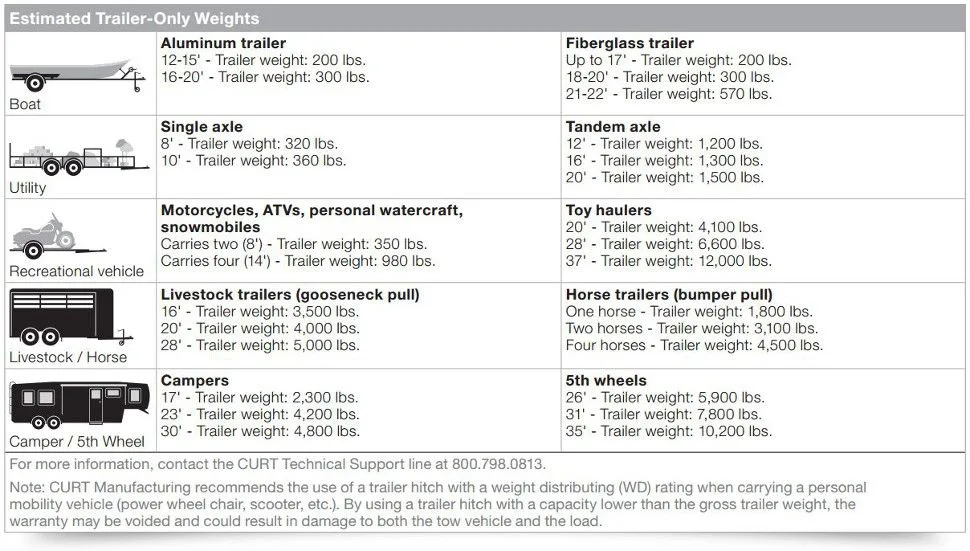
Here’s how to decide:
- Biennial: Best for trailers over 8,000 lbs or those requiring a title
- Permanent: Ideal for utility, boat, or cargo trailers under 8,000 lbs
Permanent plates cost $36 and never expire, but you must keep the trailer’s description updated with the Secretary of State. If you sell the trailer, the new owner must register it under their name.
Special Cases (Farm, Antique, Commercial, RVs)
Not all vehicles follow the standard biennial rules. Here’s what changes for special categories:
Farm Vehicles
- Many agricultural vehicles are exempt from registration
- Farm trailers used exclusively for farming may not need plates
- Check with your county clerk for local rules
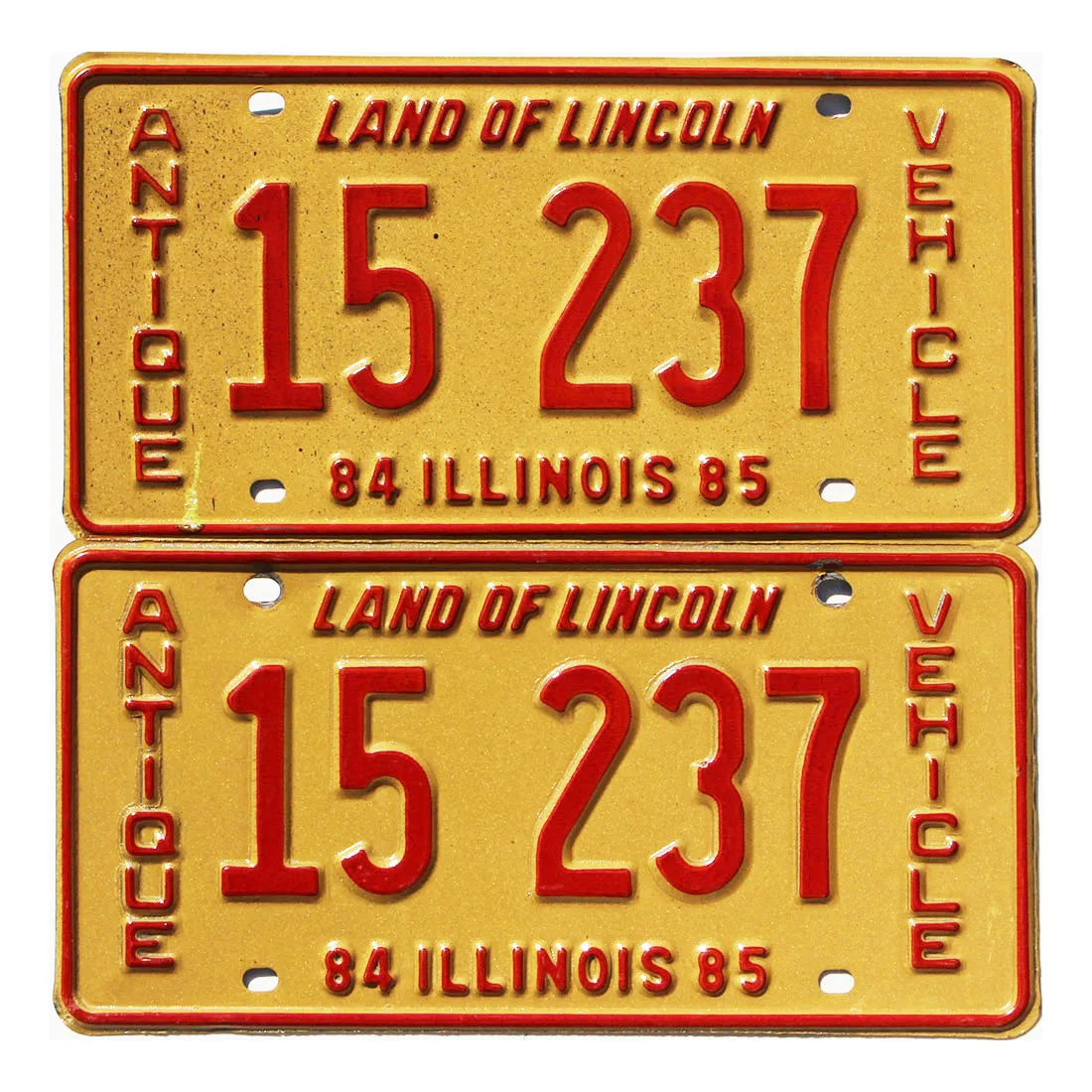
Antique Vehicles
- Must be 25+ years old
- Reduced biennial fee of $24
- Limited to occasional use (parades, shows, personal enjoyment)
Commercial Vehicles
- Registration fees scale with weight
- May require additional safety inspections
- Some commercial trailers need annual registration
Recreational Vehicles (RVs)
- Motorhomes follow standard biennial rules
- Towable RVs (travel trailers, fifth wheels) use trailer registration rules
- Weight determines whether you need biennial or permanent plates
Step-by-Step: How to Register or Renew
Start by checking your renewal notice or the Illinois Secretary of State website. You’ll need your vehicle identification number, proof of insurance, and current odometer reading for most vehicles.
Online Renewal
- Visit the official portal
- Enter your registration ID and PIN
- Verify insurance and address
- Pay the fee with a credit card
- Print the confirmation
In-Person Renewal
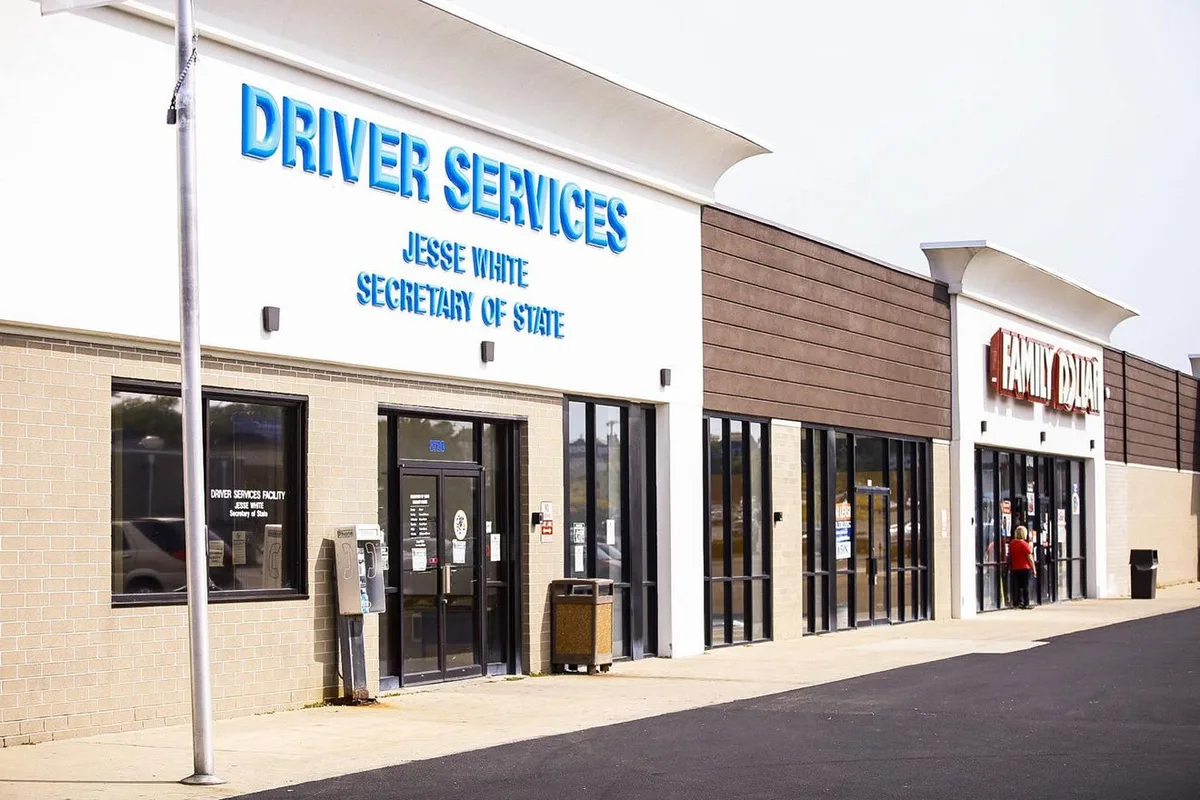
Bring your renewal notice or VIN, proof of insurance, and payment to any Secretary of State facility. Cash, check, or card accepted. You’ll get new stickers on the spot.
Mail Renewal
Send the completed renewal form, payment, and insurance copy to the address on the form. Allow two weeks for processing.
Illinois Registration Fees by Vehicle Type
Fees vary by weight class and registration type. The table below shows base biennial fees as of 2026.
| Vehicle Type | Weight Class | Biennial Fee |
|---|---|---|
| Passenger car | Any | $151 |
| Motorcycle | Any | $41 |
| Truck / SUV | Under 8,000 lbs | $151 |
| Truck / SUV | 8,001–16,000 lbs | $214 |
| Trailer (biennial) | Under 3,000 lbs | $18 |
| Trailer (biennial) | 3,000–8,000 lbs | $58 |
| Trailer (permanent) | Under 8,000 lbs | $36 one-time |
| Antique vehicle | 25+ years | $24 |
| RV / Motorhome | Under 8,000 lbs | $151 |
| RV / Motorhome | 8,001–16,000 lbs | $214 |
Additional fees apply for specialty plates, title transfers, and late renewals. Check the Secretary of State fee chart for exact totals.
Emissions & Safety Requirements (Who Needs What)
Emissions testing applies in Cook, DuPage, Lake, Will, Kane, McHenry, Madison, St. Clair, and Monroe counties. Vehicles from 1996 and newer must pass every two years before registration renewal.
Who Must Test
- Gas-powered vehicles from 1996 or newer
- Heavy-duty vehicles 14,000 lbs or less
- Diesel vehicles from 1997 or newer in some counties
Exemptions
- Vehicles from 1995 and older
- Electric vehicles
- Motorcycles
- Antique plates
- Farm vehicles registered as such
Safety inspections are required for commercial vehicles over 10,000 lbs and for-hire vehicles. Trailers over 3,000 lbs need functional brakes, lights, and safety chains per state law.
Common Mistakes That Cost You Time & Money
Many owners delay renewal past the 30-day grace period. That triggers a $20 late fee and possible ticket if stopped.
Top Errors
- Registering a trailer under the wrong weight class
- Forgetting emissions test in a required county
- Using permanent trailer plates on a titled trailer
- Driving an antique vehicle for daily commuting
- Missing the VIN inspection for a homemade trailer
Quick Fixes
- Weigh your loaded trailer at a certified scale before registering
- Schedule emissions test 60 days before expiration
- Keep antique use logs in case of audit
- Apply for a temporary permit if moving a new vehicle
What Happens If You Don’t Register (or Register Wrong)?
Driving an unregistered vehicle in Illinois is a petty offense with fines up to $1,000. Police can impound the vehicle until valid registration is shown.
Consequences by Scenario
| Scenario | Penalty |
|---|---|
| Expired registration < 30 days | $20 late fee |
| Expired registration > 30 days | Up to $1,000 fine |
| Wrong weight class on trailer | Re-registration plus difference |
| No emissions compliance | Registration blocked until passed |
| Antique misuse | Plate revocation and full fee due |
Insurance claims can be denied if the vehicle was unregistered at the time of an accident. Always verify your plate status before a long trip.
Expert Tips to Save Time & Avoid Hassles
Set a calendar reminder 60 days before your registration expires. This gives you time to complete emissions testing if required and gather all documents.
Pro Tips
- Use the Secretary of State’s online renewal portal for the fastest processing
- Keep a copy of your registration in your vehicle at all times
- If moving to Illinois, transfer your out-of-state registration within 90 days
- For homemade trailers, bring a weight certificate to the DMV
Time-Saving Tricks
- Schedule emissions tests during off-peak hours to avoid long waits
- Use the SOS mobile app to check your registration status
- If renewing by mail, send your documents via certified mail for tracking
Safety / Legal / Compliance / Warnings
Illinois law requires all registered vehicles to maintain minimum liability insurance. The state minimum is $25,000 for injury or death of one person, $50,000 for injury or death of two or more people, and $20,000 for property damage.
Legal Requirements
- Always display current registration stickers on your license plates
- Keep your registration card in the vehicle when driving
- Report address changes to the Secretary of State within 10 days
- Surrender plates when selling a vehicle or moving out of state
Compliance Checks
- Law enforcement can verify registration status electronically
- Unregistered vehicles may be towed at the owner’s expense
- Commercial vehicles must carry additional documentation for weight and safety compliance
Maintenance / Long-Term Optimization
Keep your registration documents organized with your vehicle records. This makes renewals easier and helps if you need to prove compliance.
Record Keeping
- Store registration receipts and confirmation emails
- Note expiration dates in your calendar
- Keep a folder with all vehicle documents in your glove compartment
Long-Term Planning
- Consider permanent registration for eligible trailers to avoid future renewals
- For antique vehicles, plan your usage to stay within legal limits
- If you frequently tow heavy loads, ensure your trailer registration matches its actual weight
Real Scenarios / Case Examples
A Chicago driver forgot to renew their registration and received a $120 ticket. They paid the late fee and renewed online the same day to avoid further penalties.
Common Situations
- A farmer registered their utility trailer as permanent, saving $50 over two years
- An RV owner discovered they needed a weight certificate for their 10,000 lb fifth wheel
- A classic car owner switched to antique plates, reducing their annual cost by $127
Lessons Learned
- Always check your trailer’s actual weight, not just the manufacturer’s estimate
- Emissions testing stations get busy before registration deadlines
- Permanent trailer registration isn’t available for titled trailers
Frequently Asked Questions
Do I need to register my utility trailer in Illinois?
Yes, if it’s used on public roads. Trailers under 8,000 lbs can use permanent registration, while heavier ones require biennial registration.
How much does it cost to register a car in Illinois?
The biennial fee for most passenger vehicles is $151. Additional fees may apply for specialty plates or late renewals.
Can I register my vehicle online in Illinois?
Yes, most standard vehicles can be renewed online through the Secretary of State’s website. You’ll need your registration ID, PIN, and proof of insurance.
What happens if I don’t pass the emissions test?
You won’t be able to renew your registration until the vehicle passes. Some counties offer waivers for vehicles that fail after repairs.
Are there any exemptions for farm vehicles?
Many agricultural vehicles and trailers used exclusively for farming are exempt from registration. Check with your county clerk for specific local rules.