The Illinois electronic registration and title ERT system for car dealers cuts through the paperwork that used to slow down every sale. It’s the state’s digital workflow for transferring titles, perfecting liens, and issuing registrations without the back-and-forth of paper forms. As of 2026, most in-state transactions can be completed in minutes instead of weeks.
The system hinges on whether your lienholder is enrolled in Illinois’ ELT program and where the vehicle’s title originates. Get those two details right and you’ll avoid the most common ERT roadblocks.
Quick Answer
The Illinois electronic registration and title ERT system for car dealers is a digital platform for processing titles and registrations. It replaces paper forms with real-time submissions. Dealers must have an active SOS account.
ELT-enrolled lienholders enable electronic lien perfection. Processing times drop from weeks to minutes.
How the Illinois ERT System Actually Works
ERT is the Illinois Secretary of State’s digital pipeline for title and registration transactions. It connects dealers, lienholders, and the SOS in one workflow. Paper titles still exist for out-of-state or non-ELT cases.
The system validates VINs, calculates taxes, and issues electronic titles when conditions are met. If the lienholder isn’t ELT-enrolled, you’ll default to paper. The same applies for vehicles from states without electronic title programs.
Key components you’ll interact with:
- Dealer Portal: Your entry point for submissions
- ELT Program: Lets lienholders perfect interests electronically
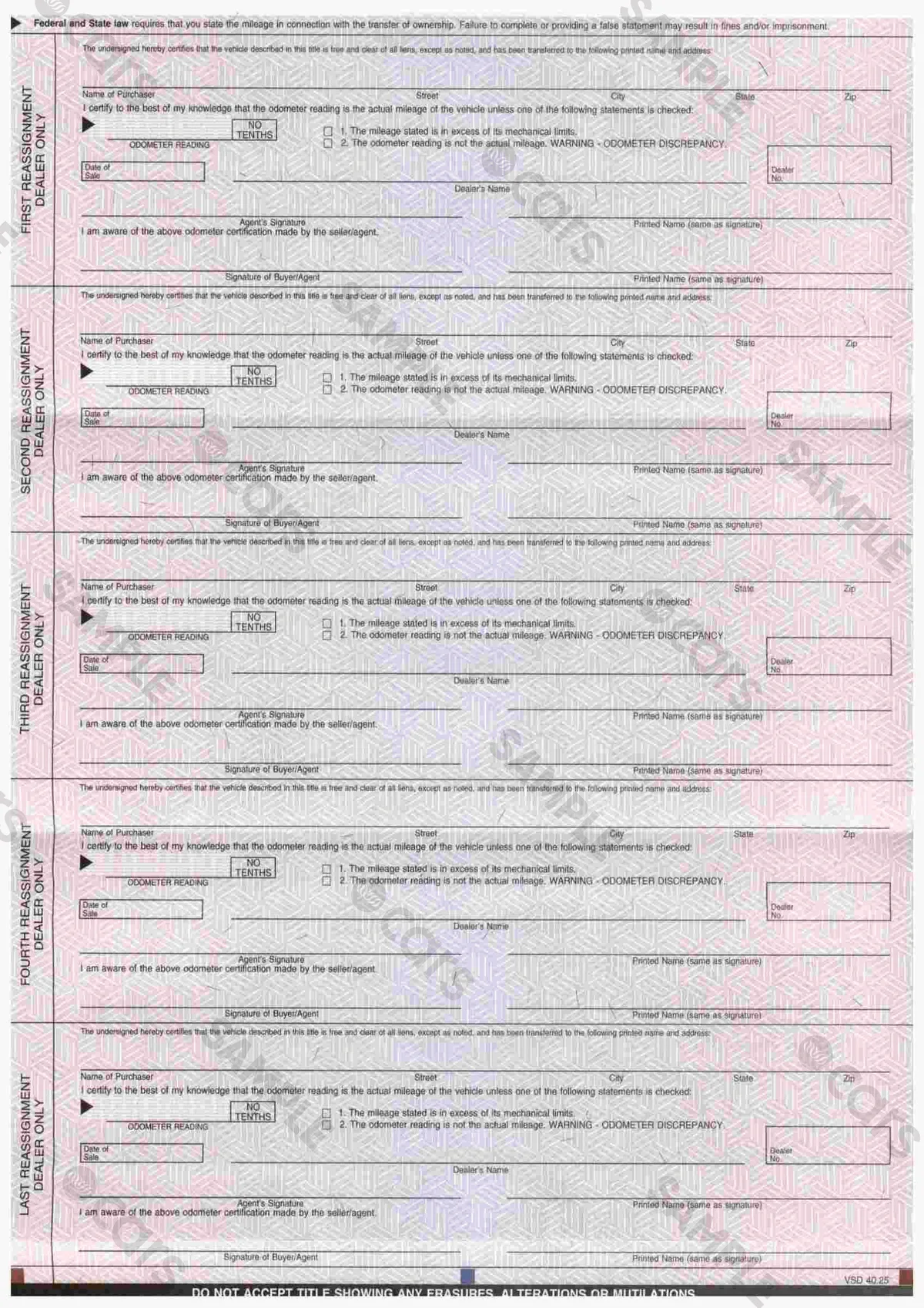
- VSD 190: The electronic title application form
- RUT-50: Sales tax calculation and remittance
Who Can (and Can’t) Use ERT: Dealer and Vehicle Requirements
Not every dealer or vehicle qualifies for ERT. You need an active Illinois dealer license and SOS portal access. The vehicle must have a clean in-state title or be eligible for electronic transfer.
If you’re moving a title from a non-ELT state like Kentucky or Missouri, you’ll start with paper. Salvage, rebuilt, or bonded titles often require extra steps outside ERT. Wholesale transfers between Illinois dealers can use ERT if both parties are set up.
| Requirement | ERT Eligible | Paper Required |
|---|---|---|
| In-state clean title | Yes | No |
| ELT lienholder | Yes | No |
| Out-of-state title (non-ELT) | No | Yes |
| Salvage/rebuilt title | Sometimes | Often |
| Wholesale dealer transfer | Yes | No |
The 3 Title Scenarios That Change Your ERT Workflow
Your next steps depend on where the title comes from and who holds the lien.
In-State Clean Title with ELT Lienholder
If the title is already electronic and the lienholder is ELT-enrolled, you can process everything digitally. Submit the VSD 190, pay taxes, and the SOS issues the new title to the lienholder instantly.
Out-of-State Title from a Non-ELT State
You’ll need to convert the paper title to Illinois first. This means a trip to the SOS or a county clerk to get an Illinois title issued. Only then can you use ERT for the sale.
Salvage, Rebuilt, or Bonded Title
These often require additional inspections or paperwork. ERT may handle the transfer, but you’ll likely need to submit physical documents for the branding to carry over.
Step-by-Step: Processing a Retail Sale in ERT
Start by verifying the vehicle’s current title status in the SOS system. If it’s electronic and the lienholder is ELT-enrolled, you’re cleared for digital processing.
Log into the Illinois SOS Dealer Portal and enter the VIN. The system will pull up the existing title record. Fill out the VSD 190 with buyer and seller details, then calculate taxes using the RUT-50.
Next steps:
- Confirm odometer reading and capture electronic signatures
- Submit the application and pay fees
- The SOS processes the title transfer and sends confirmation to the lienholder
If the lienholder isn’t ELT-enrolled, you’ll receive a paper title to mail to them. Always double-check the VIN and odometer before submission to avoid rejections.
Where Dealers Get Stuck (and How to Fix It)
The most common ERT failure point is a non-ELT lienholder. If the bank or finance company isn’t enrolled, the system forces a paper title. You’ll see an error message in the portal and have to switch workflows.
Another frequent issue is mismatched VINs. Always scan the VIN from the vehicle and cross-check it with the title. Even one digit off will trigger a rejection.
Odometer discrepancies are a third hotspot. The ERT system flags any reading that doesn’t match the last recorded value. If the vehicle has over 100,000 miles, double-check the odometer statement.
ELT Lienholders: The Make-or-Break Factor
ELT stands for Electronic Lien and Title. It’s the program that lets lienholders receive and hold titles electronically. Without it, you’re stuck with paper.
As of 2026, most major banks and credit unions in Illinois are ELT-enrolled. Smaller lenders and some out-of-state finance companies may not be. You can check the Illinois SOS ELT participant list to confirm.
If your buyer’s lender isn’t on the list, you have two options. You can ask them to enroll, which takes about a week. Or you can process the title on paper and mail it to them after issuance.
Paper vs. Electronic: When You Have to Switch Workflows
ERT is fastest when everything stays digital. But some situations force you back to paper.
Out-of-state titles from non-ELT states like Kentucky or Missouri require a paper conversion first. You’ll need to visit a SOS office or county clerk to get an Illinois title issued. Only then can you use ERT for the sale.
Salvage or rebuilt titles often need extra inspections. The SOS may require physical documents to verify the branding. In these cases, ERT can’t complete the transfer until the paper steps are done.
Wholesale transfers between Illinois dealers can stay electronic. Both parties just need active ERT access. The system handles the transfer without paper.
Illinois ERT Fees, Timelines, and Deadlines
ERT doesn’t change the fees, just the speed. Illinois title fee is $150 for standard vehicles. Registration fees vary by weight and type.
Processing times are where ERT shines. Electronic titles can be issued in 15 to 30 minutes. Paper titles still take 4 to 6 weeks.
Deadlines are strict. You have 20 days to transfer a title after a retail sale. For wholesale transfers, it’s 30 days.
Late transfers trigger penalties starting at $20.
| Fee Type | Amount | Notes |
|---|---|---|
| Title Fee | $150 | Standard vehicles |
| Registration | Varies | By weight/type |
| Late Transfer | $20+ | Per day after deadline |
DMS Integration: How to Avoid Double Data Entry
Most dealer management systems can connect to ERT. CDK, DealerTrack, and Reynolds all have Illinois ERT integrations. This lets you push data directly from your DMS to the SOS portal.
Without integration, you’ll enter the same info twice. That’s error-prone and slow. The integration also pulls back confirmation numbers and title status updates.
Check with your DMS provider to enable the ERT module. You’ll need your SOS dealer ID and portal credentials. Once set up, test with a dummy transaction before going live.
Compliance Risks That Can Shut Down a Dealer
Title washing is a major red flag. If you fail to disclose salvage or rebuilt branding, you’re breaking Illinois law. The SOS audits these cases aggressively.
Odometer fraud is another fast track to trouble. Any discrepancy between the stated mileage and the vehicle’s history can trigger investigations. Always verify the odometer reading against the last title record.
Late title transfers carry financial penalties. Miss the 20-day retail deadline and you’ll owe at least $20. Repeat offenses can lead to license suspension.
Real Dealer Scenarios (and What They Did Wrong)
One dealer processed a sale with a non-ELT lienholder. They submitted through ERT anyway and the transaction failed. The fix was switching to paper and mailing the title.
Another dealer missed a VIN digit during data entry. The SOS rejected the application. They had to resubmit with the correct VIN, delaying the buyer’s registration by a week.
A third dealer tried to transfer a salvage title without the required inspection. The system flagged it and the title couldn’t be issued until the paperwork was complete.
FAQs Dealers Ask About Illinois ERT
Can I use ERT for out-of-state titles?
No, not directly. You must first convert the out-of-state title to an Illinois title at a SOS office. Only then can you use ERT for the sale.
How do I check if a lienholder is ELT-enrolled?
The Illinois SOS maintains a list of ELT participants. You can find it on their official website. Most major lenders are enrolled.
What’s the fastest way to process a title transfer?
Use ERT with an ELT-enrolled lienholder. The system can issue the new title in 15 to 30 minutes. Paper transfers take weeks.
Can I correct a mistake after submitting through ERT?
Yes, but it’s easier to catch errors before submission. If you spot a mistake after, you’ll need to contact the SOS to void and resubmit.
Do wholesale transfers require ERT?
No, but they can use it. Both dealers need active ERT access. The system handles the transfer without paper.