If your car failed its Illinois emissions test, you’re not stuck with a huge repair bill. Illinois offers repair waivers that let you bypass costly fixes if you meet specific conditions. Understanding the Illinois failed emissions test repair waivers and compliance requirements can save you hundreds and keep your registration current.
The state sets clear cost caps, $450 for most vehicles, $650 for diesels, and requires proof of attempted repairs. As of 2026, the rules still favor drivers who act quickly after a failure.
Quick Answer
Illinois offers emissions repair waivers if your vehicle fails its test. You must spend up to $450 on repairs and submit receipts to qualify. Diesel vehicles have a $650 cap.
Waivers are valid for one year. They only apply in counties that require emissions testing.
How Illinois Emissions Testing Works (And Why You Might Fail)
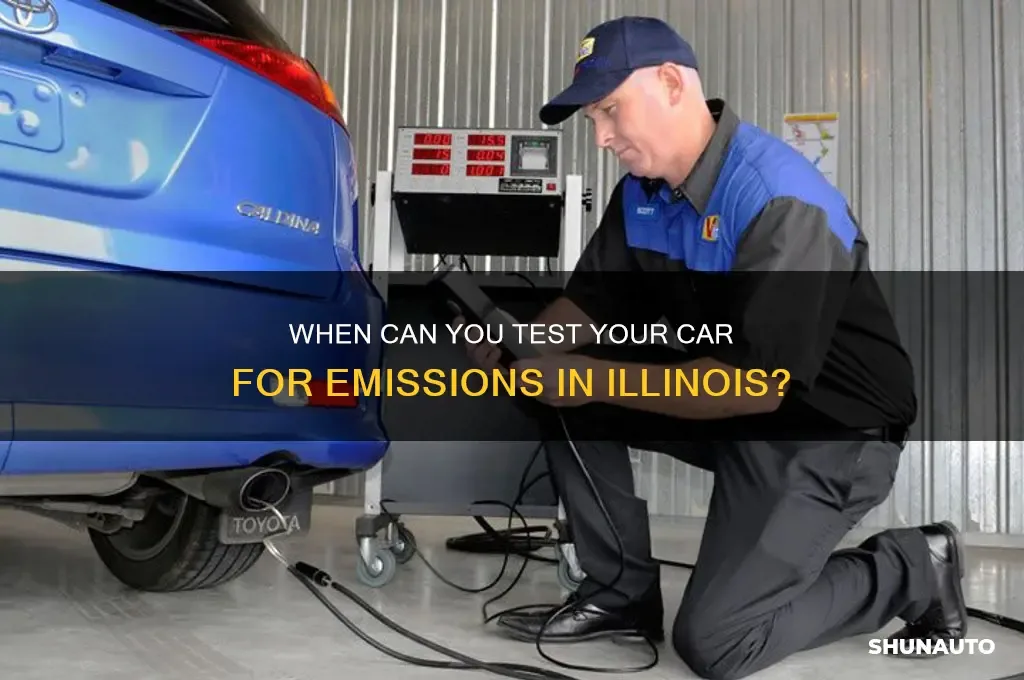
Illinois uses two main tests: the OBD-II scan for newer cars and the tailpipe test for older models. The OBD-II checks your car’s computer for emissions-related faults, while the tailpipe test measures actual pollutants like hydrocarbons and carbon monoxide.
Common failure reasons include a faulty catalytic converter, oxygen sensor issues, or even a loose gas cap. If your check engine light is on, you’ll almost always fail the OBD-II portion. The Illinois EPA oversees the program and sets the standards.
Testing is required every two years in most covered counties, but some areas test annually. You’ll get a failure report detailing exactly why your vehicle didn’t pass.
The 2 Types of Waivers and Who Can Get Them
Illinois offers two waiver paths: the standard repair waiver and the low-income waiver. Both require a failed test, but the low-income option has stricter eligibility rules and different cost limits.
Standard Repair Waiver
- Available to all vehicle owners in testing counties
- Covers repairs up to $450 for gasoline vehicles, $650 for diesels
- Requires receipts proving you spent at least the minimum on qualifying repairs
Low-Income Waiver
- For owners meeting income guidelines (varies by household size)
- Lower repair spending threshold may apply
- Requires additional documentation, like tax returns or benefit statements
You can’t apply for both, you’ll need to choose the path that fits your situation.
Step-by-Step: How to Apply for a Waiver After Failing
Before You Start: Check These 3 Things First
- Confirm your county requires emissions testing
- Verify your vehicle’s model year
- Gather your failure report
- Confirm your county requires emissions testing
- Verify your vehicle’s model year
- Gather your failure report
What to Do Immediately After Failing
Get a diagnostic scan if your check engine light is on. Many auto parts stores offer this for free. The scan will reveal the specific codes triggering the failure.
Gathering the Right Paperwork
You’ll need:
- The official failure report from the testing station
- Itemized repair receipts showing parts, labor, and the total cost
- Proof of vehicle ownership
- For low-income waivers, income verification documents
Submitting Your Waiver Application
Take your paperwork to an Illinois EPA-approved testing station. They’ll review your documents and process the waiver if you meet all conditions.
How Much You’ll Actually Pay: Waiver Cost Caps and Fees
The standard waiver caps your out-of-pocket repair costs at $450 for gasoline vehicles and $650 for diesels. You must spend at least that much on qualifying repairs to be eligible.
| Vehicle Type | Waiver Cost Cap | Testing Fee |
|---|---|---|
| Gasoline | $450 | $20 |
| Diesel | $650 | $20 |
The $20 testing fee is separate and non-refundable. If you’re pursuing a low-income waiver, the repair spending threshold may be lower, but you’ll need to confirm the current limits with the Illinois EPA.
Common Reasons Waivers Get Denied (And How to Avoid Them)
Most denials come from incomplete paperwork or repairs that don’t count toward the cap. The Illinois EPA only accepts receipts for emissions-related parts and labor.
Receipts must show the repair facility’s name, address, and itemized costs. Handwritten notes or credit card statements alone won’t work. If you did the work yourself, parts receipts are accepted but labor isn’t.
Another common issue: the repair total falls short of the required minimum. You must spend at least $450 on qualifying repairs for gasoline vehicles.
Submit everything at once. Piecemeal submissions delay processing and increase rejection risk.
What Happens If You Drive Without Fixing the Problem?
Driving with an expired or non-compliant emissions test blocks your registration renewal. The Secretary of State will not issue new plates or a sticker until the requirement is met.
If you’re caught driving with suspended registration, fines can reach $500 plus court costs. Your vehicle may be towed.
A waiver is your legal bridge. It’s valid for one year and lets you register while you plan permanent repairs.
County-Specific Rules: Where Testing Is Required in Illinois
Testing applies in the Chicago metro area and the Metro East region near St. Louis. That includes Cook, DuPage, Kane, Lake, McHenry, Will, Madison, St.
Clair, Monroe, and Randolph counties.
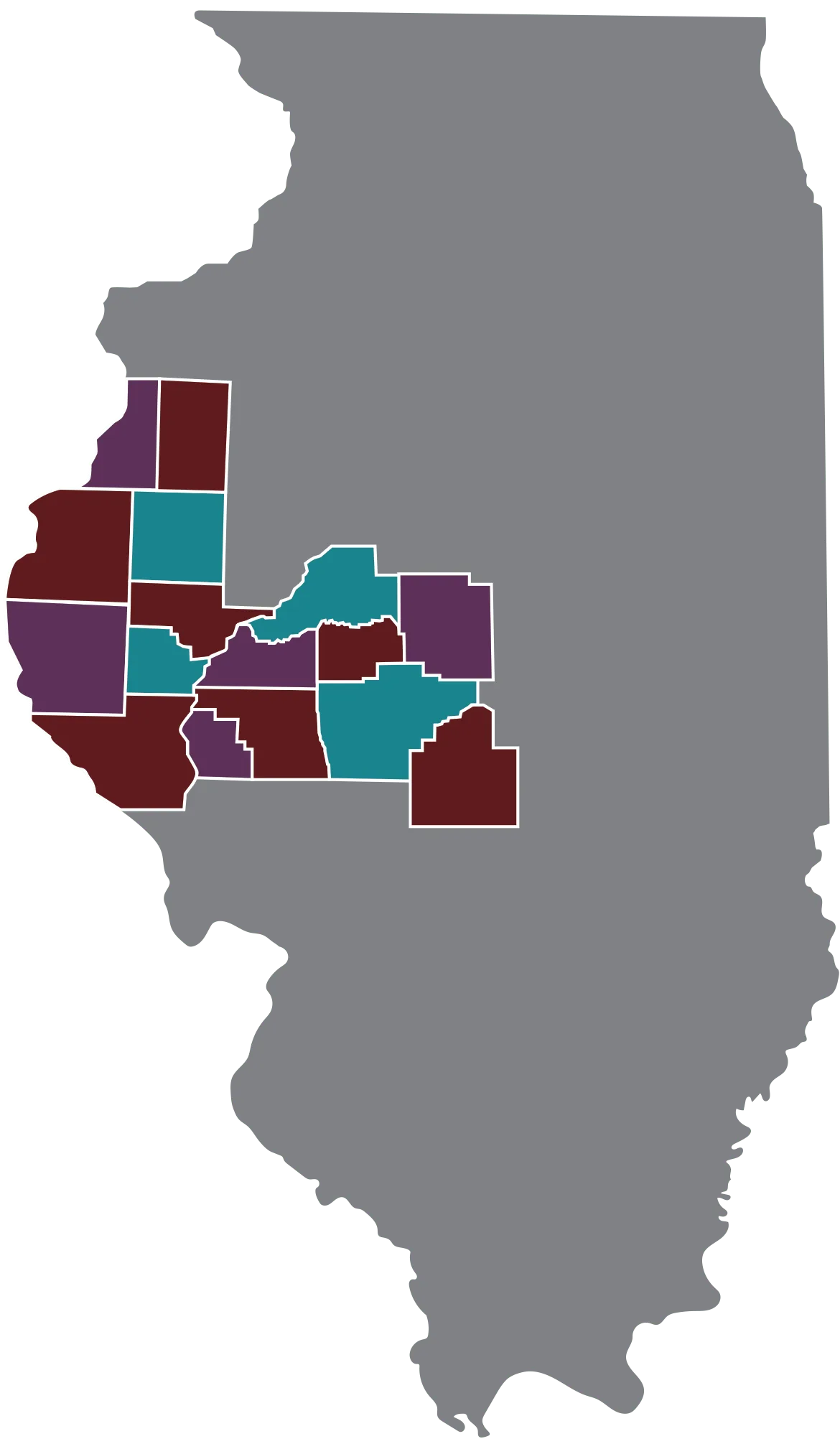
Rural counties are generally exempt. If you move from a non-testing county to a testing county, you have 30 days to comply after establishing residency.
Check your ZIP code on the Illinois EPA website if you’re unsure. The boundaries follow township lines, not city limits.
Low-Income Waivers: Extra Help If You Can’t Afford Repairs
The low-income waiver reduces the repair spending threshold for households earning below 250% of the federal poverty level. For a family of four in 2026, that’s roughly $78,000 annually.
Qualifying repairs still must be emissions-related. The cost cap remains $450 for gasoline vehicles, but you only need to show you attempted repairs up to your ability to pay.
Applications are processed at the same testing stations. Approval isn’t automatic. If denied, you can appeal within 30 days with additional evidence.
Real Fixes vs. Waivers: When to Repair Instead of Apply
A waiver buys time, but it’s not a permanent solution. If your catalytic converter is failing, the problem will worsen and eventually damage other components.
Use this decision framework:
- Choose repair if: The fix is under $800, the vehicle is under 12 years old, or you plan to keep it long-term.
- Choose waiver if: Repairs exceed $1,000, the car has high mileage, or you’re selling within a year.
A $600 oxygen sensor replacement pays for itself in fuel savings within 18 months. A $1,500 converter job on a 2004 sedan might not.
FAQs About Illinois Emissions Waivers
Can I get a waiver if my check engine light is on?
Yes, but you must first attempt repairs. The waiver requires proof you spent up to the cap on emissions-related fixes.
How long does a waiver last?
One year from the date of approval. You’ll need to retest or reapply when it expires.
What if my repairs cost more than the waiver cap?
You can still apply, but you’ll only be reimbursed up to the cap. The waiver doesn’t cover the full cost, it just lets you register.
Do hybrid or electric vehicles need emissions tests?
No. Hybrids are tested like gasoline vehicles, but full electric vehicles are exempt.
Can I sell a car with a waiver?
Yes, but the waiver doesn’t transfer to the new owner. They’ll need to pass a test or apply for their own waiver.
Final Decision Guide: Should You Pursue a Waiver or Fix Your Car?
A waiver makes sense if your car is older, repairs exceed $1,000, or you’re selling soon. It’s a temporary fix that keeps you legal while you plan.
Fix the car if it’s under 10 years old, repairs are under $800, or you drive frequently. Ignoring emissions issues can lead to bigger problems down the road.
If you’re unsure, get a second opinion from a certified emissions repair shop. For low-income drivers, the waiver is often the best path.