ByMax Lee
Illinois Yield to Emergency Vehicles: New Rules
Bing (Web (fair-use with source credit))
Illinois yield to emergency vehicles with flashing lights update 2026 means you must immediately pull over and stop for any emergency vehicle using lights or sirens. This isn’t just courtesy, it’s the law under 625 ILCS 5/11-907.
As of 2026, the minimum fine for not yielding starts at $250, with additional court costs possible. Here’s what the rule requires and how to follow it safely.
Quick Answer
Illinois yield to emergency vehicles with flashing lights update 2026 requires you to pull right and stop. This applies to police, fire trucks, and ambulances. Flashing lights and sirens mean you must yield.
The law covers all Illinois roadways.
What Illinois’ 2026 Yield-to-Emergency-Vehicles Law Actually Says
The Illinois Vehicle Code is clear: when an emergency vehicle approaches with flashing lights or sirens, you must yield the right-of-way. This means moving to the right edge of the road, stopping, and staying put until the vehicle passes.
The law applies whether the emergency vehicle is coming from behind you, head-on, or from a side street. Per the Illinois General Assembly, this rule is enforced statewide with no exceptions for traffic conditions.
Why This Rule Exists and What Happens If You Ignore It
Emergency vehicles need clear paths to respond quickly. Delays caused by drivers who don’t yield can have serious consequences, including lost lives or property damage.
If you fail to yield, you risk a minimum $250 fine plus court fees. More importantly, you could be liable if your actions cause an accident or delay critical response.
The Exact Moment You’re Required to Yield
You must yield as soon as you see flashing lights or hear sirens. This applies whether the vehicle is directly behind you or approaching from another direction.
If you’re in an intersection, clear it completely before stopping. On multi-lane roads, move to the right and stop, even if it means using the shoulder.
Which Vehicles Count as “Emergency” Under Illinois Law
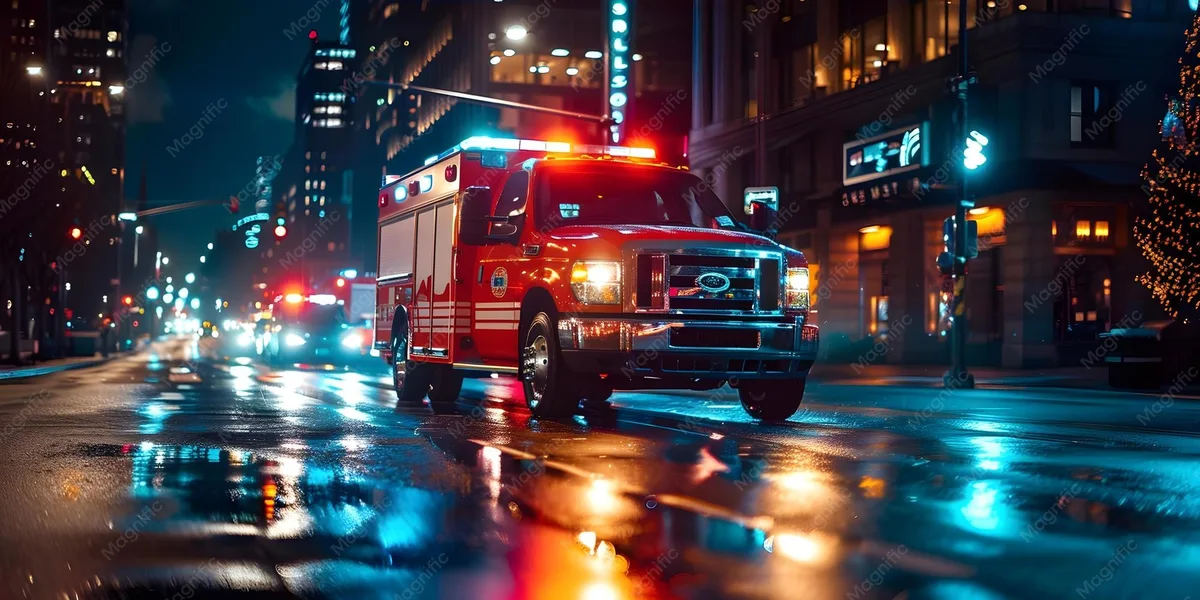
Not every vehicle with flashing lights qualifies. Under Illinois law, emergency vehicles include:
- Police cars
- Fire trucks
- Ambulances
- Rescue vehicles
Bing (Web (fair-use with source credit))
These vehicles must be actively responding to an emergency, which is why they use lights and sirens. Construction vehicles or tow trucks with flashing lights don’t get the same right-of-way.
How to Pull Over Safely (Without Causing Another Crash)
Don’t panic. Sudden stops or swerves can create new hazards for you and other drivers.
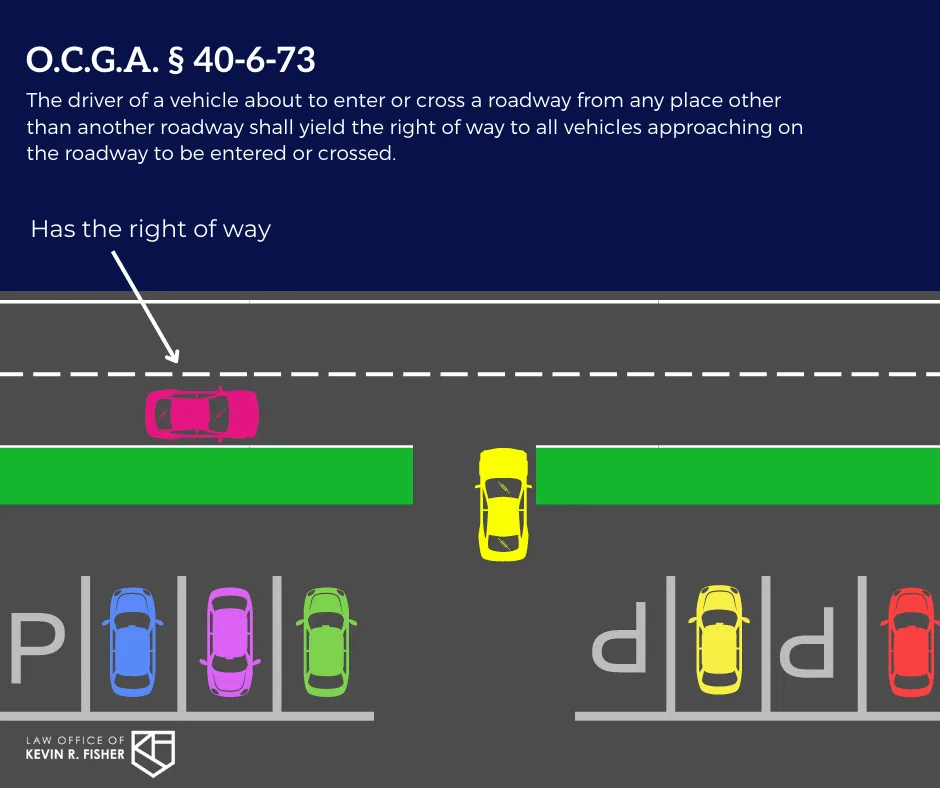
Signal your intent, then move to the right as far as safely possible. If you’re on a highway, use the shoulder. In city traffic, pull into a parking lane or clear space.
Bing (Web (fair-use with source credit))
If you’re in the left lane, don’t cross multiple lanes at once. Move right one lane at a time, checking mirrors and blind spots.
What to Do When You’re in an Intersection or Can’t Move Over
If you’re already in an intersection when you hear sirens, clear it completely before stopping. Blocking an intersection traps the emergency vehicle and breaks the law.
On a one-way street, pull to the left curb if the right is blocked. The law requires you to yield, not necessarily to the right.
If traffic is bumper-to-bumper and you truly can’t move, stay put and let the emergency vehicle navigate around you.
The Fine Print: Exceptions and Edge Cases
The law applies to all drivers, including out-of-state visitors. Ignorance of the rule isn’t a valid defense.
If an emergency vehicle is parked with lights flashing, you must still yield if it’s actively responding. This includes fire trucks at a scene or police cars conducting a traffic stop.
The only exception is if you’re physically unable to move, such as in gridlocked traffic. Even then, you must not block the vehicle’s path.
Penalties for Failing to Yield in Illinois (2026 Update)
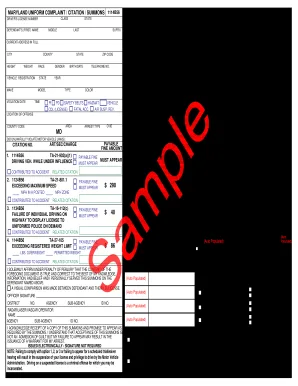
The base fine for failing to yield is $250. Court costs can push the total higher.
You’ll also receive points on your driving record. Too many points can lead to license suspension.
Bing (Web (fair-use with source credit))
If your failure to yield causes an accident or injury, the penalties escalate to criminal charges. The law doesn’t distinguish between intentional and accidental violations.
Common Mistakes Drivers Make—and How to Avoid Them
Many drivers slow down but don’t stop. The law requires a full stop if necessary to yield.
Others try to follow emergency vehicles through red lights. This is illegal and dangerous. Always come to a complete stop at intersections.
Some drivers pull over but leave their wheels turned, which can roll into traffic. Keep your wheels straight and your foot on the brake.
Out-of-State Drivers: Does Illinois’ Law Apply to You?
Yes, it applies to everyone on Illinois roads. Visitors must follow the same yielding rules as residents.
If you’re unfamiliar with local traffic patterns, stay extra alert. Emergency vehicles may approach from unexpected directions in urban areas.
Quick Reference: Yielding Do’s and Don’ts
Do:
- Pull over to the right immediately
- Stop completely if needed
- Use your turn signal
- Stay stopped until the vehicle passes
Don’t:
- Speed up to outrun the vehicle
- Stop in the middle of an intersection
- Block driveways or fire hydrants
- Assume other drivers will yield
Where to Find the Official Rules and Updates
The full text of the law is in the Illinois Vehicle Code, Section 11-907. This is the most reliable source for current requirements.
The Illinois Secretary of State’s office publishes driver’s manuals with updated rules. Check their website for the latest version.
Frequently Asked Questions
What if I’m in the left turn lane when an emergency vehicle approaches?
Complete your turn only if you’re already in the intersection. Otherwise, stay put and let it pass. Never turn into the vehicle’s path.
Do I have to yield to a police car with only lights, no siren?
Yes. Flashing lights alone are sufficient to require yielding under Illinois law. Sirens aren’t mandatory for the rule to apply.
Can I get a ticket if I slow down but don’t stop?
Yes. The law requires you to yield the right-of-way, which often means stopping. Slowing without clearing a path isn’t enough.
What if I can’t see the emergency vehicle because of traffic?
You’re still responsible for yielding. Listen for sirens and watch for flashing lights reflected off other vehicles.
Does this apply to funeral processions?
No. Funeral processions have different rules. Only emergency vehicles with lights and sirens get this right-of-way.