ByMax Lee
Idaho Slow-Moving Vehicle Pull-Off Law Explained
Bing (Web (fair-use with source credit))
Idaho’s rural roads see heavy use by farm equipment, construction vehicles, and other slow-moving traffic. The Idaho slow moving vehicle pull off law for rural road safety exists to keep everyone moving safely when these vehicles can’t keep up with normal traffic speeds.
Per Idaho Code, any vehicle traveling under 25 mph must pull off the roadway when five or more vehicles are lined up behind it. This rule prevents dangerous passing maneuvers and reduces the risk of rear-end collisions on narrow country roads.
Quick Answer
The Idaho slow moving vehicle pull off law for rural road safety requires slow vehicles to pull over when five or more cars queue behind them. The speed threshold is 25 mph. Pull-offs must be safe and visible.
The law applies to farm equipment, construction vehicles, and other slow traffic.
Why Idaho’s Slow-Moving Vehicle Pull-Off Law Exists
Idaho’s rural highways weren’t designed for modern traffic volumes. When tractors, combines, or road maintenance equipment travel at 15-20 mph, they create bottlenecks that frustrate drivers and increase accident risks. The pull-off law addresses this by mandating temporary stops to let faster traffic pass.
Without this rule, impatient drivers often attempt unsafe passes on blind curves or hills. The Idaho Transportation Department reports that rural road collisions involving slow-moving vehicles frequently occur during these risky maneuvers. The law balances agricultural needs with general traffic safety.
The Law in Plain Terms: What You Must Do
Idaho Code § 49-646 specifies the requirements for slow-moving vehicles. If you’re operating a vehicle traveling below 25 mph and five or more vehicles form a line behind you, you must pull off the roadway at the nearest safe location. This applies to all public highways, not just state routes.
The pull-off must provide at least 100 feet of visibility in both directions. You’re not required to pull over if doing so would be unsafe, such as on a bridge or in a curve. The law doesn’t specify how long you must remain pulled over, but common sense dictates waiting until the traffic behind you has cleared.
Who This Affects on Idaho’s Rural Roads
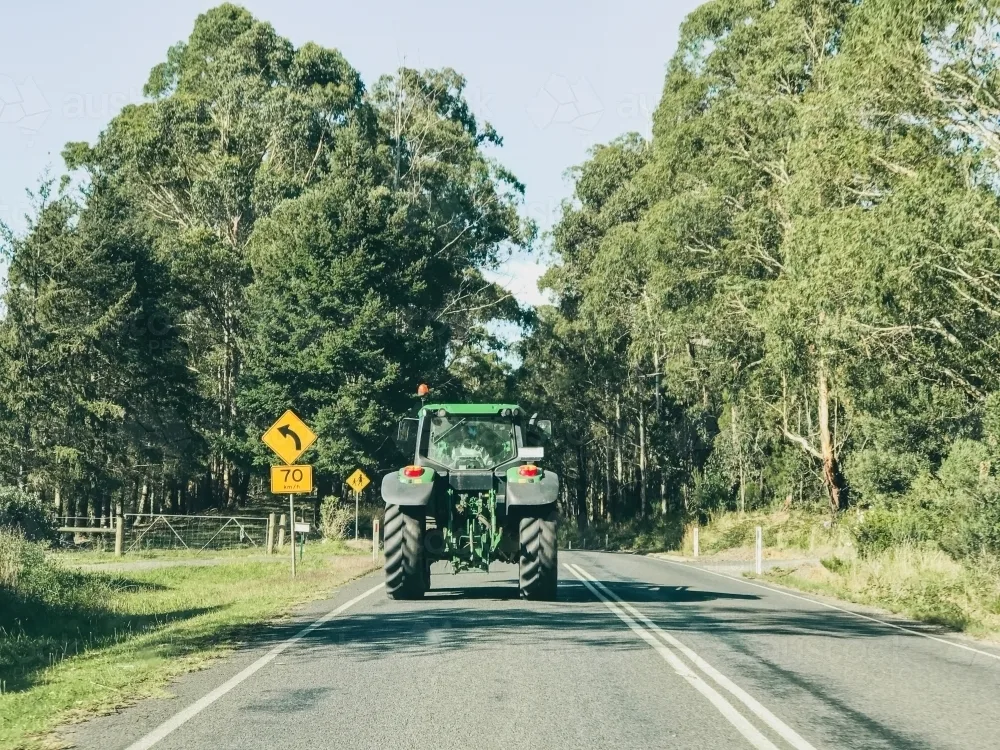
Farmers moving equipment between fields are the most common group affected. During planting and harvest seasons, you’ll often see tractors and combines sharing the road with regular traffic. Construction vehicles working on road projects also fall under this law.
Horse-drawn carriages and utility vehicles like street sweepers must comply too. Even recreational vehicles towing heavy loads may need to pull over if they’re moving significantly slower than the flow of traffic.
Where and When the Pull-Off Rule Applies
The law covers all public roads in Idaho, but it’s most relevant on rural highways where speed limits are 55 mph or higher. These roads often have limited passing opportunities, making the pull-off requirement particularly important.
The rule applies during daylight hours when visibility is good. At night, slow-moving vehicles must display proper lighting and reflective markers as specified in Idaho Code. The pull-off requirement remains in effect regardless of time of day, but nighttime operations require additional safety precautions.
How to Pull Off Safely (Step by Step)
Bing (Web (fair-use with source credit))
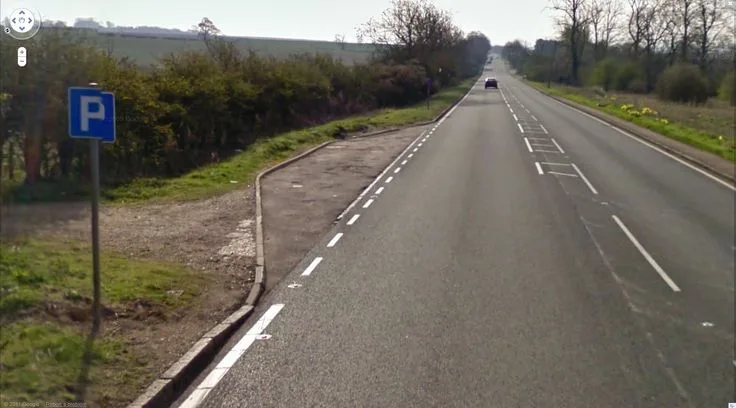
Start by scanning ahead for wide shoulders or designated pull-off areas. These are often marked with signs or visible as paved extensions on rural roads. Never stop on curves, hills, or bridges where visibility is limited.
Signal your intent early with your hazard lights or turn signal. This gives following drivers time to react. Pull completely off the pavement so your vehicle doesn’t obstruct traffic.
Check your mirrors and blind spots before re-entering the road. Wait for a clear gap in traffic that allows safe merging. If you’re towing equipment, ensure it’s fully off the roadway before stopping.
Idaho’s SMV Emblem Requirement
Bing (Web (fair-use with source credit))
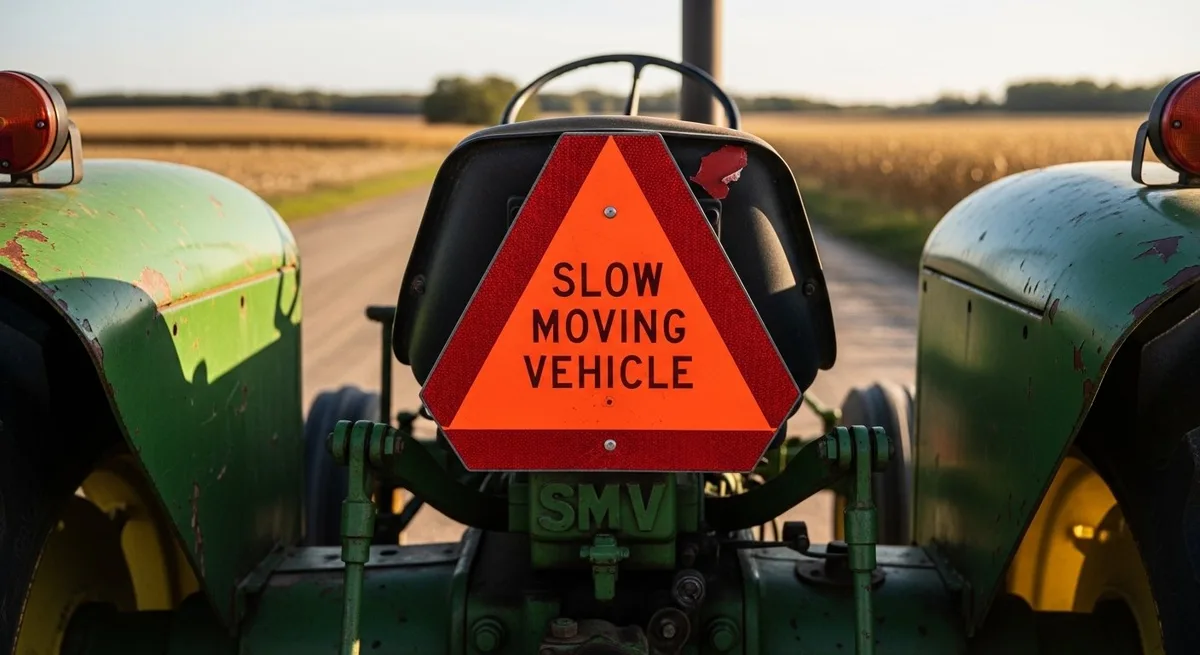
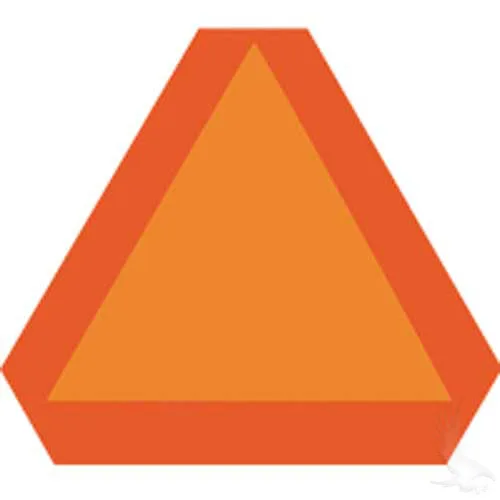
All slow-moving vehicles must display a reflective orange triangle emblem on the rear. This emblem must be mounted at least 2 feet but no more than 6 feet above the road surface. It’s required for any vehicle traveling under 25 mph.
The emblem helps other drivers recognize slow-moving traffic from a distance. Without it, you risk a citation and reduce safety for everyone on the road. Replacement emblems are available at farm supply stores and online retailers.
Common Mistakes That Lead to Tickets or Crashes
Many drivers assume the pull-off rule only applies to farm equipment. It covers any vehicle moving under 25 mph, including construction machinery and utility trucks. This misunderstanding leads to unnecessary citations.
Another common error is pulling over in unsafe locations. Stopping on a curve or hill blocks visibility for other drivers. Always choose a straight, visible stretch of road with a wide shoulder.
Some operators forget to use their hazard lights when pulling over. This simple step alerts following drivers to your intentions. Without it, rear-end collisions become more likely.
What Happens If You Don’t Comply
The first offense typically results in a warning or small fine. Repeat violations can lead to higher penalties and points on your driving record. Law enforcement takes this seriously because of the safety risks.
If an accident occurs due to non-compliance, you could face civil liability. Insurance companies may deny claims if they determine you violated the pull-off law. The financial consequences can be significant.
The Idaho State Police actively patrol rural highways during peak agricultural seasons. They’re trained to spot slow-moving vehicles that aren’t following the rules.
Rural Road Hotspots Where This Matters Most
Bing (Web (fair-use with source credit))
Highway 30 between Burley and Malad is a major agricultural corridor. During harvest, expect frequent slow-moving traffic. The pull-off areas here are well-marked but often crowded.
US-93 through the Magic Valley sees heavy farm traffic year-round. The long stretches between towns make proper pull-offs essential. Local farmers know the best spots to use.
State Highway 19 between Lewiston and Grangeville winds through farm country. The two-lane road has limited passing opportunities. Pull-offs are spaced about every mile in this area.
Highway 91 between Pocatello and Idaho Falls sees frequent farm traffic. During harvest season, expect delays from combines and grain carts. The pull-off law is strictly enforced here due to high traffic volumes.
US-20 through the Snake River Plain is another hotspot. This route connects major agricultural areas and often has long stretches without passing lanes.
State Highway 55 north of Boise is popular with both farmers and tourists. The mix of slow-moving equipment and recreational vehicles makes compliance especially important.
Quick Reference: Idaho Code and ITD Rules
The primary law is Idaho Code § 49-646, which outlines slow-moving vehicle requirements. The Idaho Transportation Department provides additional guidance on their website. Both sources emphasize safety and visibility.
Key points include the 25 mph threshold, the five-vehicle rule, and the SMV emblem requirement. For the most current information, check the ITD’s official site.
Frequently Asked Questions
Does the pull-off law apply at night?
Yes, the law applies 24 hours a day. At night, slow-moving vehicles must also display proper lighting. The reflective SMV emblem helps but doesn’t replace required lights.
How many vehicles must be behind me before I pull over?
The law specifies five or more vehicles. If you see a line forming behind you, start looking for a safe pull-off spot. Don’t wait until the last moment.
Are there exceptions to the pull-off rule?
Yes, if pulling over would be unsafe, you’re not required to stop. This includes bridges, curves, or areas with poor visibility. Use common sense and prioritize safety.
What’s the minimum speed for the pull-off requirement?
The threshold is 25 mph. Any vehicle traveling slower must comply. This includes tractors, combines, and other farm equipment.
Where can I get an SMV emblem?
They’re available at farm supply stores, auto parts retailers, and online. The emblem must meet Idaho’s specifications for reflectivity and size. Check that it’s DOT-approved.